
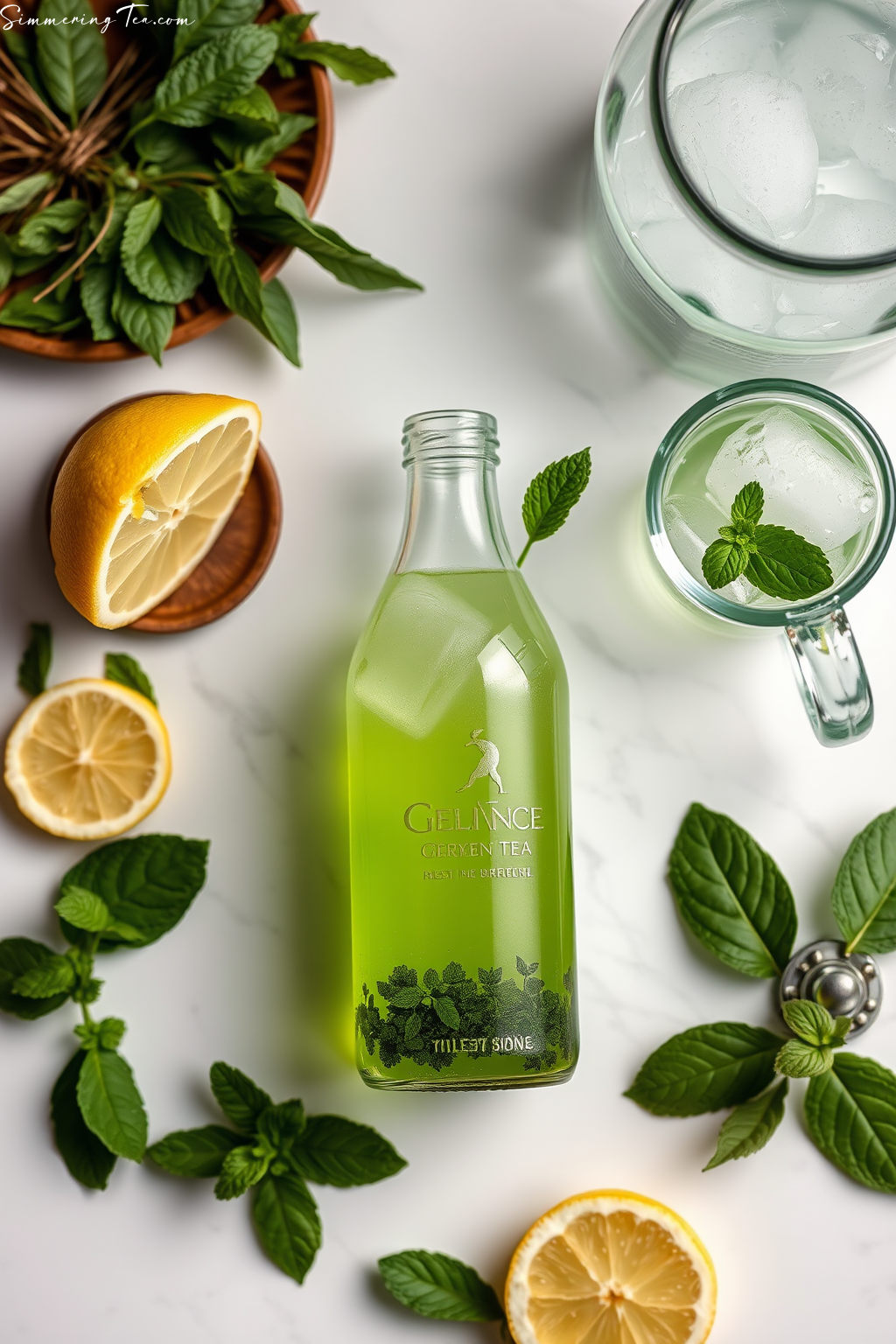
Tea has evolved far beyond a simple hot beverage. Today’s tea culture encompasses ancient traditions, modern innovations, and everything in between. Whether you’re seeking the meditative calm of a traditional Japanese tea ceremony, the playful indulgence of bubble tea, or the healing properties of wellness infusions, there’s a perfect tea waiting for you.
This comprehensive guide explores three major categories that define contemporary tea culture: the refined world of green tea, the vibrant phenomenon of bubble tea, and the healing power of wellness brews.
Part 1: Green Tea – Ancient Wisdom in Every Cup
Green tea, minimally oxidized and packed with antioxidants, represents thousands of years of cultivation mastery. From China’s misty mountains to Japan’s carefully tended fields, green tea offers incredible variety in flavor, aroma, and brewing tradition.
Cold Brew Green Tea: Summer’s Perfect Refreshment
Cold brewing revolutionizes green tea by steeping leaves in cold water for 6-12 hours. This gentle extraction produces a naturally sweet, smooth tea with zero bitterness and less caffeine than hot-brewed versions.
Why cold brew? Hot water can extract bitter tannins from green tea leaves. Cold water draws out only the sweet, delicate flavors, creating a refreshing drink that’s perfect for hot summer days. No heating required—just patience.
Best teas for cold brewing: Sencha, gyokuro, and jasmine green tea all excel when cold-brewed. Experiment with different steeping times to find your preferred strength.
Dragon Well (Longjing): China’s Imperial Treasure
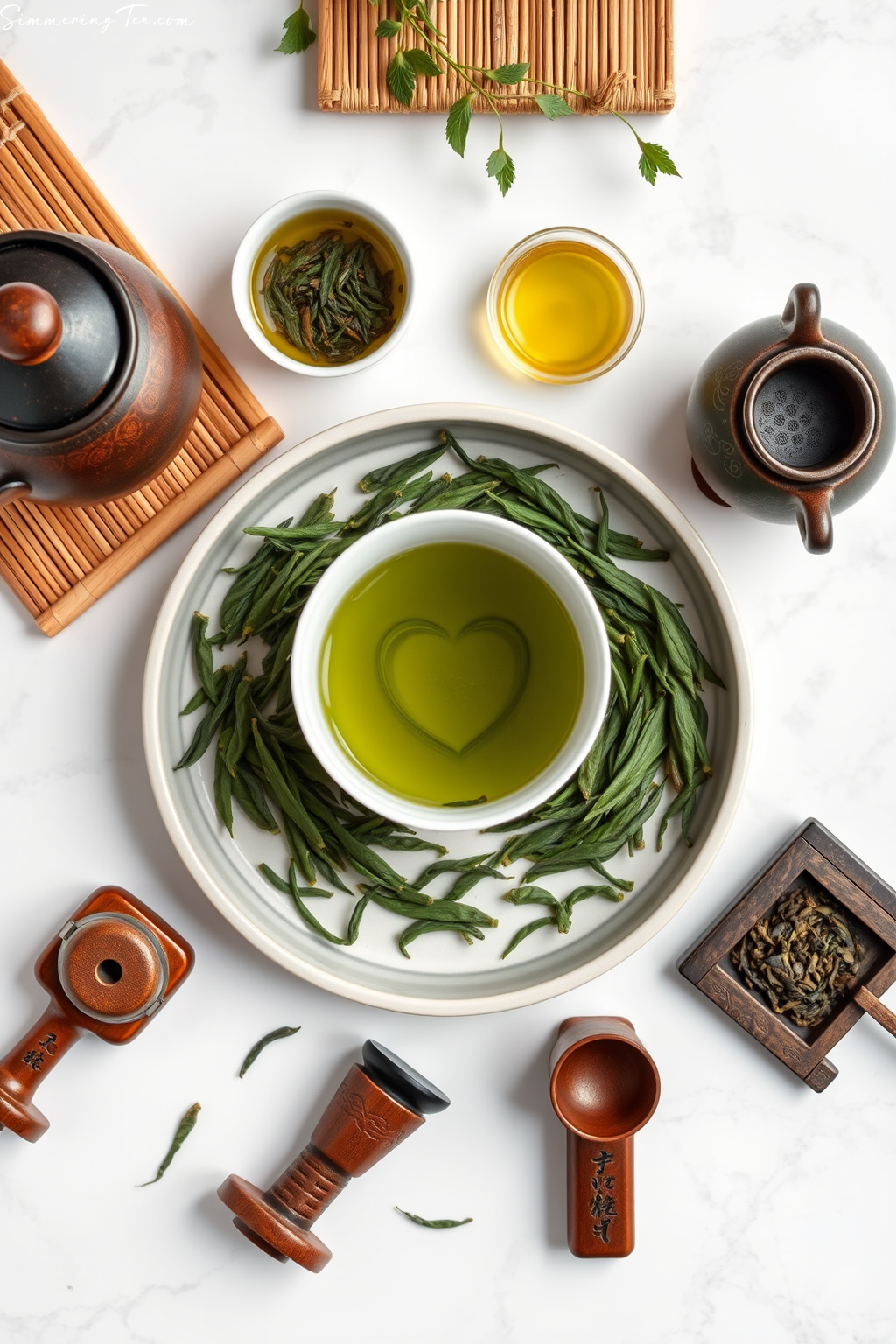
Dragon Well, or Longjing, is China’s most celebrated green tea, produced near Hangzhou’s West Lake. Its distinctive flat, jade-green leaves are hand-processed in large woks, giving the tea its characteristic shape.
Flavor profile: Delicate sweetness with nutty, almost chestnut-like notes. The aroma is fresh and vegetal with a lingering sweetness that develops as the tea cools.
Brewing tips: Use water around 75-80°C (167-176°F). Dragon Well is forgiving and can be steeped multiple times, with each infusion revealing new dimensions of flavor. Watch the flat leaves dance and slowly unfurl in your glass—a visual pleasure known as “dragon dancing in the cup.”
Genmaicha: The People’s Tea
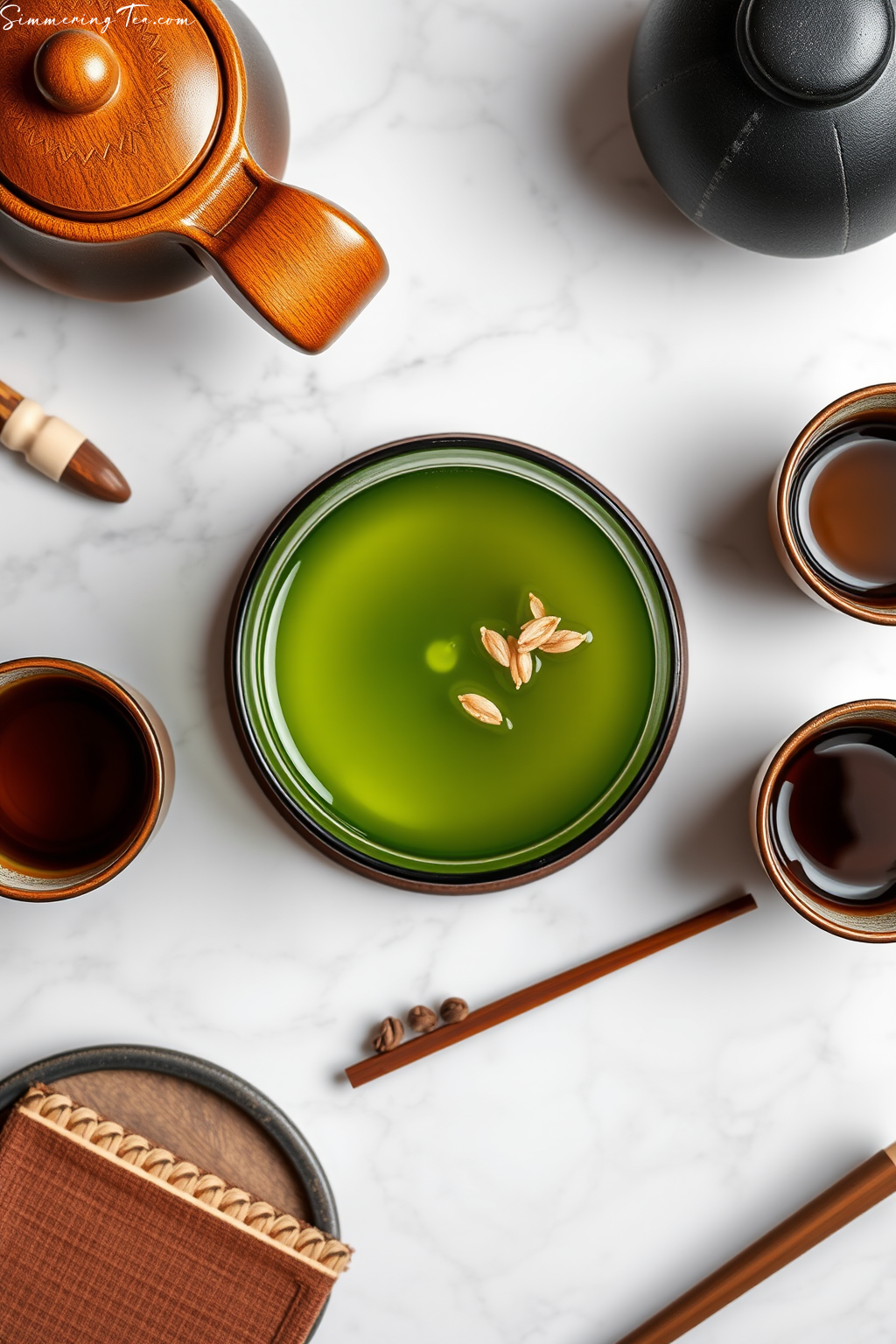
Genmaicha combines green tea (usually bancha or sencha) with roasted brown rice, creating a unique nutty, toasty flavor. The rice was originally added to stretch the tea supply during times of scarcity, but the resulting flavor became so popular that genmaicha is now beloved in its own right.
The appeal: Lower in caffeine due to the rice dilution, genmaicha has a warm, comforting quality that makes it perfect for any time of day. The roasted rice adds body and a satisfying toastiness that balances the tea’s grassy notes.
Fun fact: Some rice kernels pop during roasting like tiny popcorn, giving genmaicha its nickname “popcorn tea.”
Gyokuro: The Jade Dew
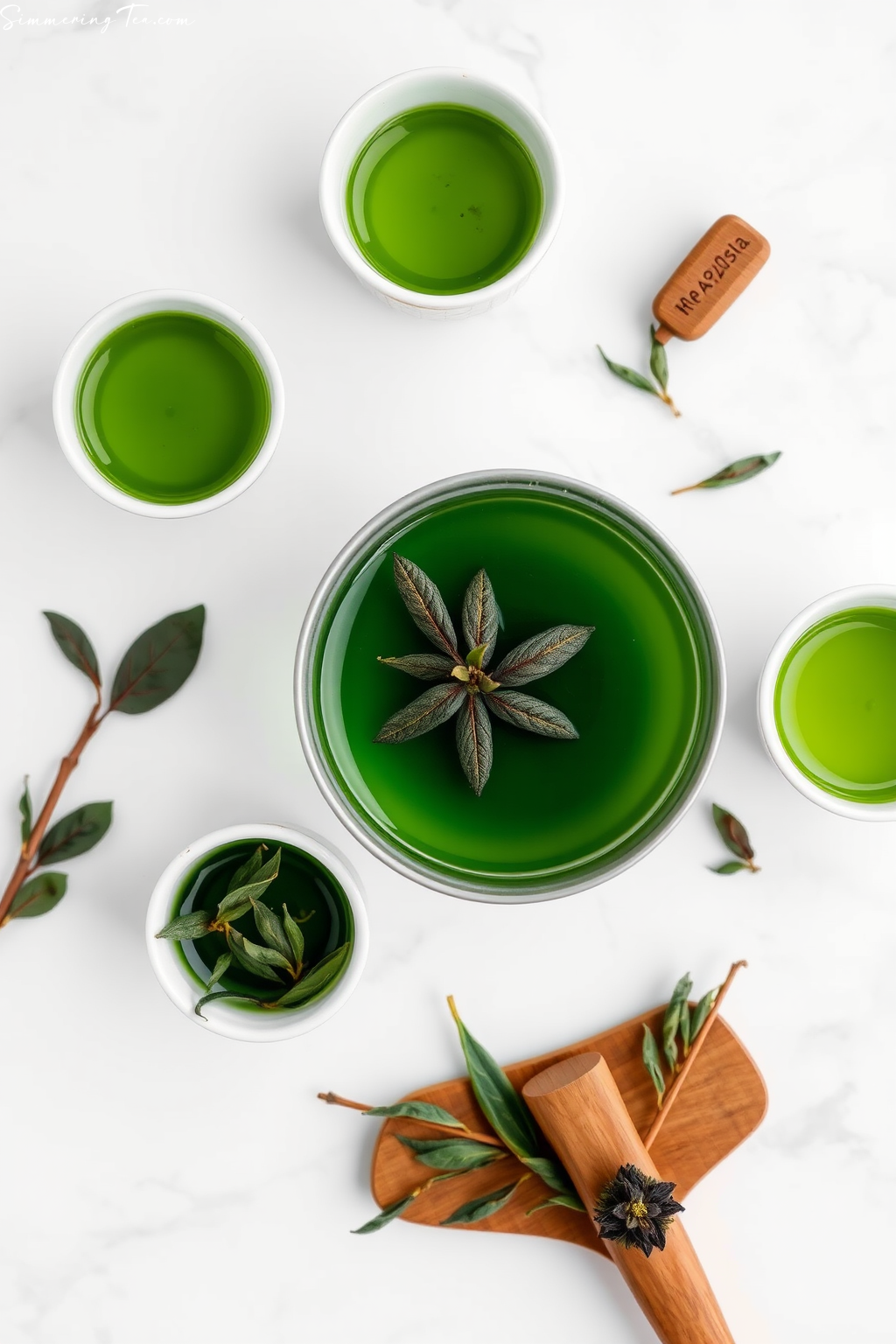
Gyokuro represents the pinnacle of Japanese tea cultivation. Three weeks before harvest, tea plants are covered with shade cloths, dramatically altering the leaves’ chemistry. This shade-growing increases chlorophyll and amino acids, particularly L-theanine, while reducing catechins.
The result: An intensely umami, almost brothy flavor with remarkable sweetness and minimal astringency. The deep green color comes from concentrated chlorophyll. Gyokuro is Japan’s most prestigious tea, commanding premium prices.
Proper preparation: Use cooler water (50-60°C/122-140°F) and steep for longer periods. The low temperature extracts the sweet amino acids while avoiding bitter compounds. Each leaf can be infused 3-4 times with increasing temperatures.
Japanese Tea Ceremony: Chanoyu
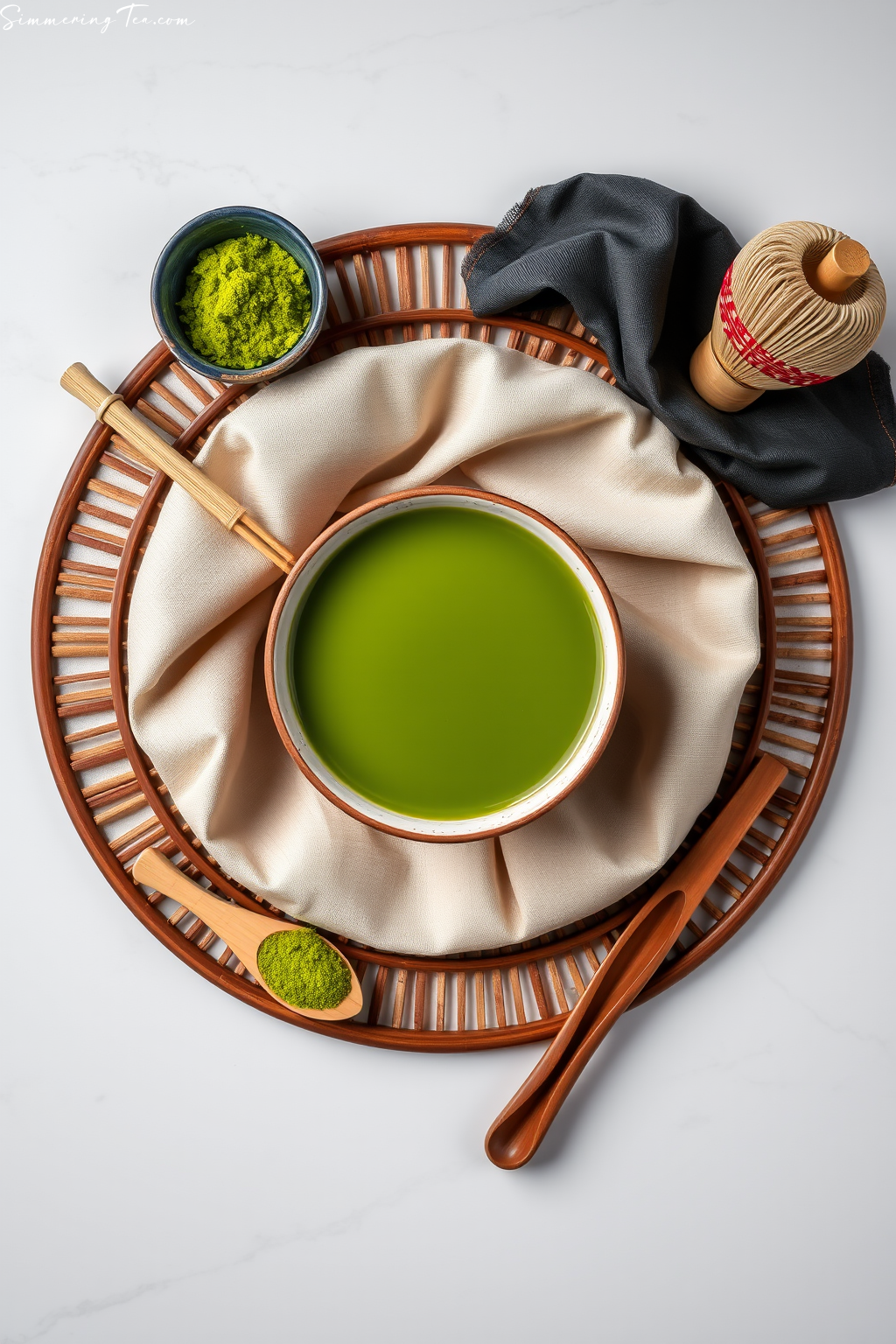
The Japanese tea ceremony, or chanoyu (literally “hot water for tea”), is a choreographed ritual of preparing and serving matcha. Developed by Zen Buddhist monks, it embodies principles of harmony (wa), respect (kei), purity (sei), and tranquility (jaku).
The experience: Every movement is prescribed and meaningful—from the way utensils are handled to how guests receive their tea. The ceremony can last several hours and includes kaiseki (light meal), thick tea (koicha), and thin tea (usucha).
Beyond formality: While traditional ceremonies are highly formal, the underlying principles of mindfulness, respect, and attention to detail can enhance any tea preparation, even in your own kitchen.
Jasmine Green Tea: Fragrant Poetry
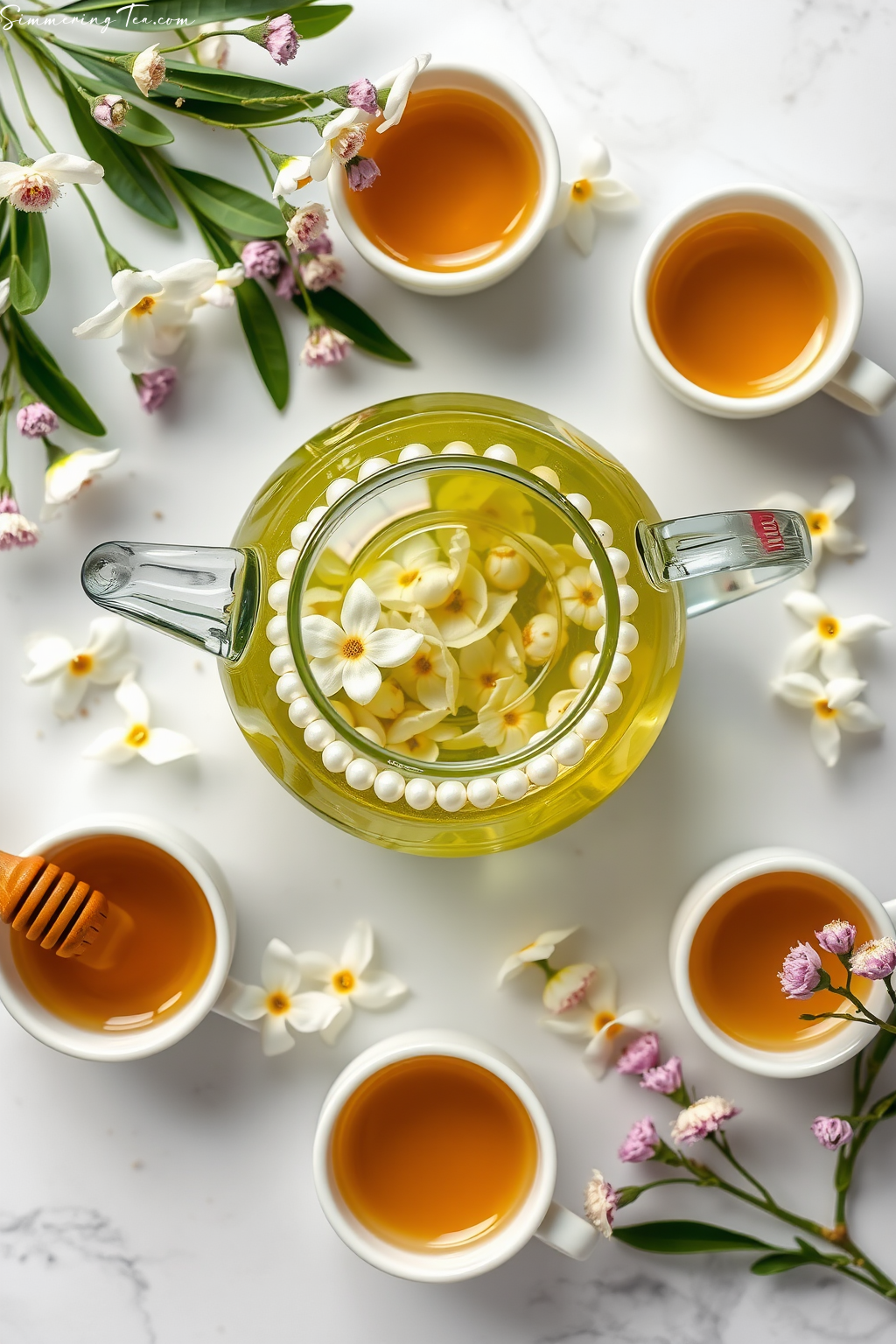
Authentic jasmine tea is made by repeatedly layering green tea leaves with fresh jasmine blossoms. The tea absorbs the flowers’ intoxicating fragrance overnight, then the blossoms are removed. This process repeats 5-7 times for premium grades.
The romance: Jasmine flowers bloom only at night, releasing their strongest fragrance after dark. Workers harvest them in late afternoon and spread them over tea leaves as evening falls, allowing the tea to capture the flowers’ peak perfume.
Quality indicators: The best jasmine tea contains few or no visible flowers—the scent is fully absorbed into the leaves. Lesser grades include flowers to add visual appeal but may use flavoring instead of natural scenting.
Matcha Latte: Tradition Meets Café Culture
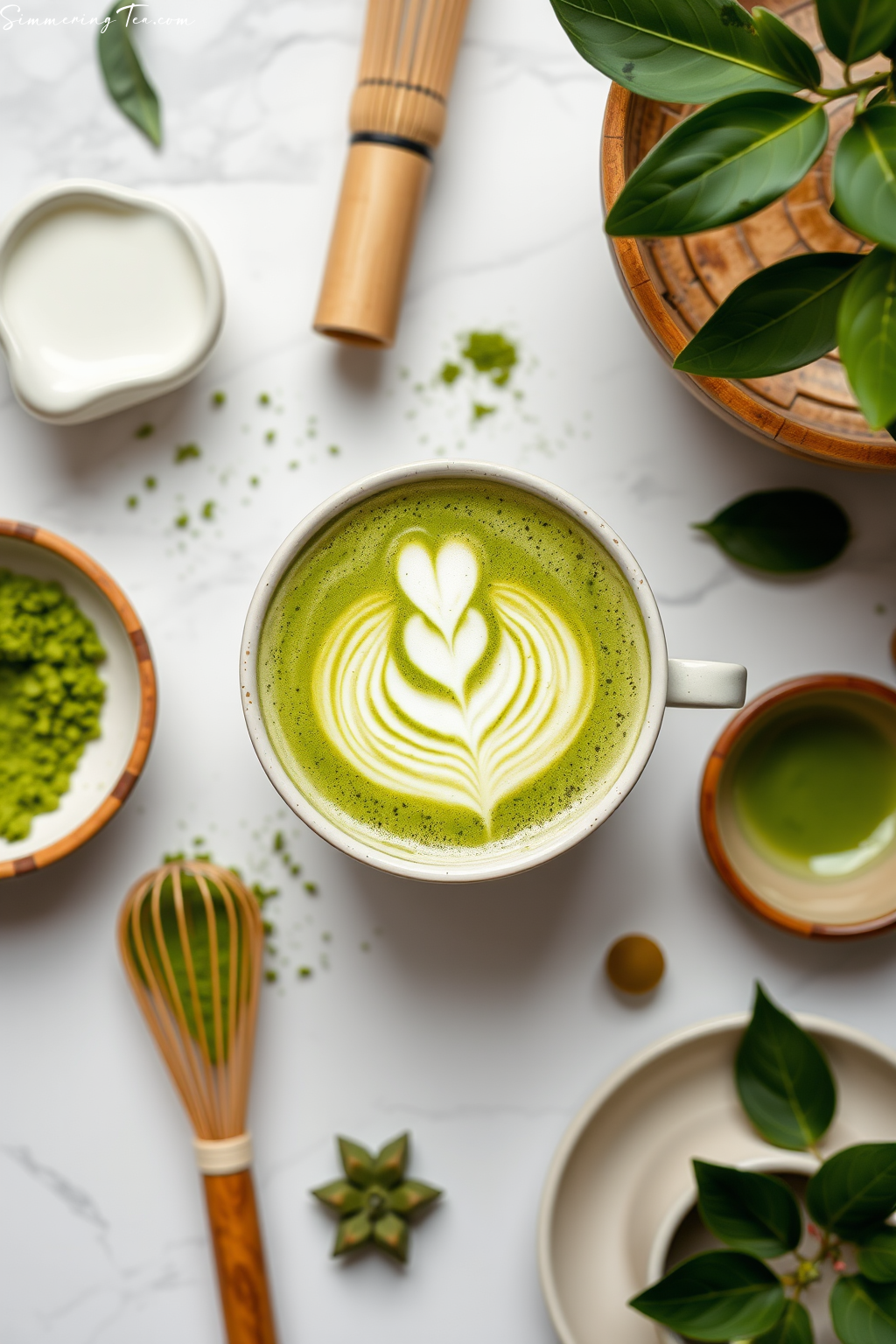
The matcha latte brings ceremonial-grade powdered green tea to the coffee shop, combining Japan’s ancient tea with creamy steamed milk. It’s become a global phenomenon, appreciated for both flavor and the calm energy matcha provides.
Why matcha works in lattes: Unlike steeped tea, matcha suspends in liquid rather than dissolving, creating a rich, creamy base that pairs beautifully with milk. The vibrant green color and earthy-sweet flavor make it Instagram-worthy and delicious.
Making it at home: Whisk 1-2 teaspoons of matcha with a small amount of hot water to form a smooth paste, then add steamed milk and sweetener to taste. Use a milk frother for authentic café-style foam.
Fresh Mint Green Tea
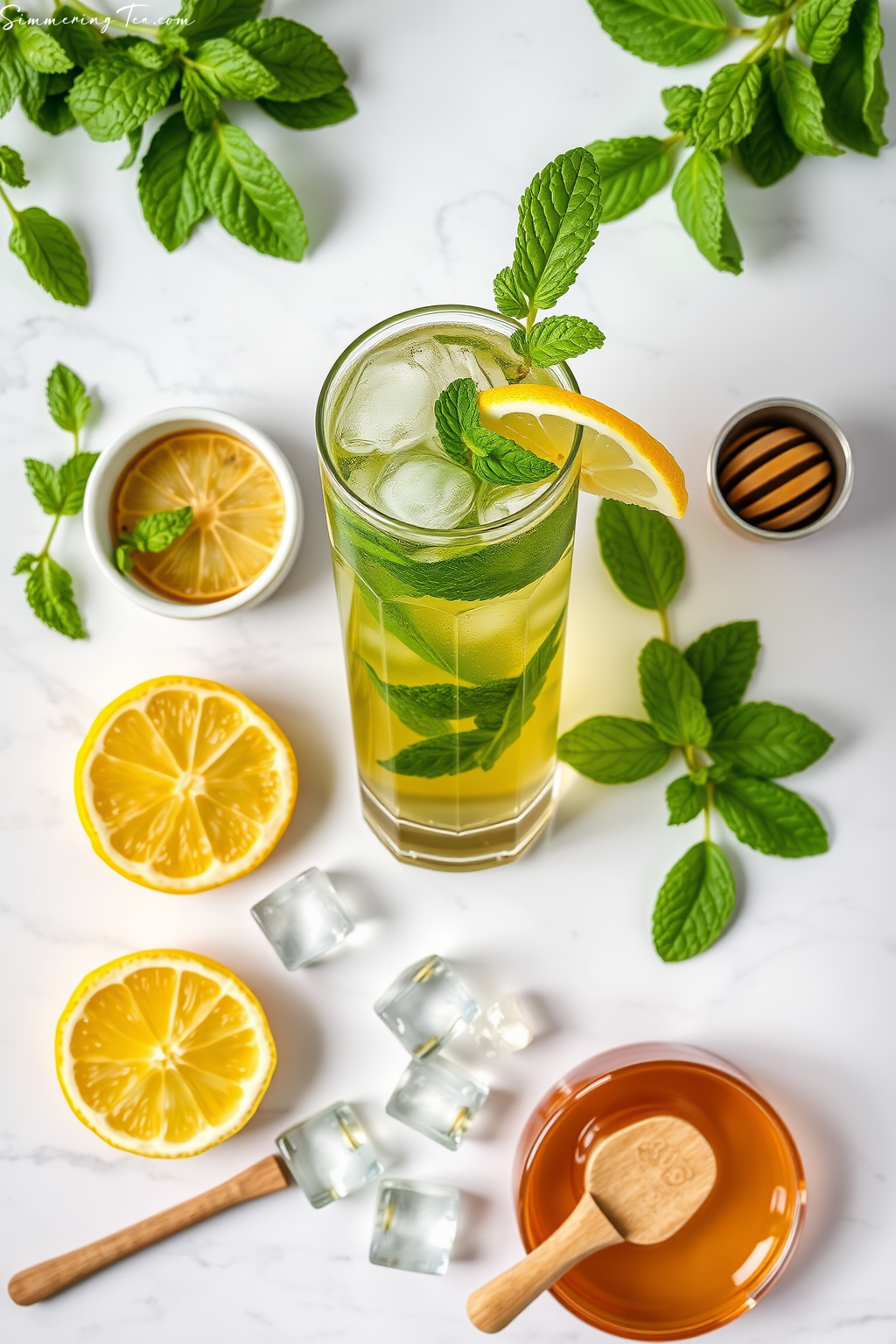
Adding fresh mint to green tea creates a refreshing fusion that aids digestion, freshens breath, and adds complexity to the tea’s grassy notes. The menthol in mint creates a cooling sensation perfect for warm weather.
Herb pairings: Spearmint offers sweeter, gentler flavor while peppermint brings stronger menthol bite. For authentic results, use generously—a large handful of mint per pot.
Health benefits: Mint supports digestion and can relieve headaches, while green tea provides antioxidants. Together, they create a powerfully refreshing wellness drink.
Moroccan Mint Tea: Liquid Hospitality
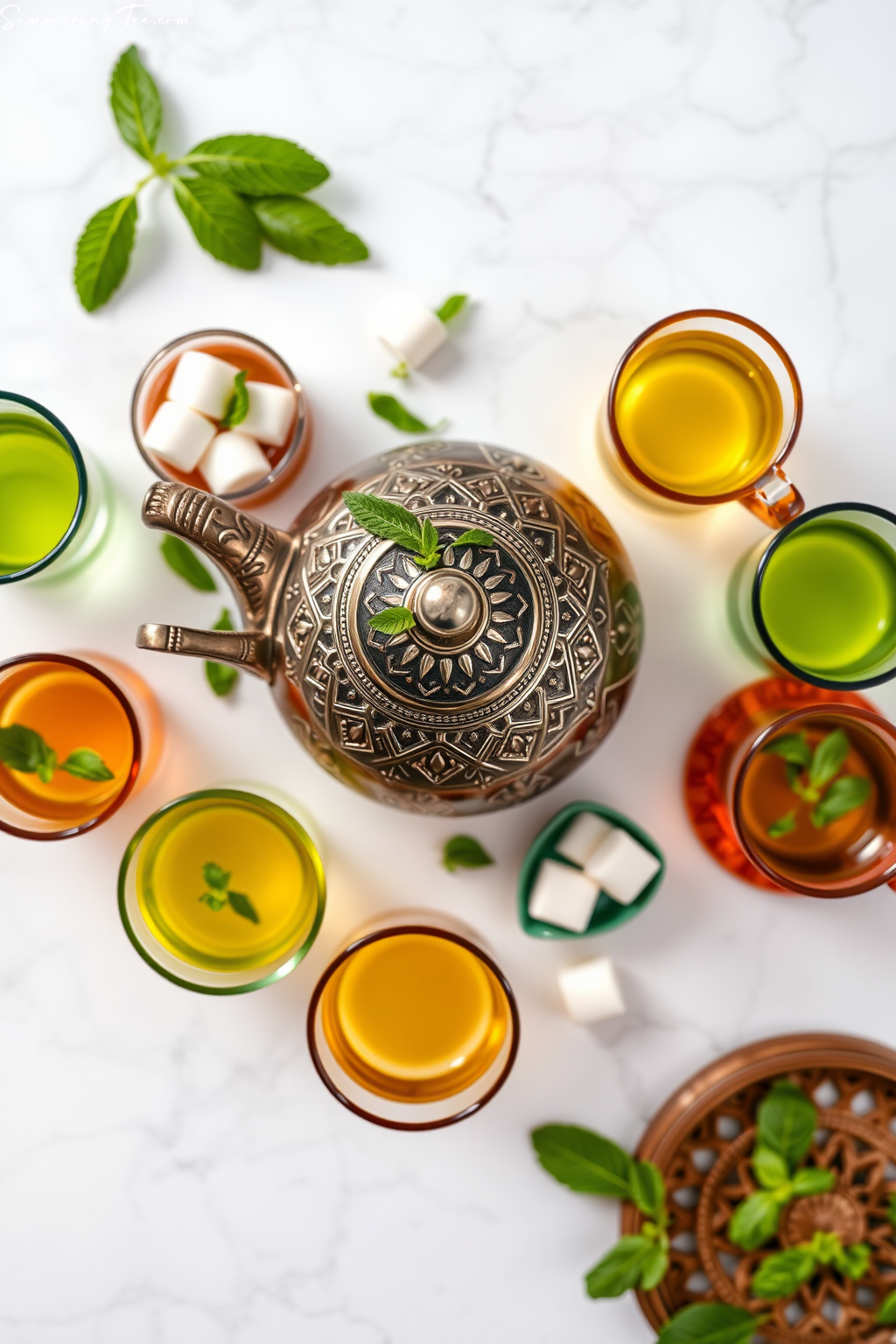
In Morocco, mint tea isn’t just a beverage—it’s a symbol of hospitality, friendship, and social connection. The preparation itself is an art form, with tea poured from great heights to create foam.
The recipe: Chinese gunpowder green tea (named for its pellet-like rolled leaves) steeped with abundant fresh spearmint and generous sugar. The sweetness isn’t optional—it’s integral to the flavor balance.
The ritual: Three glasses are traditional, each with its own character. A Moroccan proverb says: “The first glass is as gentle as life, the second is as strong as love, the third is as bitter as death.” The tea gets stronger and more bitter with each steeping.
The pour: Lifting the teapot high while pouring aerates the tea and creates a prized foam layer. It’s both practical (cooling the hot tea) and theatrical (demonstrating hospitality).
Sencha: Japan’s Everyday Luxury
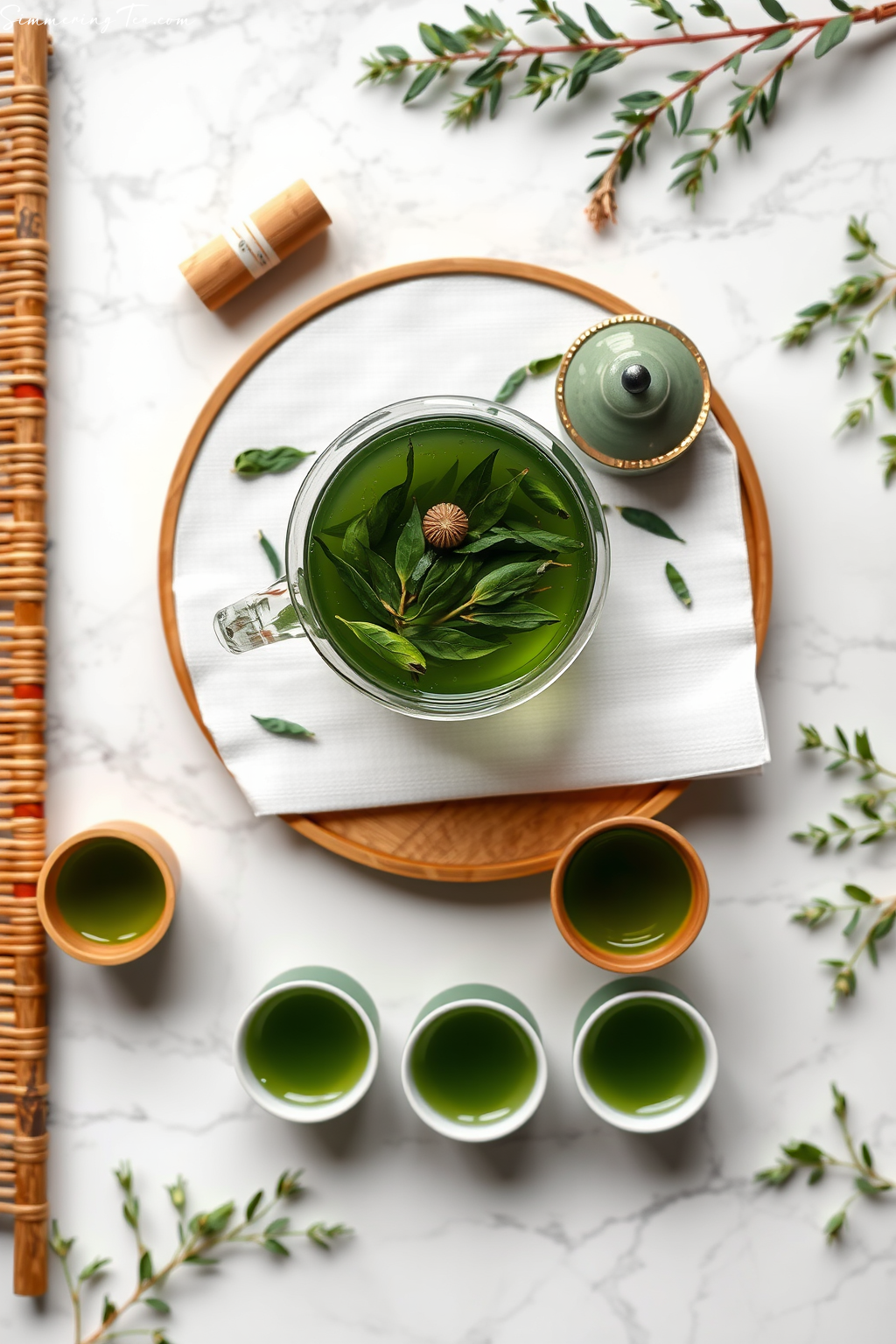
Sencha accounts for about 80% of Japanese tea production. Unlike matcha or gyokuro, sencha plants grow in full sunlight, producing tea with bright, grassy flavors and pleasant astringency.
Flavor spectrum: Early-harvest (shincha) sencha is sweet and delicate. Later harvests develop more body and astringency. Deep-steamed (fukamushi) sencha has richer flavor and deeper color than regular (asamushi) sencha.
Brewing guide: Use water around 70-80°C (158-176°F). Steep for 1-2 minutes for the first infusion. Sencha leaves can typically be steeped 2-3 times, with subsequent infusions using hotter water and shorter steeping times.
Cultural significance: Sencha represents daily Japanese tea culture—less formal than the tea ceremony but still emphasizing quality, mindfulness, and appreciation of subtle flavors.
Part 2: Bubble Tea – The Global Phenomenon
Born in 1980s Taiwan, bubble tea (also called boba or pearl milk tea) has conquered the world with its irresistible combination of tea, sweetness, creaminess, and chewy tapioca pearls. What started as a local innovation is now a billion-dollar global industry with endless flavor variations.
Avocado Bubble Tea: Creamy Green Goodness
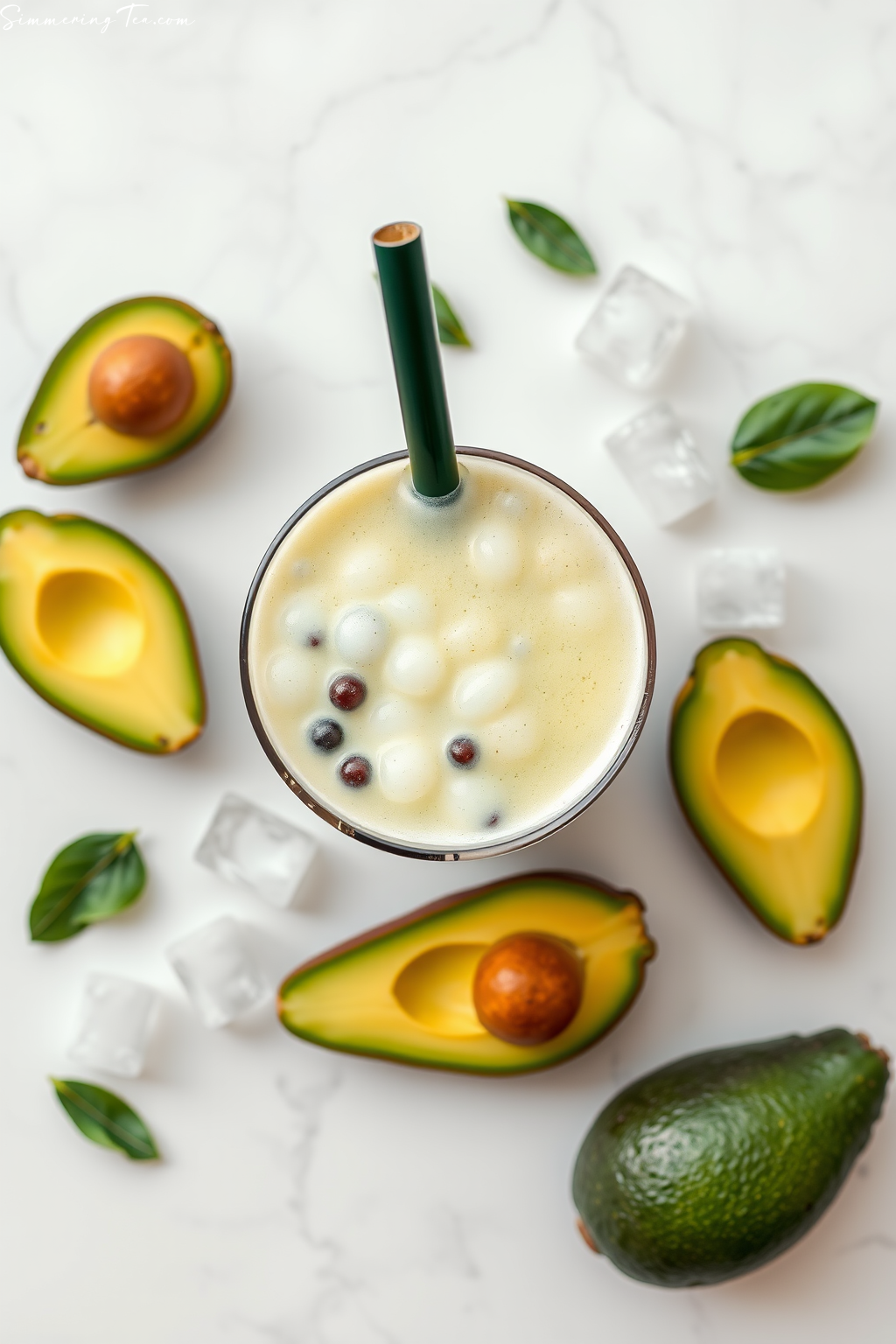
Avocado might seem unusual in tea, but its creamy texture creates an ultra-smooth, milkshake-like drink that’s both indulgent and nutritious.
The appeal: Fresh avocado blended with milk, ice, and sweetener creates a rich, filling drink. Some versions add condensed milk for extra sweetness. The healthy fats from avocado make this surprisingly satiating.
Southeast Asian favorite: Avocado drinks are popular throughout Vietnam, Indonesia, and the Philippines, where they’re often blended with coffee or chocolate as well as tea.
Blueberry Bubble Tea: Antioxidant Power
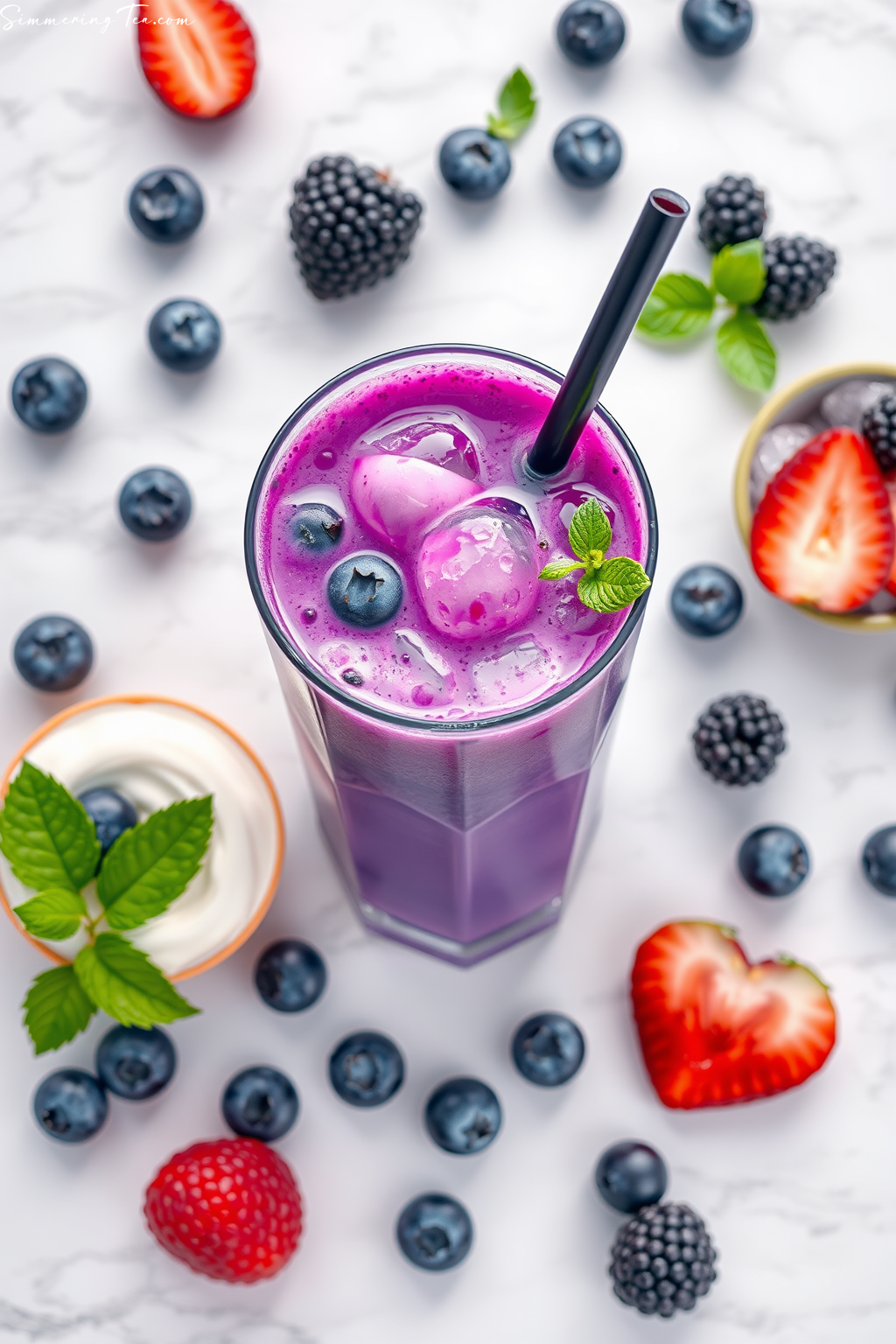
Blueberry’s sweet-tart flavor and vivid purple color make it a fruit tea favorite. Fresh or frozen berries muddled with green or black tea create a refreshing, antioxidant-rich drink.
Health halo: Blueberries are among the most antioxidant-rich fruits available. Combined with tea’s catechins, this becomes one of the healthier bubble tea options (assuming moderate sweetener).
Coffee Bubble Tea: Best of Both Worlds
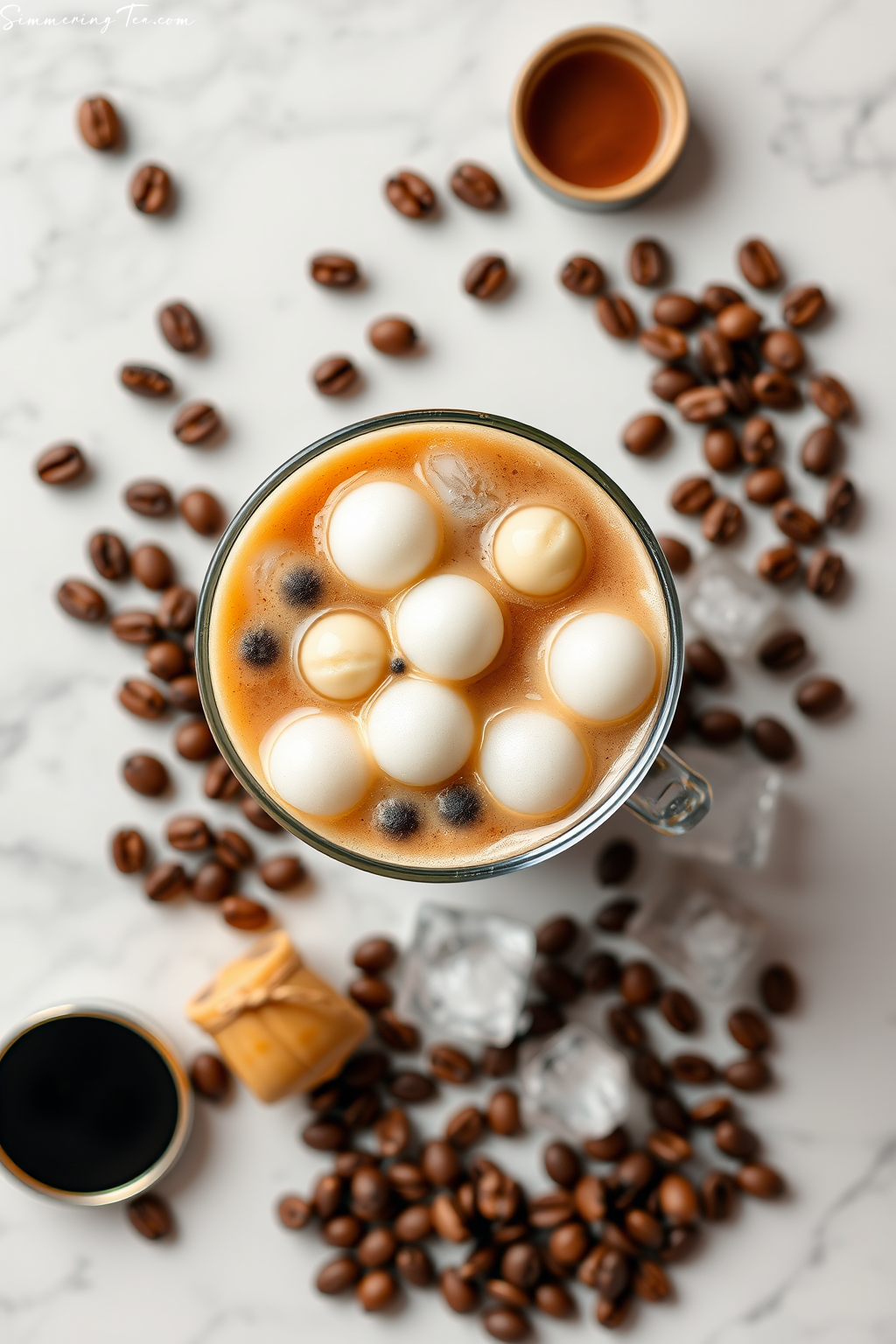
Can’t choose between your morning coffee and afternoon boba? This fusion delivers both in one drink, combining espresso or strong coffee with milk tea and tapioca pearls.
Double caffeine: With caffeine from both tea and coffee, this drink packs a serious energy boost. Perfect for students pulling all-nighters or anyone needing maximum alertness.
Flavor balance: The best versions balance coffee’s bitterness with tea’s astringency and milk’s sweetness, creating a complex, layered flavor profile.
Honeydew Bubble Tea: Subtle Sweetness
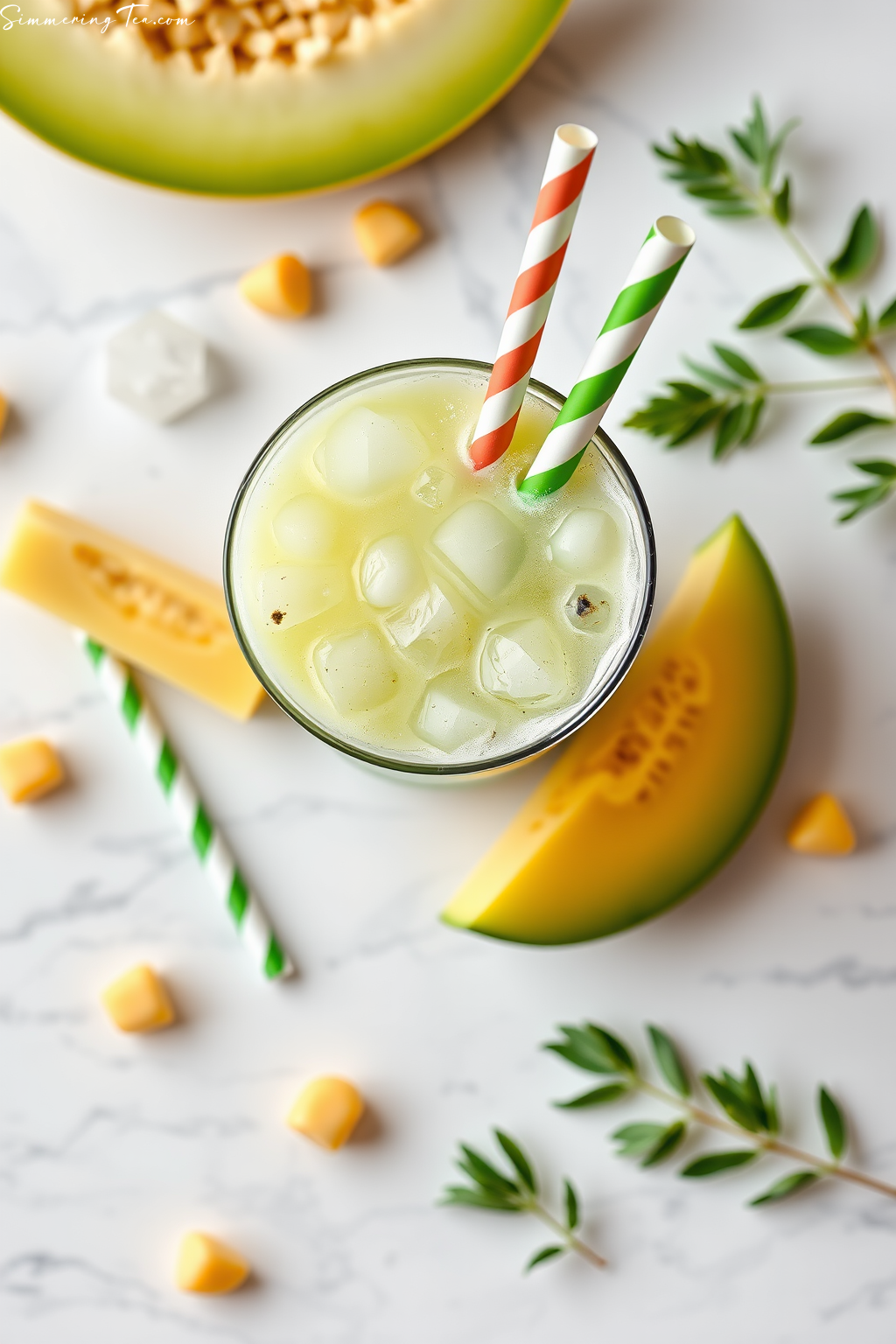
Honeydew melon’s delicate, refreshing flavor appeals to those who find typical bubble tea too sweet. Its pale green color and subtle taste make it an understated favorite.
Texture matters: Fresh honeydew puree creates the best flavor, but quality syrups work well too. The key is capturing the melon’s natural freshness rather than artificial candy flavor.
Lychee Bubble Tea: Exotic Elegance
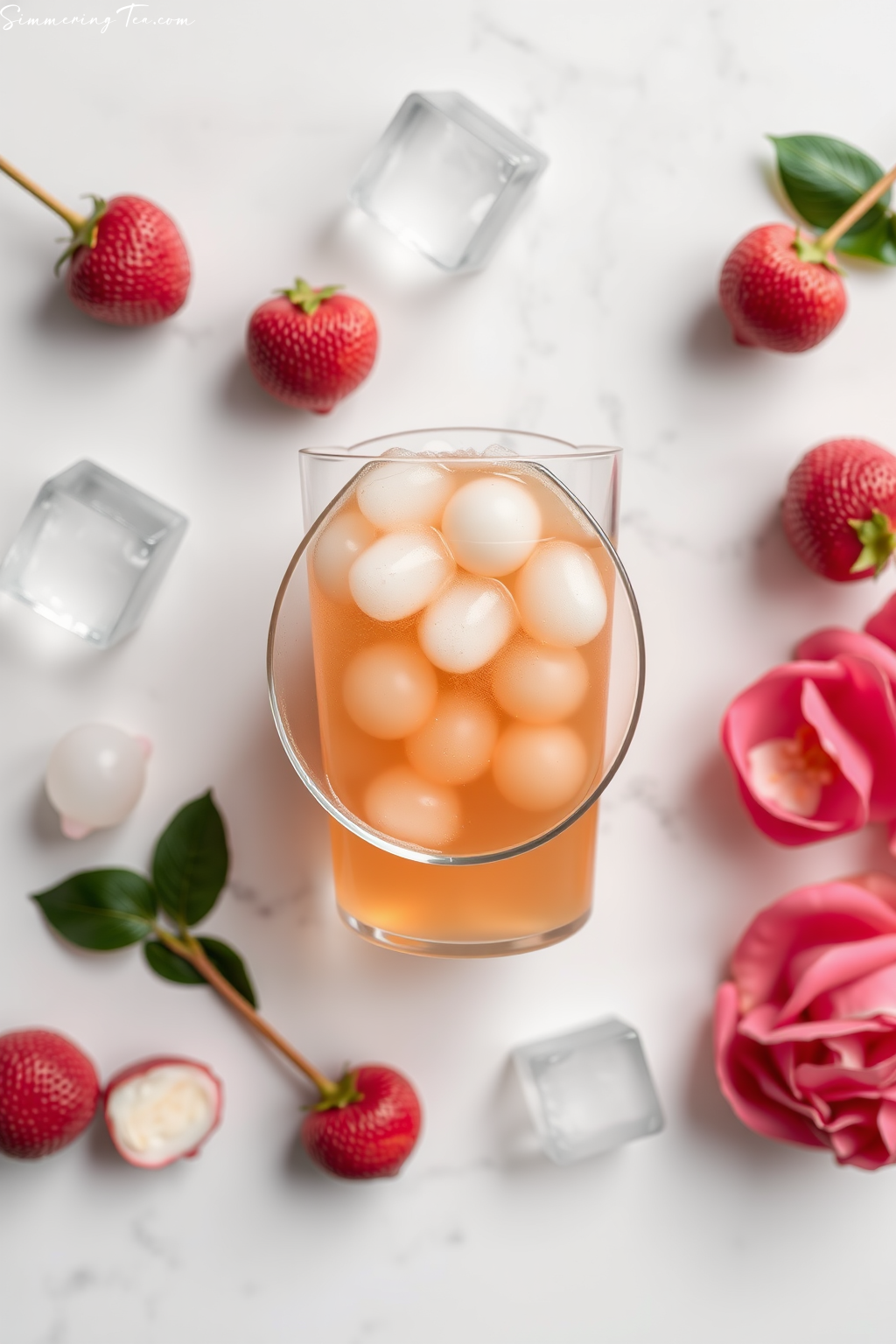
Lychee’s distinctive floral sweetness—somewhere between grape and rose—creates an elegant, perfumed bubble tea. Popular in Asia but still relatively exotic elsewhere, it offers sophisticated flavor.
Best enjoyed: With jasmine green tea as the base, which complements lychee’s floral notes. Add fresh lychee fruit for textural interest alongside tapioca pearls.
Matcha Bubble Tea: Japanese Meets Taiwanese
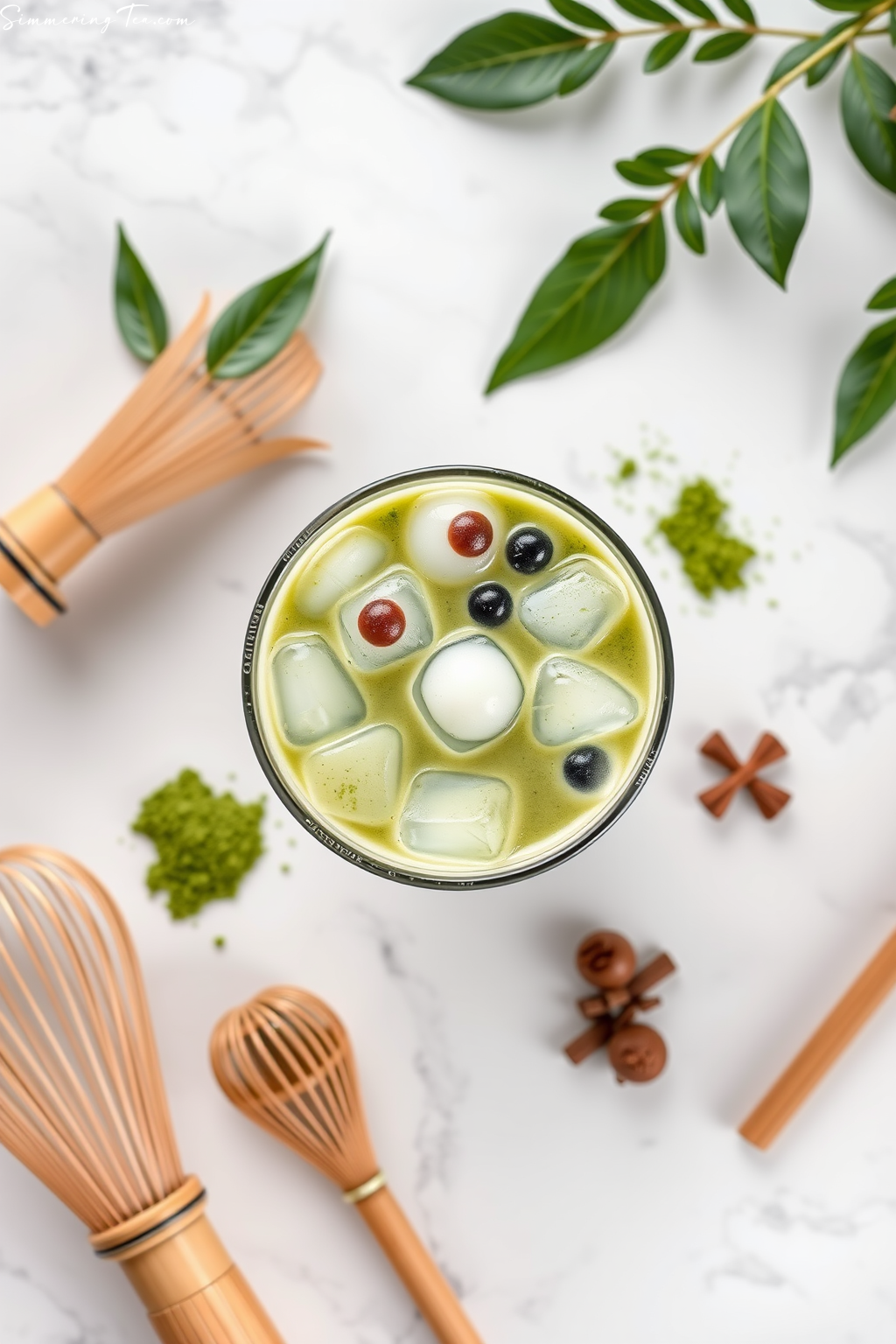
Matcha bubble tea bridges two Asian tea cultures: Japan’s ceremonial powdered green tea and Taiwan’s chewy pearl milk tea. The earthy, umami-rich matcha paired with sweet milk and QQ (pleasantly chewy) pearls is a study in contrasts.
Quality matters: Use culinary or latte-grade matcha, which costs less than ceremonial grade but still delivers authentic flavor and color. Ceremonial grade’s subtlety gets lost in milk and sweetener.
Passion Fruit Bubble Tea: Tropical Tang

Passion fruit’s intense tartness and tropical aroma create a bright, zippy bubble tea that cuts through sweetness with refreshing acidity.
Perfect for: Hot summer days when you want something more refreshing than creamy milk tea. The tart-sweet balance wakes up your palate.
Pro tip: Request less sugar—passion fruit has enough natural complexity that it doesn’t need heavy sweetening.
Peach Bubble Tea: Summer in a Cup
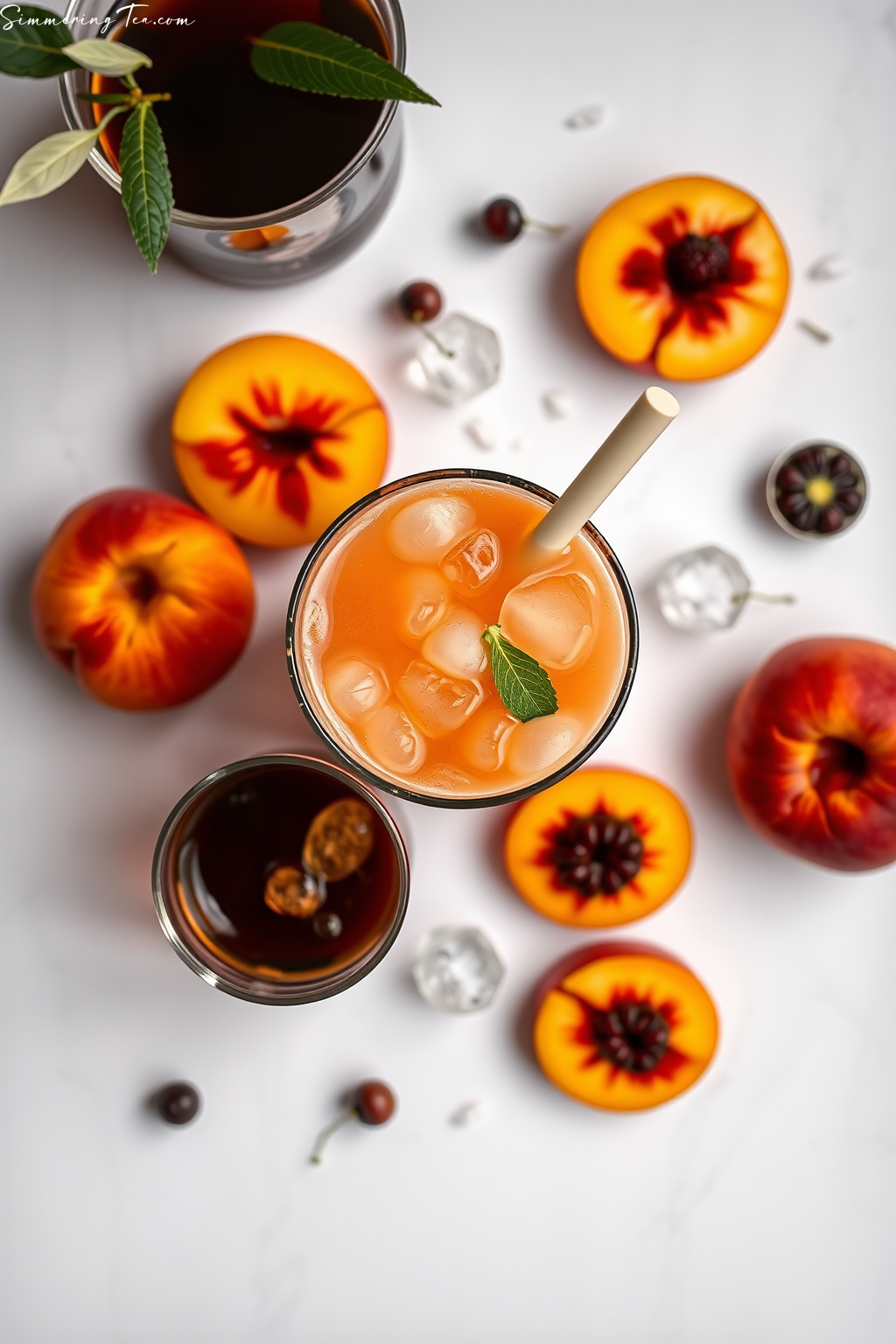
Juicy, sweet peach flavor makes this a perennial favorite. Works equally well with black tea (for depth) or green tea (for freshness).
Fresh vs. syrup: Fresh peach puree delivers superior flavor but is seasonal. Quality peach syrups or frozen puree make the flavor available year-round.
Rose Bubble Tea: Romantic Floral
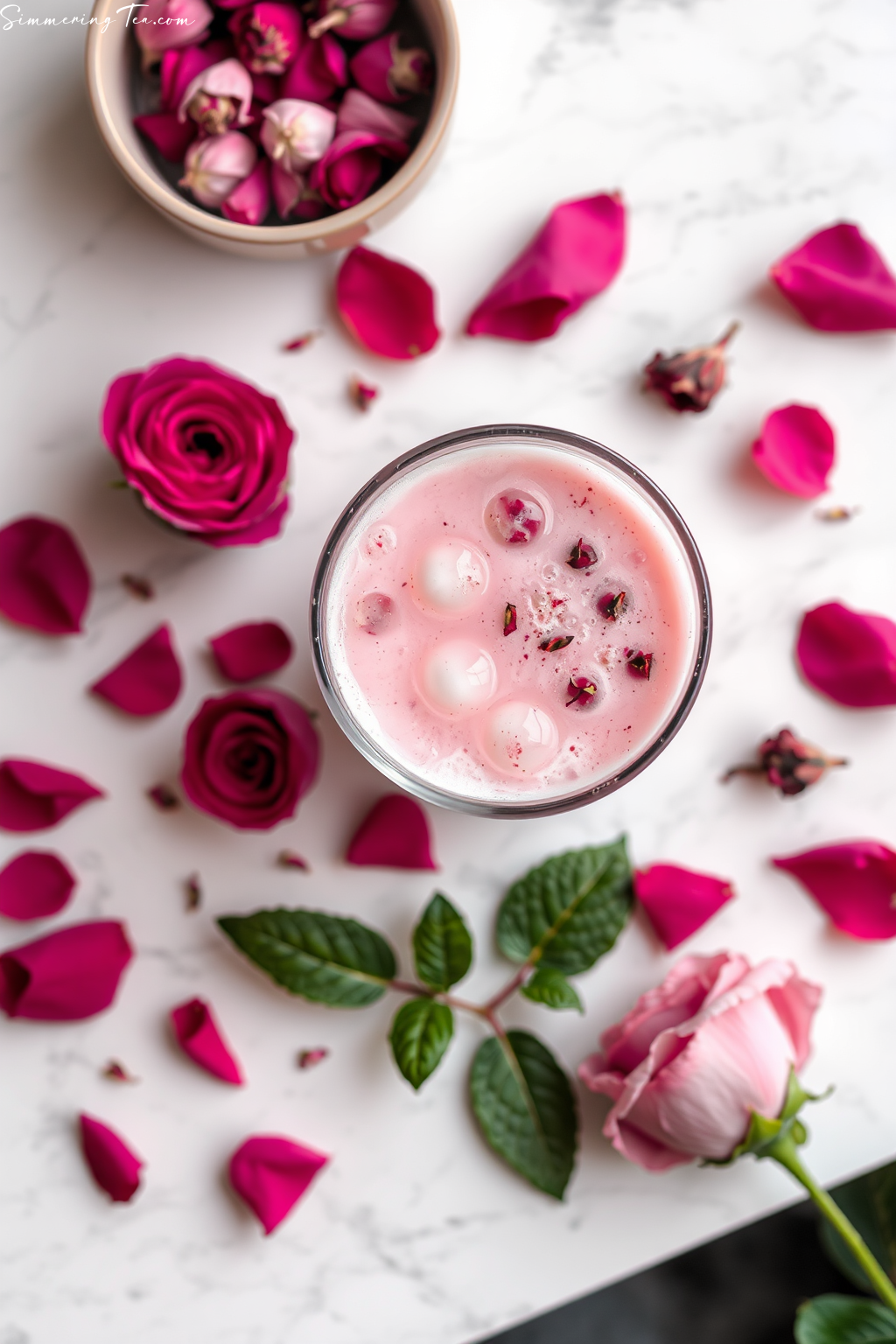
Rose essence in bubble tea creates a romantic, perfumed drink that’s popular in Middle Eastern and South Asian communities. The trick is using just enough to be fragrant without tasting soapy.
Pairings: Rose pairs beautifully with lychee, strawberry, or vanilla. Pink milk tea topped with rose petals makes an Instagram-perfect drink.
Taro Bubble Tea: The Purple People Pleaser
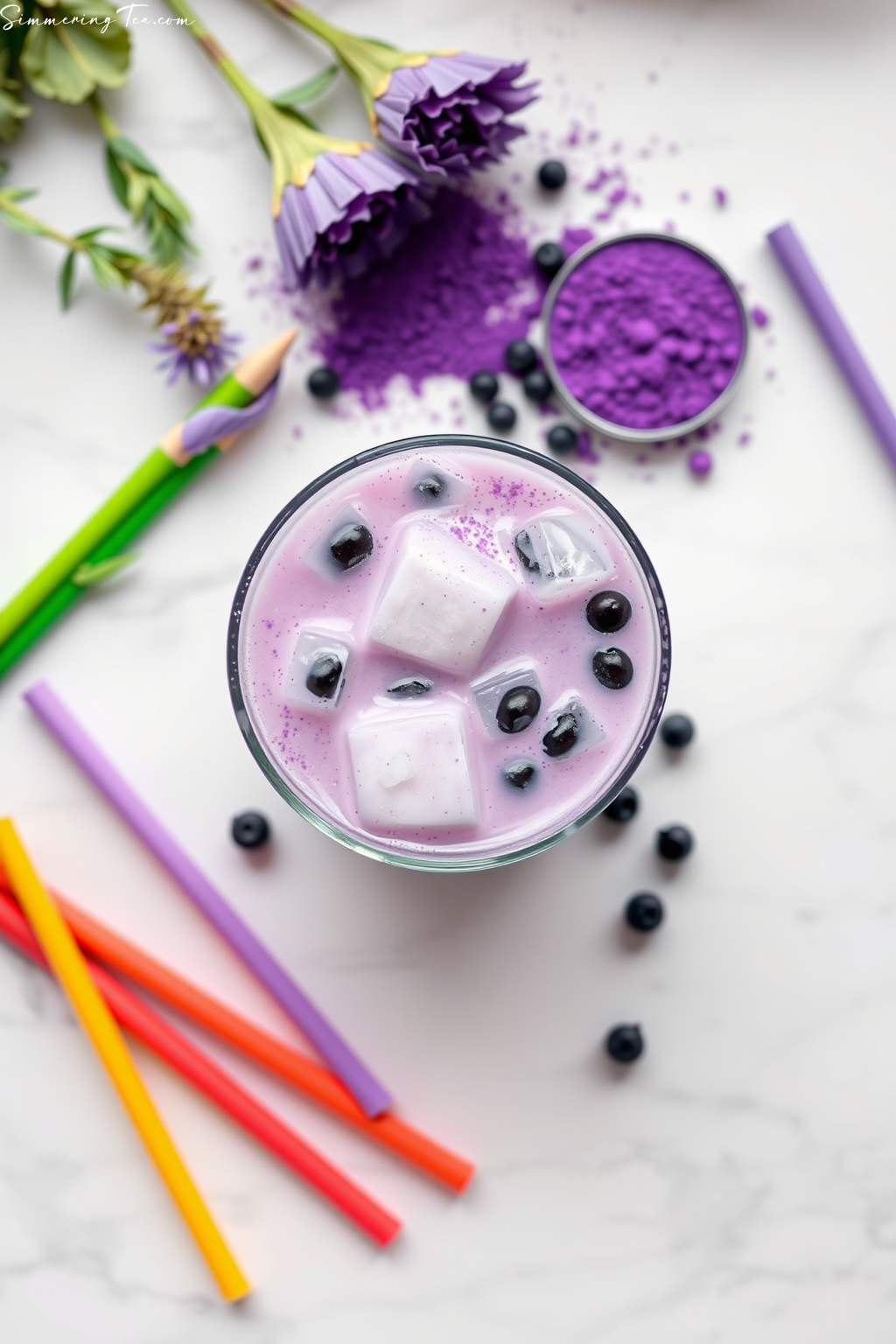
Taro, a purple root vegetable popular in Asian cuisine, creates one of bubble tea’s most beloved flavors. Its naturally sweet, nutty taste and distinctive lavender color make it instantly recognizable.
What is taro? A starchy root similar to potato but sweeter, with notes of vanilla and nuts. When cooked and pureed into milk tea, it creates a creamy, naturally sweet base.
Why it’s popular: Taro’s mild, comforting flavor appeals to almost everyone. It’s sweet without being cloying, interesting without being weird. Many bubble tea novices start with taro and become lifelong fans.
Brown Sugar Tiger Milk Tea: The Instagram Star
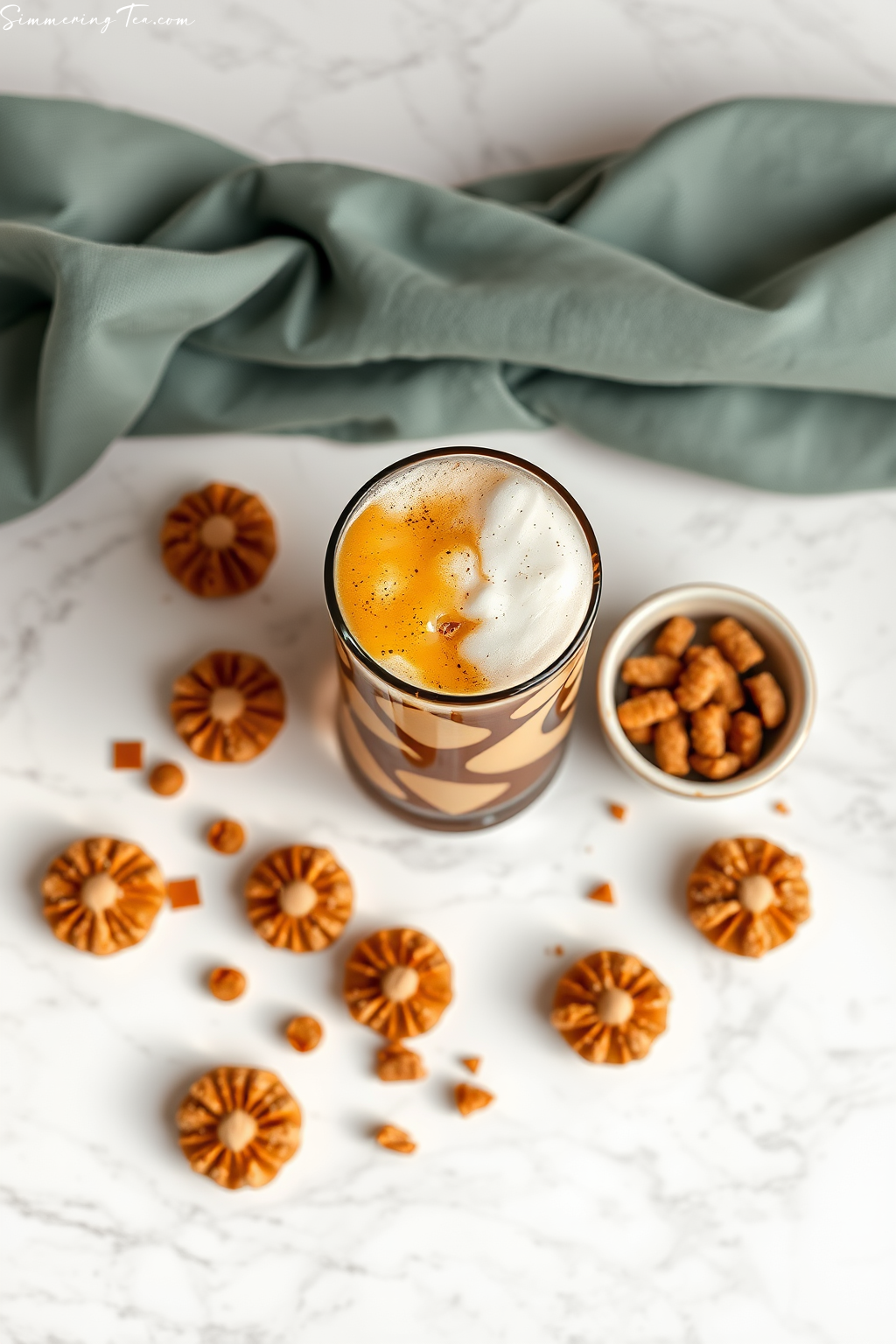
The brown sugar bubble tea craze started in Taiwan around 2018 and quickly went viral worldwide. The dramatic tiger-stripe pattern of caramelized brown sugar syrup coating the cup creates an unmistakable visual signature.
The process: Brown sugar is caramelized and drizzled on the cup’s interior before adding fresh-cooked, warm tapioca pearls tossed in more brown sugar. Fresh milk pours over top, creating marbled patterns as the syrups swirl.
Best enjoyed: Immediately, before mixing, so you can appreciate the visual presentation. Then stir to distribute the sweetness and enjoy the rich, caramel-like flavor.
Cheese Foam Topping: Love It or List It
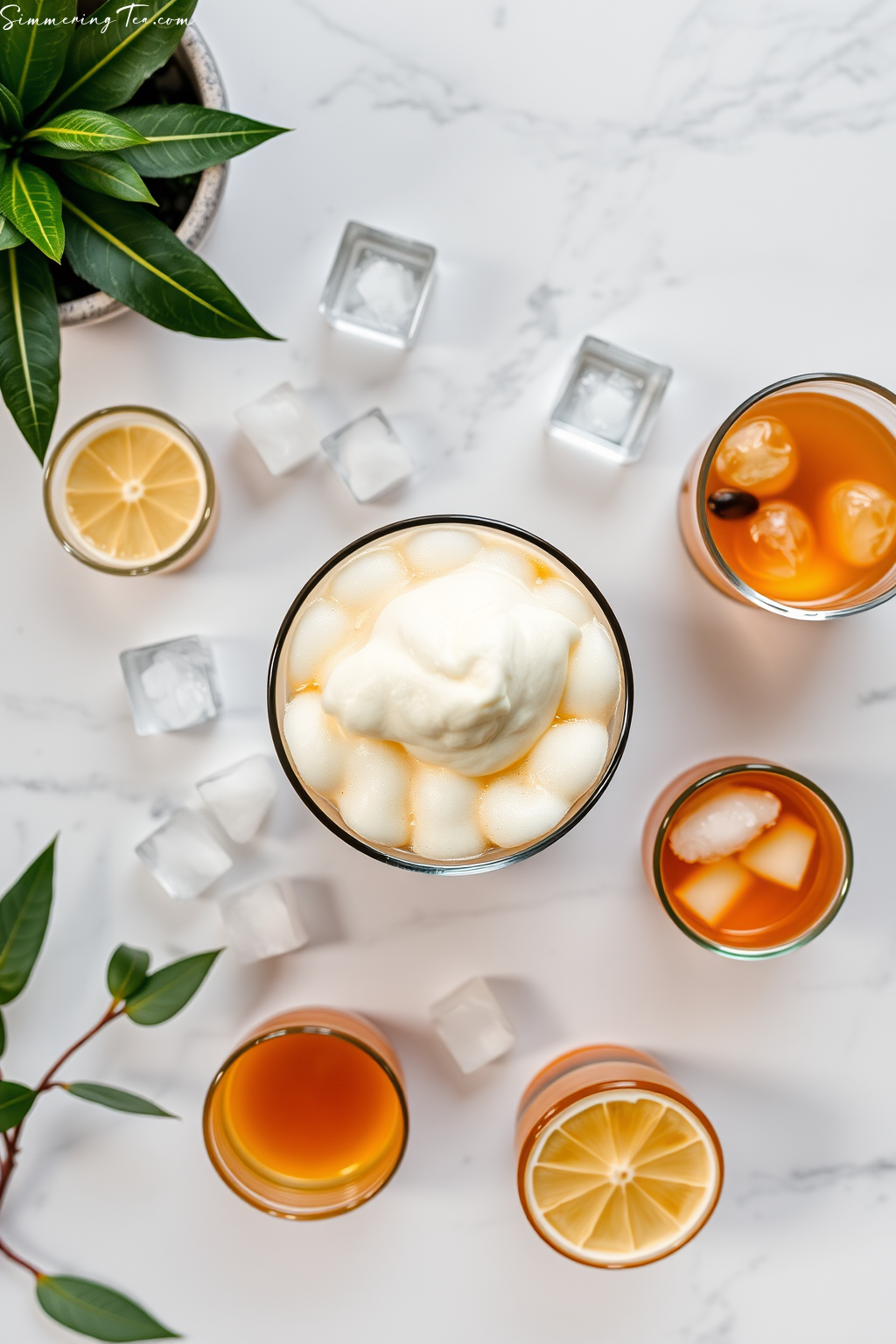
One of bubble tea’s most polarizing trends, cheese foam is a thick layer of whipped cream cheese, milk, and salt that sits atop tea like a savory cloud.
The experience: Sipping through the salty, creamy foam into sweet tea below creates an interesting sweet-savory contrast. It’s similar to the appeal of salted caramel.
Origin: Invented in Taiwan around 2010, cheese tea quickly spread throughout Asia before reaching Western markets, where reactions remain mixed.
Coconut Milk Tea: Tropical Creaminess
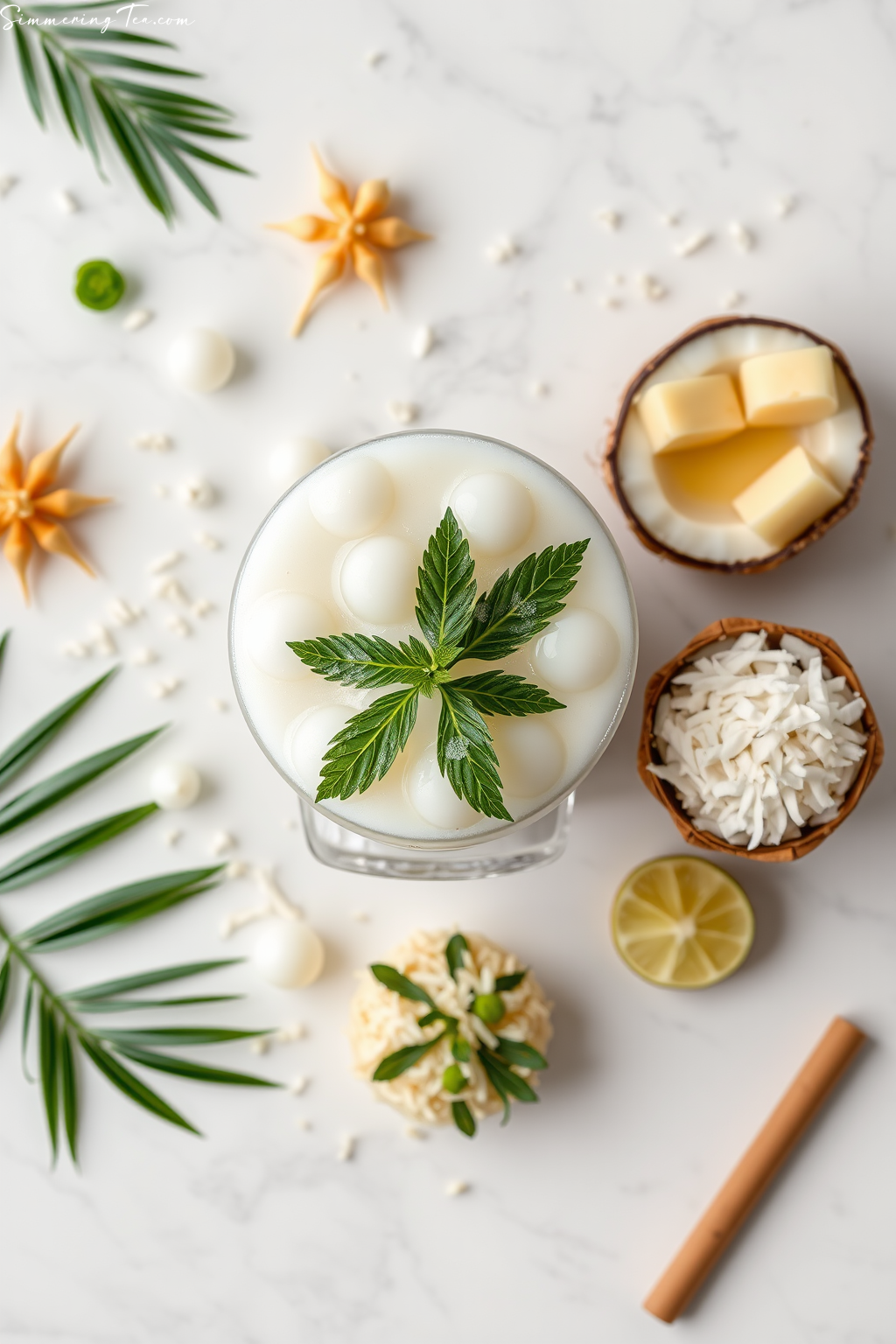
Coconut’s natural sweetness and creamy texture make it perfect for bubble tea. It works both as a flavoring and as a dairy-free milk alternative.
Health appeal: Coconut milk offers a vegan, lactose-free option that’s naturally sweet and creamy. It pairs especially well with tropical fruit flavors like mango or pineapple.
Mango Bubble Tea: Tropical Paradise
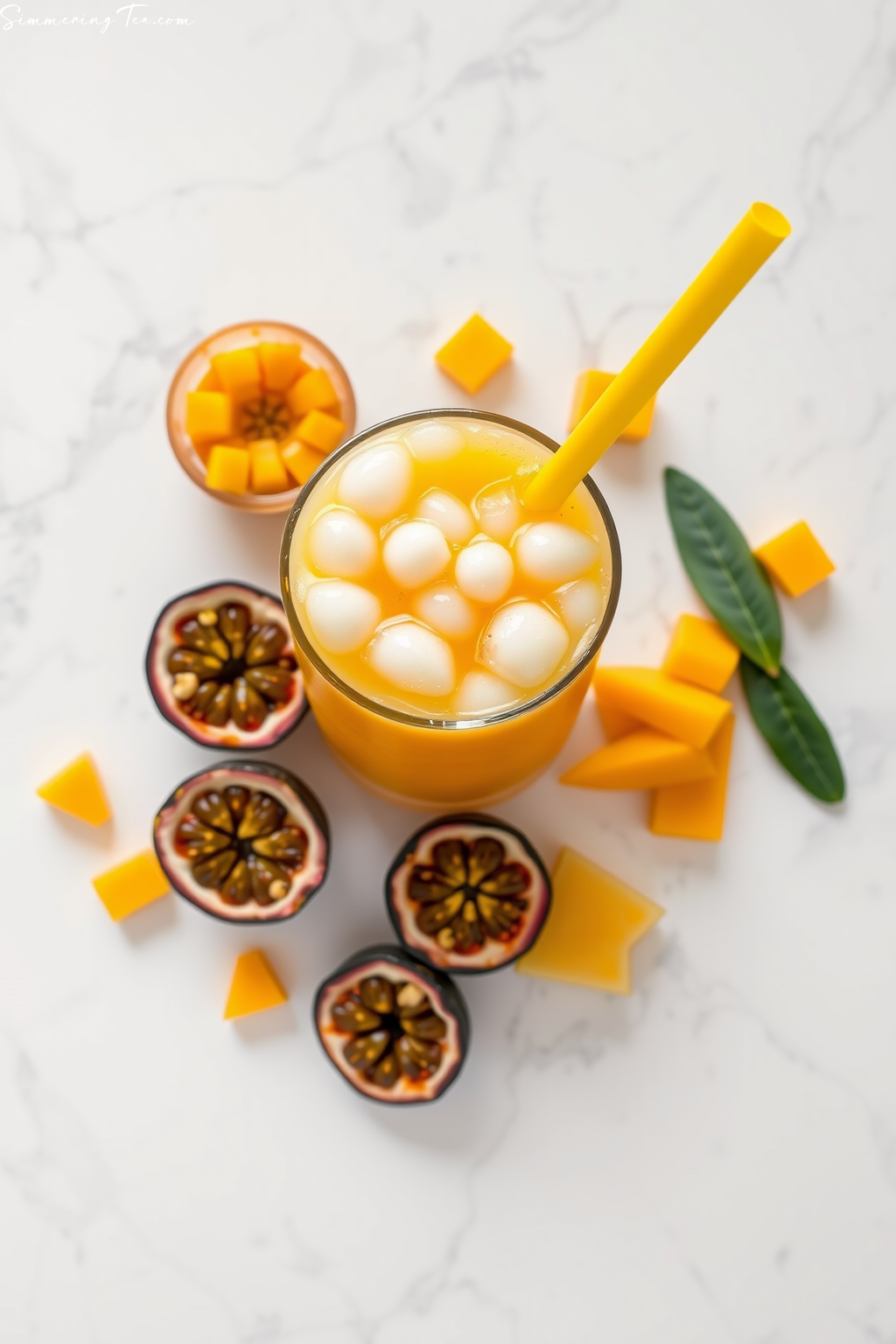
Mango’s lush sweetness and vibrant color make it a bubble tea superstar. Fresh mango puree creates the best flavor, capturing the fruit’s tropical essence.
Variations: Mango pairs beautifully with passionfruit for tropical punch, or with coconut for piña colada vibes. Green tea base keeps it light, black tea adds depth.
Classic Milk Tea: The Original
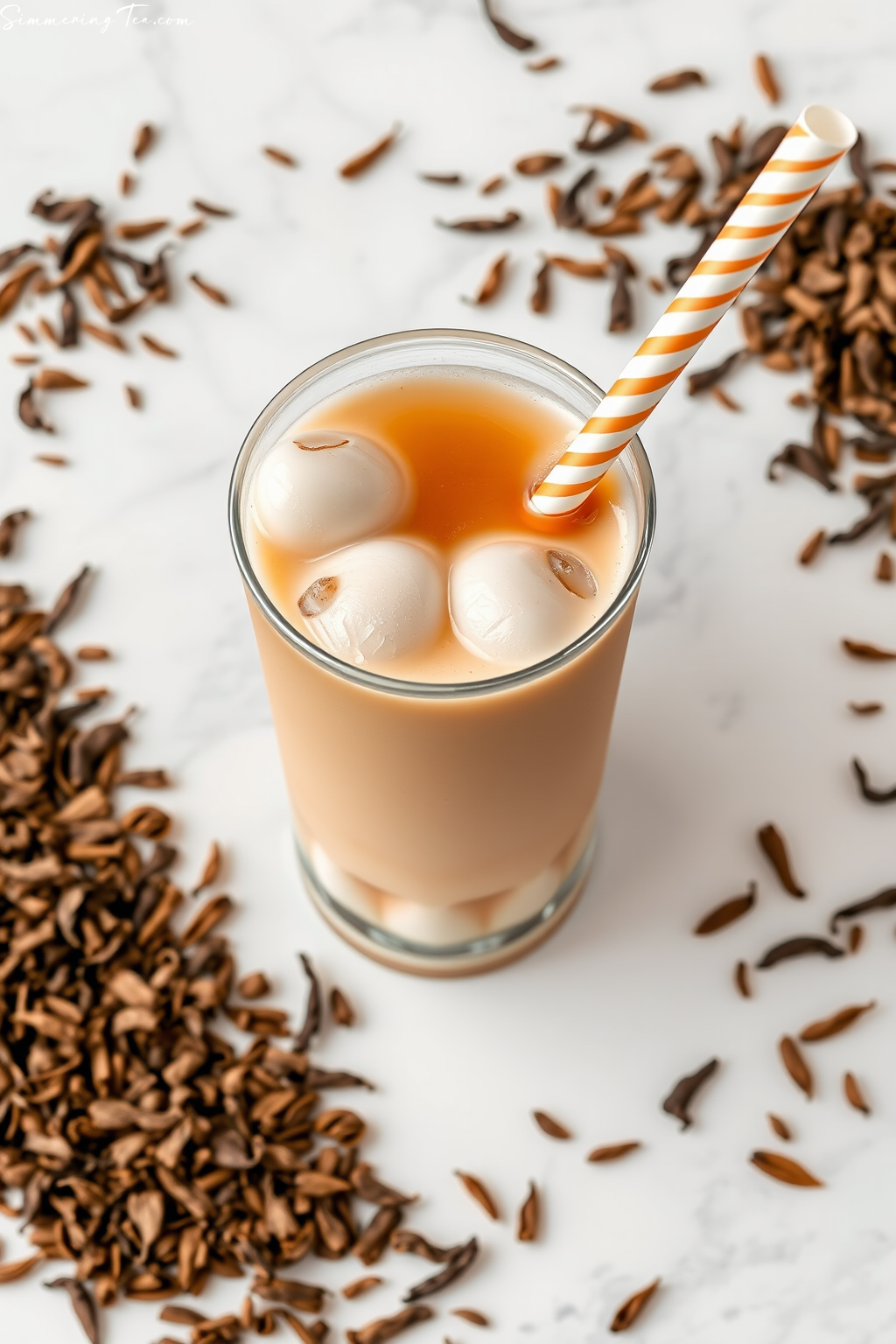
This is where it all began—strong black tea (usually Ceylon or Assam) mixed with milk or cream, sweetened, and served over ice with chewy tapioca pearls.
Why it endures: Classic milk tea’s straightforward tea-milk-sugar combination lets the quality of ingredients shine. Great tea, properly brewed, needs no gimmicks.
Customization: Adjust sweetness level (0%, 25%, 50%, 75%, 100%), ice amount, and choose between dairy milk, non-dairy alternatives, or half-and-half.
Oreo Bubble Tea: Cookies & Cream
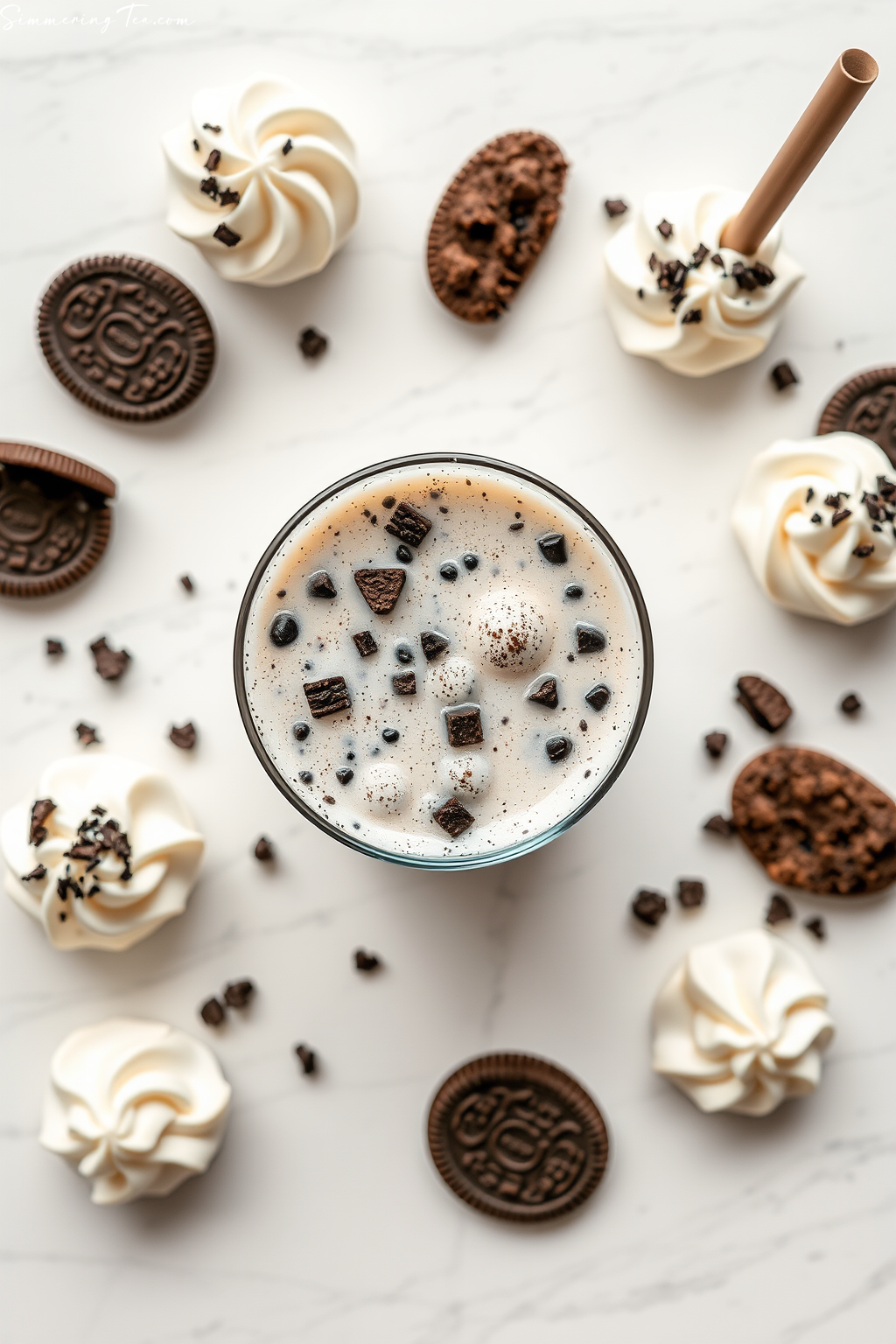
Crushed Oreos blended into milk tea create a drinkable dessert that tastes like cookies and cream ice cream. Popular with younger drinkers and those new to bubble tea.
The appeal: Familiar cookie flavor makes this an easy entry point for bubble tea beginners. It’s dessert in a cup—indulgent, sweet, and fun.
Red Bean Milk Tea: Traditional Asian Sweet
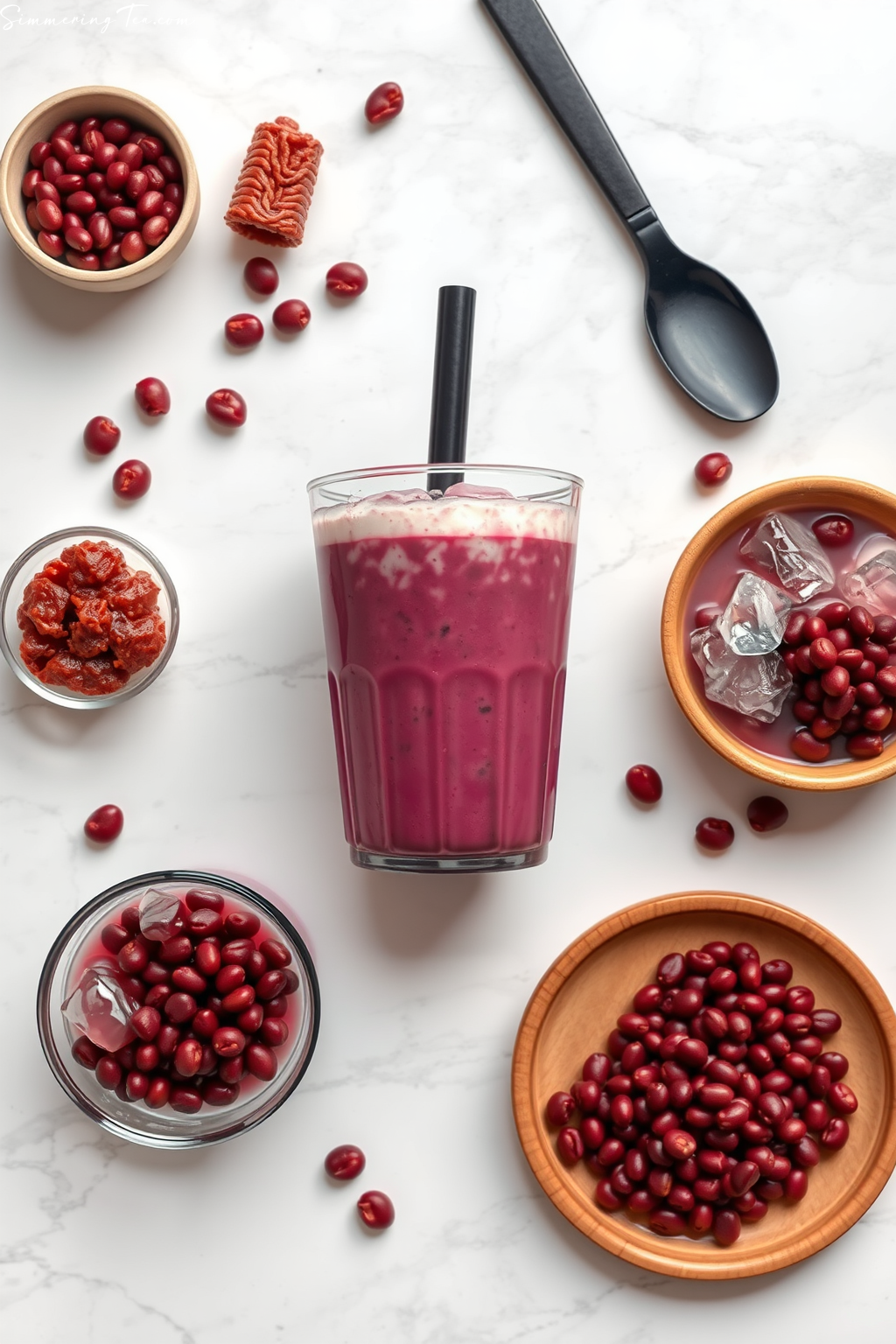
Sweetened red bean paste is a beloved Asian dessert flavor that translates beautifully to milk tea. The earthy sweetness and creamy texture offer something different from fruit flavors.
Cultural appreciation: Red bean desserts have centuries of history in East Asian cuisine. This bubble tea flavor connects to traditional sweets while adapting them for modern tastes.
Strawberry Bubble Tea: Berry Delicious
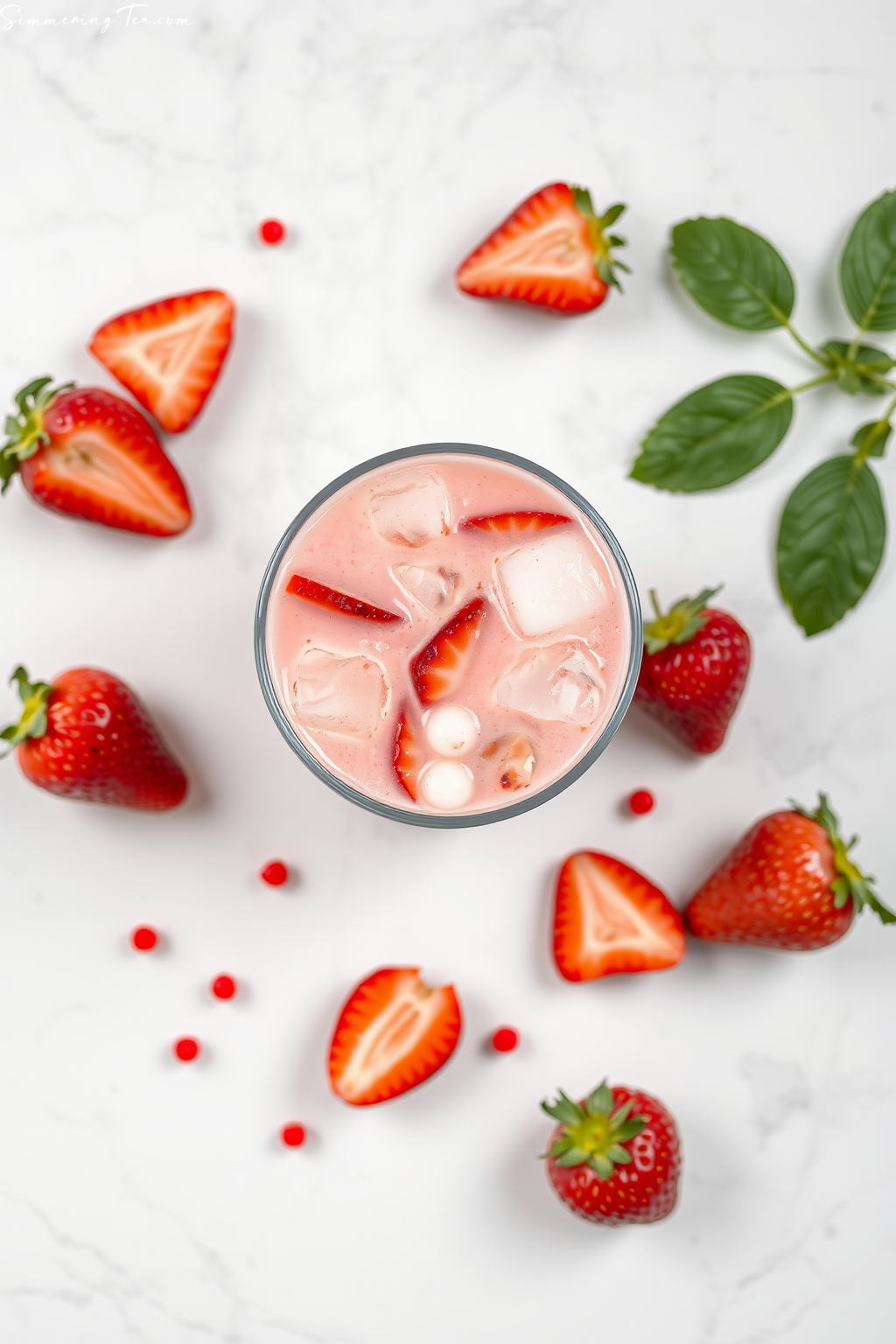
Strawberry’s sweet-tart flavor and pink color make it one of the most popular bubble tea choices, especially for fruit tea bases.
Fresh vs. flavored: Fresh strawberry puree delivers superior flavor but requires seasonal fruit. Strawberry syrup provides consistent flavor year-round.
Thai Tea: Orange Crush
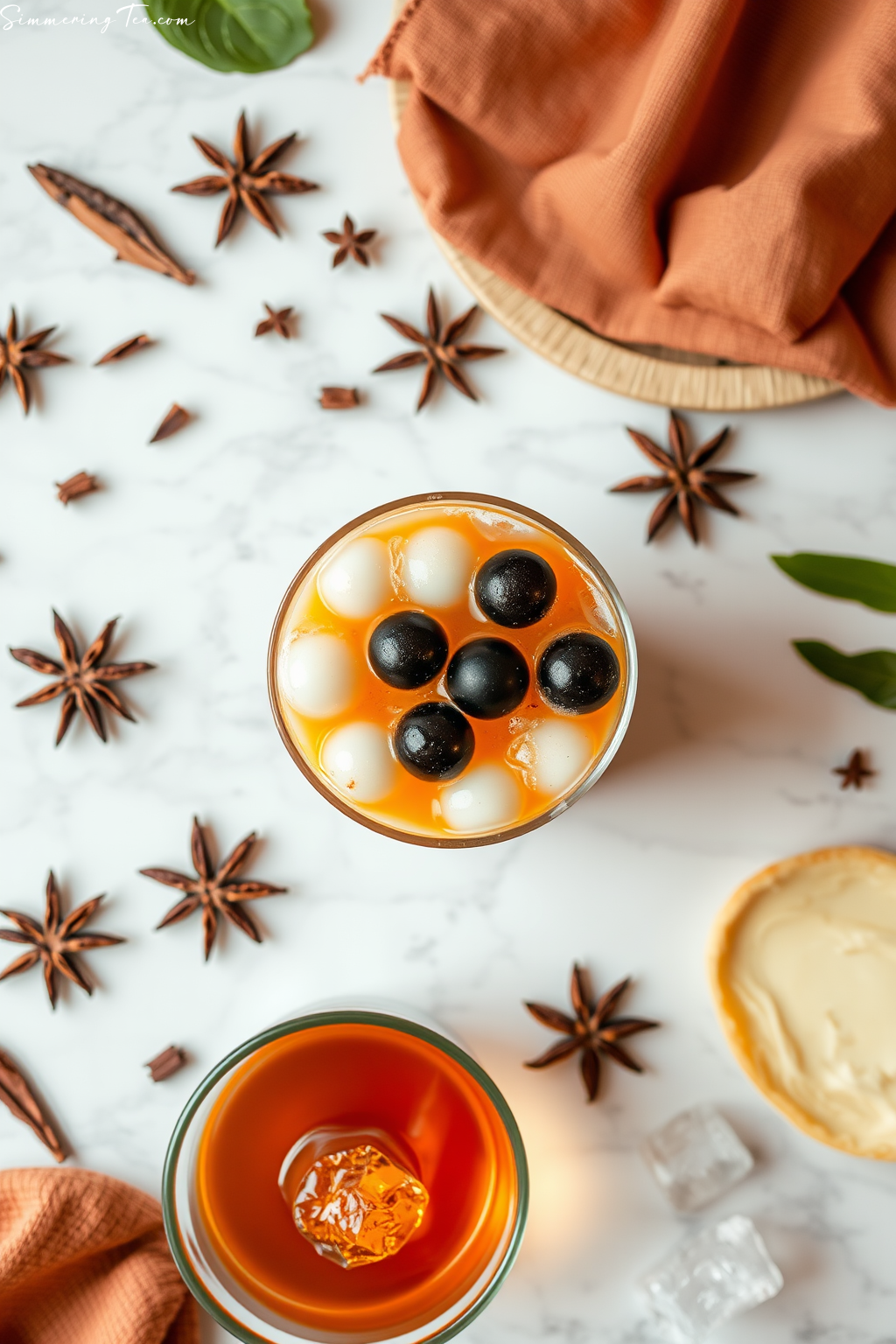
That distinctive orange color comes from strongly brewed black tea mixed with condensed milk and spices like star anise, cardamom, and vanilla. Thai tea’s creamy sweetness and warming spices create addictive flavor.
Street food heritage: Thai tea originated as affordable refreshment from street vendors. Adding boba pearls bridges Thai and Taiwanese street food cultures.
Wintermelon Milk Tea: Subtle Tradition
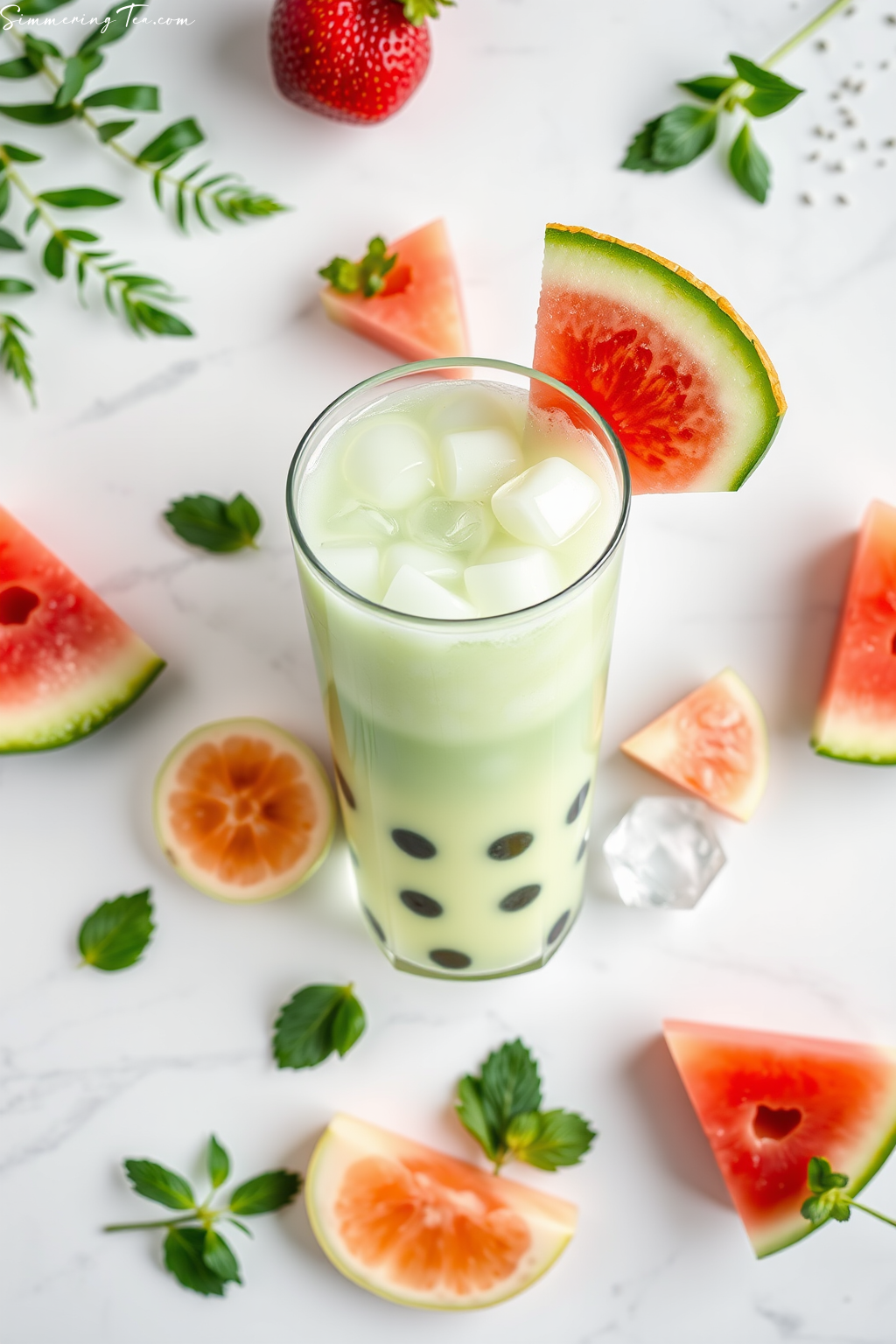
Wintermelon tea, made from the candied fruit’s syrup, offers subtle, refreshing sweetness different from typical fruit flavors. It’s less sweet than many options, with delicate, almost cucumber-like freshness.
Traditional medicine: In Chinese culture, wintermelon tea is believed to have cooling properties perfect for hot weather, making it both refreshing and restorative.
Part 3: Wellness & Body Teas – Healing in Every Sip
Tea’s medicinal properties have been recognized for thousands of years. Modern wellness teas continue this tradition, combining herbs, spices, and botanicals to support health goals from better sleep to improved digestion.
Chamomile Lavender: Sleep’s Best Friend
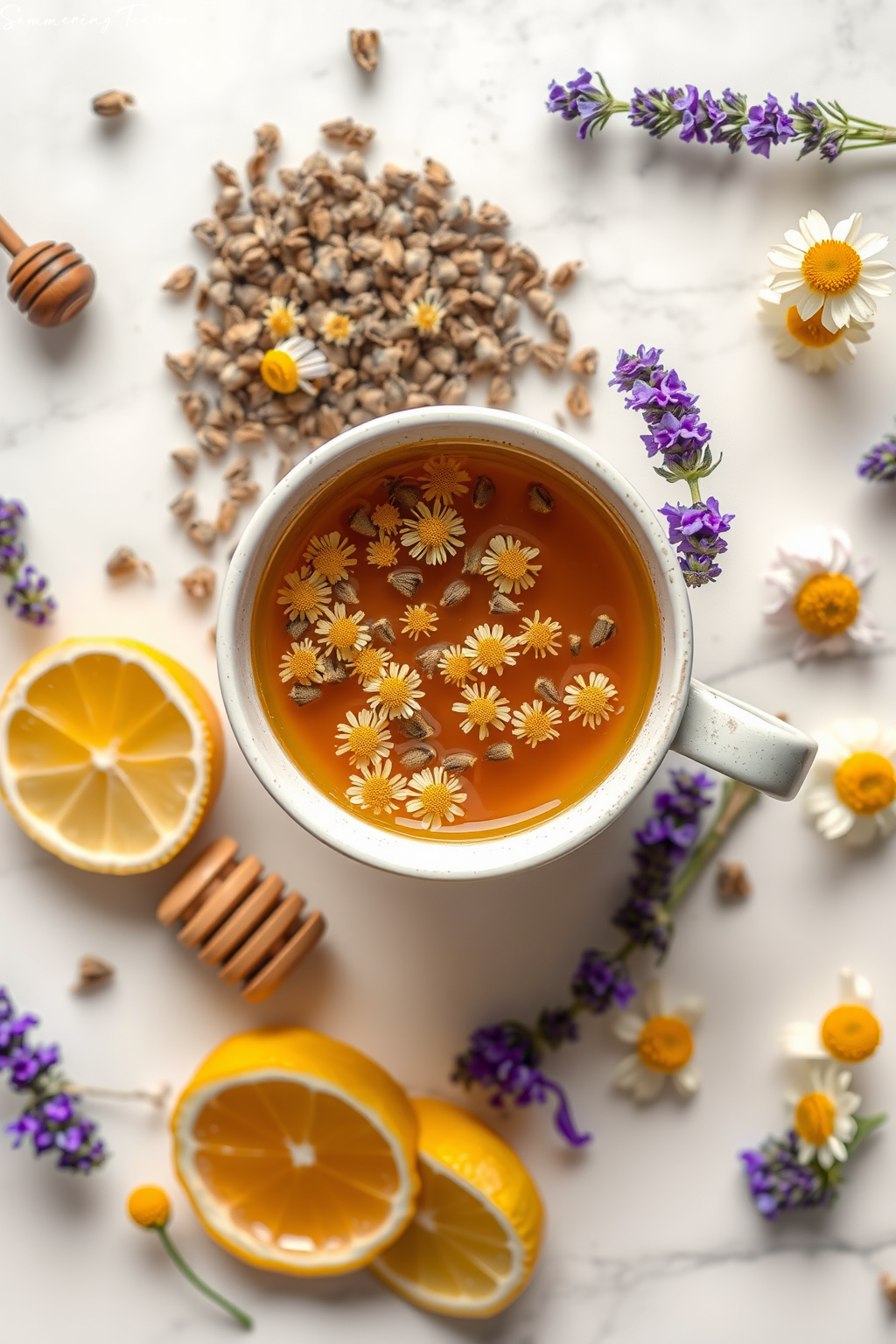
This dreamy blend combines two of nature’s most effective relaxants. Chamomile contains apigenin, an antioxidant that binds to brain receptors promoting sleepiness. Lavender’s aromatherapeutic properties reduce anxiety and improve sleep quality.
Best for: Evening wind-down routines, reducing stress, promoting restful sleep. Sip 30-60 minutes before bed.
Flavor profile: Chamomile’s apple-like sweetness balances lavender’s floral intensity. Together they create a soothing, gentle cup.
Ginger Lemon: Immune Boost
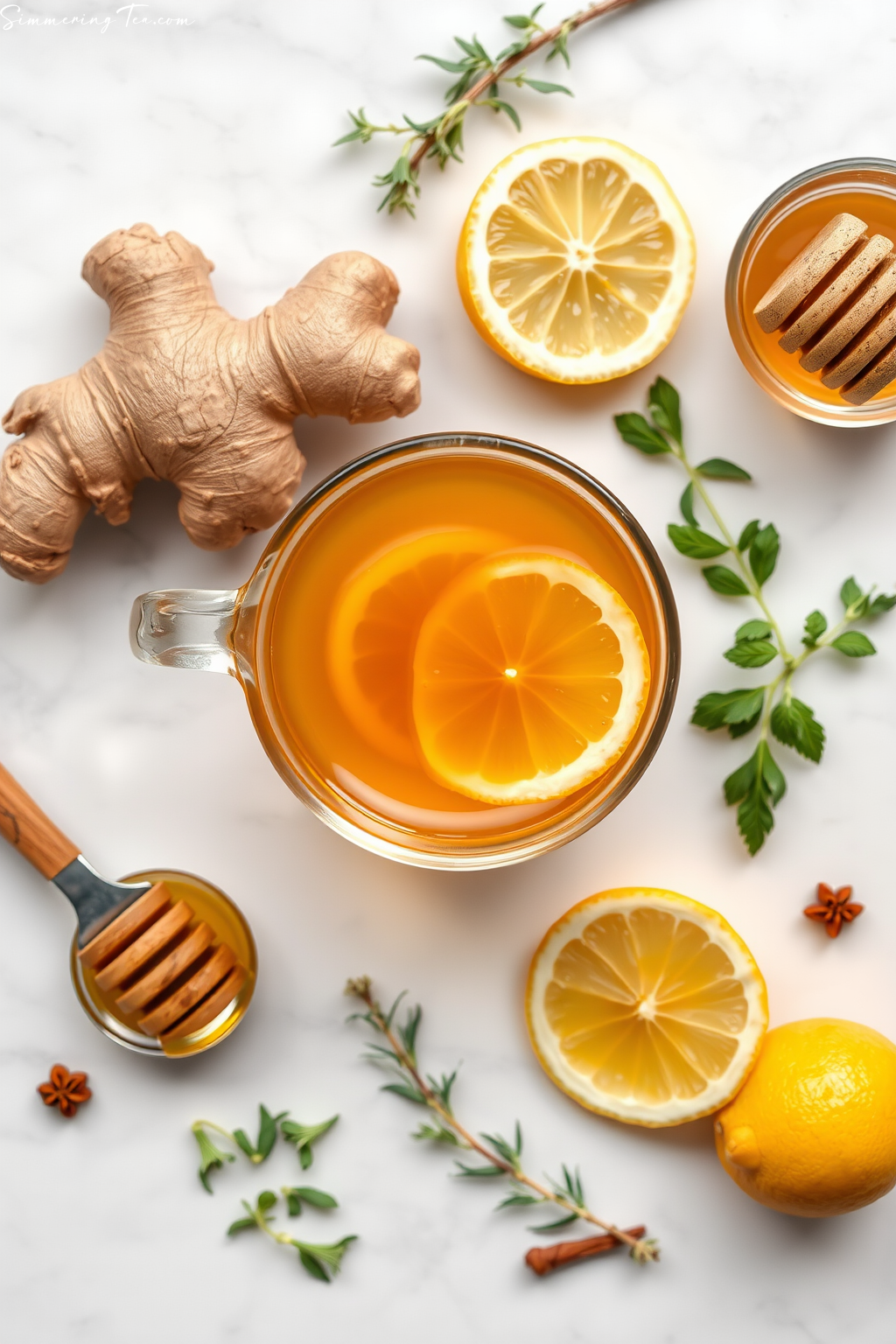
Fresh ginger’s anti-inflammatory compounds combined with lemon’s vitamin C create a powerful immune-supporting beverage. The warming, spicy ginger soothes sore throats while lemon’s acidity aids digestion.
Making it fresh: Slice fresh ginger root (don’t peel—the skin contains beneficial compounds), steep in boiling water for 5-10 minutes, add fresh lemon juice and honey to taste.
When to drink: At the first sign of a cold, to warm up on cold days, or to settle an upset stomach after rich meals.
Hibiscus: Heart Health in a Cup
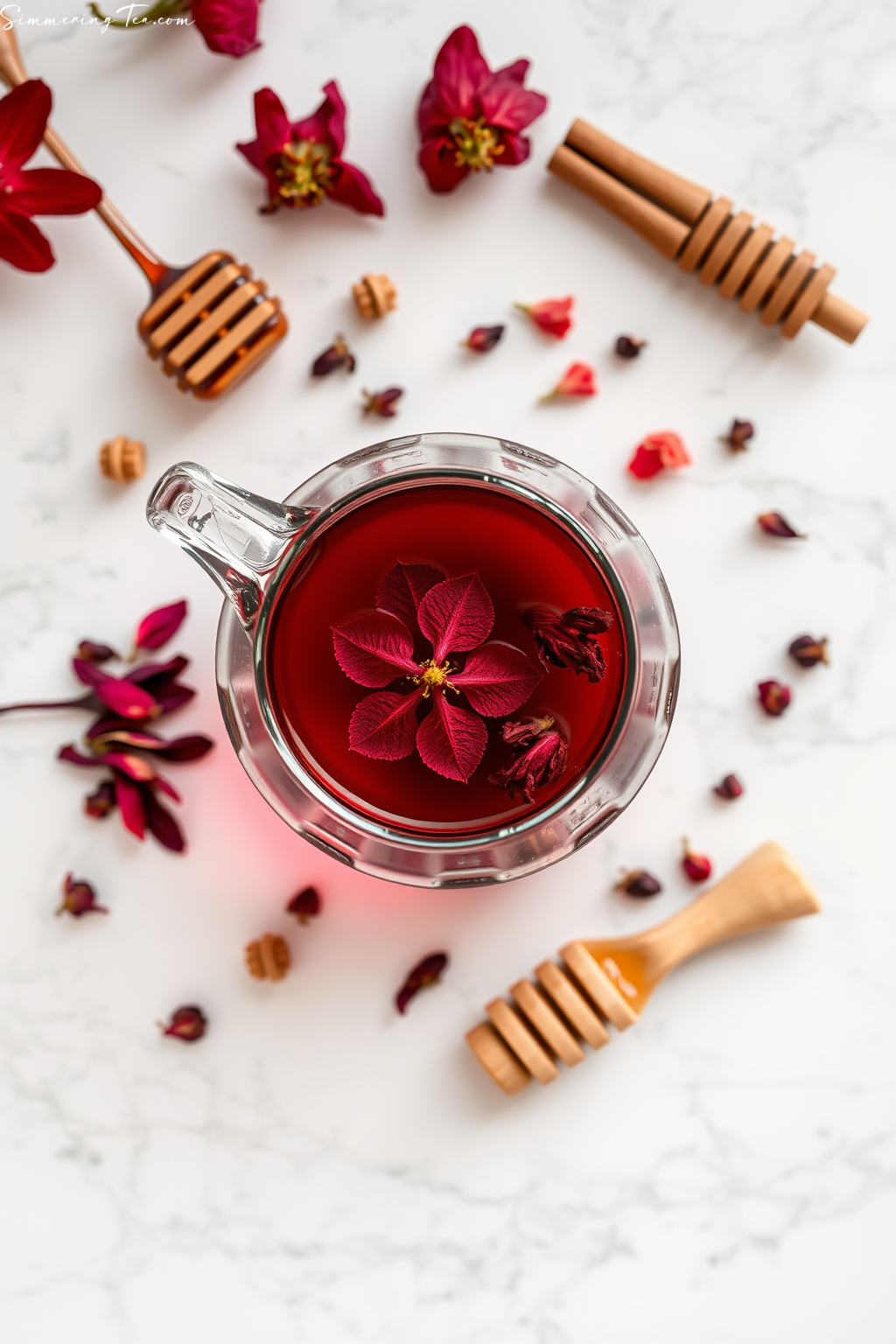
Dried hibiscus flowers create a stunning ruby-red tea with tart, cranberry-like flavor. Rich in anthocyanins and vitamin C, hibiscus has been shown to help lower blood pressure and cholesterol levels.
Hot or cold: Hibiscus is delicious both ways. Cold-brewed hibiscus makes a refreshing summer drink, while hot hibiscus with honey soothes winter colds.
Flavor enhancers: Add mint for freshness, ginger for warmth, or cinnamon for spice. Sweetened hibiscus is popular in Mexico (agua de jamaica) and throughout the Caribbean.
Lemon Ginger Honey: Nature’s Cold Remedy
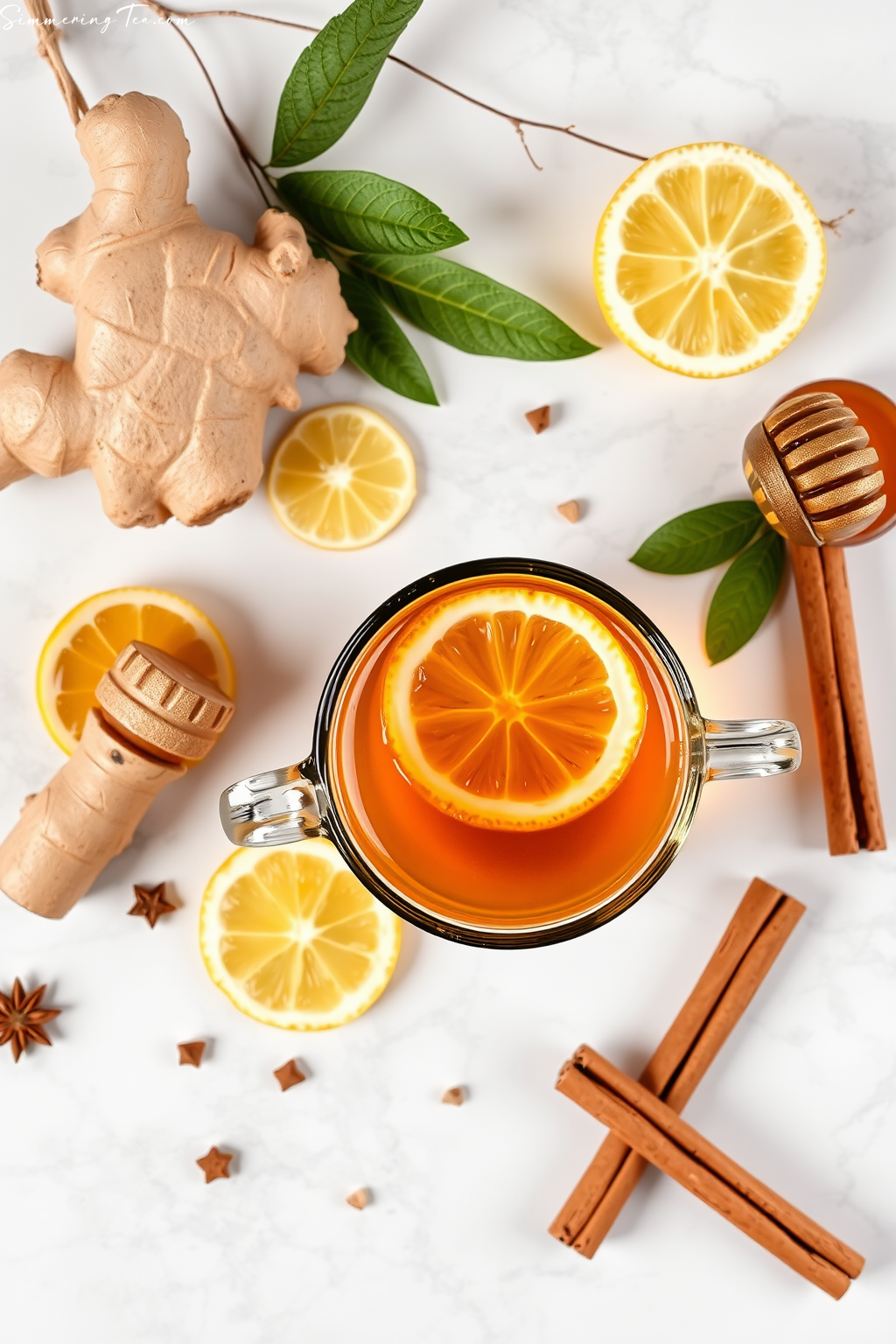
This holy trinity of natural remedies combines antimicrobial honey, anti-inflammatory ginger, and vitamin C-rich lemon for a powerful healing brew.
Raw honey benefits: Contains enzymes, antioxidants, and antimicrobial properties. Add honey after the water cools slightly (below 140°F/60°C) to preserve beneficial enzymes.
Preparation tip: Make a concentrate by blending fresh ginger with lemon juice and honey. Store in the refrigerator and add hot water when needed for instant relief.
Moringa Green Tea: Superfood Fusion
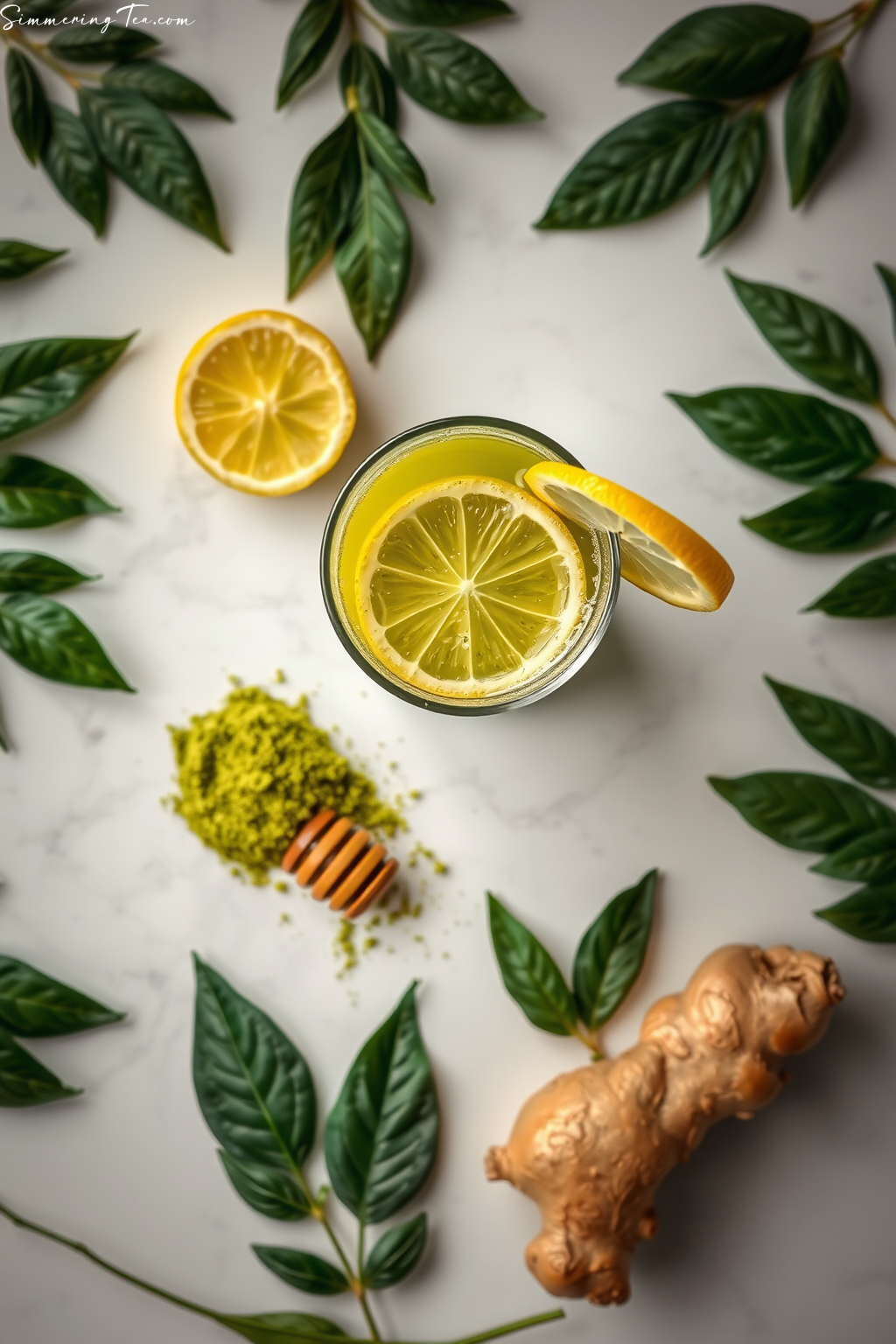
Moringa, called the “miracle tree,” has leaves packed with vitamins A, C, and E, calcium, potassium, and protein—more nutrients per gram than most vegetables. Combined with green tea’s antioxidants, this creates a nutritional powerhouse.
Energy boost: Unlike coffee’s jittery spike, moringa provides sustained energy from its nutrient density. Combined with green tea’s moderate caffeine, it creates balanced, lasting alertness.
Flavor notes: Moringa has a slightly earthy, spinach-like flavor that pairs well with green tea’s grassy notes. Add lemon or mint to brighten.
Nettle Cleanse: Nature’s Detoxifier
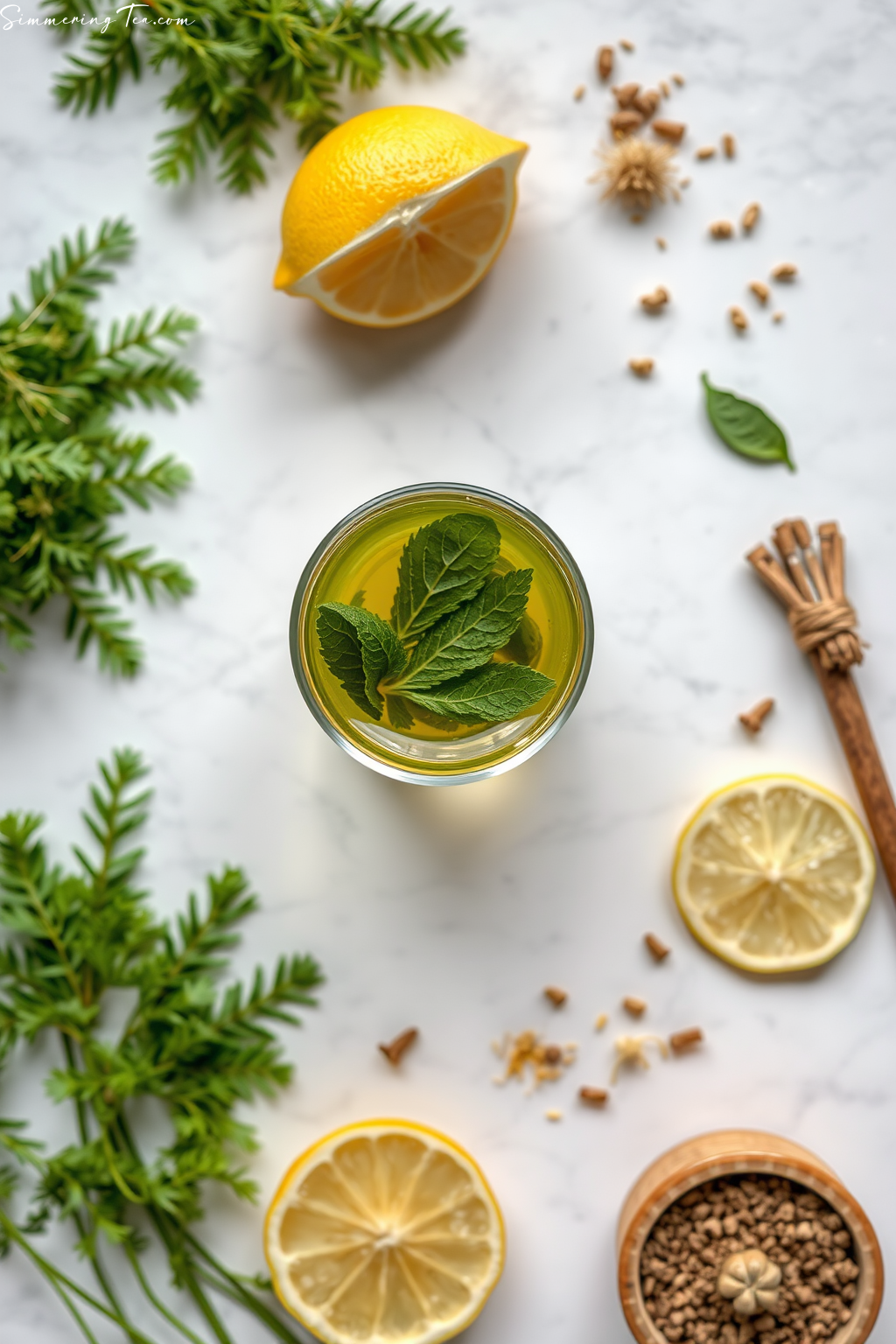
Stinging nettle, despite its fearsome reputation, makes a mineral-rich tea that supports kidney function, reduces inflammation, and provides iron, calcium, and magnesium.
Detox properties: Nettle acts as a diuretic, helping the body eliminate excess water and toxins. It supports liver and kidney function naturally.
Allergy relief: Nettle contains compounds that may reduce histamine production, making it helpful for seasonal allergies when taken preventatively.
Peppermint Digestive: After-Meal Essential
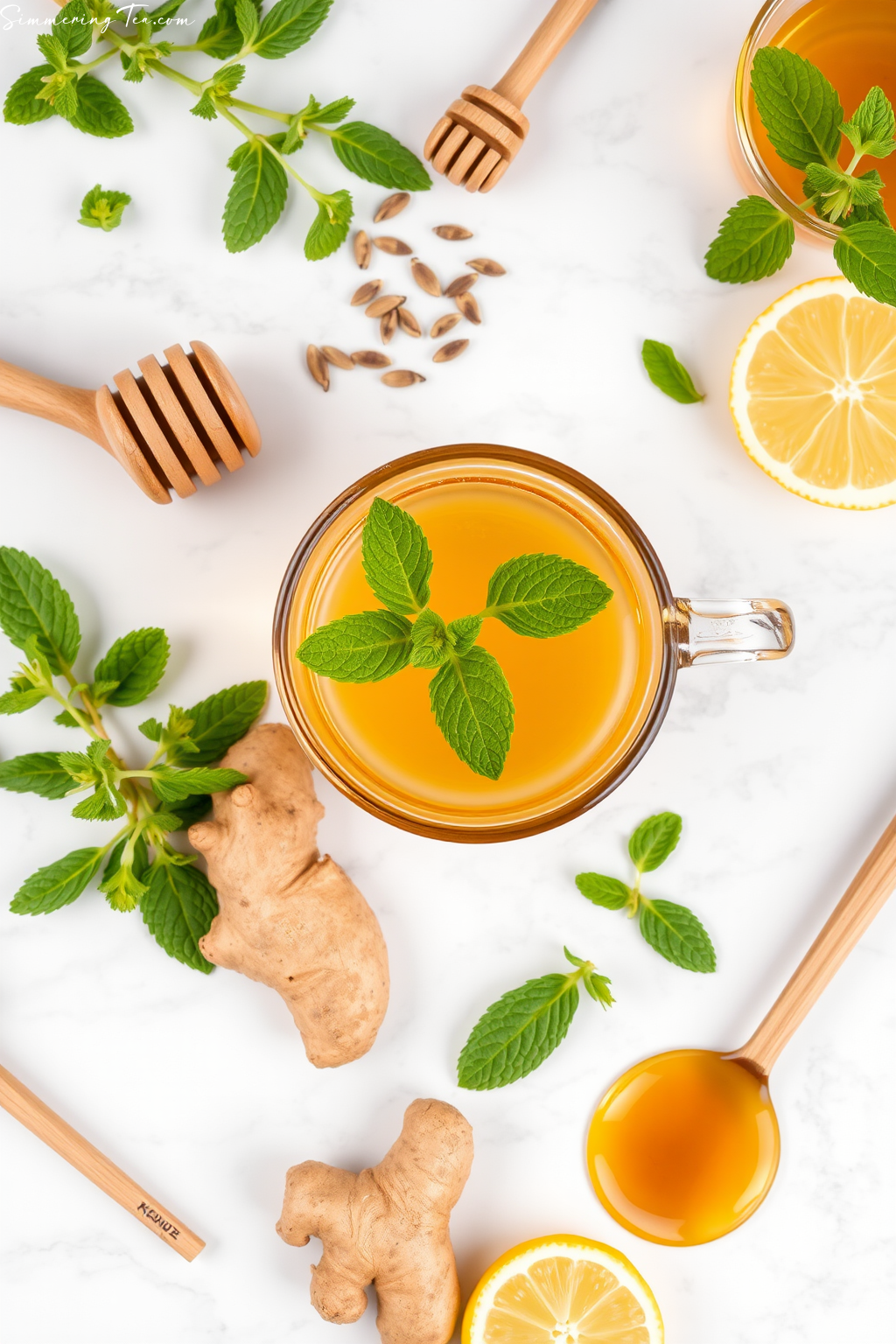
Peppermint’s menthol content relaxes the muscles of the digestive tract, reducing bloating, gas, and indigestion. It’s one of the most researched herbal remedies for digestive issues.
IBS relief: Studies show peppermint oil capsules significantly reduce IBS symptoms. Peppermint tea offers gentler support for general digestive discomfort.
Breath freshener: Peppermint’s antimicrobial properties and fresh flavor make it excellent for oral hygiene and fresh breath.
Rooibos Vanilla: Caffeine-Free Comfort
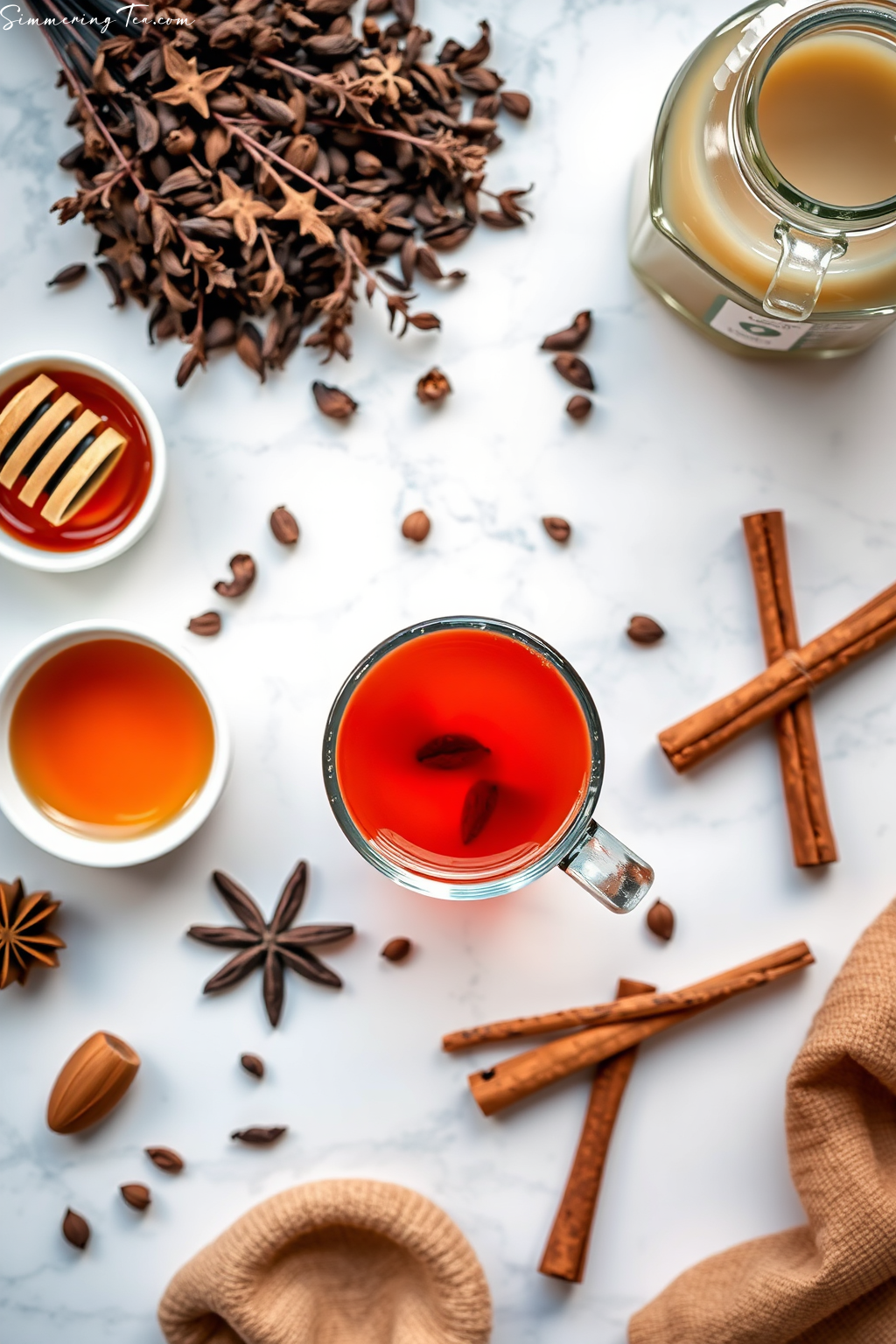
South African rooibos (red bush) is naturally caffeine-free, low in tannins, and rich in antioxidants. Its naturally sweet, slightly nutty flavor pairs beautifully with vanilla for a comforting evening drink.
Health benefits: Contains aspalathin and quercetin, powerful antioxidants. May support heart health, reduce inflammation, and help regulate blood sugar.
Safe for everyone: Caffeine-free and safe for children, pregnant women, and those sensitive to caffeine. Can be enjoyed any time without affecting sleep.
Turmeric Golden Milk: Anti-Inflammatory Power
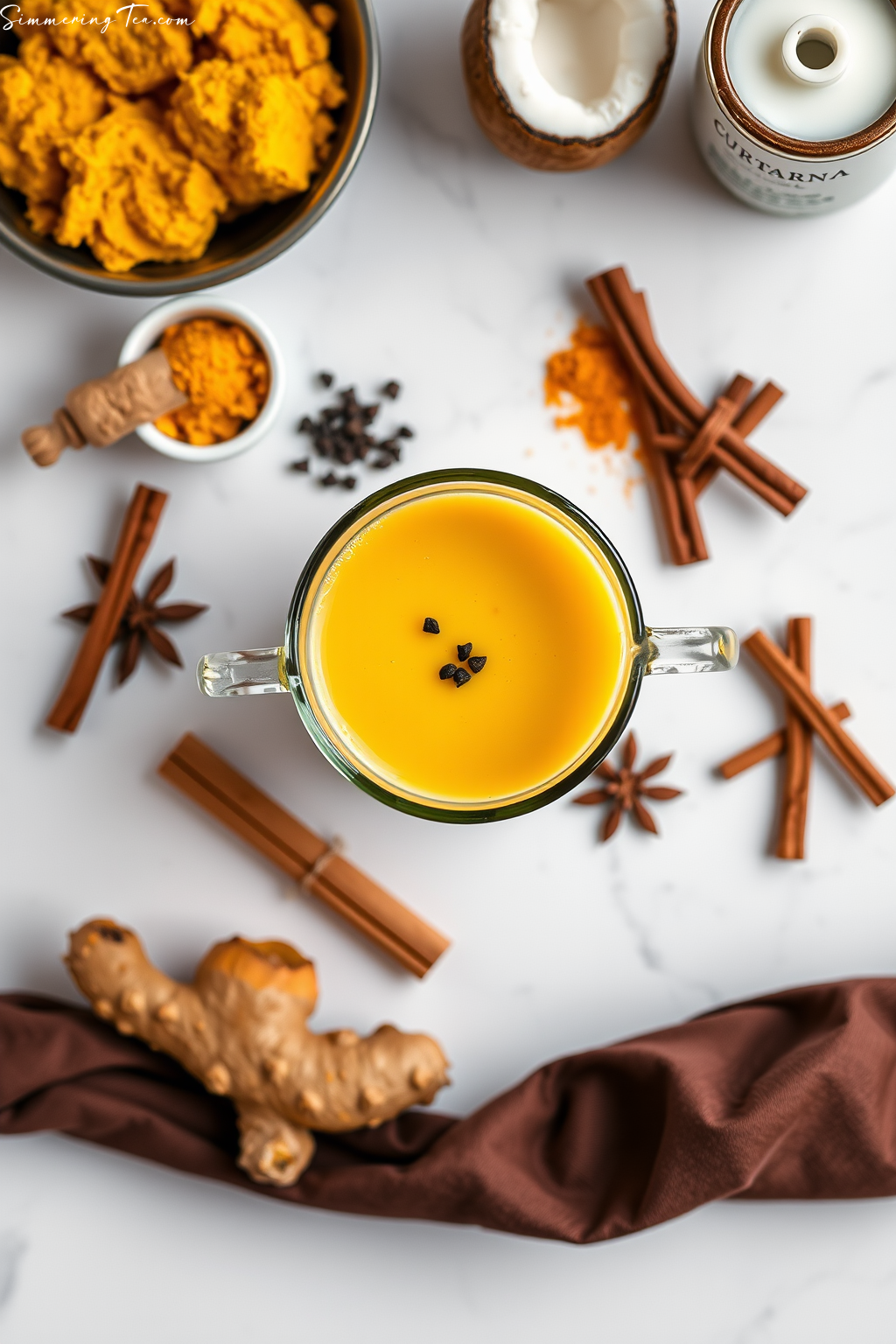
Golden milk (haldi doodh) combines turmeric with warm milk and spices for a healing beverage from Ayurvedic tradition. Turmeric’s curcumin is a potent anti-inflammatory and antioxidant.
The formula: Turmeric, black pepper (enhances curcumin absorption by 2000%), ginger, cinnamon, and honey mixed into warm milk. The black pepper is crucial—without it, your body absorbs very little curcumin.
Benefits: Reduces inflammation, supports joint health, aids digestion, and may improve mood. The warming spices make it especially comforting before bed.
Herbal Detox Blend: Complete Cleanse
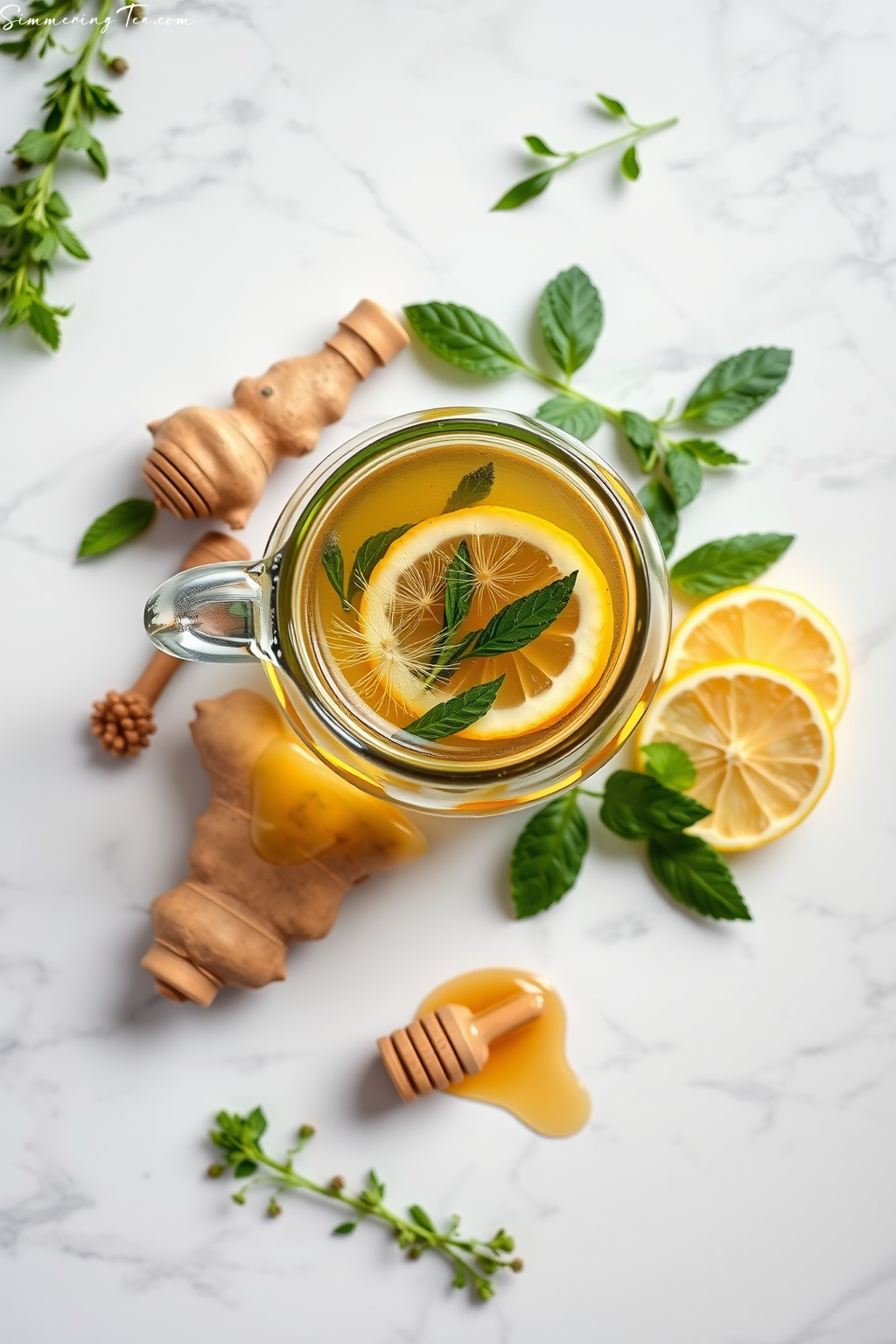
Detox tea blends typically combine dandelion (liver support), nettle (kidney function), ginger (digestion), lemon (vitamin C), and various cleansing herbs to support the body’s natural detoxification systems.
Realistic expectations: “Detox” teas don’t magically remove toxins—your liver and kidneys do that. These herbs support those organs’ natural functions through diuretic effects, antioxidants, and digestive support.
Best use: As part of overall healthy habits including good nutrition, hydration, and exercise—not as a quick fix or replacement for medical care.
Brewing the Perfect Cup
Regardless of which tea style you choose, proper brewing technique enhances flavor and ensures you get maximum benefits:
Water Temperature Matters
- Green tea: 70-80°C (158-176°F) – boiling water burns delicate leaves
- Black tea: 90-95°C (194-203°F) – needs heat to extract fully
- Herbal tea: 100°C (212°F) – boiling water for full extraction
- White tea: 75-85°C (167-185°F) – gentle temperature for subtle flavors
Steeping Time
- Green tea: 1-3 minutes (longer = more bitter)
- Black tea: 3-5 minutes
- Herbal tea: 5-10 minutes
- Oolong tea: 3-5 minutes
Quality Ingredients
Invest in quality loose-leaf tea over tea bags when possible. Loose leaves are less processed and contain more flavor compounds and beneficial antioxidants.
Conclusion: Your Tea Journey Awaits
From the meditative simplicity of Japanese sencha to the playful indulgence of taro bubble tea, from the healing power of ginger-lemon to the energizing jolt of coffee milk tea, the world of modern tea culture offers endless exploration.
Whether you’re drawn to ancient traditions or contemporary innovations, to health benefits or pure pleasure, tea provides a daily ritual that can be as simple or sophisticated as you choose. Each cup offers an opportunity to pause, to savor, and to nourish both body and spirit.
So explore freely. Try that unusual flavor you’ve been curious about. Experiment with brewing techniques. Visit a tea shop and ask questions. Join the global community of tea lovers who understand that this simple leaf, steeped in hot water, creates something far greater than the sum of its parts.
Your perfect cup of tea is out there. Happy sipping!