
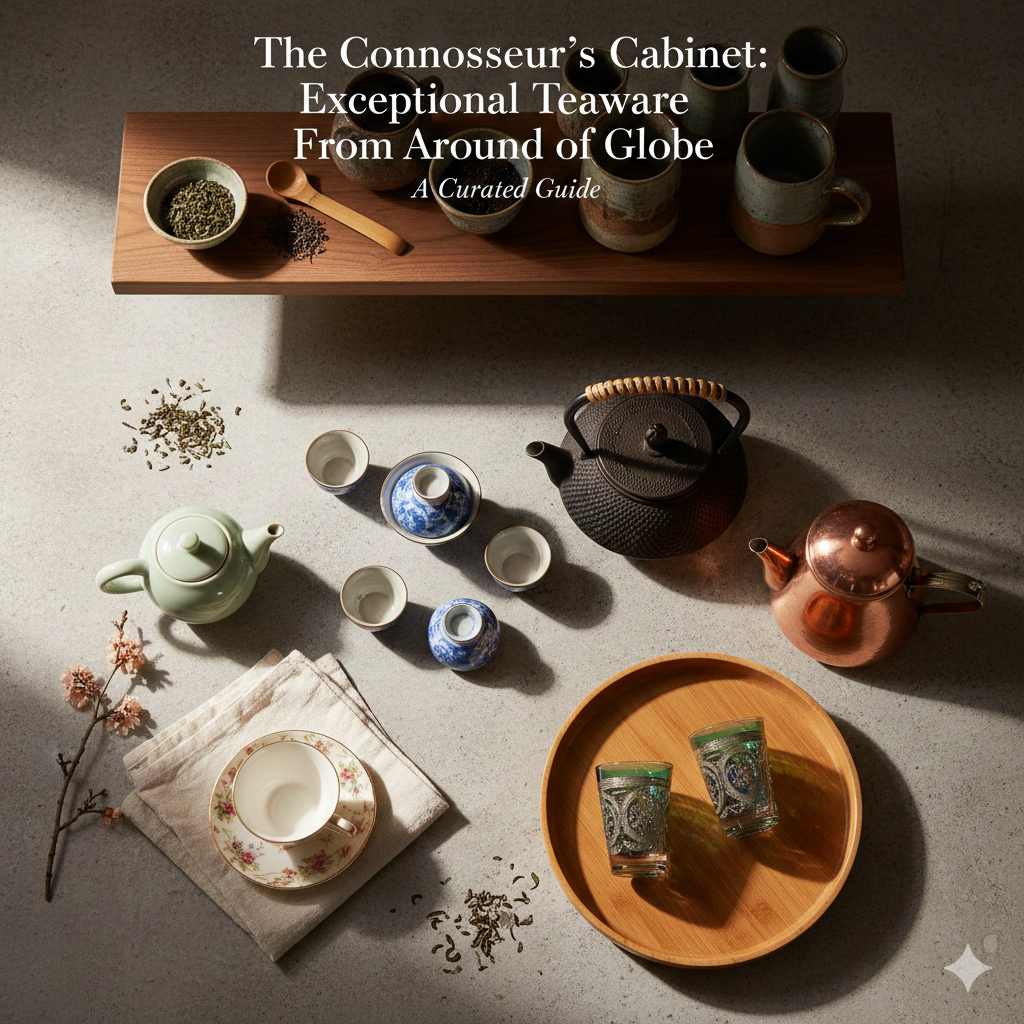
While traditional tea sets have their place, there’s a whole world of extraordinary teaware waiting to be discovered. From ancient Japanese raku firing techniques to contemporary designer innovations, from precious metals to unexpected materials, unique teaware transforms the simple act of brewing tea into a multi-sensory artistic experience.
Whether you’re a collector seeking one-of-a-kind tea cups, an artist appreciating handcrafted ceramics, or someone who wants their teaware to express their personality, this comprehensive guide explores the most unique and extraordinary teaware from around the world.
Artisan Ceramic Techniques: Ancient Methods, Timeless Beauty
Raku: Fire and Smoke Create Magic
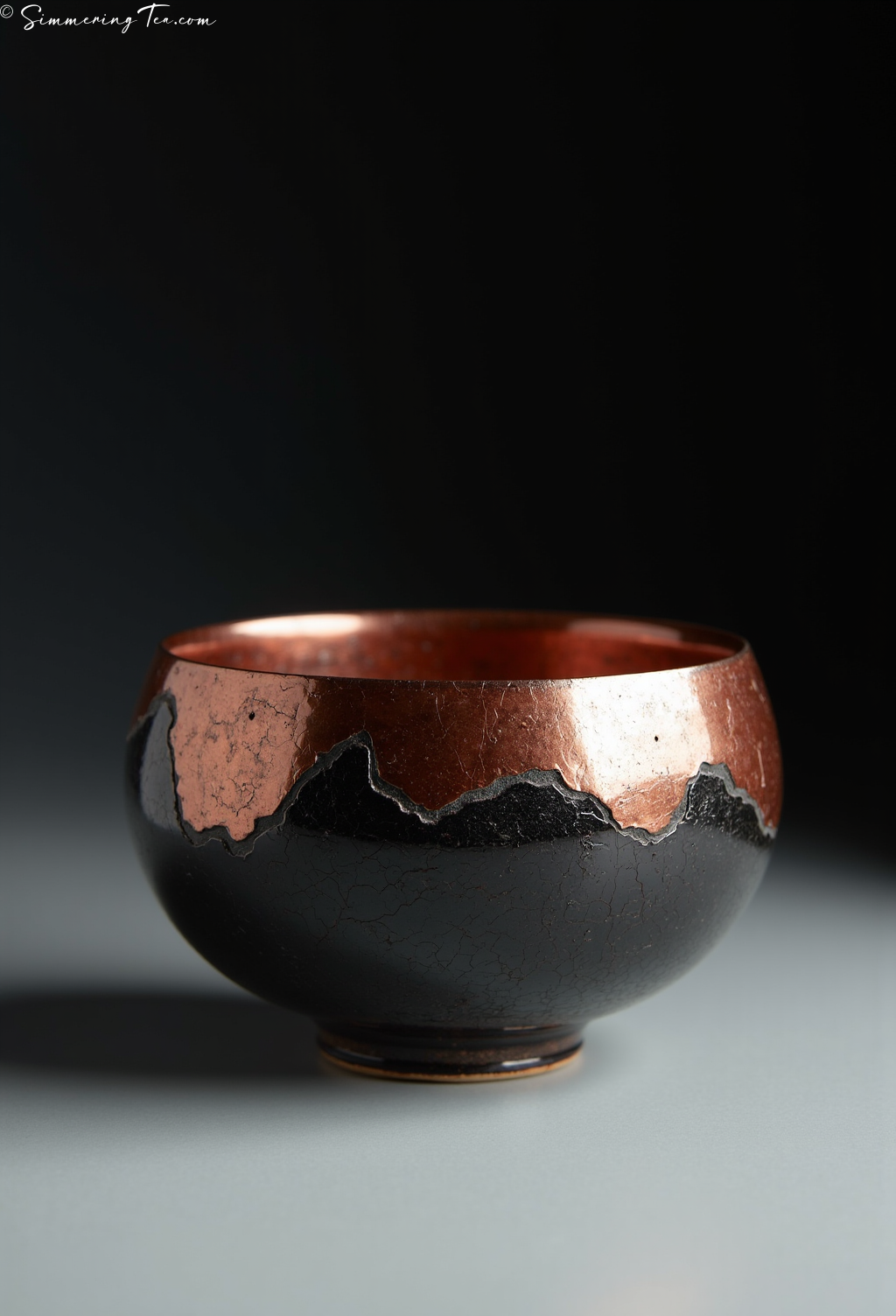
Raku pottery originated in 16th-century Japan specifically for tea ceremonies. The dramatic firing process involves removing pieces from the kiln while red-hot and placing them in combustible materials, creating unpredictable crackle patterns, metallic lusters, and smoky effects.
No two raku tea bowls are identical—each is a unique collaboration between artisan, fire, and chance. The rough, organic aesthetic embodies wabi-sabi philosophy, celebrating imperfection and transience.
Celadon: The Jade of Ceramics
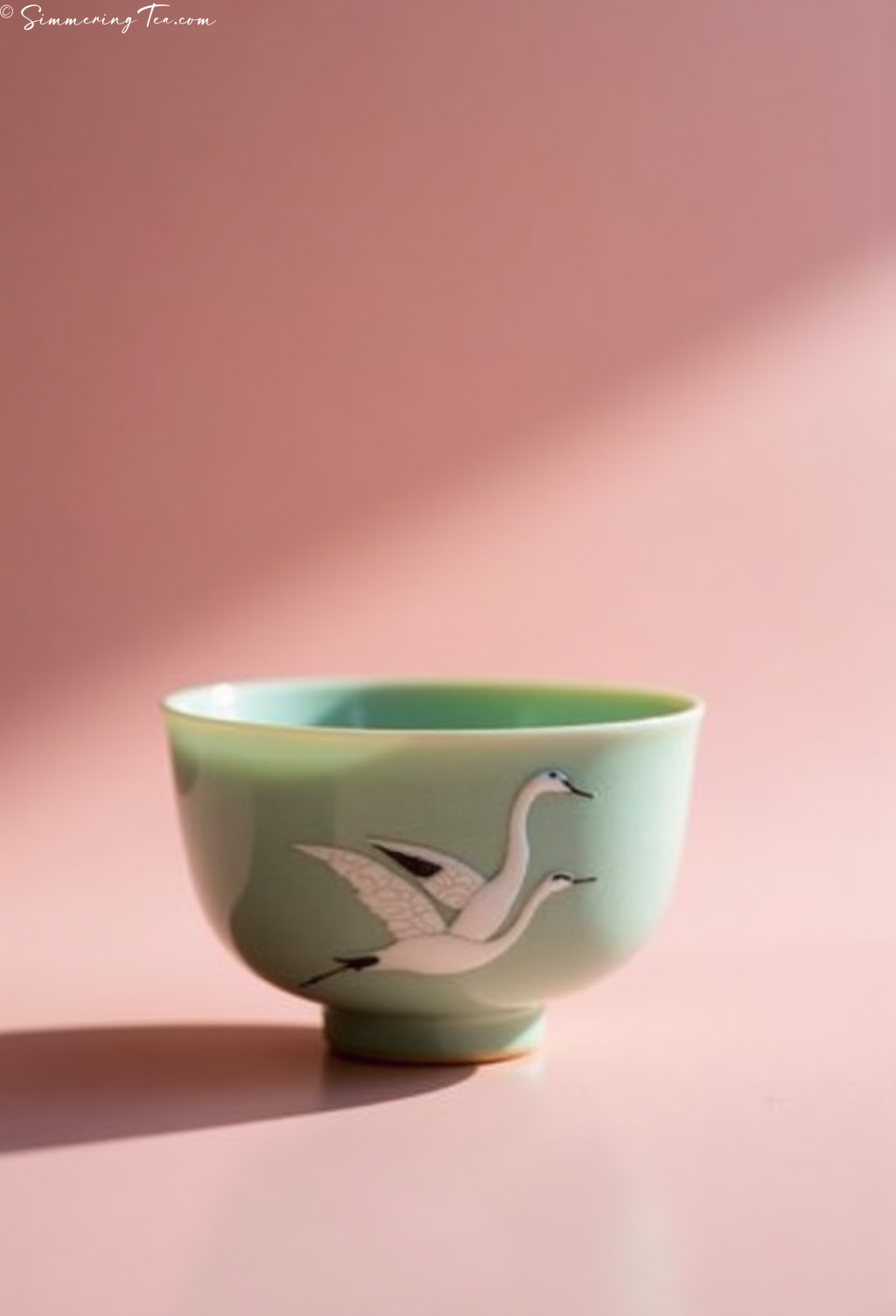
Celadon glaze, developed in China over a thousand years ago, creates luminous jade-green surfaces that seem to glow from within. Korean celadon from the Goryeo dynasty is particularly prized for its translucent, ethereal quality.
The depth and subtlety of celadon glazes make these pieces meditative focal points—perfect companions for contemplative tea drinking.
Wabi-Sabi: Finding Beauty in Imperfection
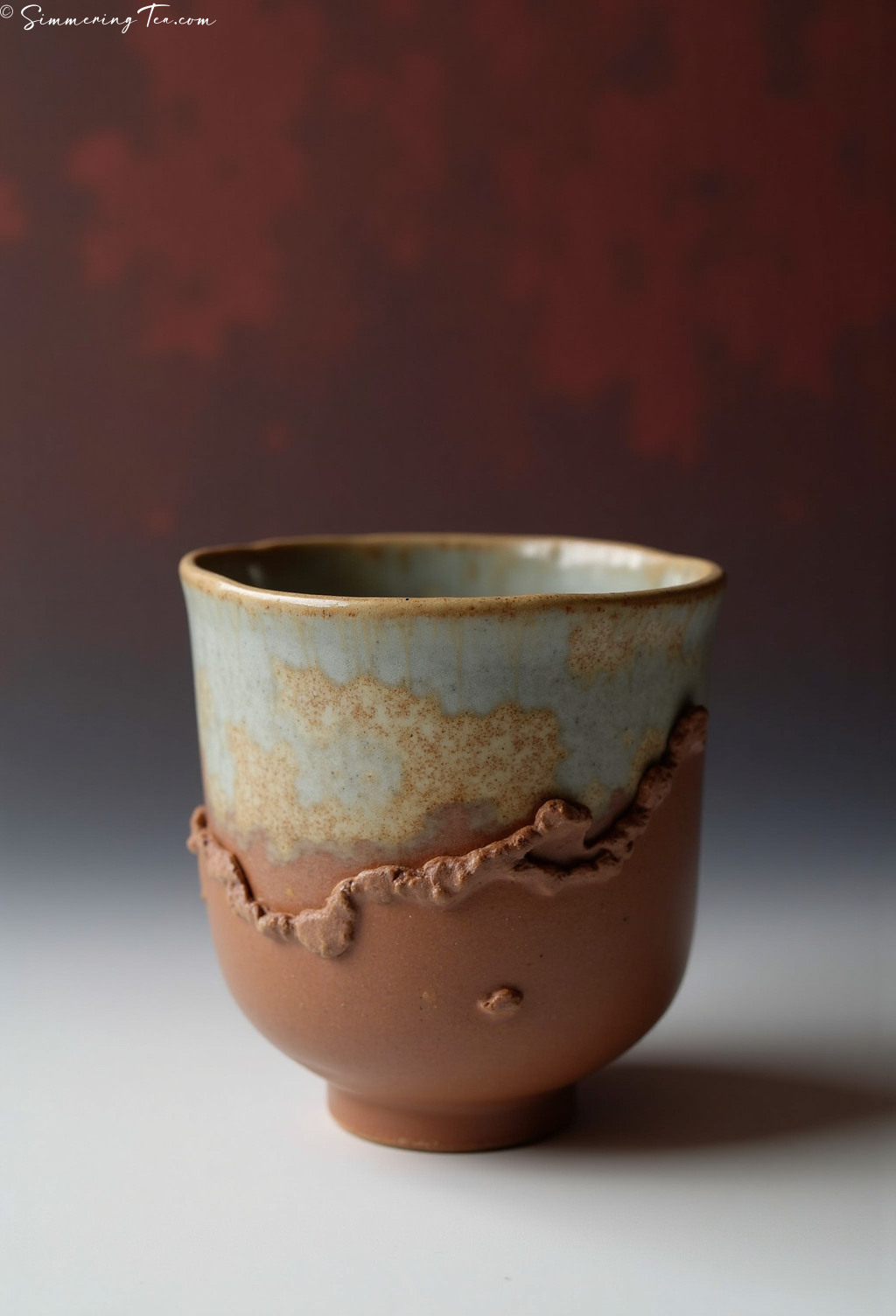
Wabi-sabi ceramics intentionally celebrate irregularity, asymmetry, and the marks of age and use. These pieces reject perfectionism in favor of authentic, honest beauty that deepens with time.
Cracks repaired with gold (kintsugi), uneven walls, and natural clay colors make each wabi-sabi tea bowl a meditation on acceptance and finding perfection in imperfection.
Speckled Glazes: Cosmic Beauty
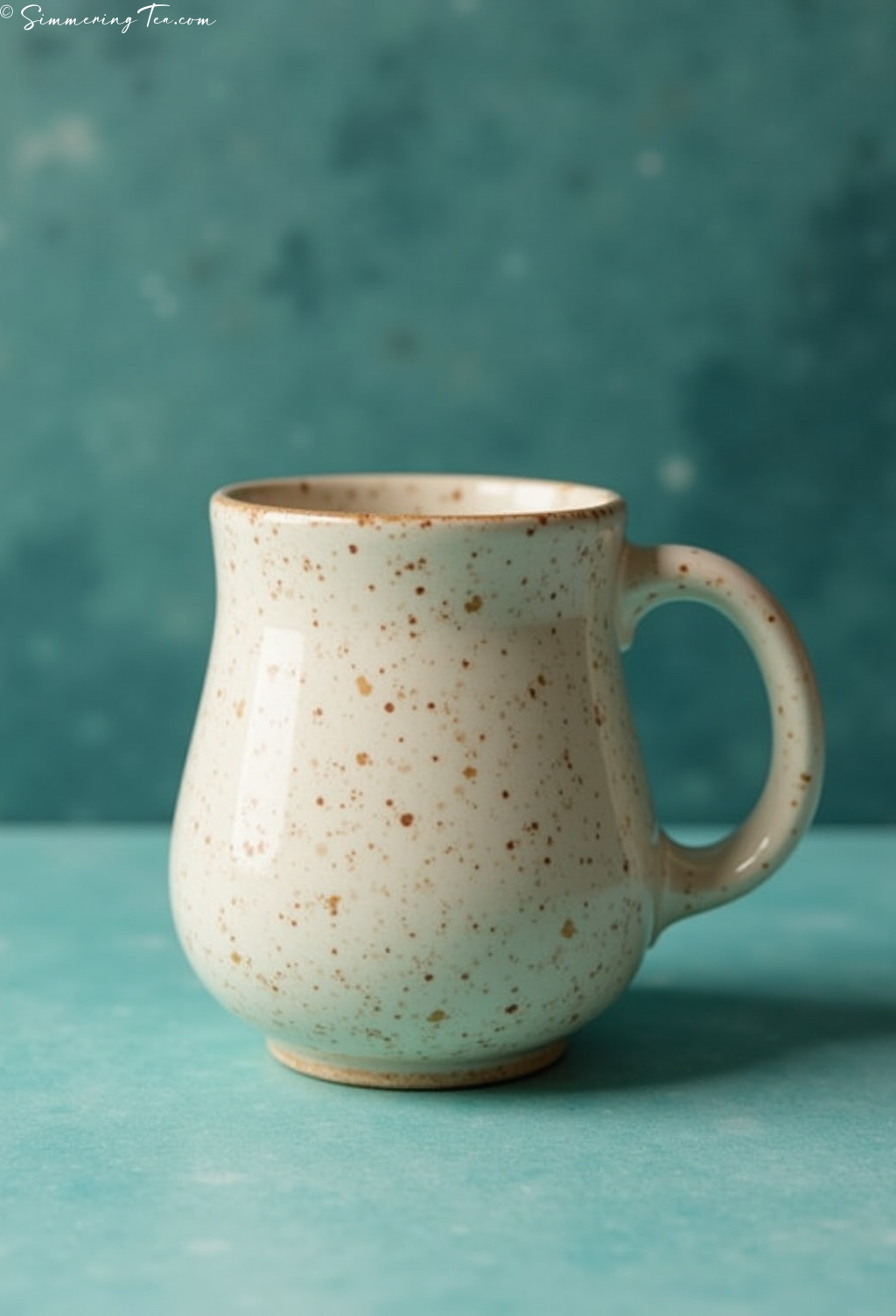
Speckled glazes create star-field effects, with countless tiny flecks suspended in colored backgrounds. Japanese shino and oribe glazes often feature this quality, creating pieces that evoke looking into the night sky.
These organic patterns emerge naturally during firing, making each piece unique while maintaining family resemblances within a glaze family.
Brush Stroke Art: Painterly Expression
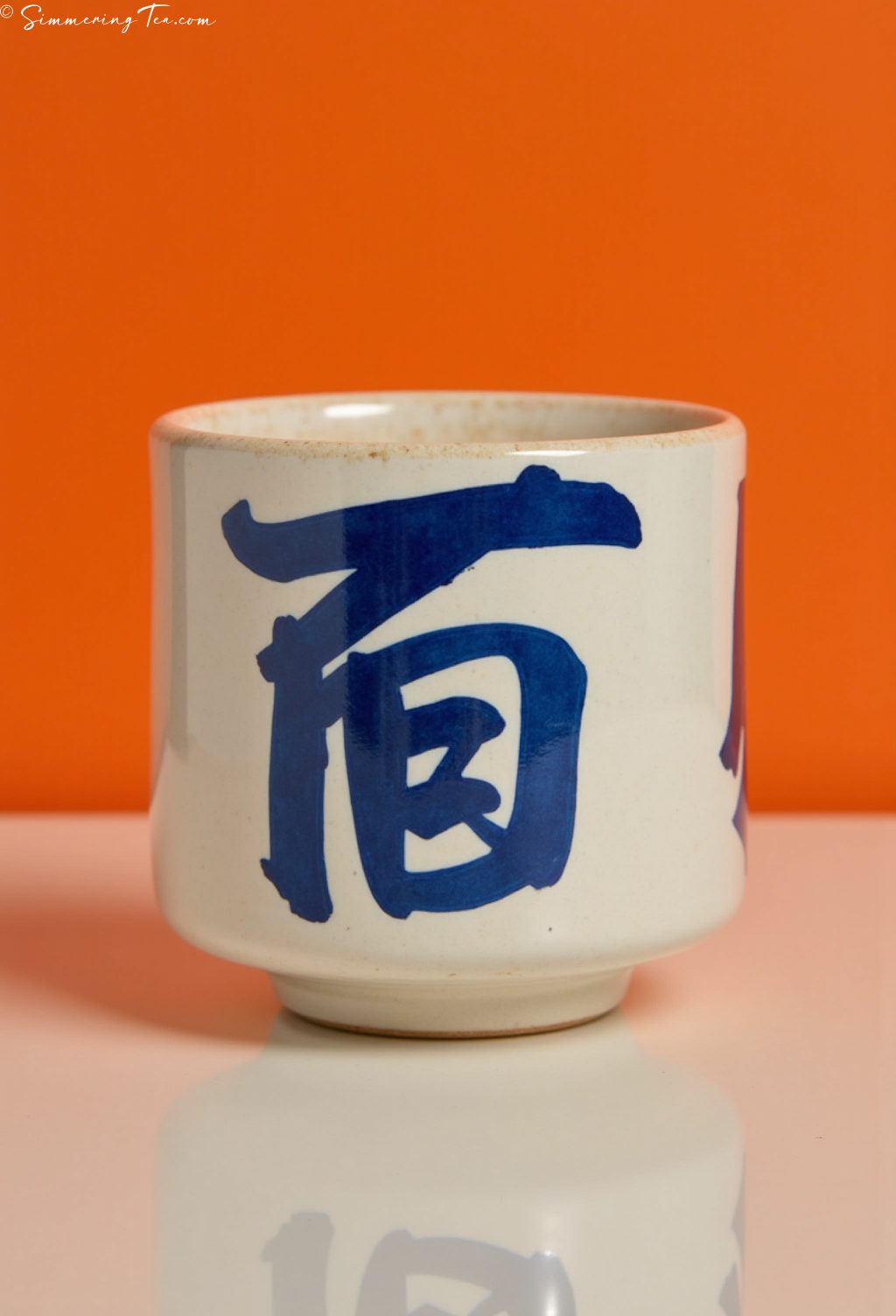
Bold brush strokes applied to ceramic surfaces before glazing create dynamic, expressive designs. This technique bridges pottery and painting, with each stroke capturing the artist’s gesture and energy.
Asian calligraphic traditions influence many brush stroke designs, bringing zen spontaneity to tea vessels.
Crystalline Glazes: Growing Crystals on Clay
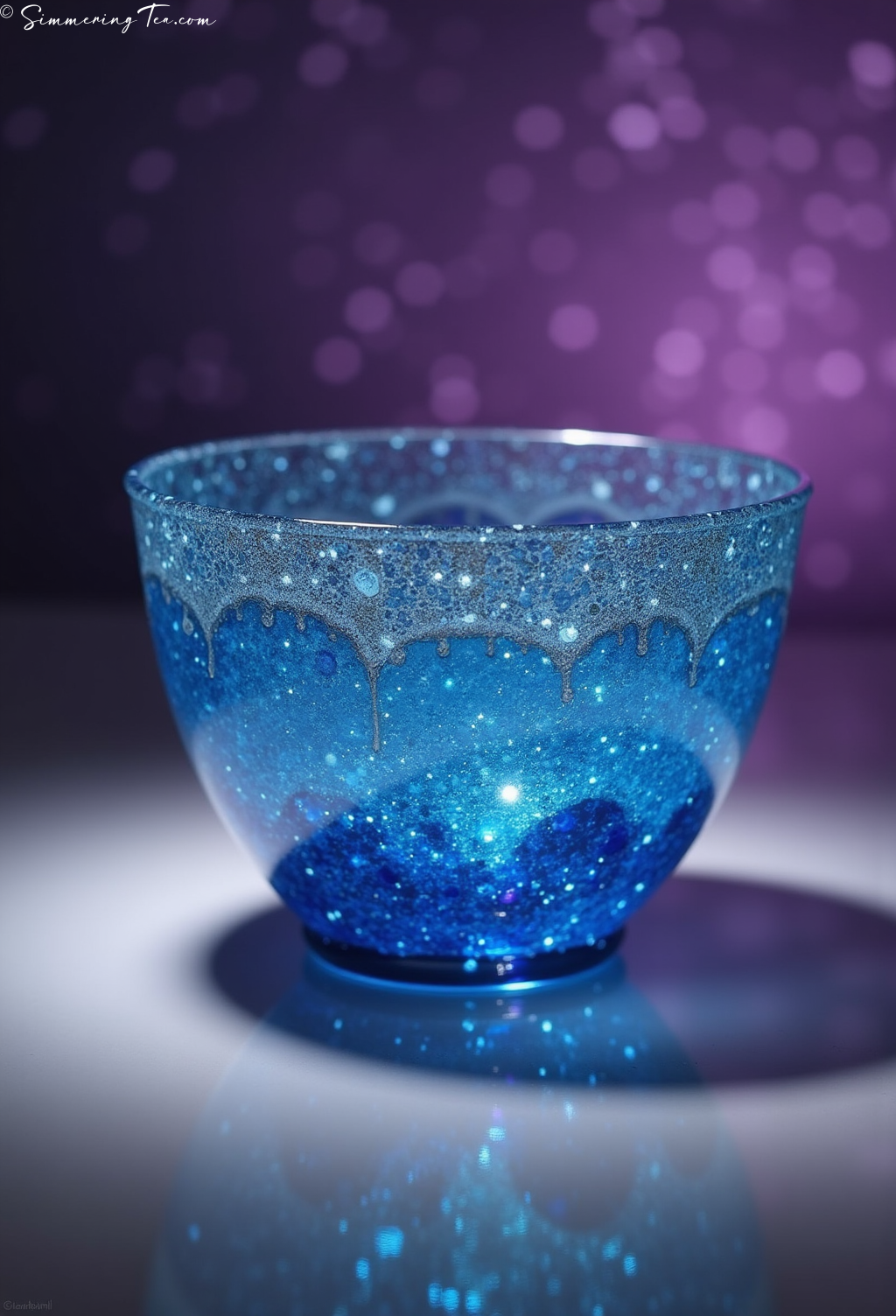
Crystalline glazes are among the most technically challenging and visually stunning ceramic achievements. Large zinc or titanium crystals literally grow during specific cooling patterns, creating flower-like formations in brilliant colors.
These crystalline glaze tea sets are functional art pieces, with each crystal formation unique and impossible to precisely replicate.
Wood-Fired Ceramics: Kissed by Flame
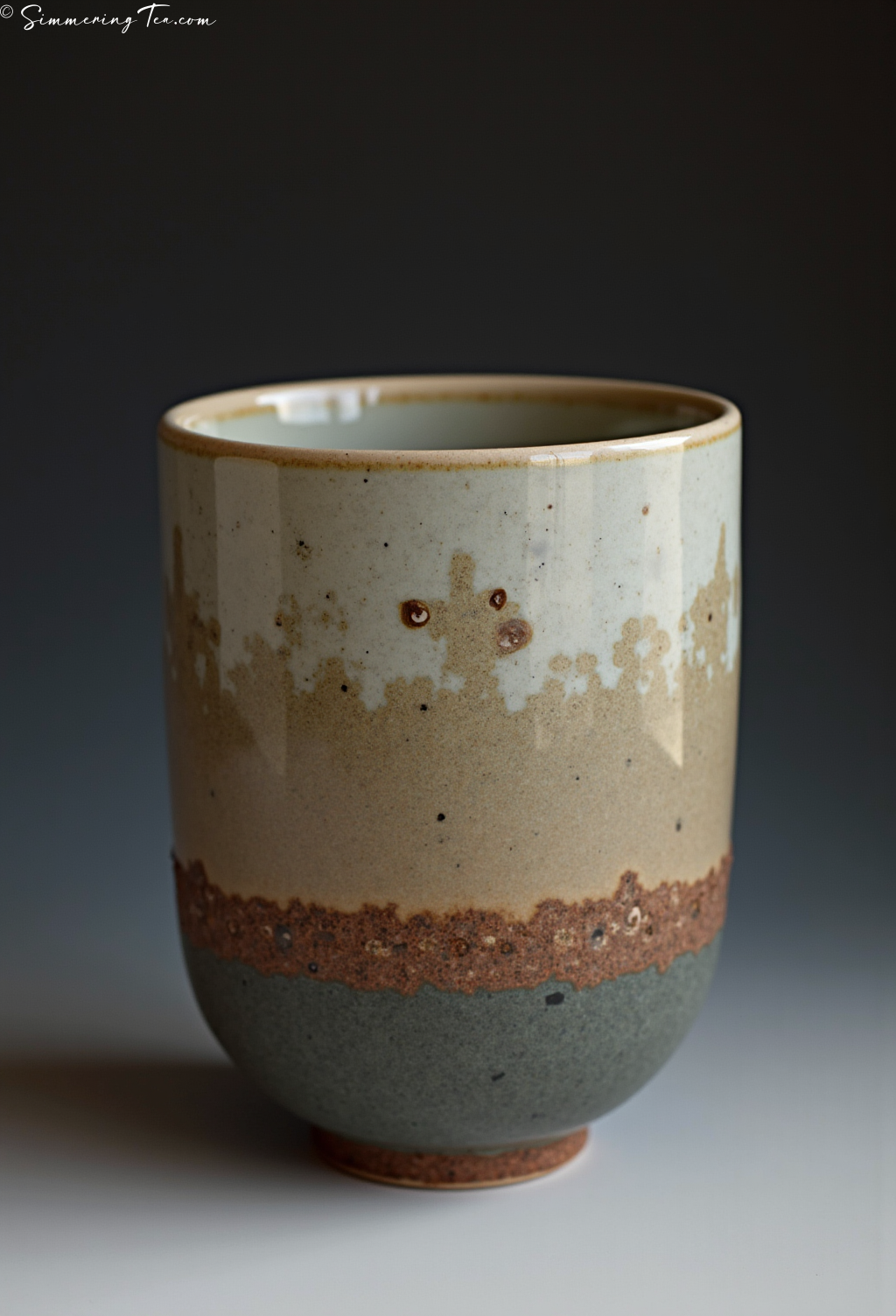
Wood-firing ceramics for days or weeks creates spontaneous ash glazes and flame patterns impossible to achieve in modern kilns. The fire’s path over each piece creates natural glazing from ash, with dramatic flash marks where flames directly touched clay.
Japanese anagama and noborigama kiln firings produce these sought-after effects, with each piece bearing the signature of its specific position in the kiln.
Thin Porcelain: Translucent Elegance
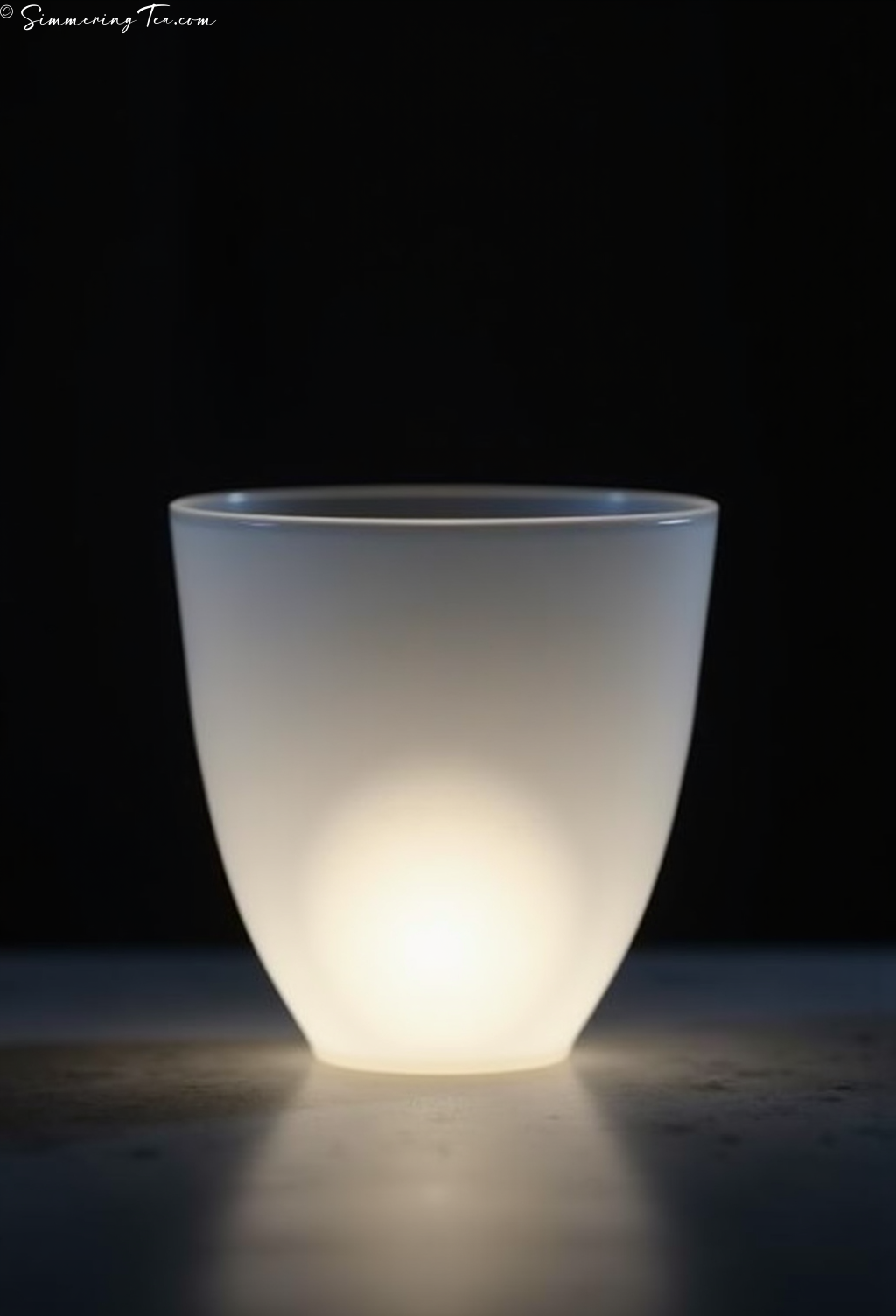
The finest porcelain becomes translucent when thrown paper-thin, allowing light to pass through and reveal shadows of hands or tea inside. This technical achievement requires exceptional skill and represents porcelain artistry at its peak.
Some pieces are so delicate they feel like porcelain fabric—strong enough to use but seemingly fragile as butterfly wings.
Textured Surfaces: Tactile Beauty
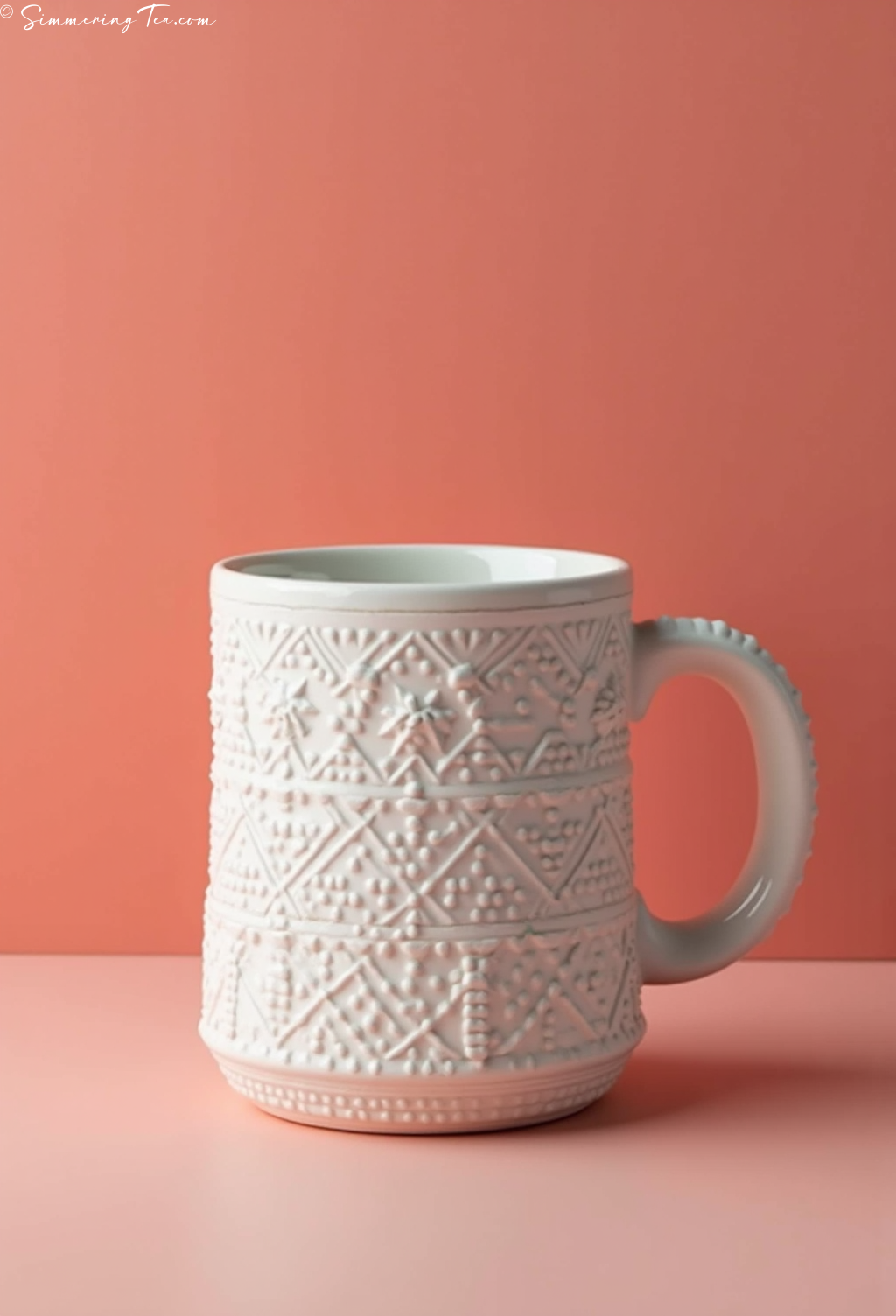
Carved, stamped, or impressed textures add tactile dimension to ceramic teaware. From subtle fingerprints to dramatic carved patterns, texture engages touch as well as sight.
These pieces invite handling, making the act of holding your tea cup a sensory pleasure beyond taste alone.
Two-Tone Designs: Dramatic Contrasts
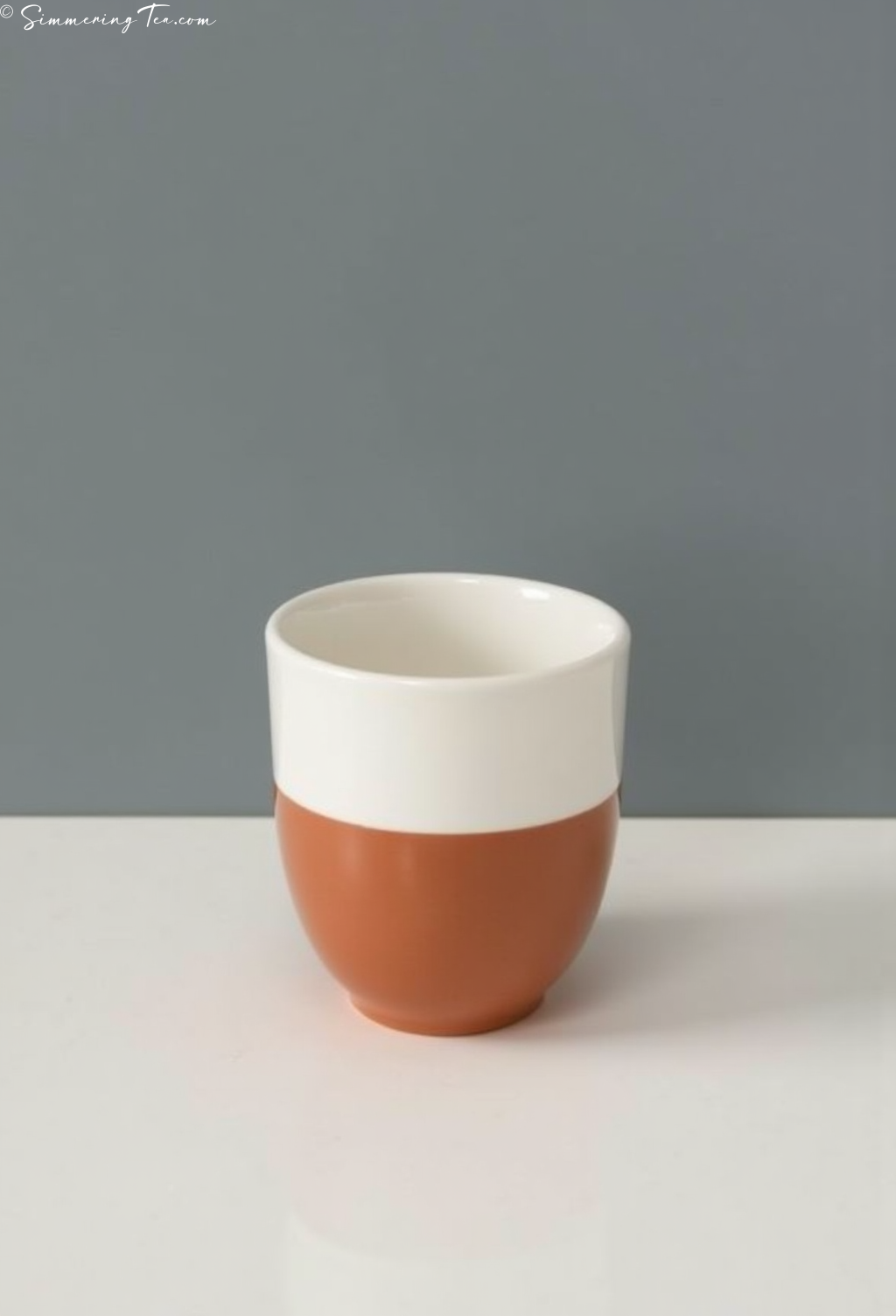
Two-tone ceramic pieces use contrasting clays or glazes to create bold visual statements. Dipped or partially glazed designs, exposed clay meeting glossy glazes, or stark color contrasts make these pieces graphic and modern.
Extraordinary Glass: Transparency and Light
Double-Wall Glass: Floating Tea
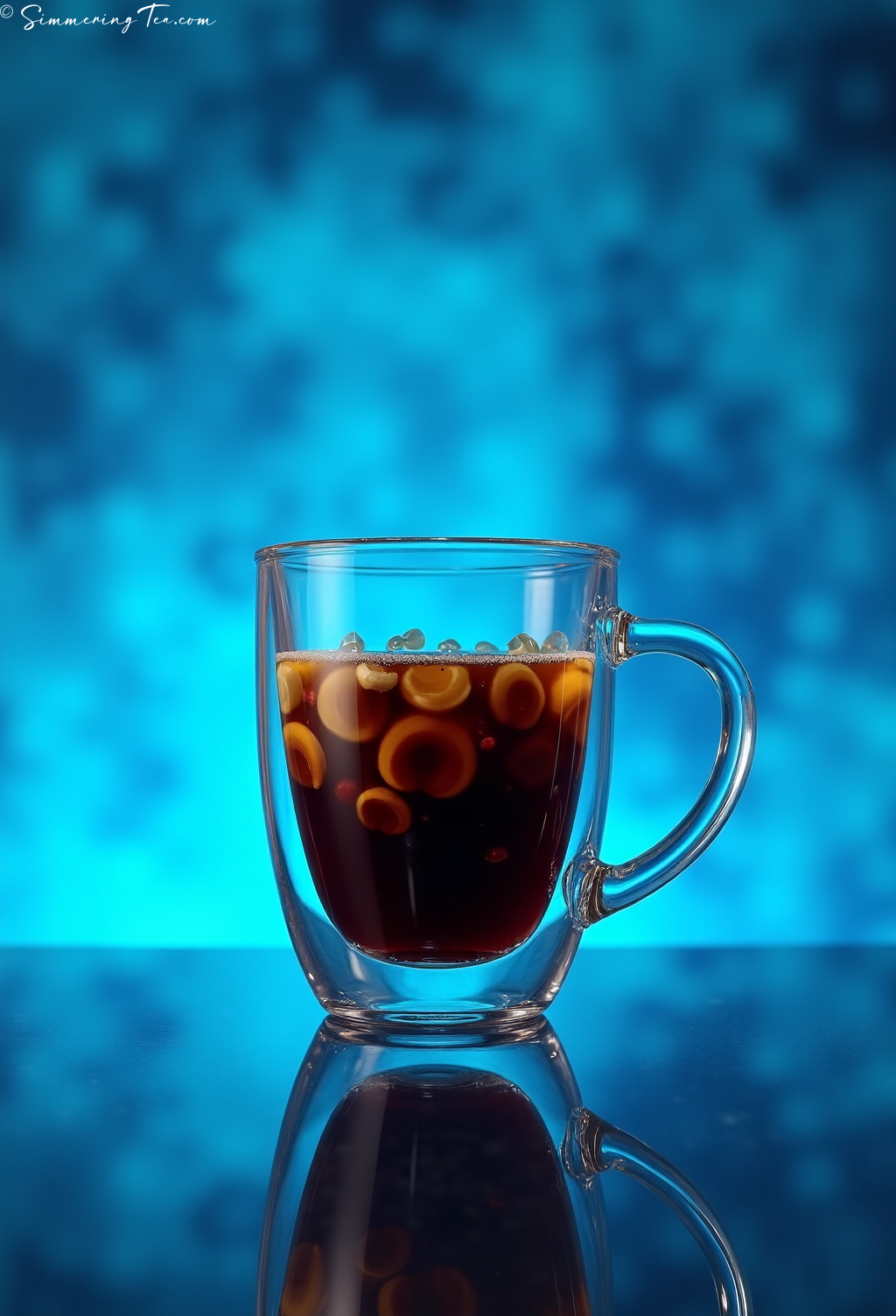
Double-wall glass creates the optical illusion of tea floating in mid-air. The air gap between walls provides insulation, keeping hands cool while tea stays hot.
These modern glass tea cups showcase tea’s beautiful colors while providing practical thermal protection—engineering meeting aesthetics perfectly.
Amber Glass: Warm Golden Glow

Amber glass casts warm golden tones, creating cozy atmosphere even before tea is poured. This vintage-inspired glass recalls apothecary jars and old-world charm.
The color complements black teas beautifully, adding depth and richness to the visual experience.
Iridescent Glass: Rainbow Shimmer
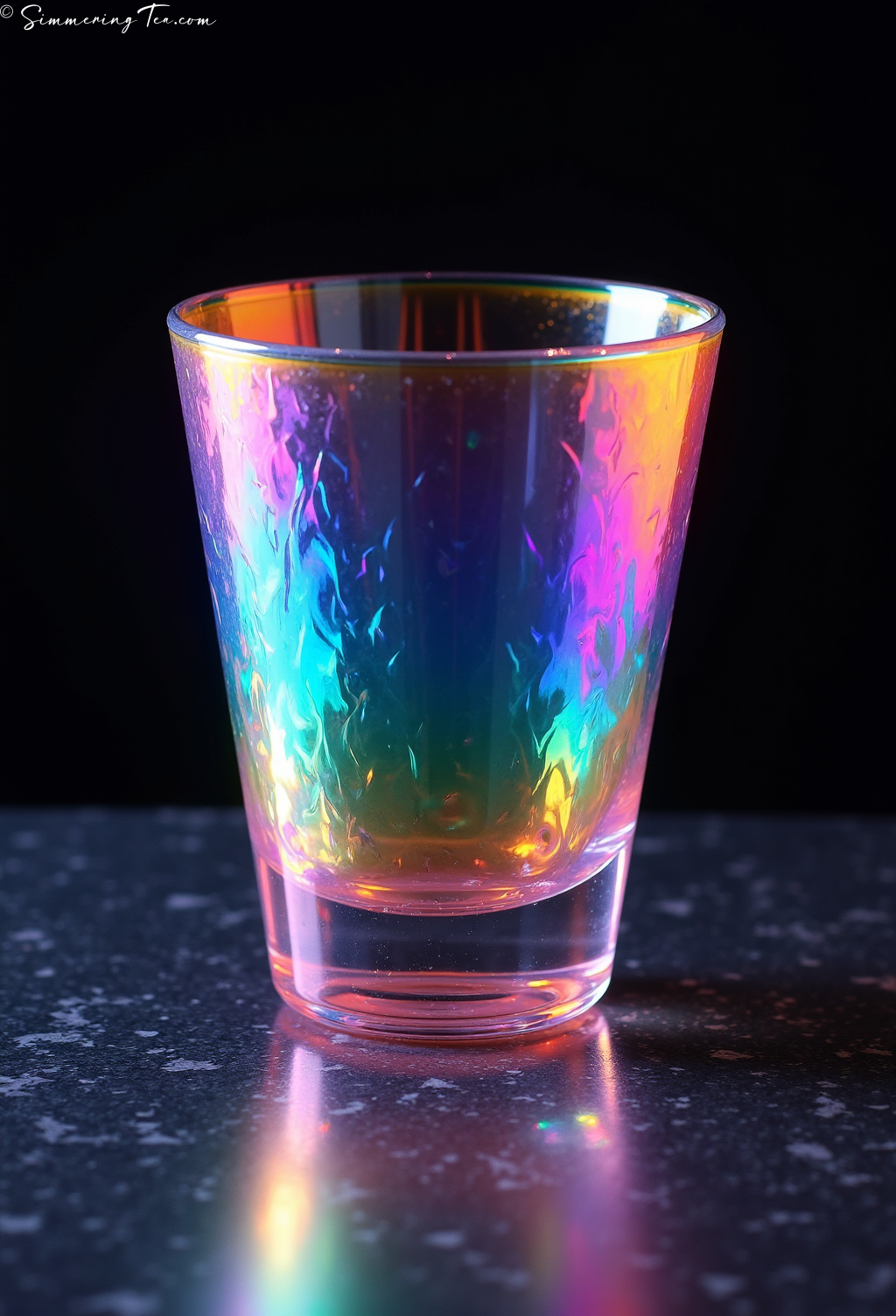
Iridescent glass, inspired by ancient Roman glass and Art Nouveau artists like Tiffany, displays rainbow shimmer that changes with viewing angle. This lustrous surface transforms ordinary glass into jewel-like treasures.
Emerald Glass: Jewel Tones
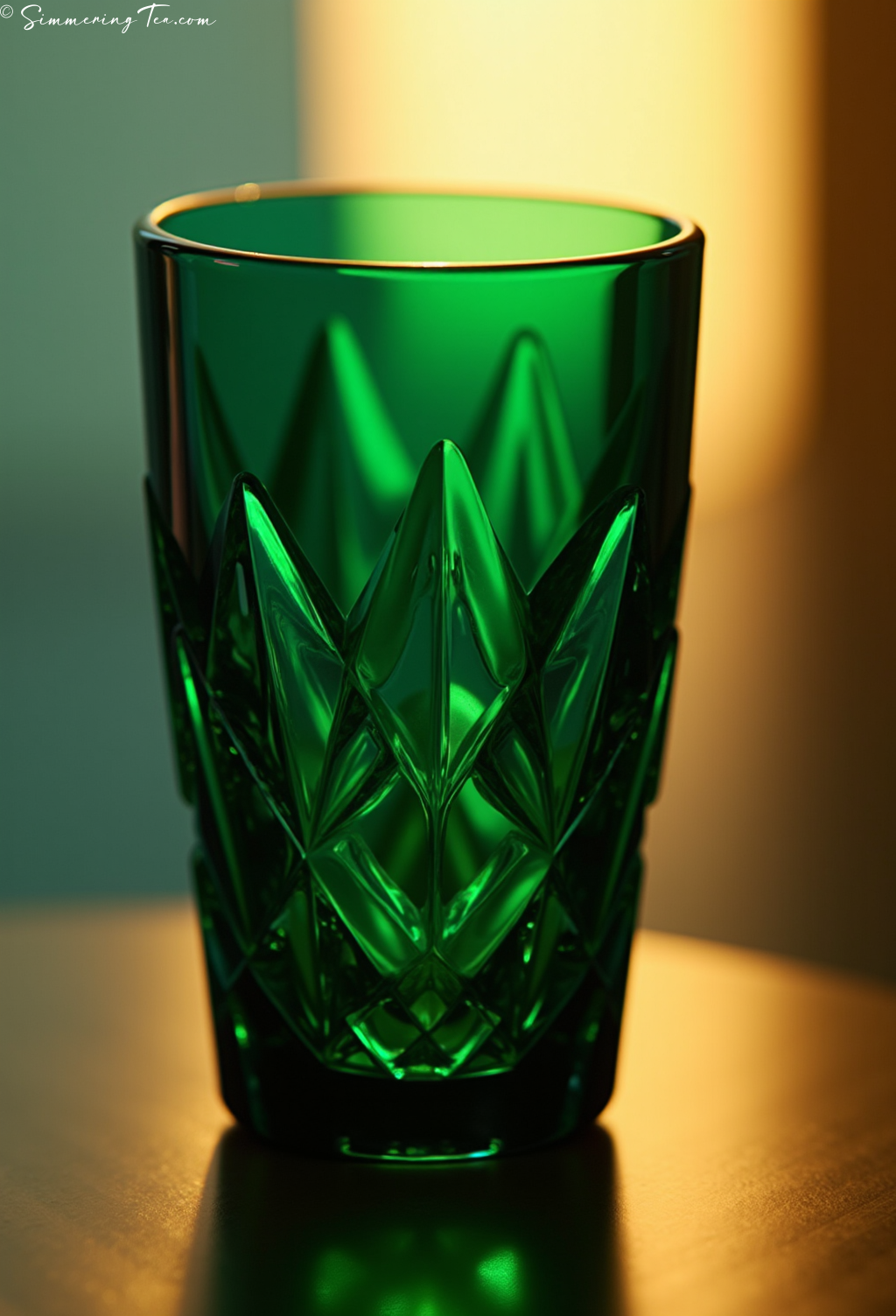
Rich emerald green glass brings depth and luxury to tea service. This color particularly complements green teas, creating a monochromatic aesthetic that feels fresh and sophisticated.
Ribbed Glass: Texture and Light

Vertical or horizontal ribbing adds texture to glass surfaces, creating interesting light refraction and improving grip. These Art Deco-inspired pieces feel substantial while remaining transparent.
Smoky Glass: Mysterious Depth
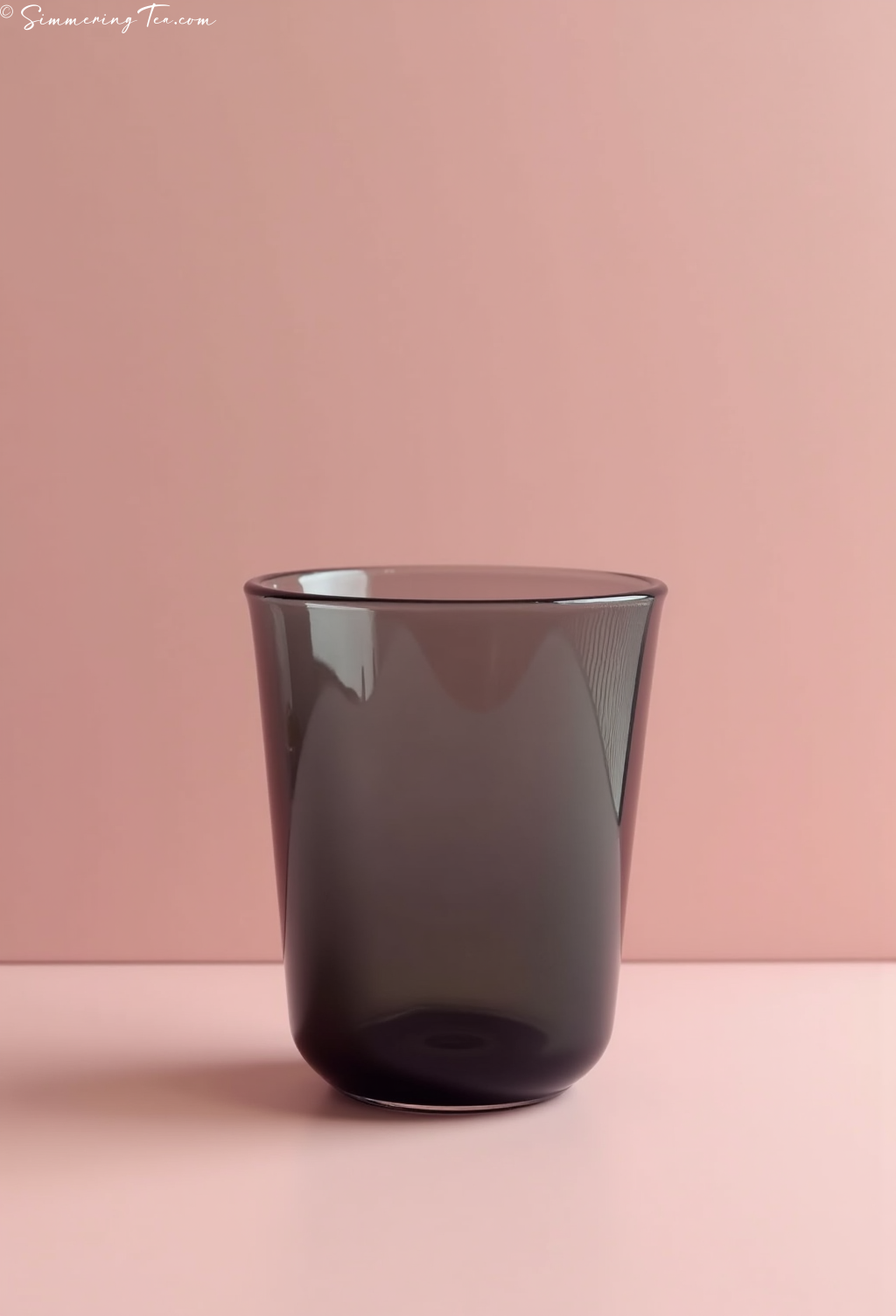
Smoky gray or brown glass creates moody, sophisticated tea service. This neutral tone works with any decor while adding contemporary edge and mysterious depth.
Cobalt Blue Glass: Bold Drama

Intense cobalt blue glass makes a bold statement. This saturated color has been prized for centuries, appearing in everything from ancient Egyptian artifacts to Art Deco masterpieces.
Borosilicate Laboratory Glass: Scientific Precision
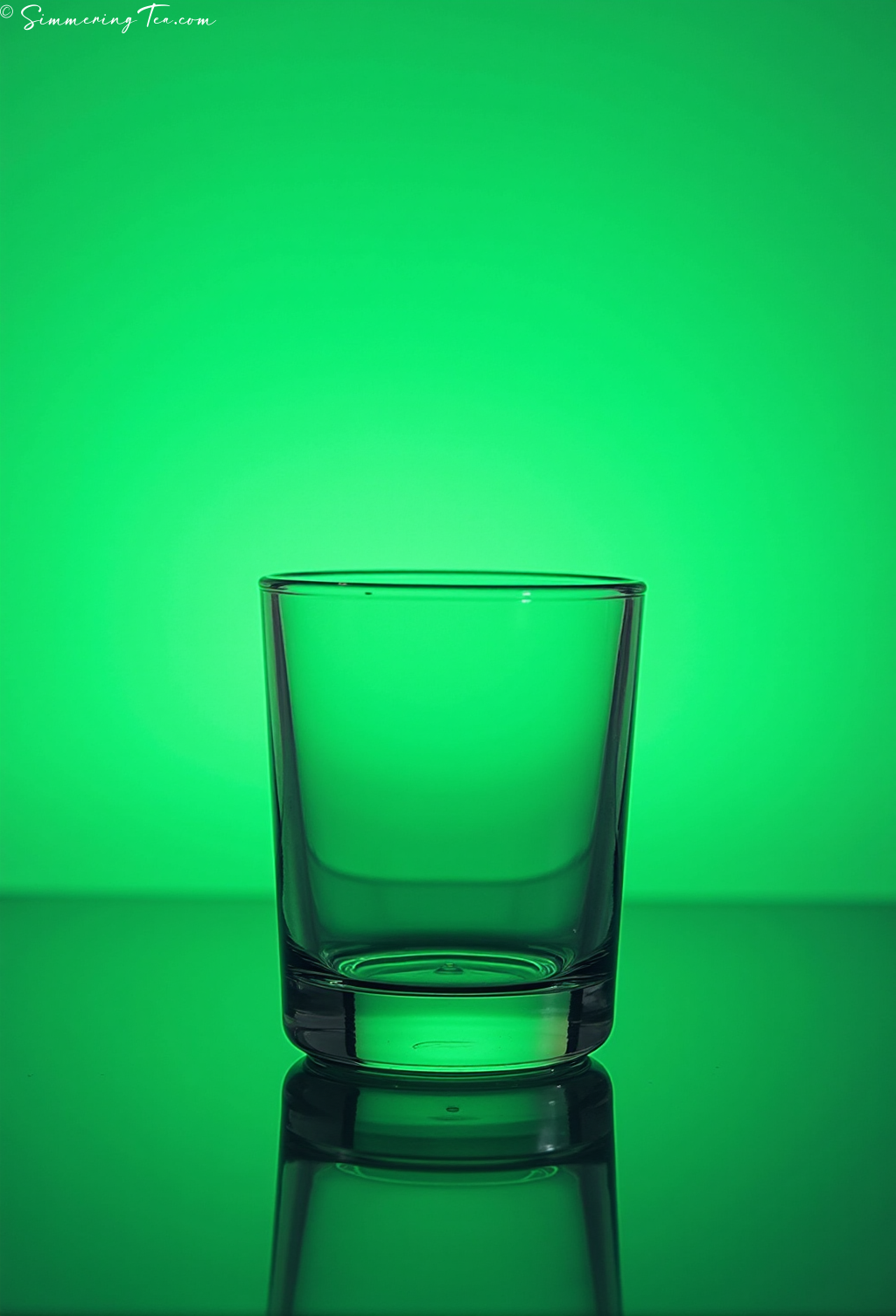
Borosilicate glass, developed for laboratories, resists thermal shock and remains crystal clear. Modern borosilicate tea sets bring scientific precision to tea brewing, with clean lines and perfect functionality.
Metal Teaware: Luxurious Alternatives
Copper: Warm Conductivity
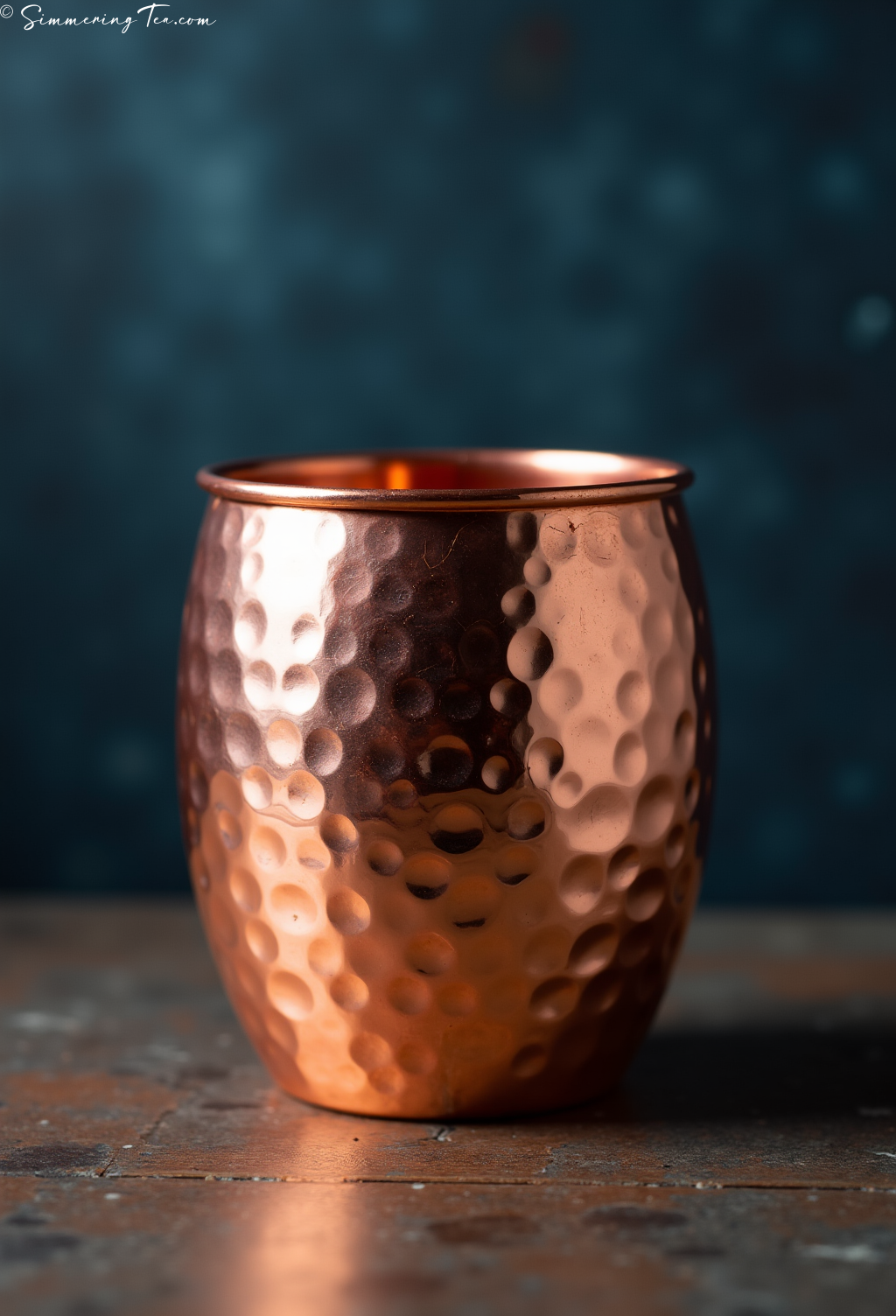
Copper’s excellent heat conductivity and warm reddish-gold color make it ideal for teaware. Traditional Turkish copper tea sets (çaydanlık) and Russian samovars showcase copper’s practical and aesthetic qualities.
Copper develops a natural patina over time, adding character and depth to each piece.
Brass: Golden Brilliance
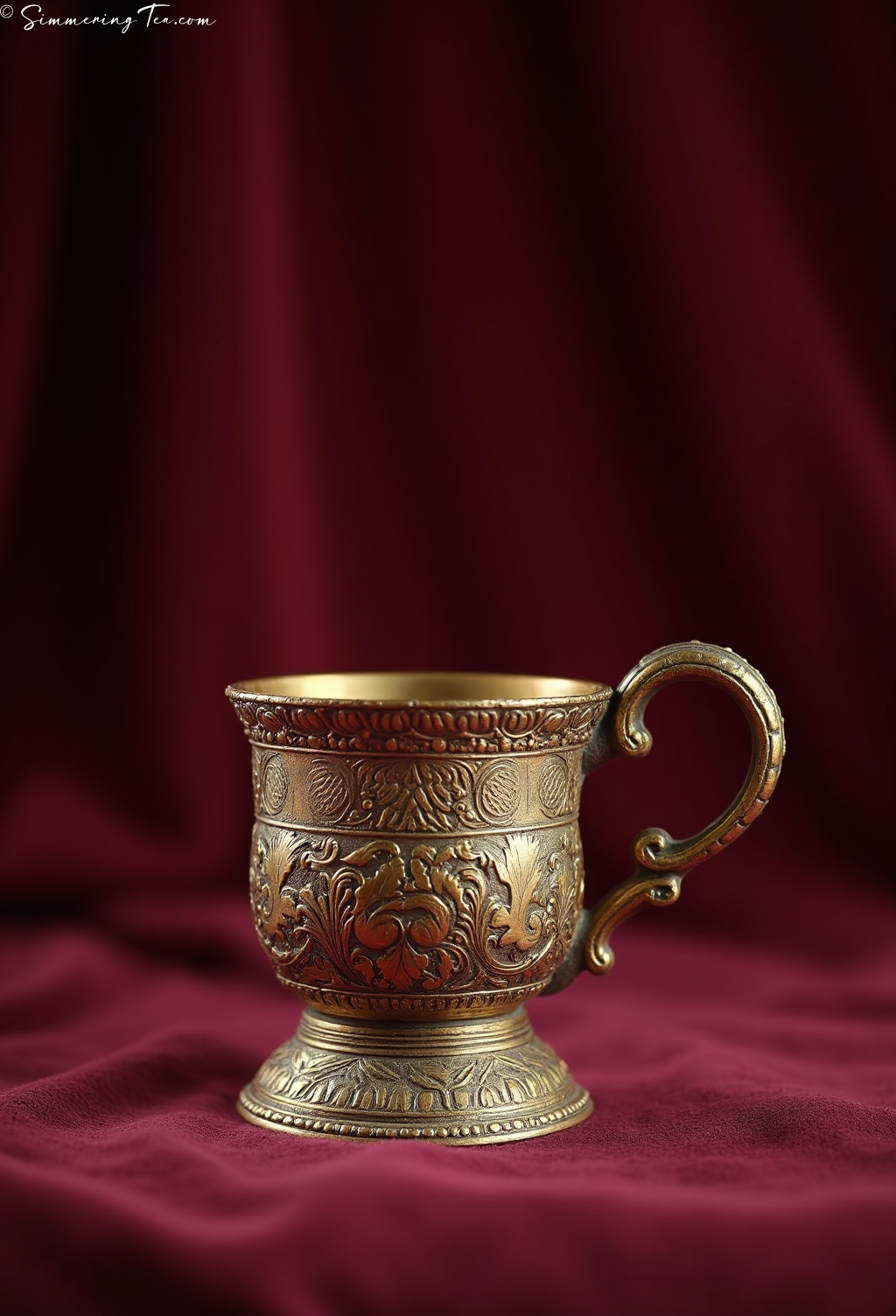
Brass teaware, particularly from India and the Middle East, features intricate engraving and embossing. The golden metal creates opulent presentation perfect for special occasions.
Sterling Silver: Timeless Luxury
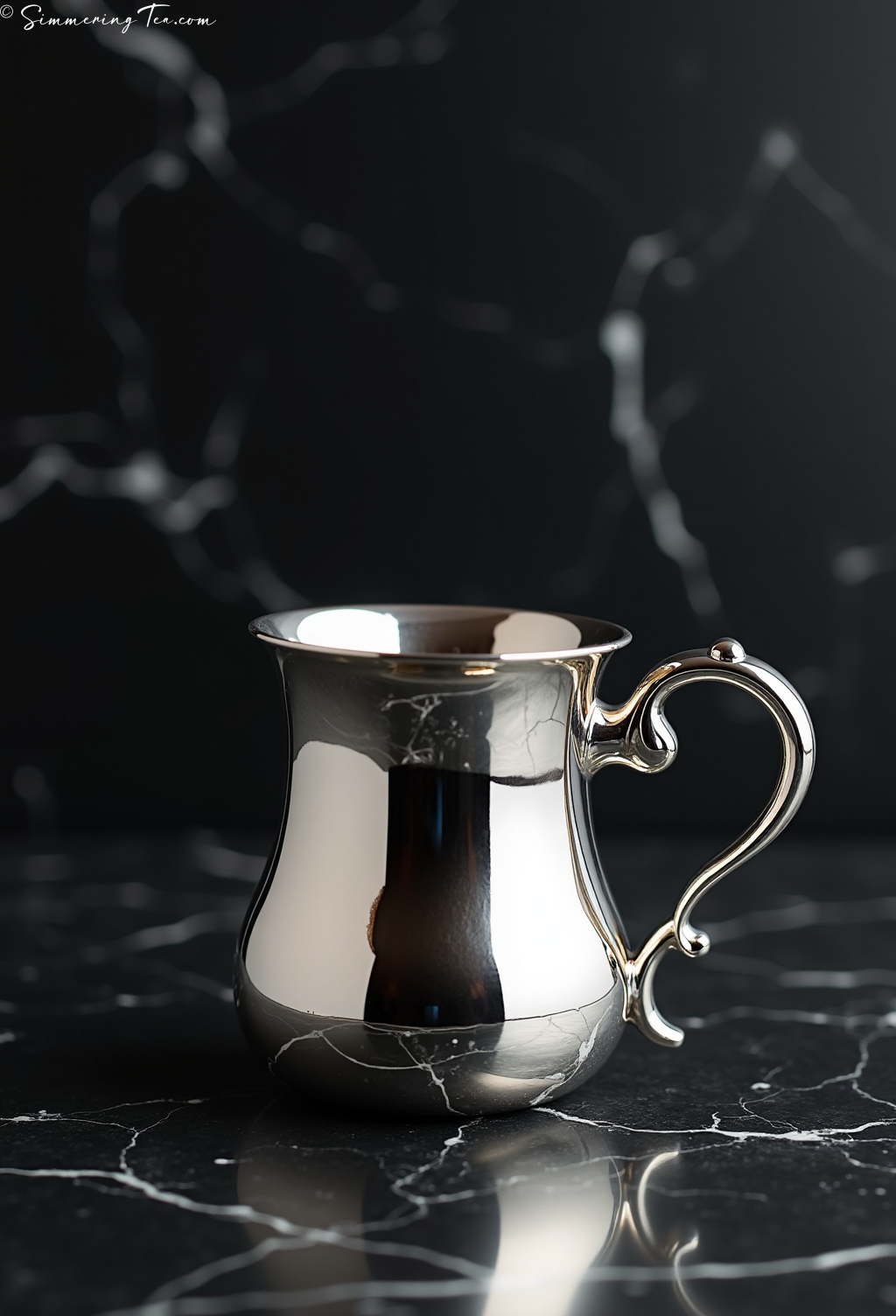
Sterling silver tea services represent ultimate luxury and craftsmanship. From Georgian British services to Art Nouveau Continental pieces, silver tea sets convey elegance and tradition.
Silver requires polishing but rewards with unmatched brilliance and heirloom quality.
Tin: Scandinavian Simplicity
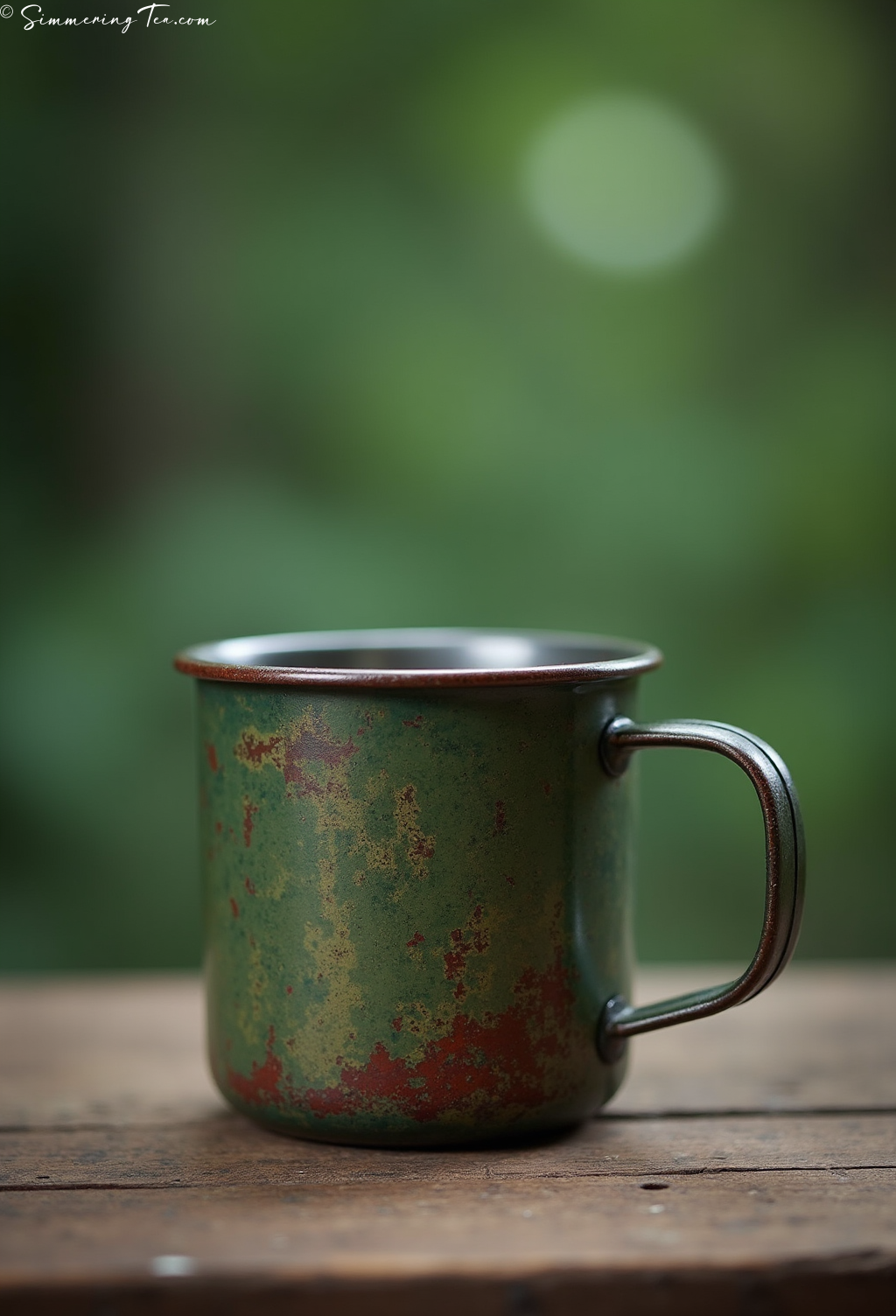
Scandinavian pewter and tin teaware emphasizes clean design and functional beauty. The soft gray metal creates understated elegance perfect for minimalist aesthetics.
Titanium: Modern Innovation
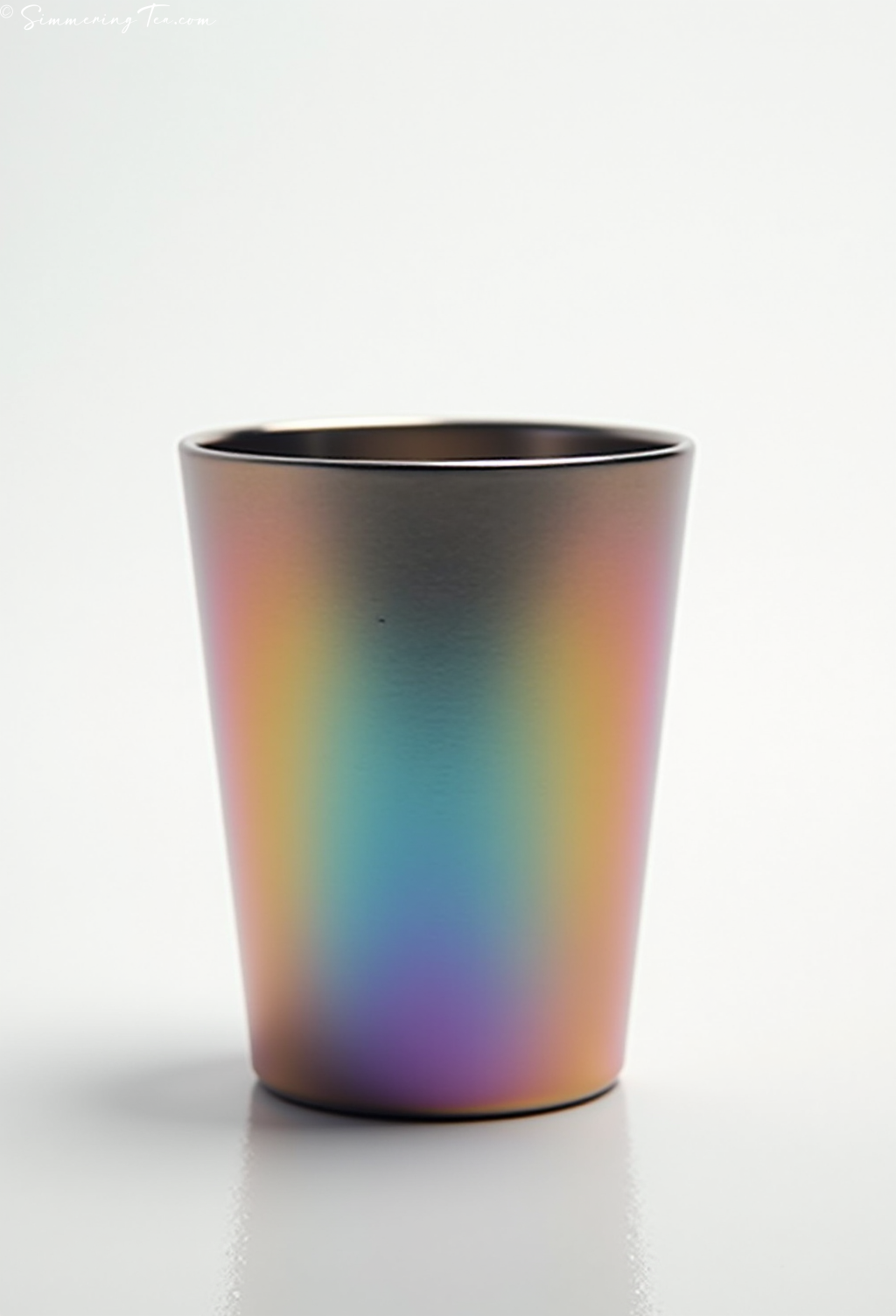
Titanium teaware represents cutting-edge material science. Incredibly strong yet lightweight, naturally antibacterial, and resistant to staining, titanium brings aerospace technology to tea culture.
The metal’s subtle rainbow anodization creates contemporary aesthetic appeal.
Pewter: Medieval Heritage
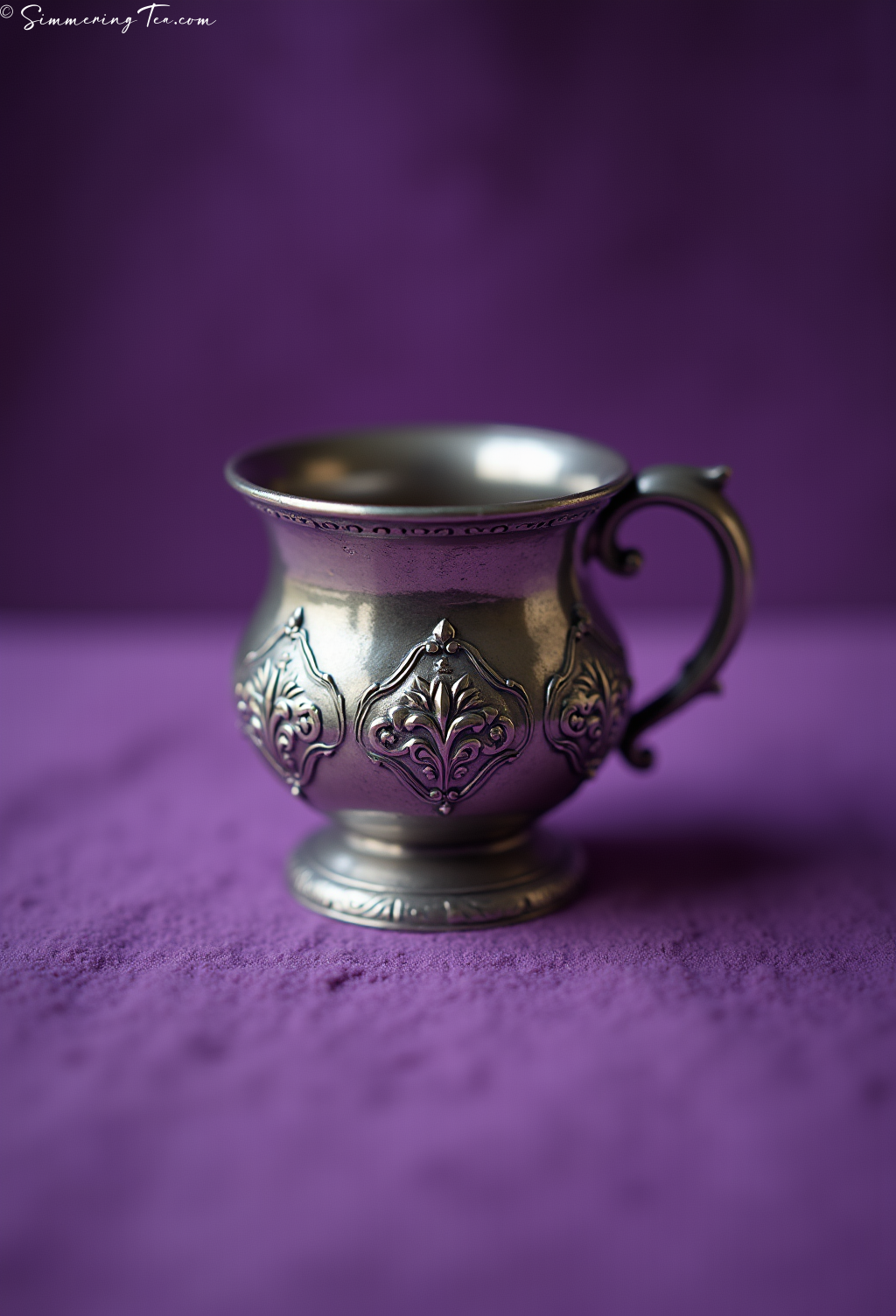
Pewter’s dull silver finish and historical associations create gothic or medieval atmosphere. Modern food-safe pewter combines historical aesthetics with contemporary safety standards.
Gold: Ultimate Opulence
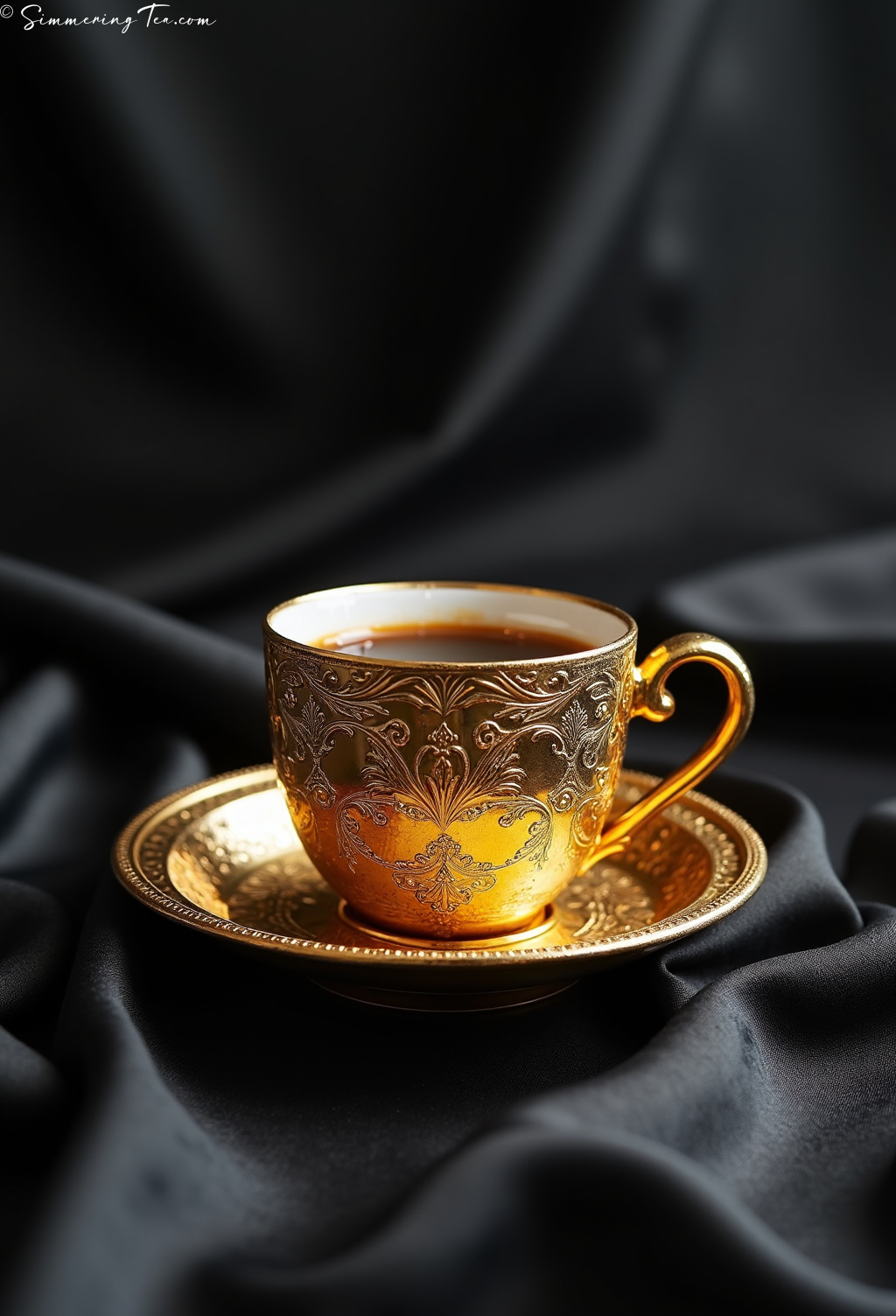
Gold teaware represents the absolute pinnacle of luxury. Whether solid gold pieces or gold-plated services, these pieces make unmistakable statements of opulence and refinement.
Cast Iron: Japanese Tetsubin
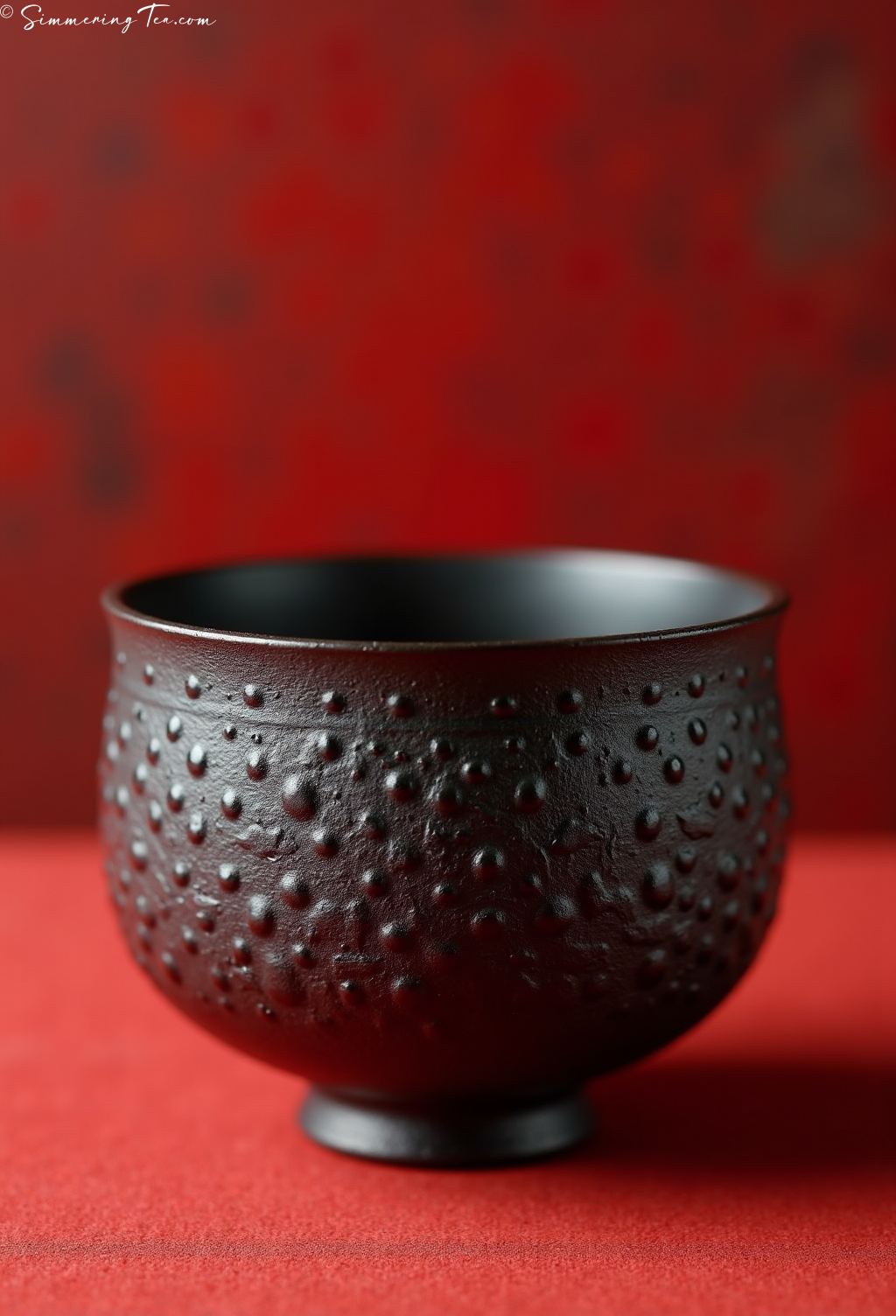
Japanese cast iron tetsubin kettles are prized for heat retention and natural iron fortification of water. These heavy, durable pieces develop character with age and use, lasting generations.
Traditional designs feature nature motifs, while modern iterations explore contemporary aesthetics while maintaining functional excellence.
Unexpected Materials: Breaking Boundaries
Marble: Solid Luxury
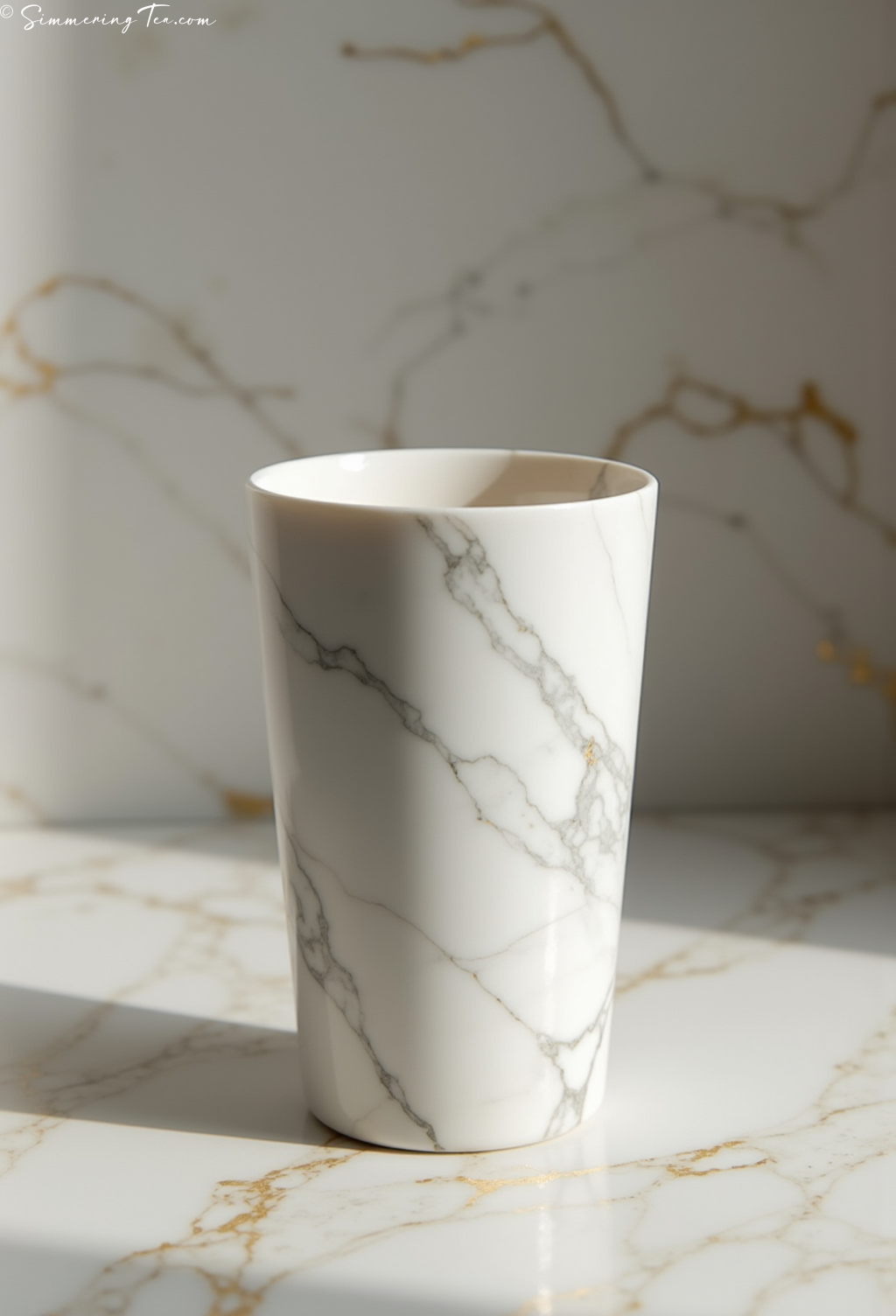
Carved marble teaware brings geological beauty to tea service. Each piece showcases unique veining patterns, transforming natural stone into functional art.
Marble’s cool surface and substantial weight create a sense of permanence and luxury.
Bamboo: Sustainable Simplicity
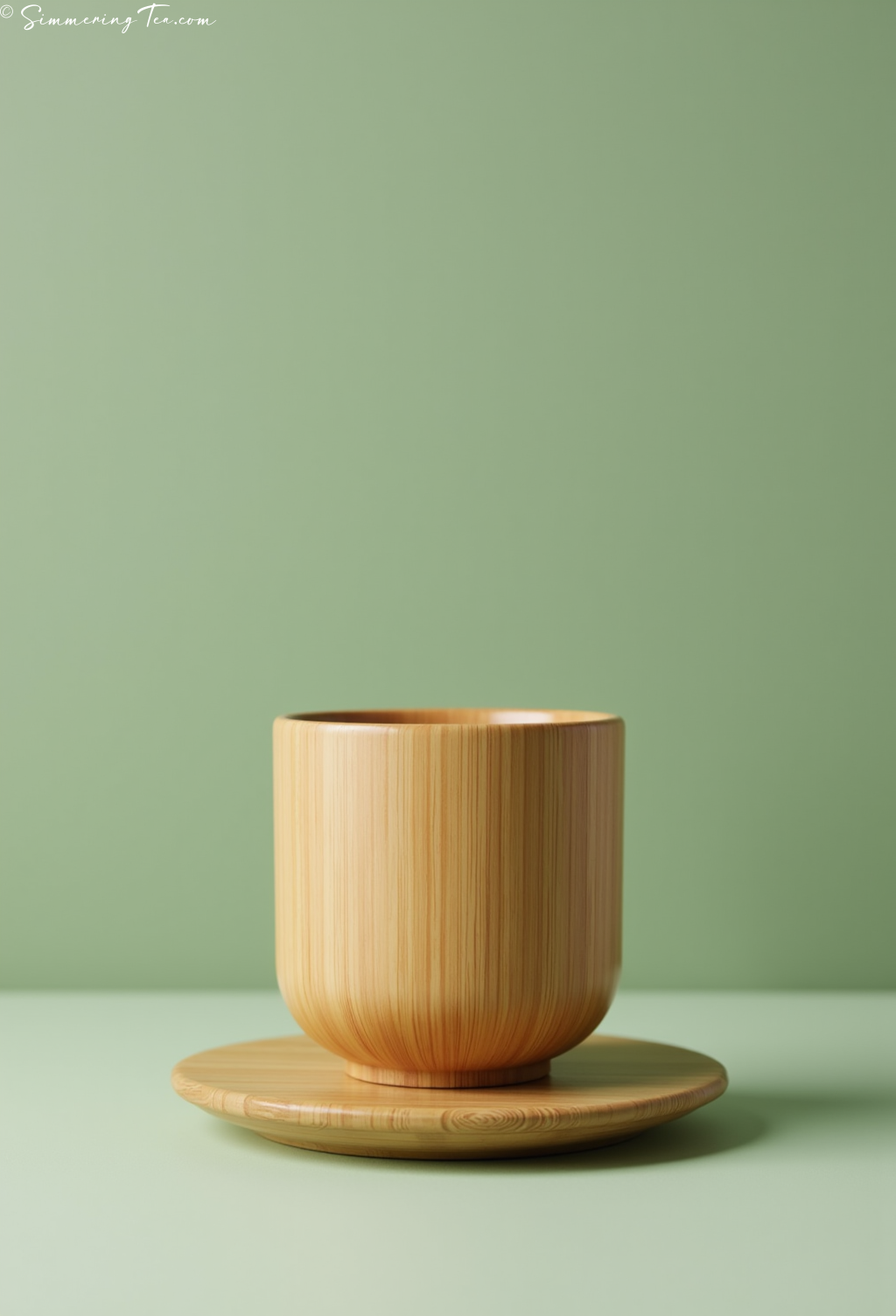
Bamboo teaware, particularly traditional Asian tea tools, emphasizes sustainability and natural beauty. The warm honey color and subtle grain create organic zen aesthetics.
Bamboo tea scoops, whisks, and serving pieces connect modern tea lovers to centuries of tradition.
Coconut Shell: Tropical Innovation
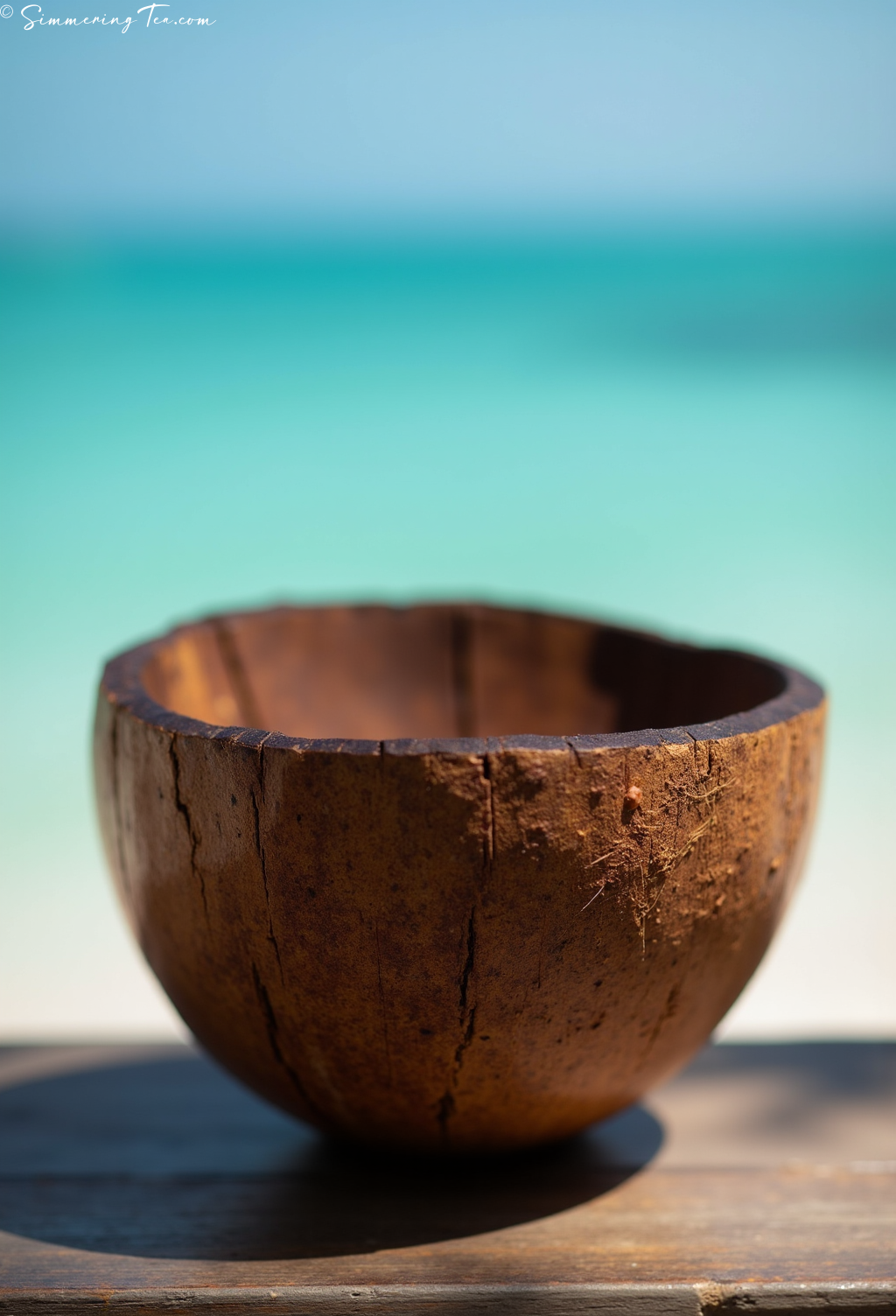
Carved coconut shells create unique, sustainable tea cups with tropical character. Each shell’s natural variations ensure one-of-a-kind pieces.
These eco-friendly tea cups often feature lacquered or polished finishes that highlight natural beauty.
Concrete: Industrial Chic
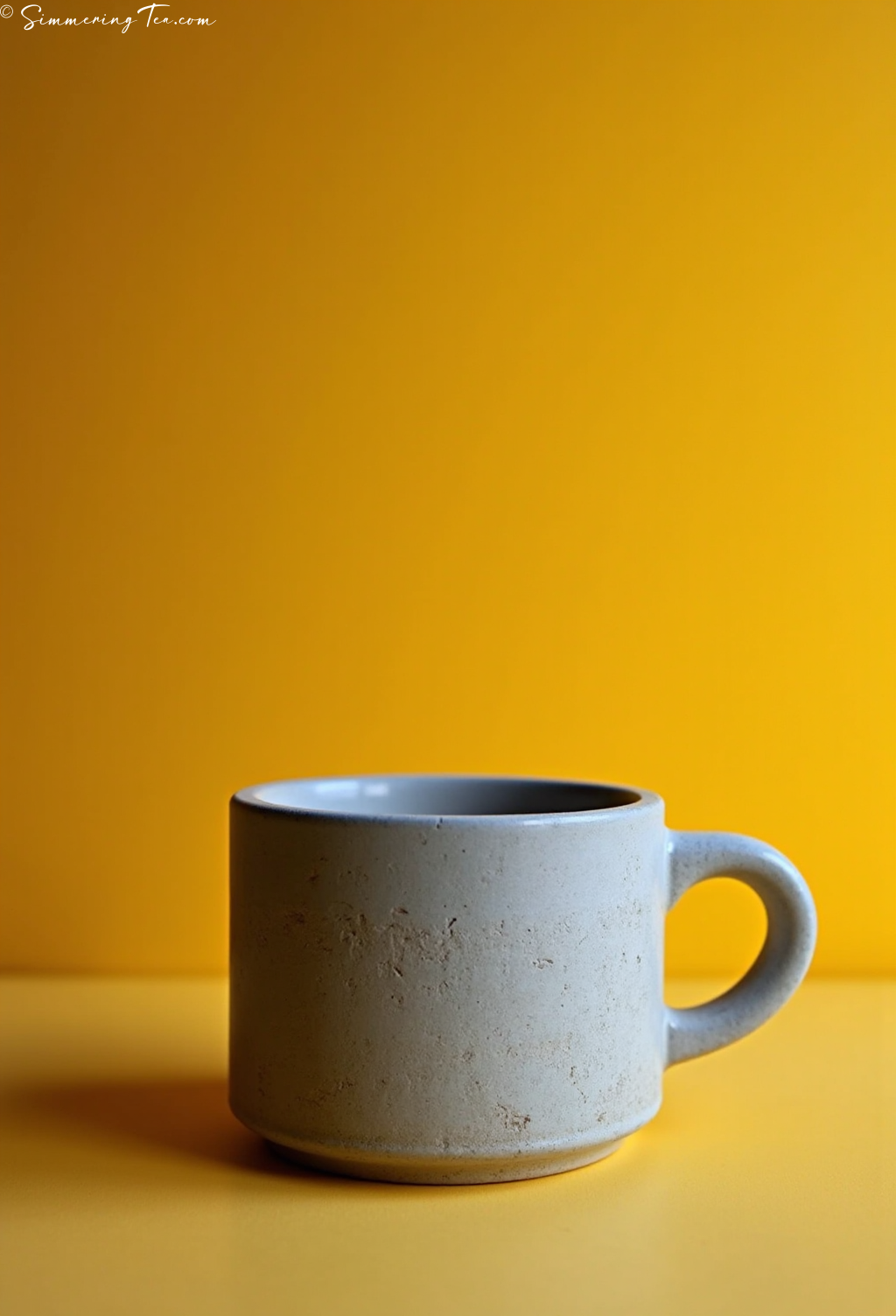
Contemporary concrete teaware brings industrial materials into refined tea culture. The rough texture and urban aesthetic create striking contrasts with delicate tea.
Sealed concrete is food-safe and creates unexpected conversation pieces that challenge traditional teaware aesthetics.
Leather-Wrapped: Tactile Luxury
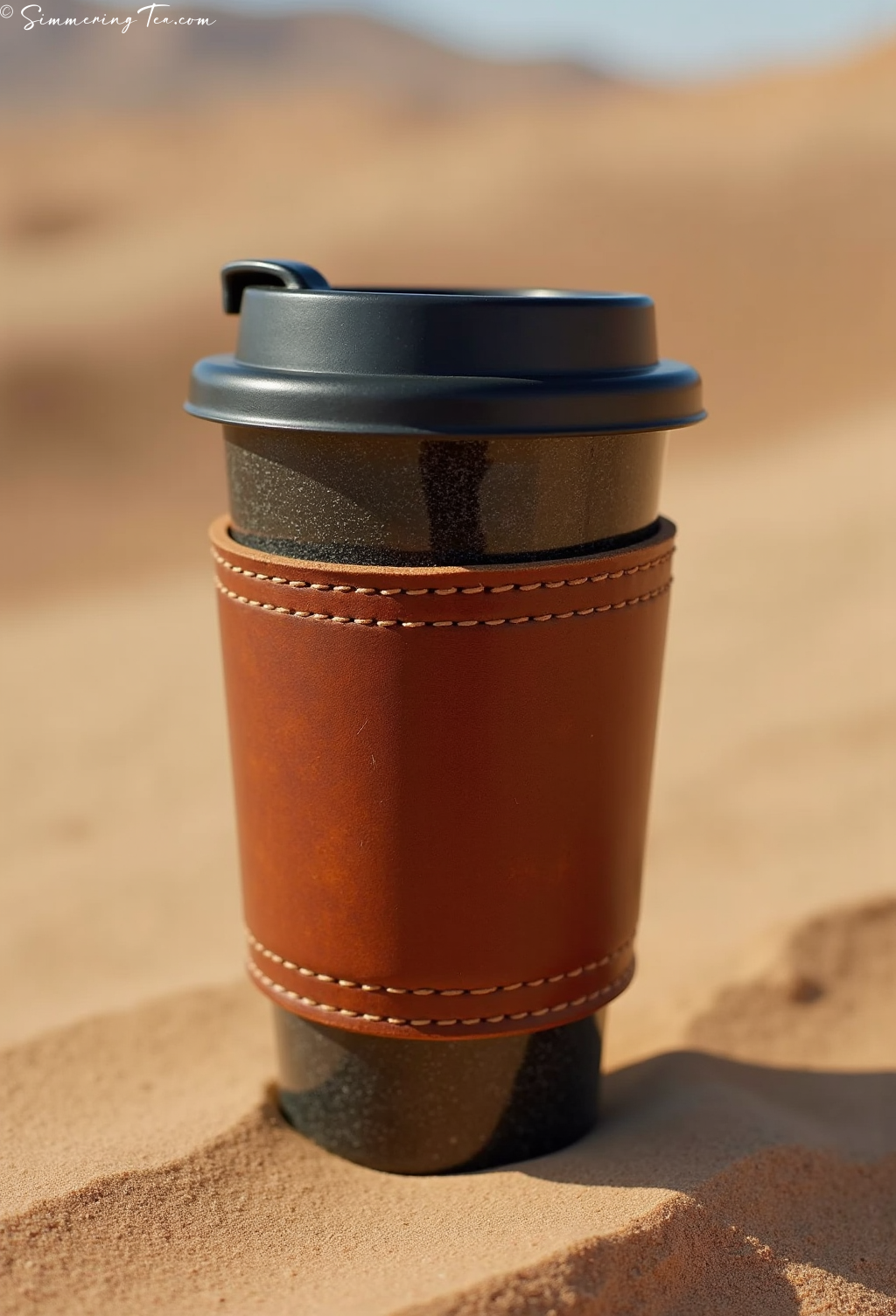
Leather wrapping ceramic or glass cups adds grip, insulation, and luxury. The soft material warms in hand and develops patina with use, creating personal connection through touch.
Resin Art: Embedded Beauty
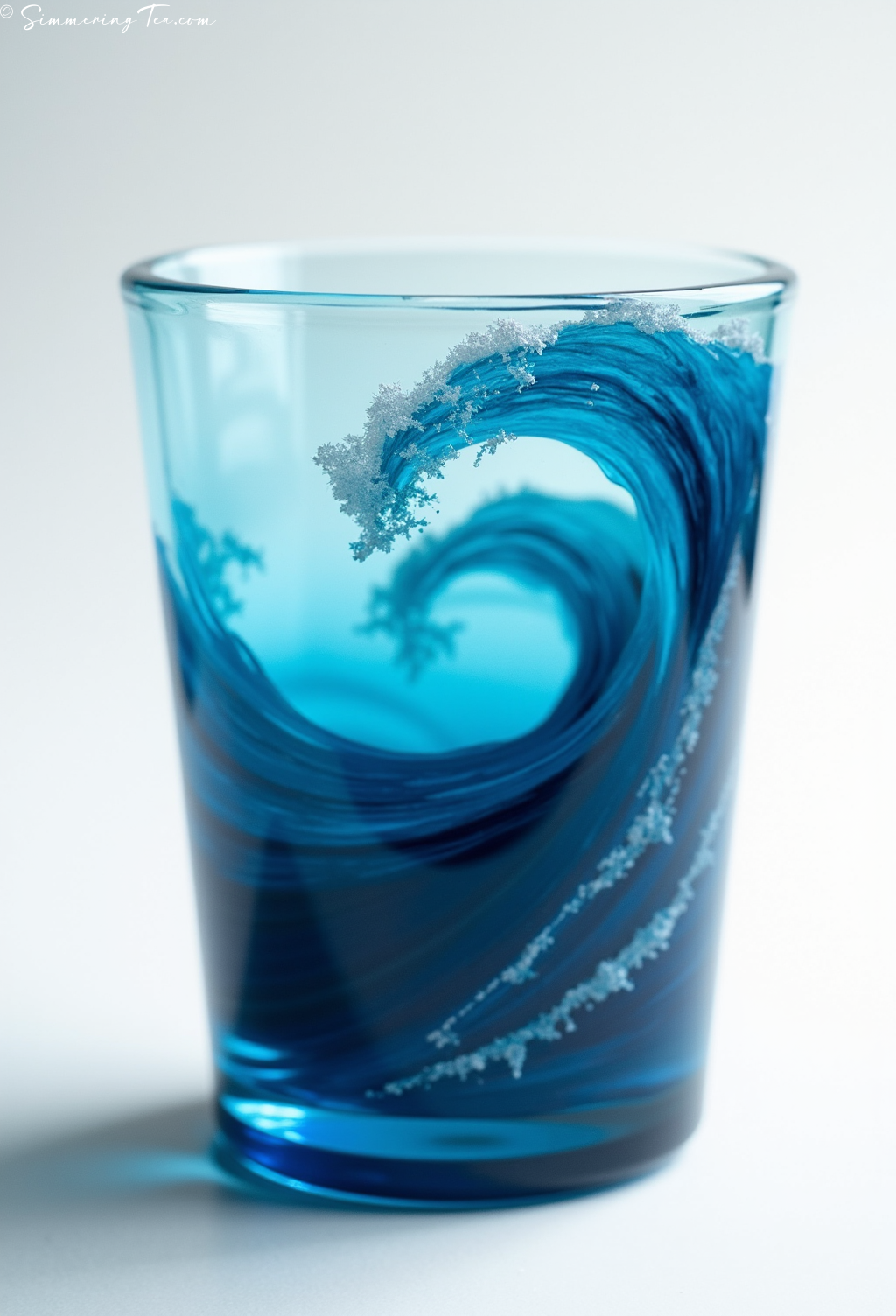
Modern resin casting allows embedding of flowers, leaves, gold leaf, or colors in transparent or translucent material. Each piece becomes a three-dimensional artwork suspended in crystal-clear resin.
Dried Gourd: Natural Vessels
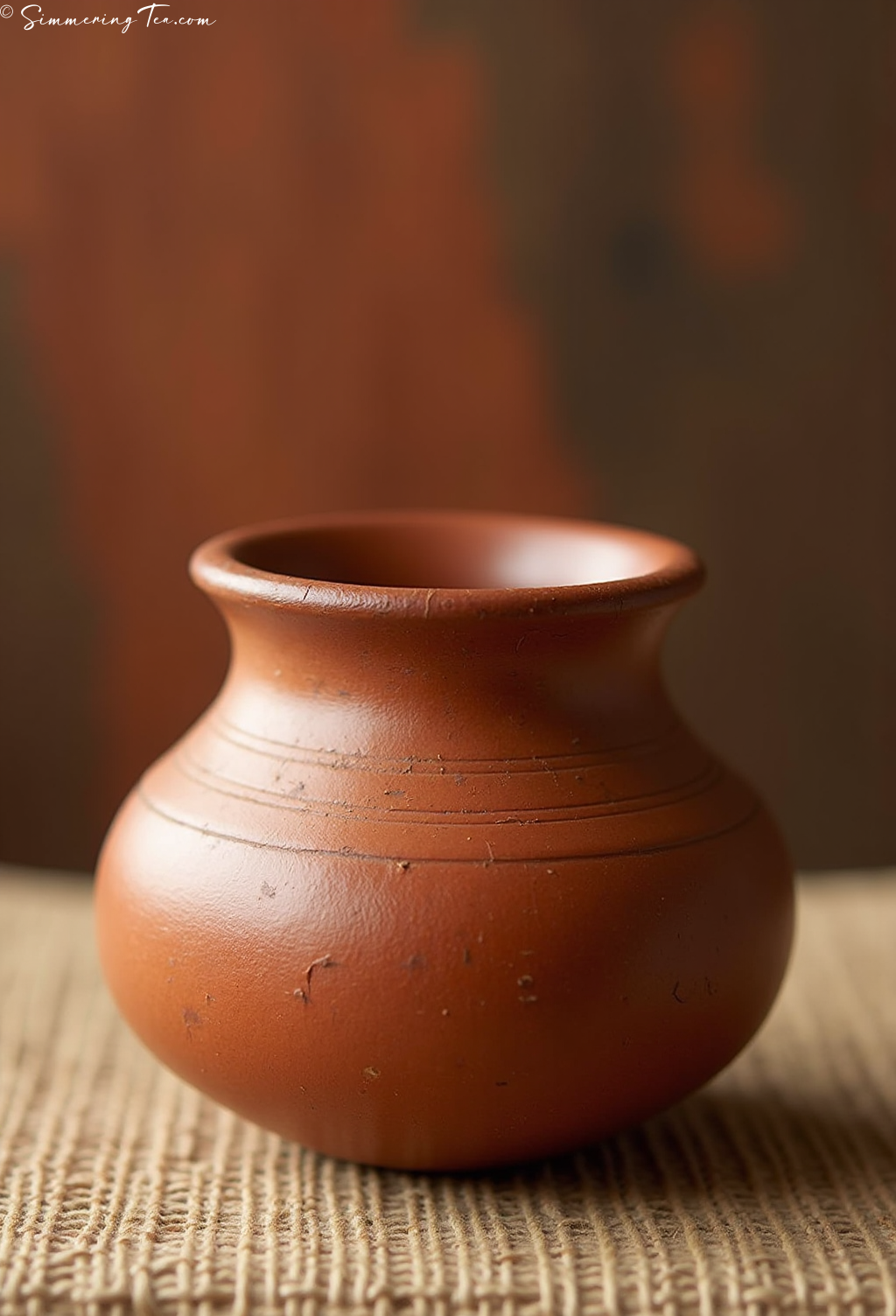
Traditional mate gourds and carved tea vessels honor ancient vessel-making traditions. The organic material breathes and seasons with use, particularly valued in South American mate culture.
Horn and Bone: Primitive Luxury
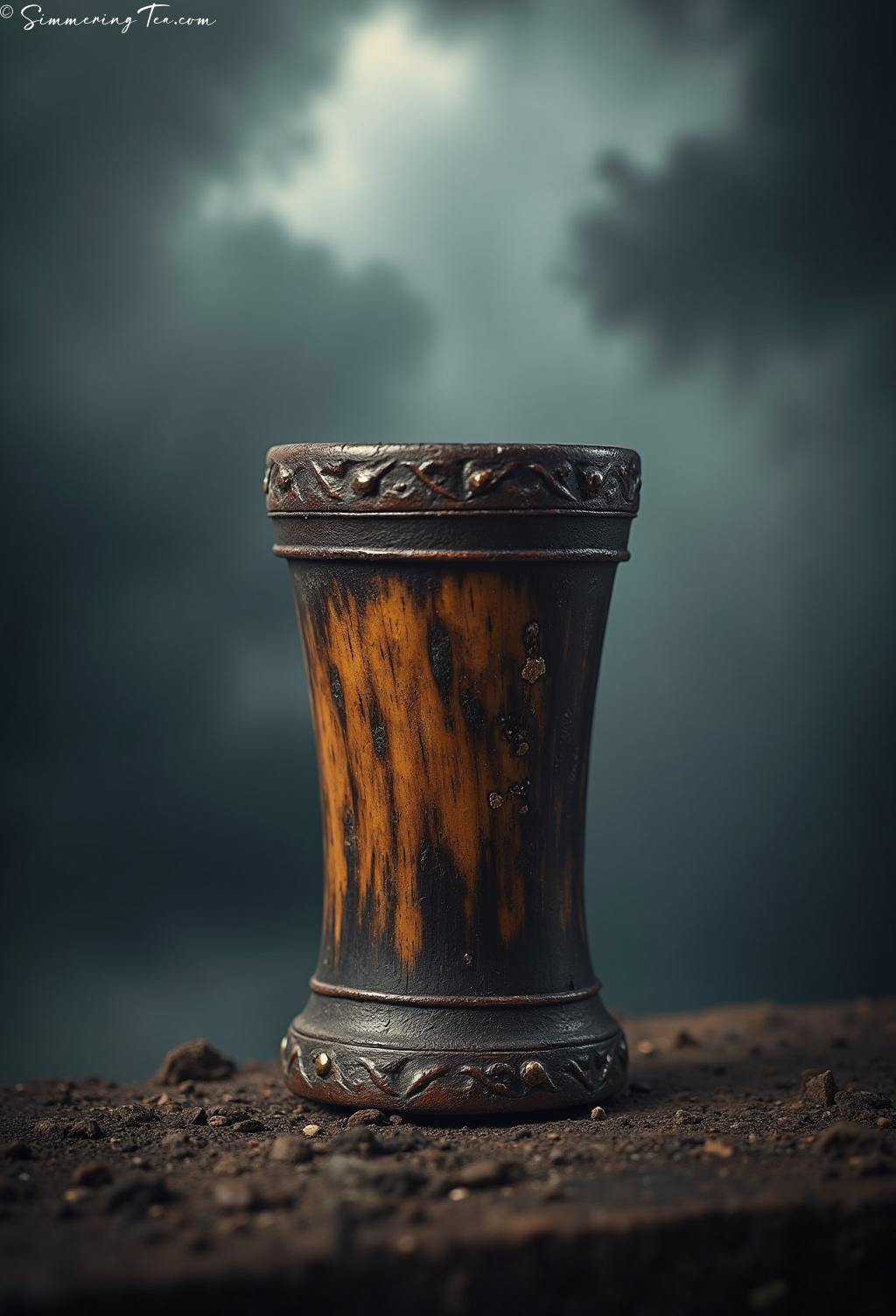
Carved horn or bone vessels connect to ancient drinking traditions. Each piece showcases natural material variations, from translucent honey tones to dramatic marbling.
Designer Movements: Artistic Innovation
Memphis Milano: Postmodern Playfulness
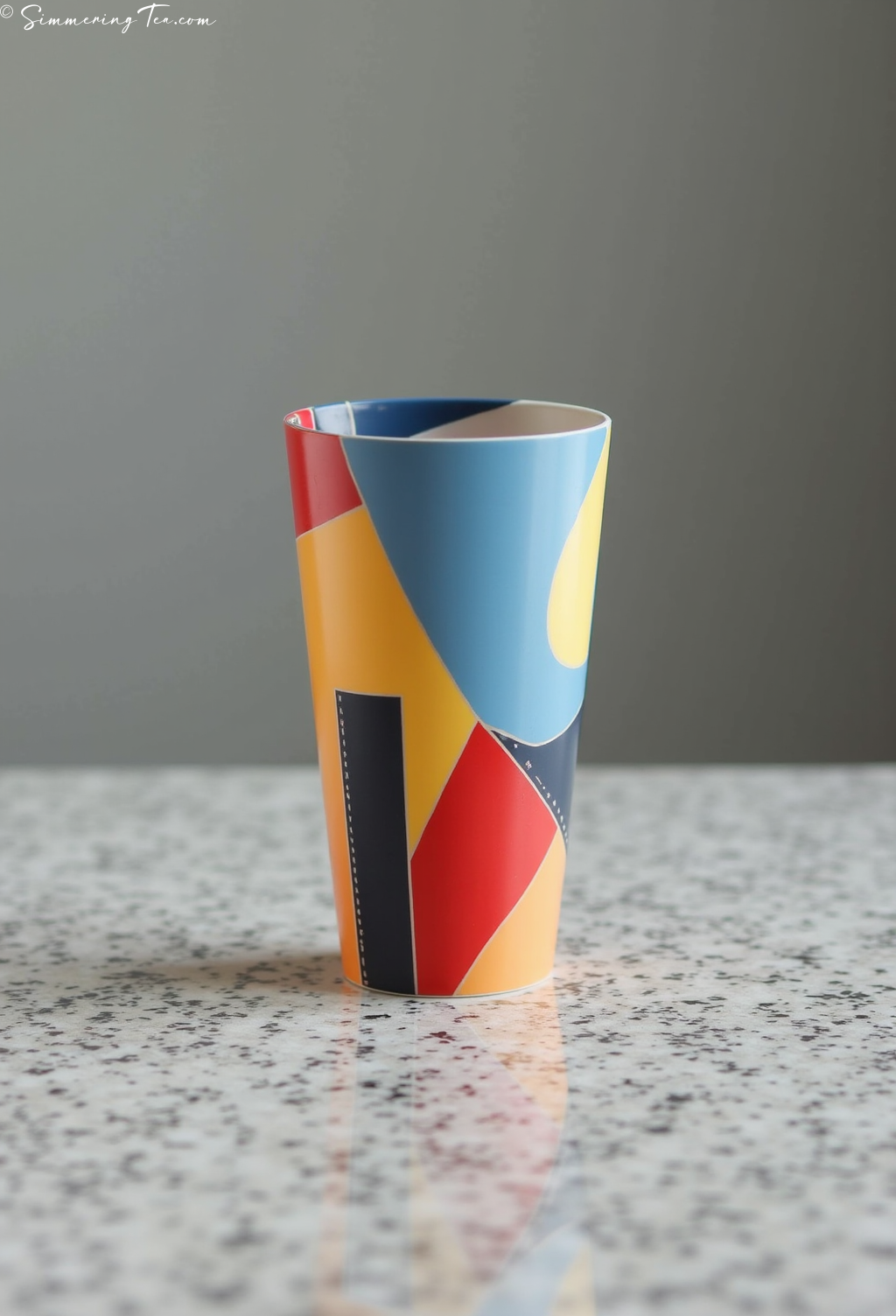
Memphis design group’s bold geometric patterns, bright colors, and playful asymmetry revolutionized 1980s design. Memphis-style tea sets reject conventional elegance for exuberant expression.
Bauhaus: Form Follows Function
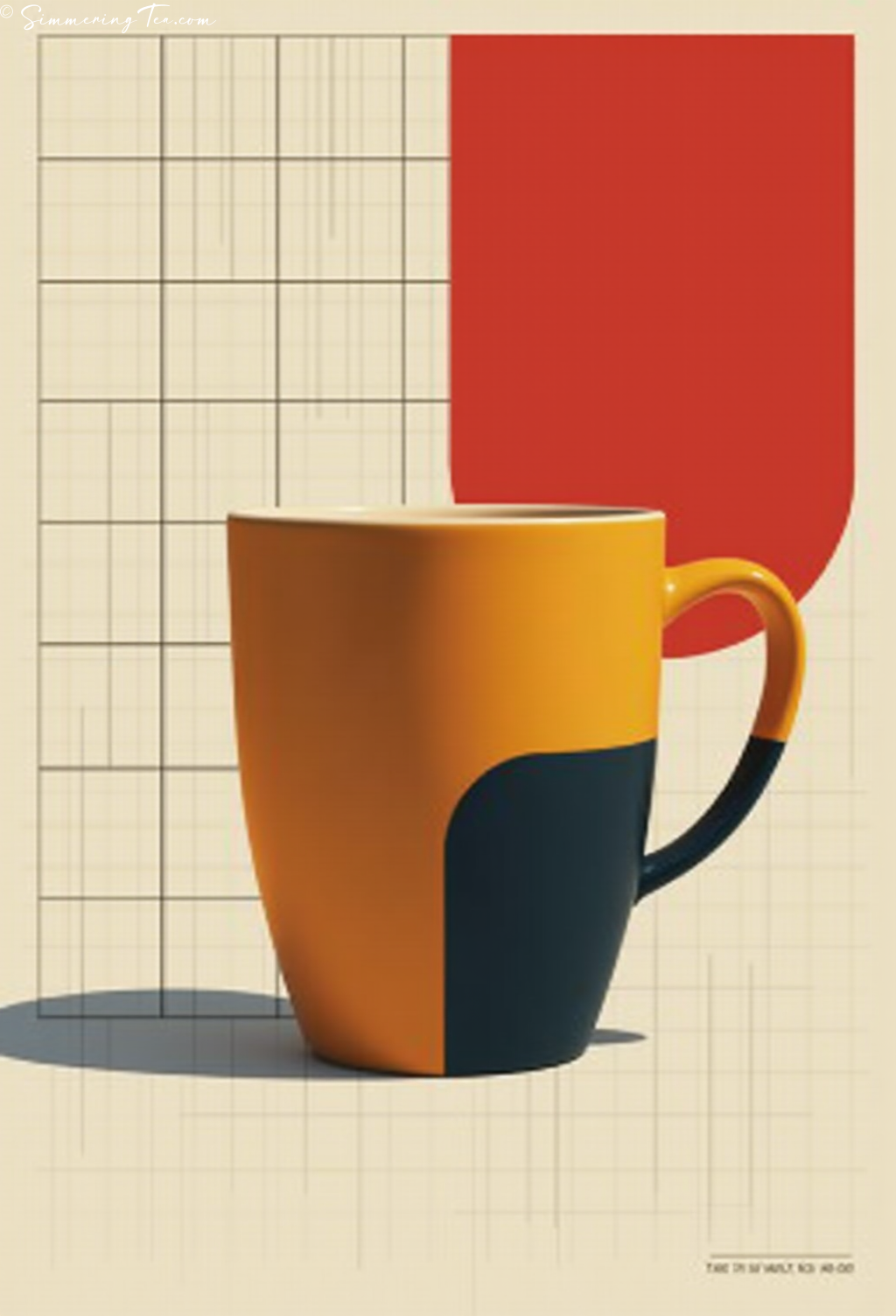
Bauhaus principles emphasize geometric purity, functional honesty, and industrial materials. Bauhaus teaware strips away ornamentation, revealing essential forms.
Marianne Brandt’s iconic tea service designs remain modernist masterpieces nearly a century later.
Art Nouveau: Nature’s Curves
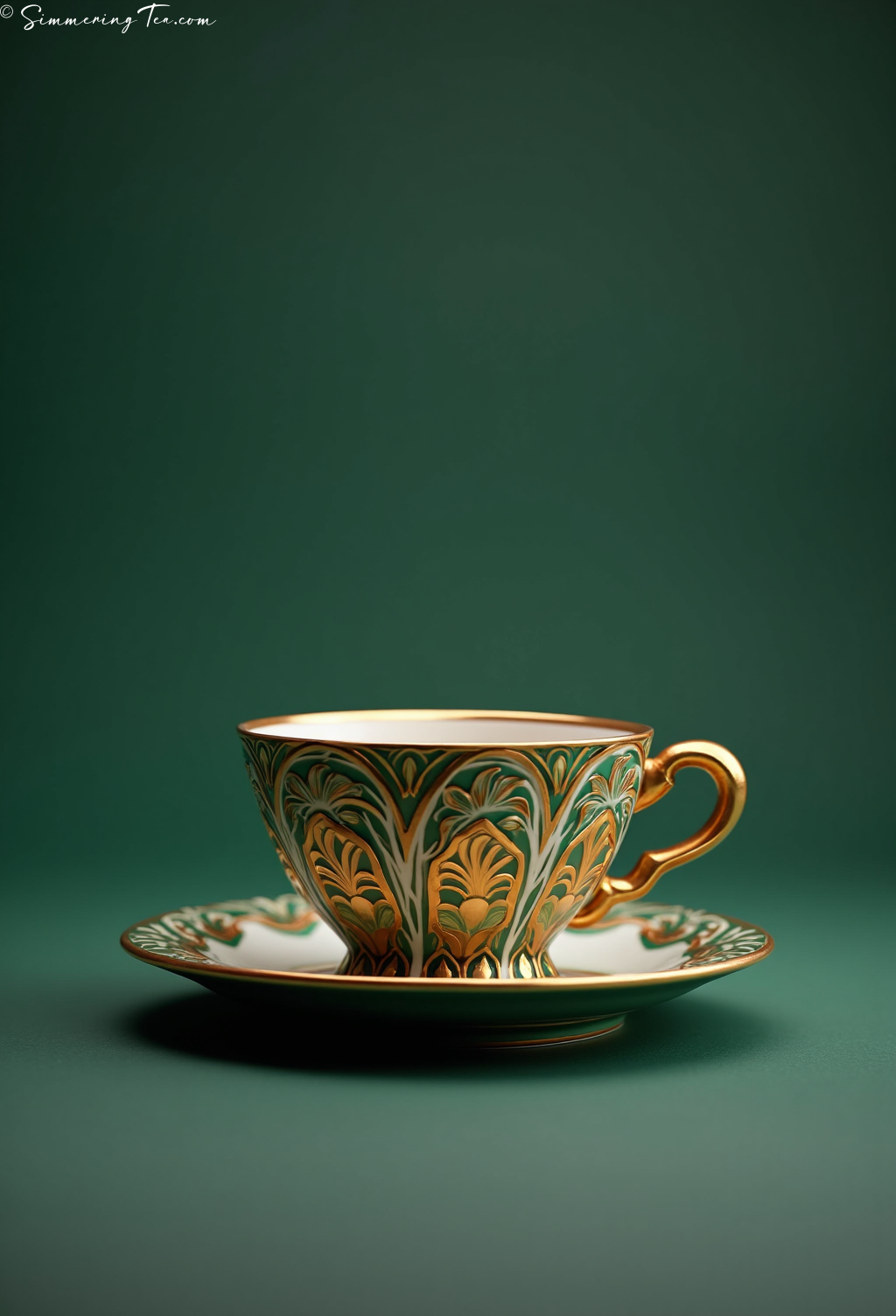
Art Nouveau’s flowing organic forms, stylized natural motifs, and decorative elegance created some of the most beautiful teaware ever produced. Pieces from this period feel both refined and romantic.
Mid-Century Modern: Atomic Age Optimism

Mid-century modern design brought optimism, innovation, and clean lines to teaware. Fiestaware’s bright colors, Heath Ceramics’ minimalism, and Scandinavian design’s natural materials defined postwar tea service.
Scandinavian Design: Democratic Elegance
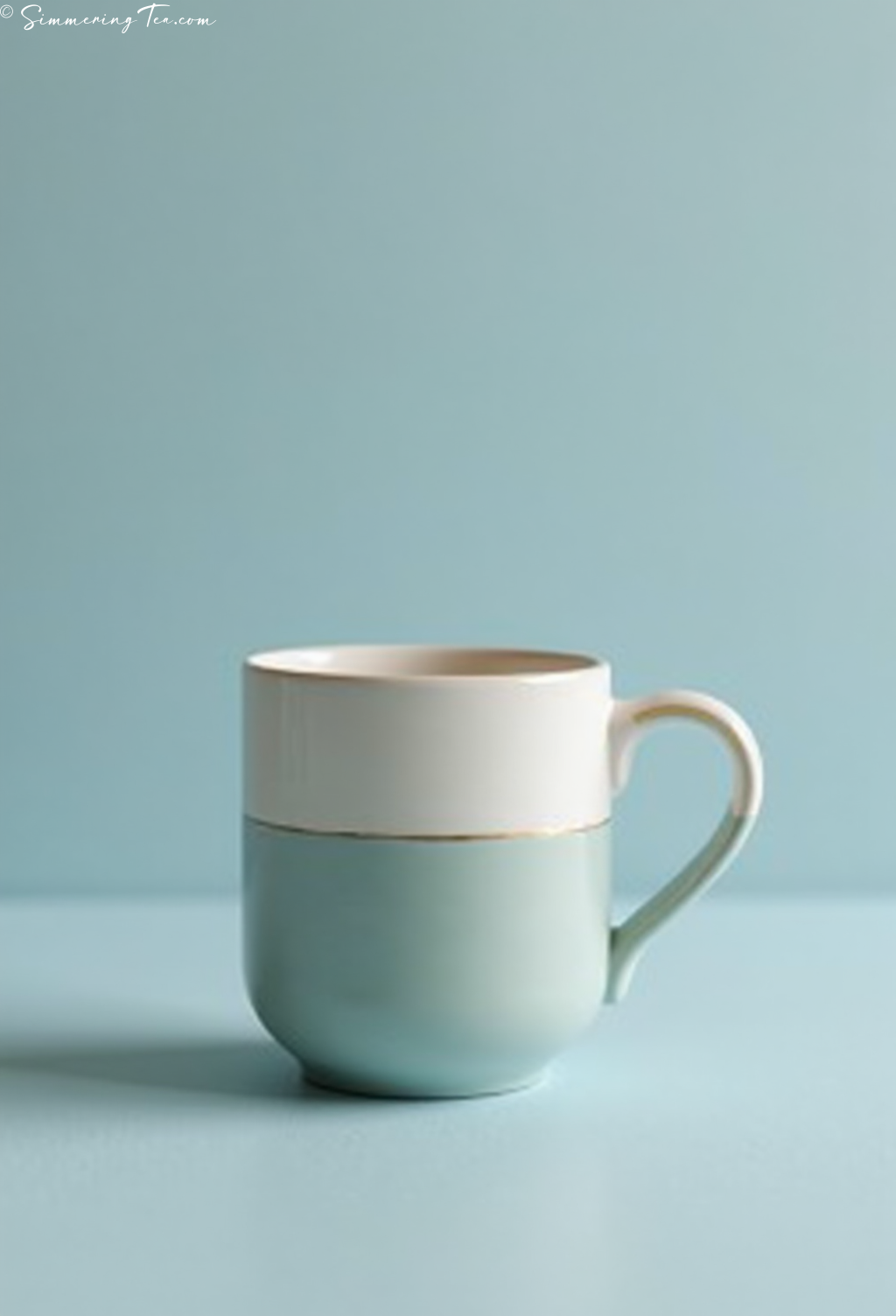
Scandinavian design philosophy emphasizes functional beauty accessible to everyone. Clean lines, natural materials, and human-centered design create tea sets that feel simultaneously modern and timeless.
Brutalist: Raw Concrete Beauty
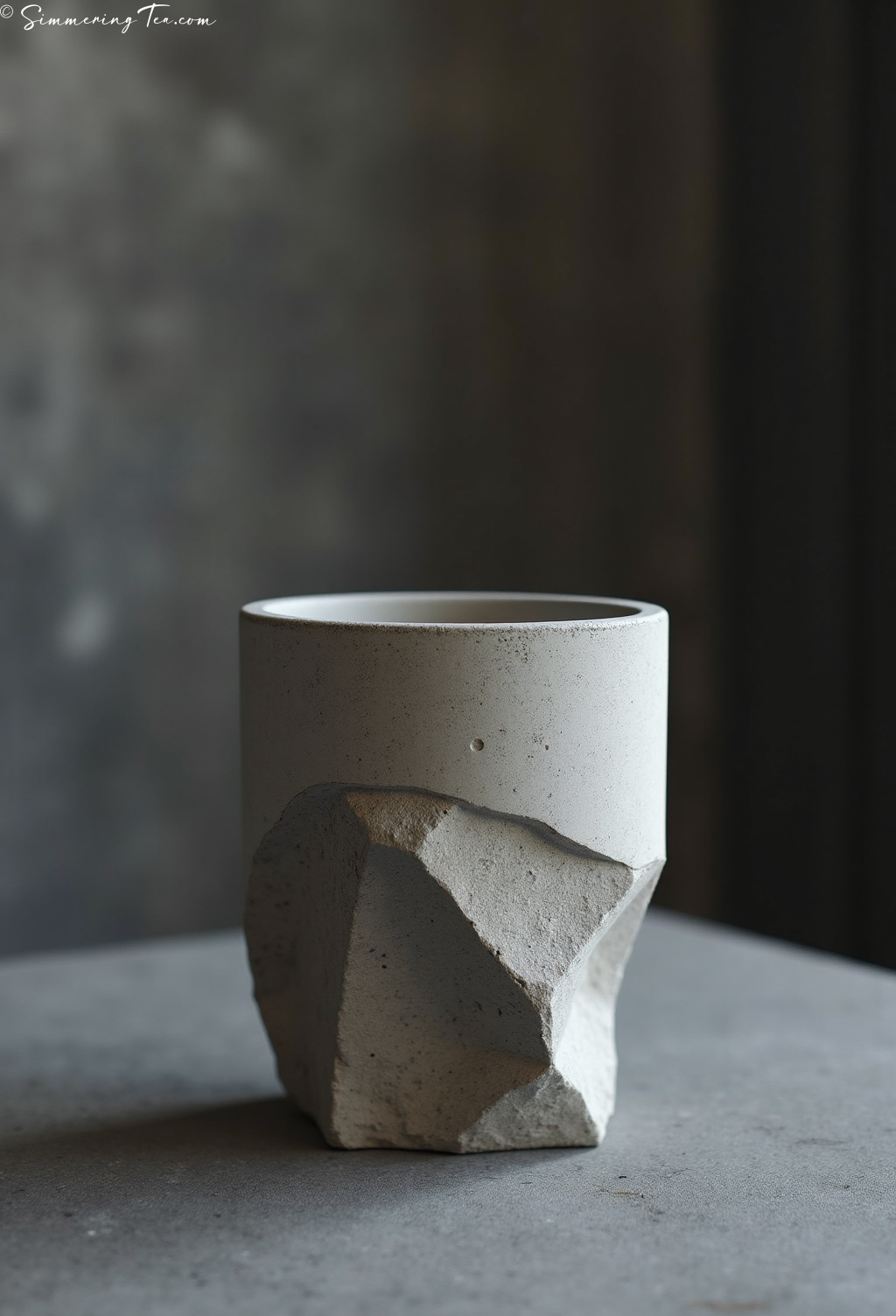
Brutalist teaware embraces raw materials, honest construction, and monumental forms. These pieces make bold statements through sheer presence and uncompromising aesthetic.
Japanese Modern: Zen Minimalism
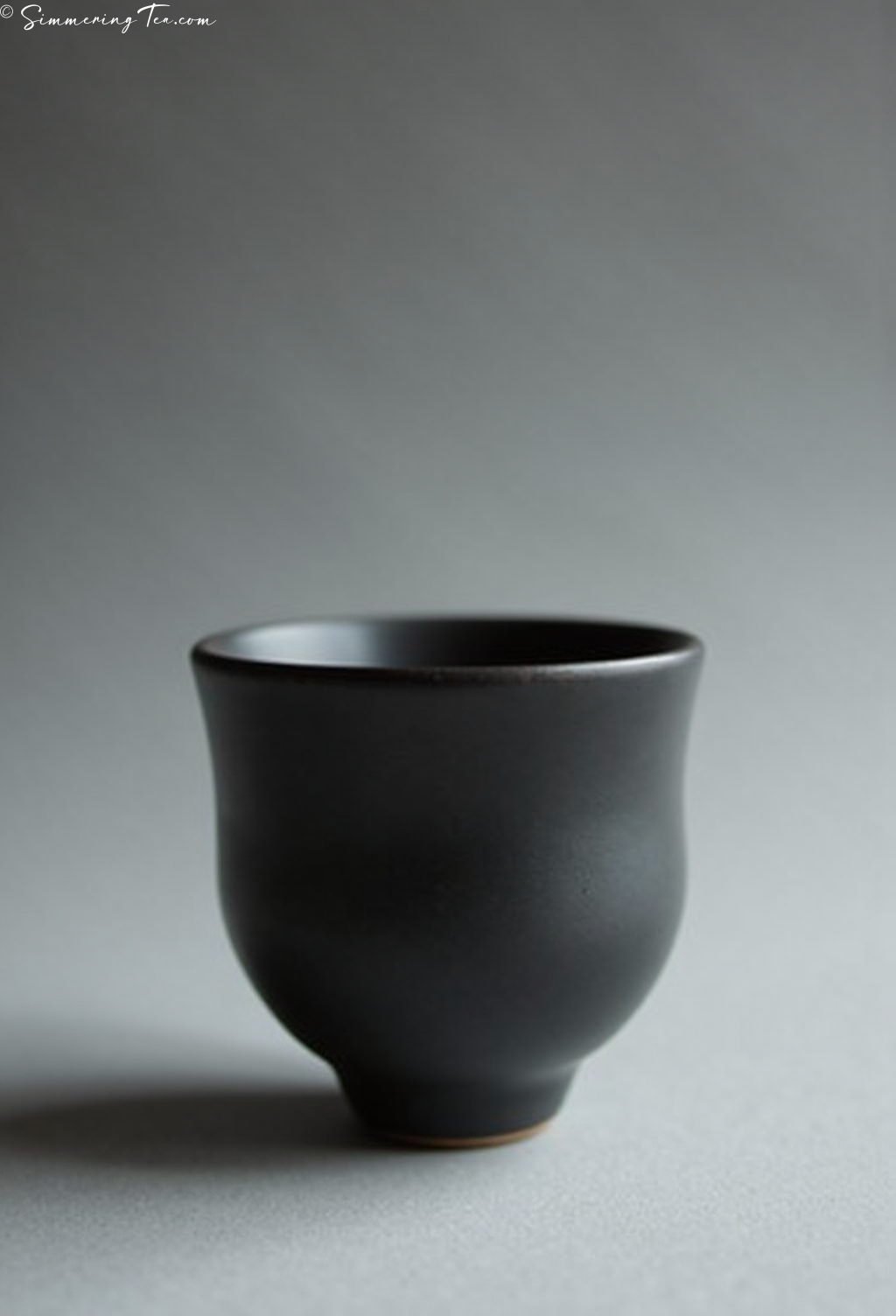
Contemporary Japanese designers merge traditional aesthetics with modern materials and forms. The result balances zen simplicity with innovative thinking, creating teaware that feels both ancient and contemporary.
Whimsical and Sculptural: Tea as Art
Face Designs: Personality in Porcelain
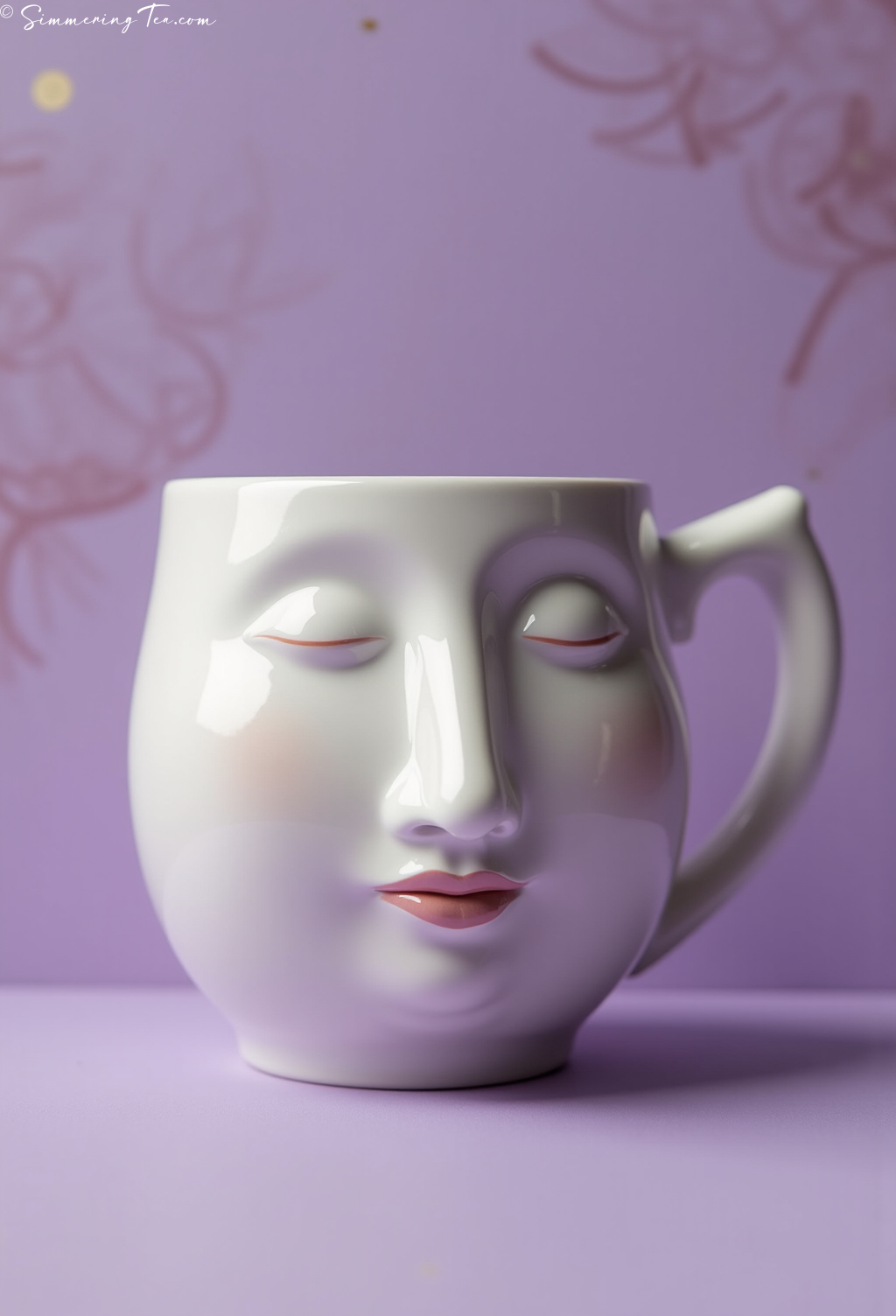
Cups featuring human faces add personality and humor to tea drinking. From classical sculpture references to contemporary caricatures, these pieces make tea time more personal and playful.
Animal Shapes: Creature Companions

Animal-shaped teaware transforms functional objects into sculptural representations of beloved creatures. From realistic wildlife to stylized cartoons, these whimsical tea cups bring joy to every sip.
Geometric Sculptures: Angular Innovation
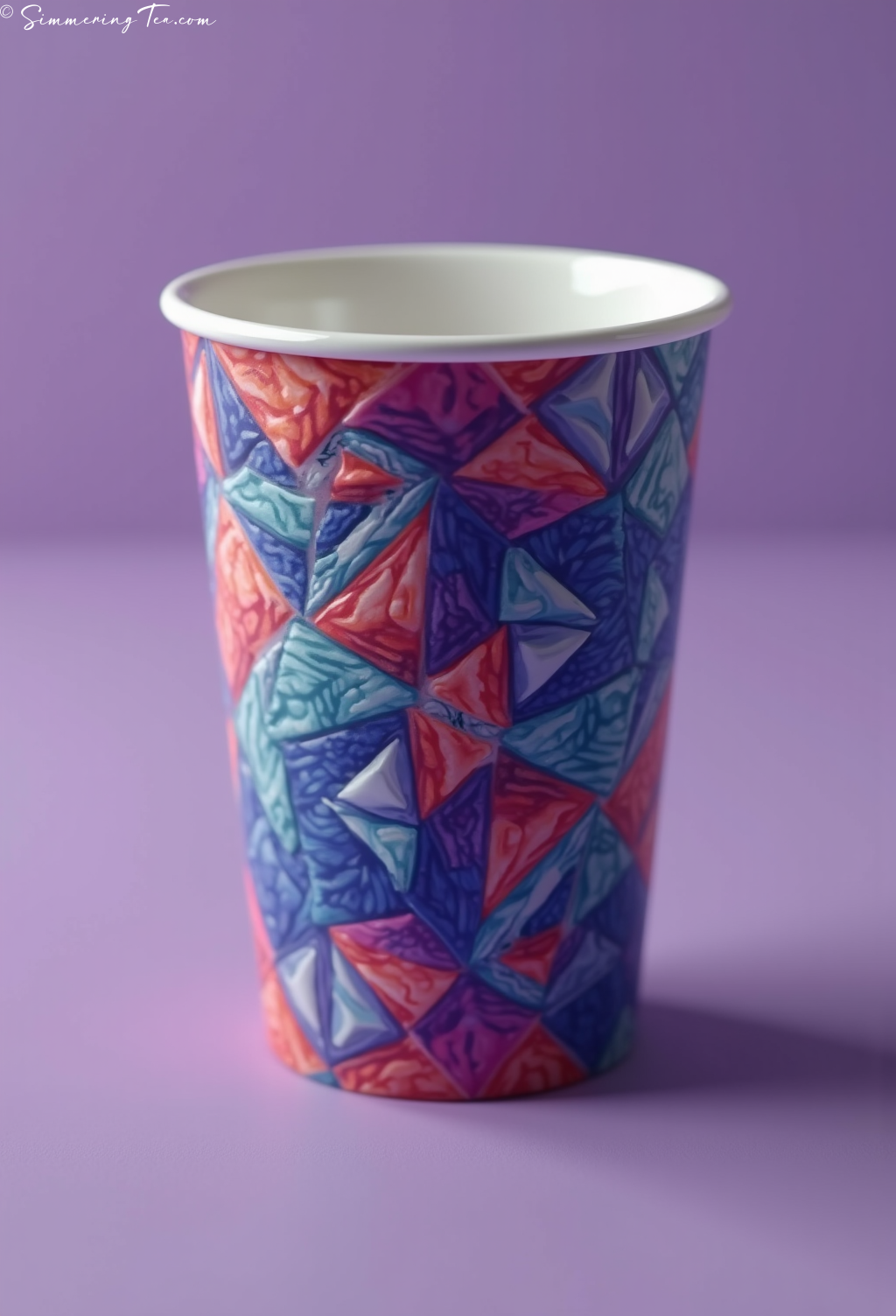
Geometric teaware explores mathematical forms—dodecahedrons, crystal shapes, impossible angles. These pieces challenge conventional cup shapes while maintaining functionality.
Cloud Forms: Floating Dreams
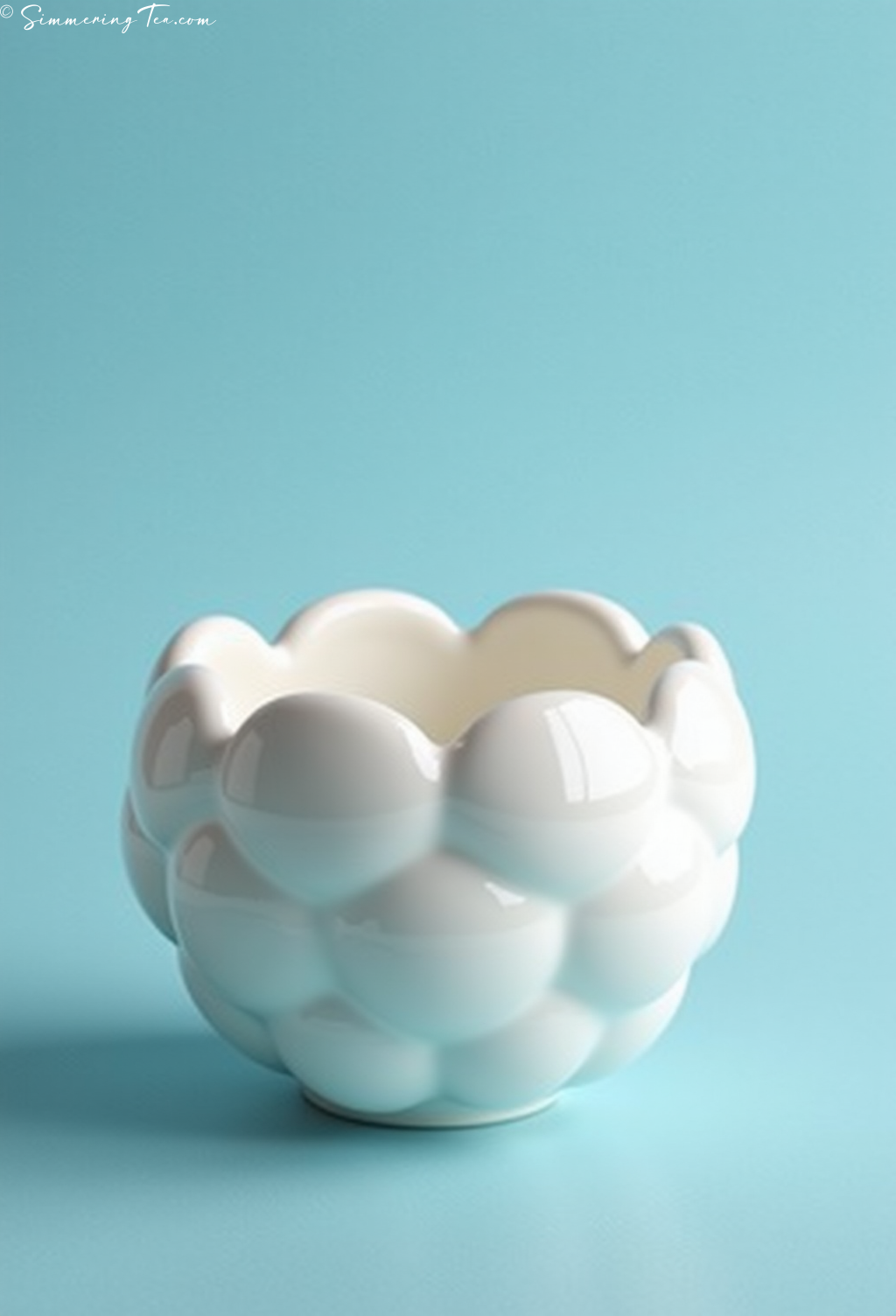
Soft, organic cloud shapes create dreamy, ethereal teaware. These pieces bring lightness and whimsy, transforming tea breaks into moments of imagination.
Melting Designs: Surreal Salvador Dalí
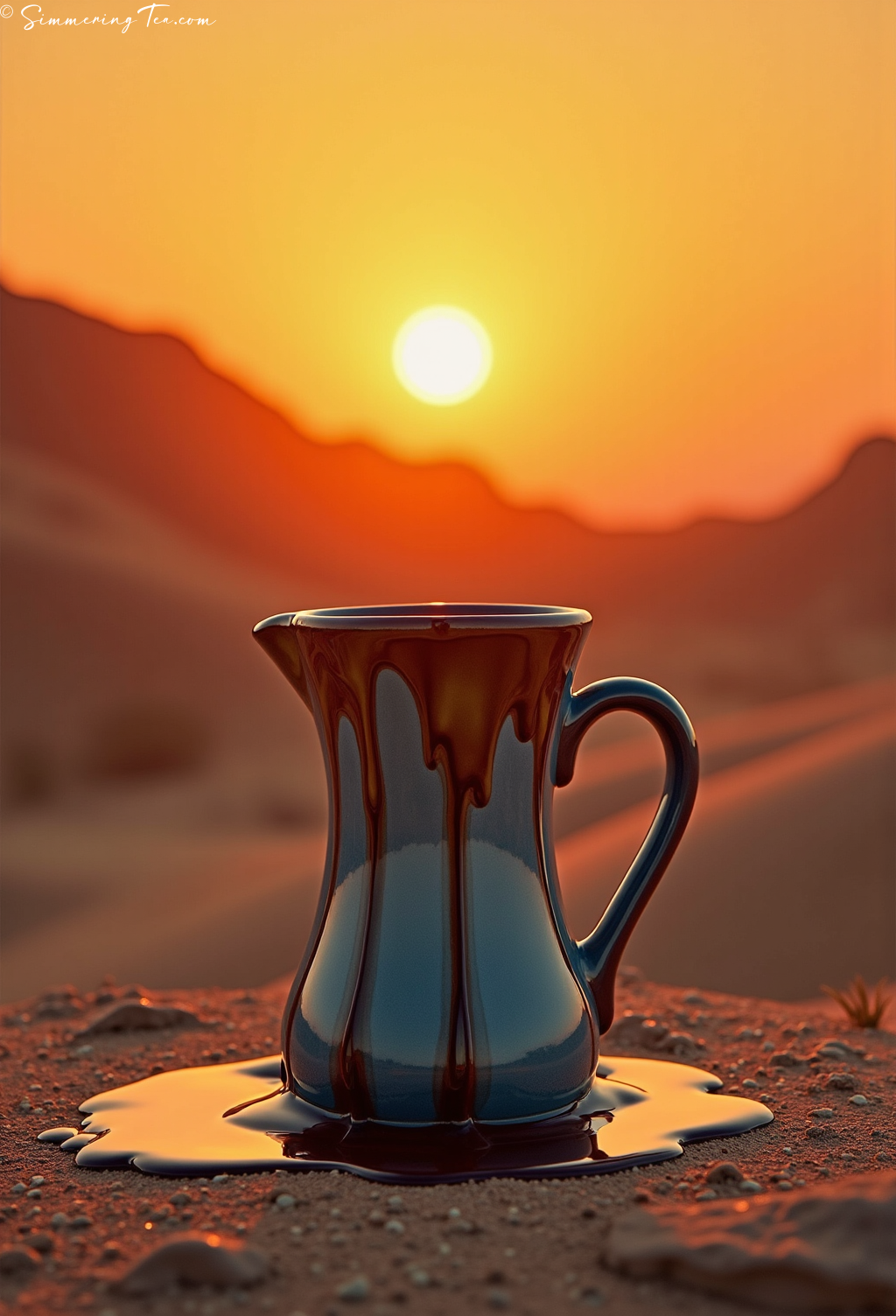
Dalí-inspired melting or distorted teaware plays with perception and expectations. These surrealist pieces challenge what cups “should” look like while remaining perfectly functional.
Origami: Folded Elegance
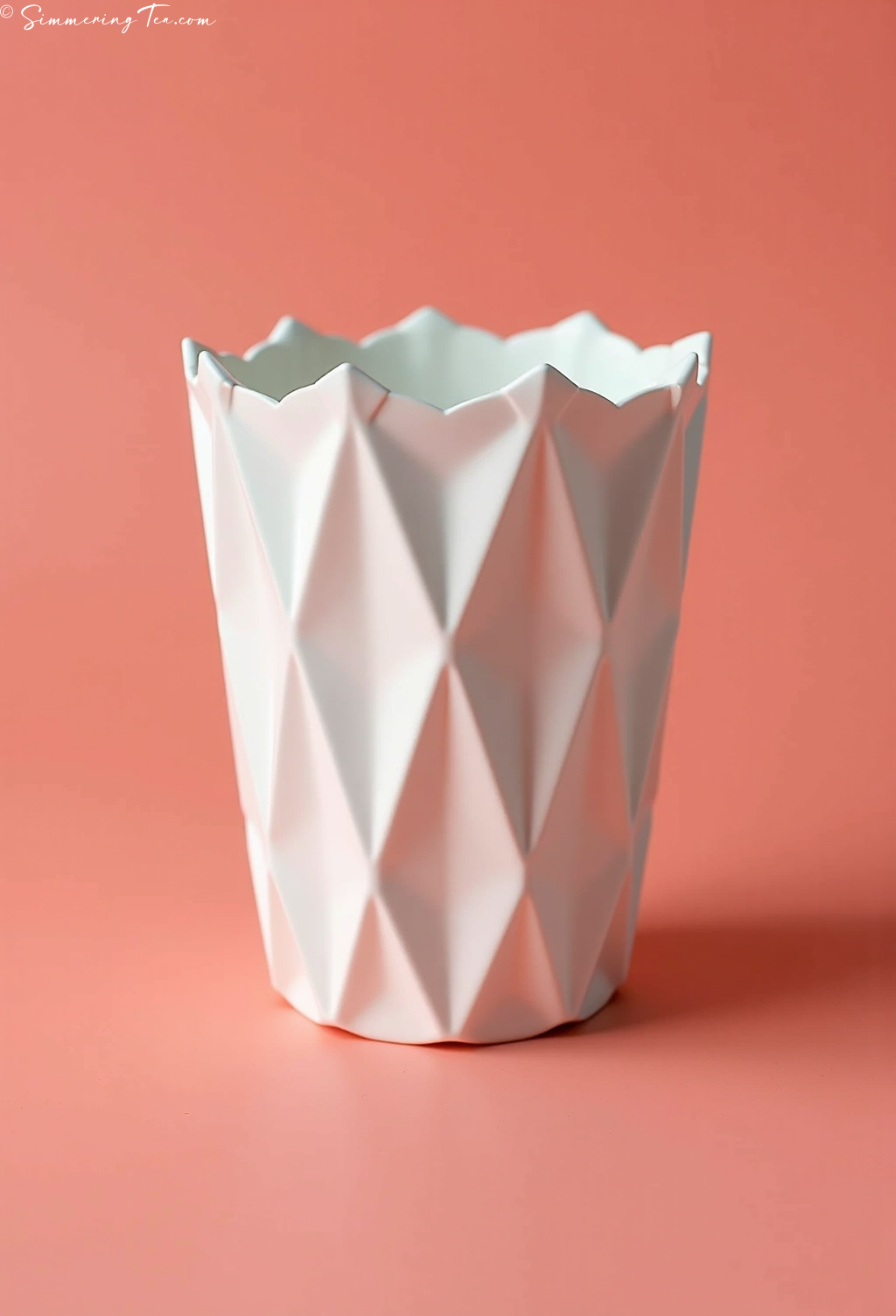
Teaware inspired by origami paper-folding captures angular grace and geometric precision. These pieces freeze folded forms in ceramic or metal, creating dynamic, sculptural presence.
Mosaic: Colorful Fragments
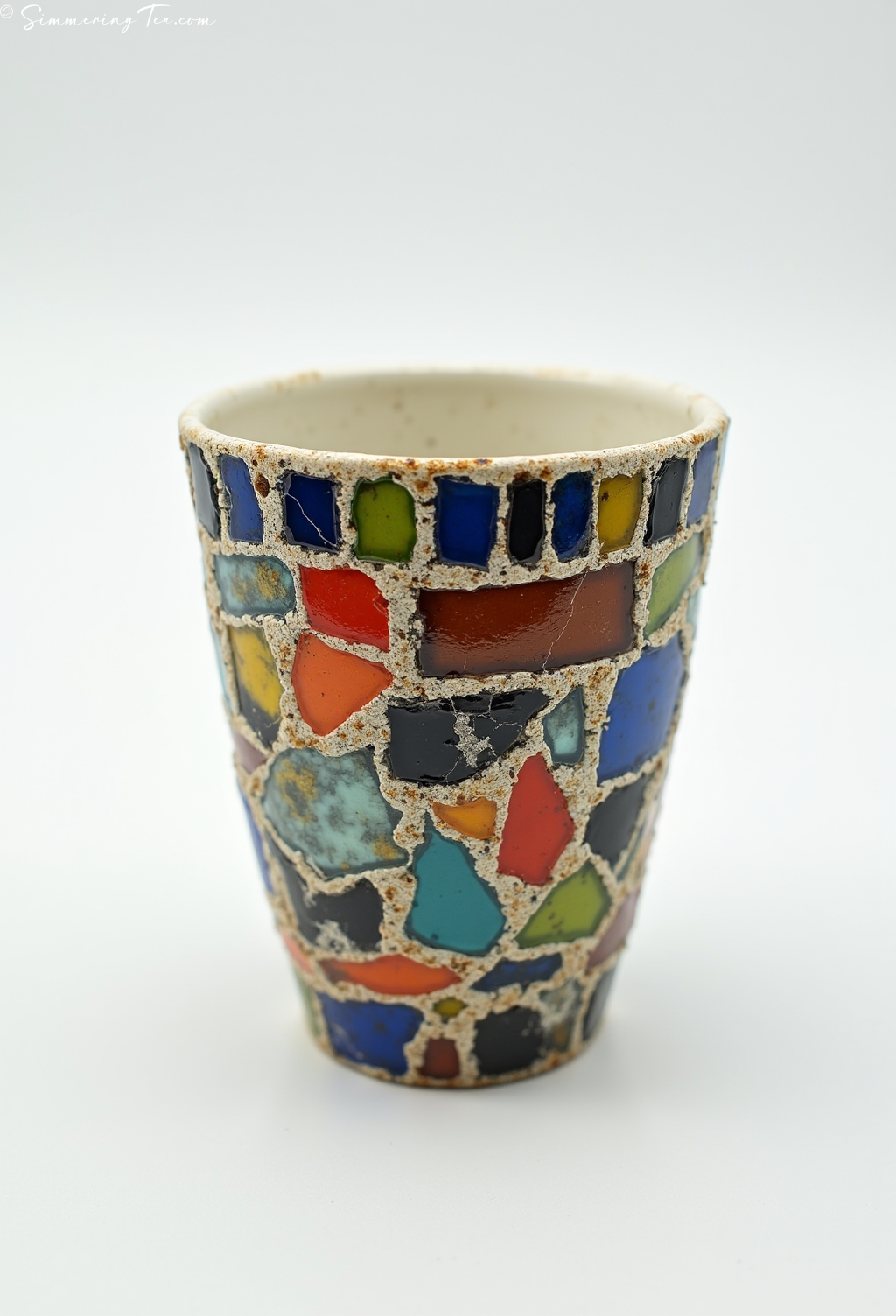
Mosaic teaware features embedded tile fragments creating colorful, textured surfaces. Each piece becomes a miniature artwork, with patterns ranging from traditional to contemporary.
Building Your Unique Teaware Collection
Where to Find Unique Pieces
Building a collection of unique teaware requires exploration beyond mainstream retailers:
- Artisan Markets and Craft Fairs – Meet makers directly and commission custom pieces
- Online Craft Marketplaces – Platforms like Etsy connect you with independent ceramicists worldwide
- Gallery Shops – Fine craft galleries curate exceptional maker collections
- Studio Visits – Many ceramicists welcome visitors by appointment
- Museum Shops – Often feature work by contemporary makers and licensed reproductions
- Specialty Tea Shops – Curate interesting teaware alongside quality teas
Commissioning Custom Pieces
Working directly with artisans allows creating truly personal teaware:
- Share your aesthetic preferences and functional needs
- Discuss size, capacity, and ergonomic considerations
- Choose colors, textures, and decorative elements
- Expect 6-12 weeks for completion depending on technique
- Budget appropriately—custom work reflects maker skill and time
Care and Maintenance
Unique teaware often requires special care:
Raku and Unglazed Ceramics:
- Hand wash only with gentle soap
- Avoid extreme temperature changes
- Allow to dry completely between uses
- Some pieces will stain and develop patina—this is normal and valued
Metal Teaware:
- Polish silver and brass regularly to prevent tarnish
- Copper may develop verdigris—remove if preferred or embrace the patina
- Cast iron requires seasoning and should never be washed with soap
- Dry thoroughly to prevent rust or spotting
Glass Teaware:
- Hand wash double-wall pieces to prevent water between walls
- Avoid abrasive scrubbers that can scratch surfaces
- Check for cracks regularly, especially with borosilicate
Unusual Materials:
- Research specific care requirements for bamboo, horn, or resin
- Avoid dishwashers for handcrafted or natural material pieces
- Oil wooden or horn pieces occasionally to prevent drying
The Philosophy of Unique Teaware
Choosing unique teaware is about more than aesthetics—it’s a statement about values and priorities:
Supporting Artisan Craftsmanship
Purchasing handcrafted teaware directly supports skilled makers keeping traditional techniques alive while innovating for contemporary contexts. Each purchase preserves craft knowledge and enables artists to continue creating.
Expressing Personal Identity
Unlike mass-produced items, unique teaware allows expressing individuality. Your collection becomes a reflection of your aesthetic sensibility, values, and the experiences you’ve had discovering each piece.
Mindful Consumption
Investing in fewer, higher-quality unique pieces encourages mindful consumption. These items last lifetimes when cared for properly, reducing waste and creating meaningful relationships with objects we use daily.
Enhancing the Tea Ritual
Extraordinary teaware elevates the simple act of drinking tea into a multi-sensory ritual. The weight in your hand, the texture against your lips, the visual beauty—all contribute to fuller, more present tea experiences.
Investing in Unique Teaware
Some unique teaware appreciates significantly:
- Work by Established Studio Potters – Pieces by recognized ceramicists gain value
- Limited Editions – Designer collaborations and limited runs become collectible
- Historical Pieces – Mid-century modern and Art Nouveau examples appreciate steadily
- Museum-Quality Craft – Work in permanent collections or by award winners
- Culturally Significant Pieces – Authentic ethnic or traditional items from master artisans
Conclusion: Your Perfect Cup Awaits
The world of unique teaware offers endless possibilities for discovery and delight. From ancient raku traditions to contemporary designer innovations, from precious metals to unexpected materials, there’s extraordinary teaware waiting to transform your tea ritual.
Whether you’re drawn to the organic imperfection of wabi-sabi ceramics, the technical brilliance of crystalline glazes, the sustainable beauty of bamboo and coconut, or the playful personality of sculptural designs, unique teaware allows you to drink tea exactly your way.
Start exploring. Visit studios, browse craft markets, commission custom pieces, or discover unique tea cups and sets from independent makers. Each piece you add to your collection brings new dimensions to your tea experience—tactile, visual, and philosophical.
Remember: the perfect tea cup doesn’t follow rules or conventions. It’s the one that makes you smile when you hold it, that fits your hand perfectly, that makes even everyday tea feel special. It’s the one that tells your story.
What unique teaware speaks to you? Share your favorite discoveries in the comments below!


