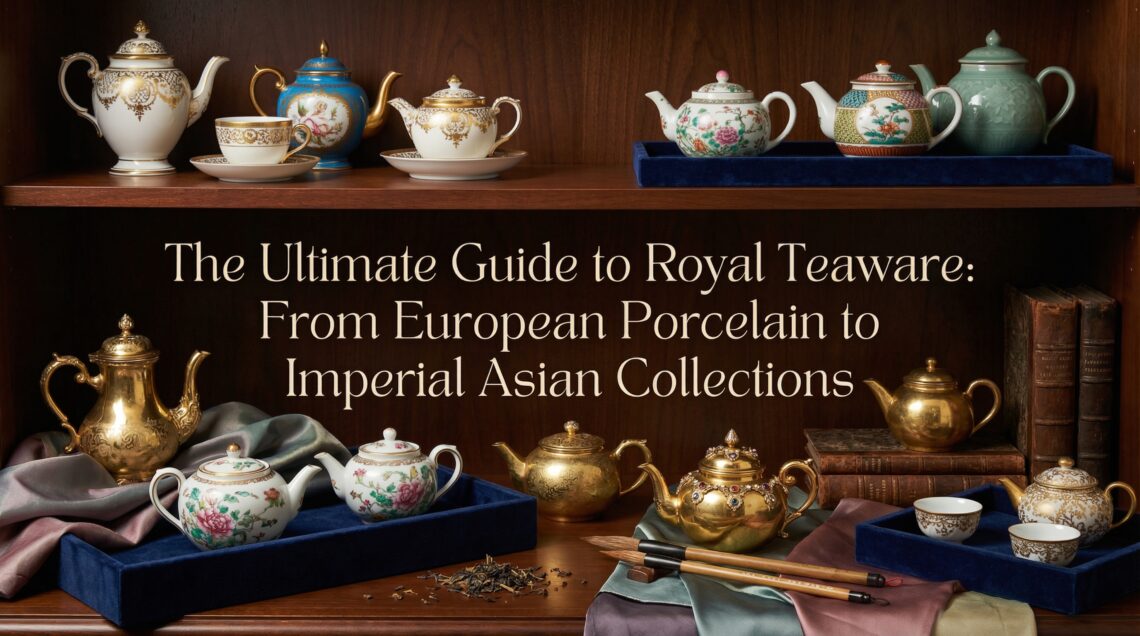
Tea drinking has always been associated with refinement and elegance, but nowhere is this more evident than in the world of royal teaware. From the gilded halls of European palaces to the Forbidden City’s imperial chambers, extraordinary tea services have been created to honor this beloved beverage and those who drink it.
Whether you’re a collector seeking fine porcelain tea sets, a history enthusiast fascinated by royal traditions, or simply someone who appreciates the finest craftsmanship, this comprehensive guide will take you on a journey through the most prestigious teaware collections in the world.
European Royal Porcelain: The Pinnacle of Ceramic Arts
Meissen: Europe’s First True Porcelain
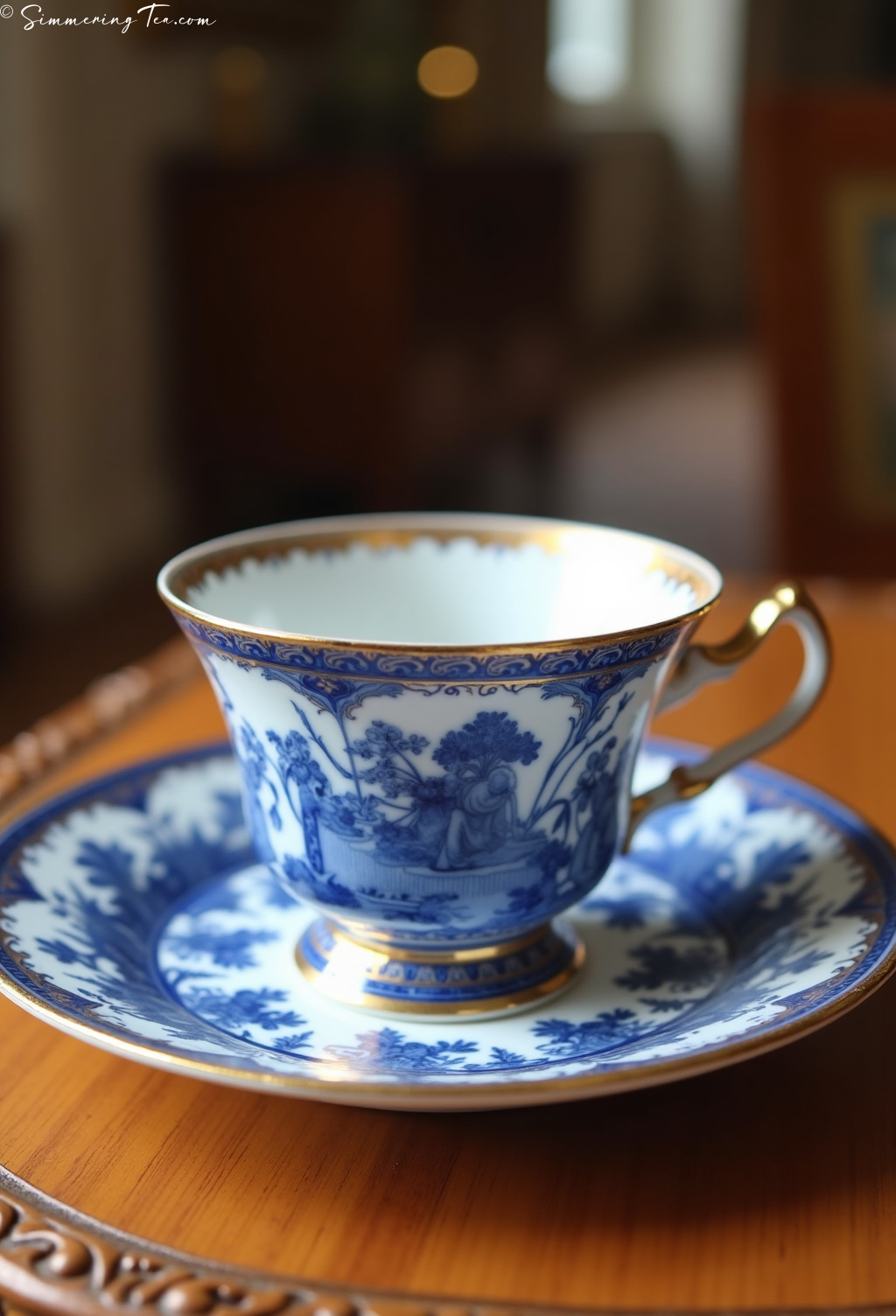
In 1708, Meissen became the first European manufacturer to crack the secret of true porcelain, previously known only to the Chinese. This German manufactory quickly became synonymous with luxury, creating exquisite tea services that adorned royal tables across Europe.
Meissen’s hallmark crossed swords mark has become one of the most recognizable symbols in the porcelain world. Their tea sets feature intricate hand-painted florals, gilt detailing, and sculptural handles that transform functional items into works of art.
Sèvres: French Royal Elegance
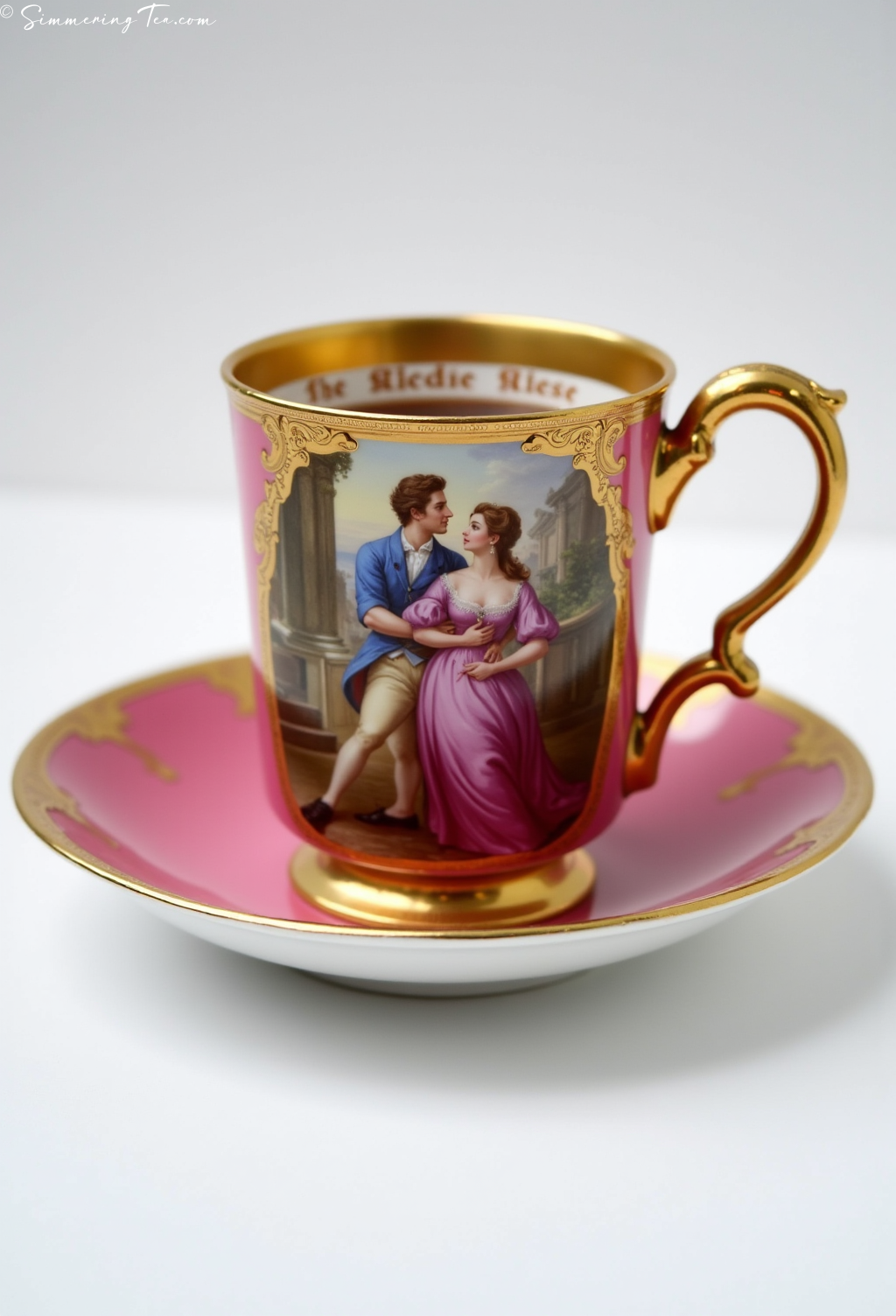
Established in 1740 and later supported by Louis XV and Madame de Pompadour, Sèvres became the official supplier to the French court. Their distinctive rose Pompadour pink and bleu de roi (royal blue) backgrounds became instantly recognizable markers of French luxury.
Sèvres tea services often featured elaborate gilding, romantic pastoral scenes, and the finest enamel work in Europe. Owning a Sèvres-style tea set brings a touch of Versailles to your table.
Wedgwood: British Innovation and Elegance
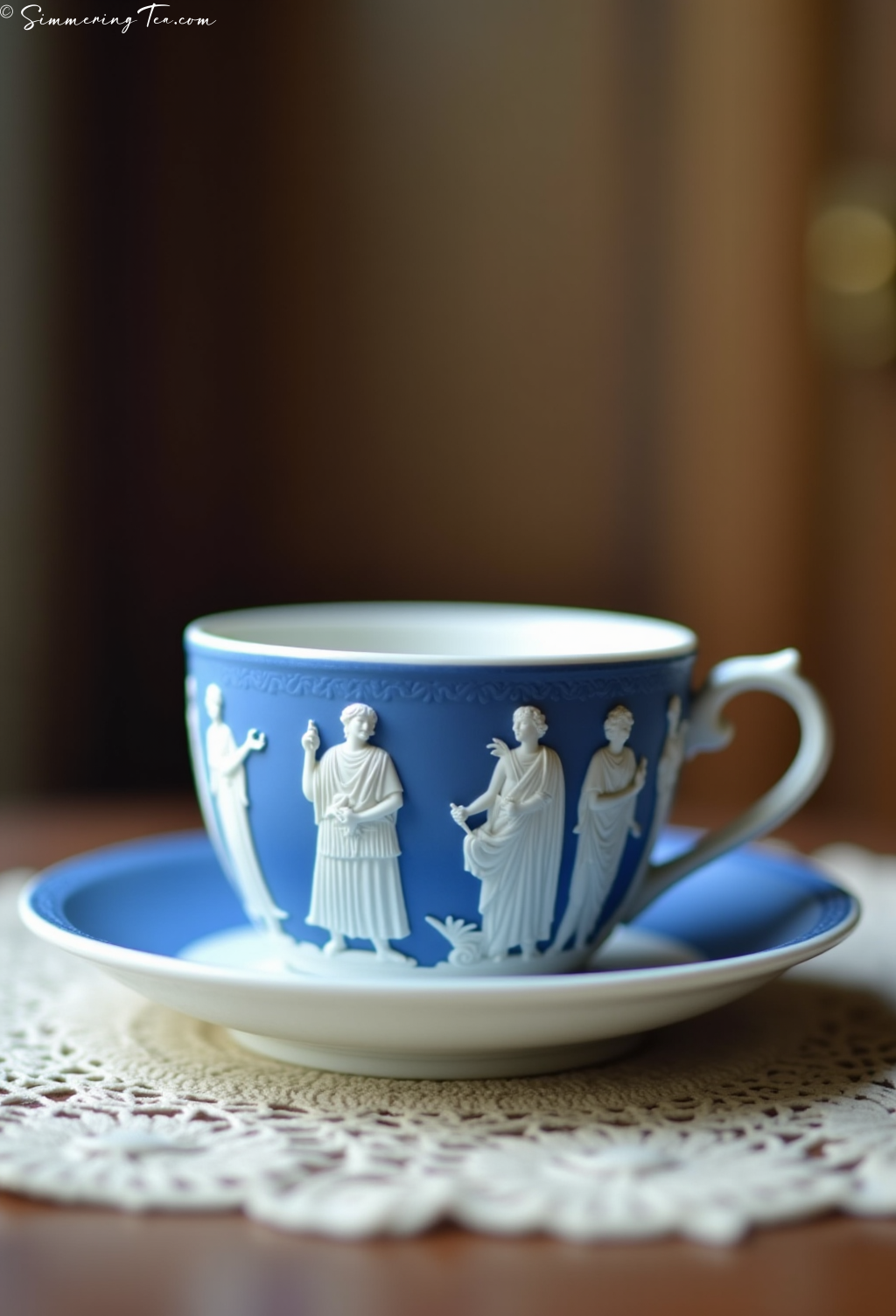
Josiah Wedgwood revolutionized British ceramics in the 18th century, creating the iconic Jasperware with its distinctive matte finish and classical white relief decorations on colored backgrounds. Queen Charlotte herself became a patron, allowing Wedgwood to use the title “Potter to Her Majesty.”
From elegant Jasperware to fine bone china, Wedgwood tea sets represent the pinnacle of British ceramic artistry and remain highly collectible today.
Limoges: French Porcelain Excellence
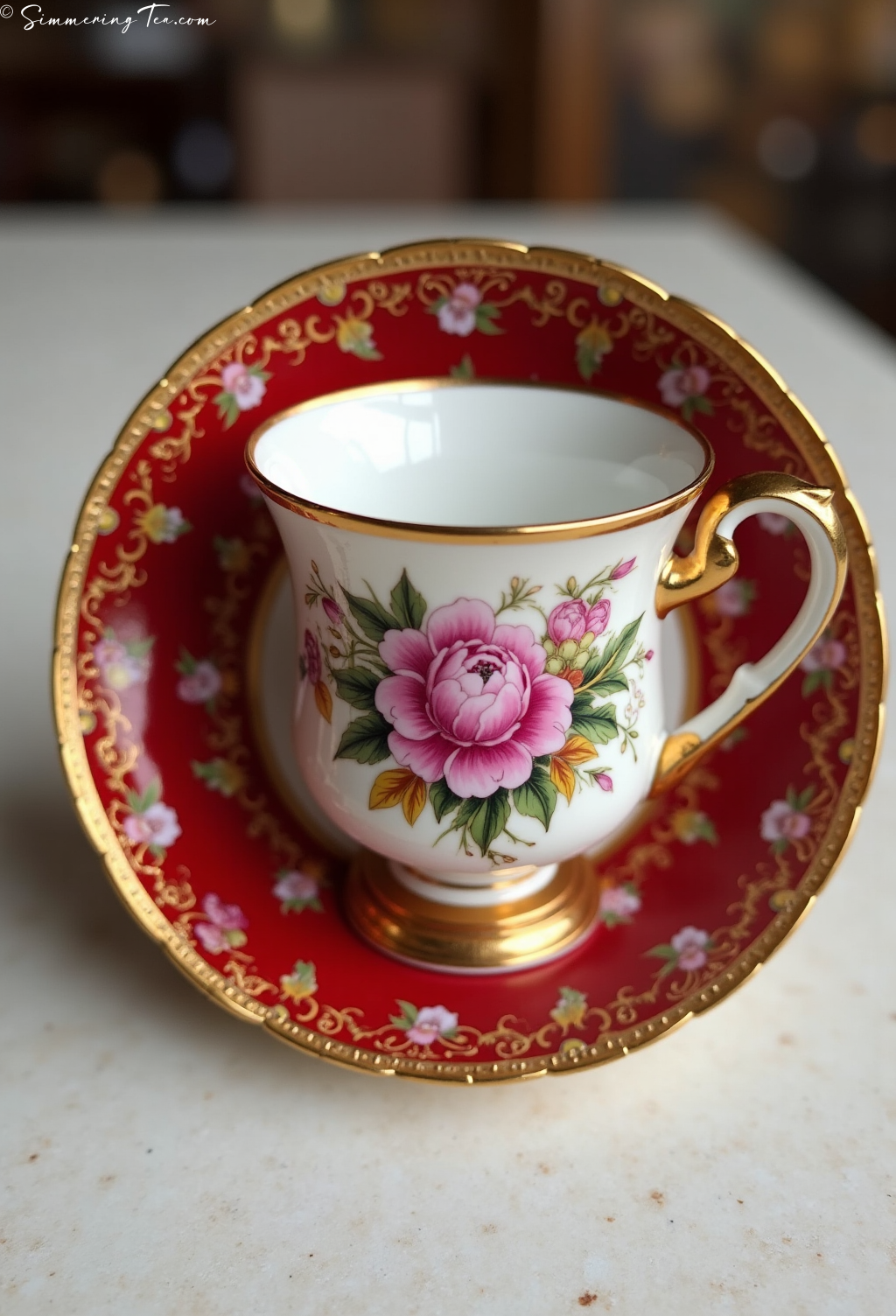
The discovery of kaolin clay near Limoges in 1768 transformed this French city into a porcelain powerhouse. Limoges porcelain became renowned for its pure white body, delicate translucency, and ability to showcase the most intricate hand-painted decorations.
Limoges tea services graced royal tables and wealthy homes throughout Europe and America, with each piece representing hundreds of hours of skilled artisan work.
Herend: Hungarian Royal Appointments
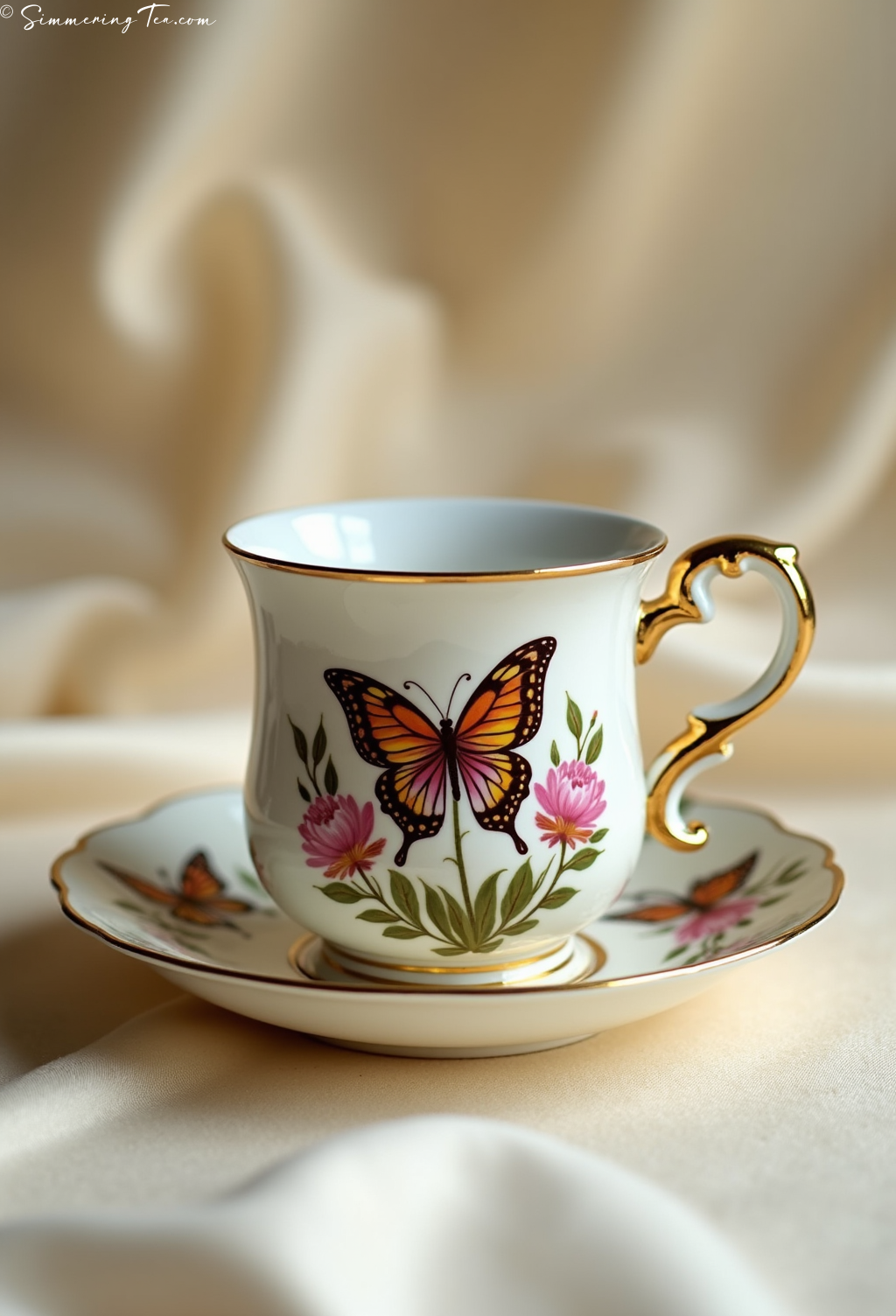
Founded in 1826, Herend porcelain gained international acclaim when it impressed Queen Victoria at the 1851 Great Exhibition. She immediately commissioned a dinner service in the “Victoria” butterfly pattern, which remains one of Herend’s most famous designs.
Herend’s intricate reticulated patterns, naturalistic florals, and traditional fishnet designs make their tea services instantly recognizable and highly prized by collectors.
Royal Copenhagen: Danish Design Excellence
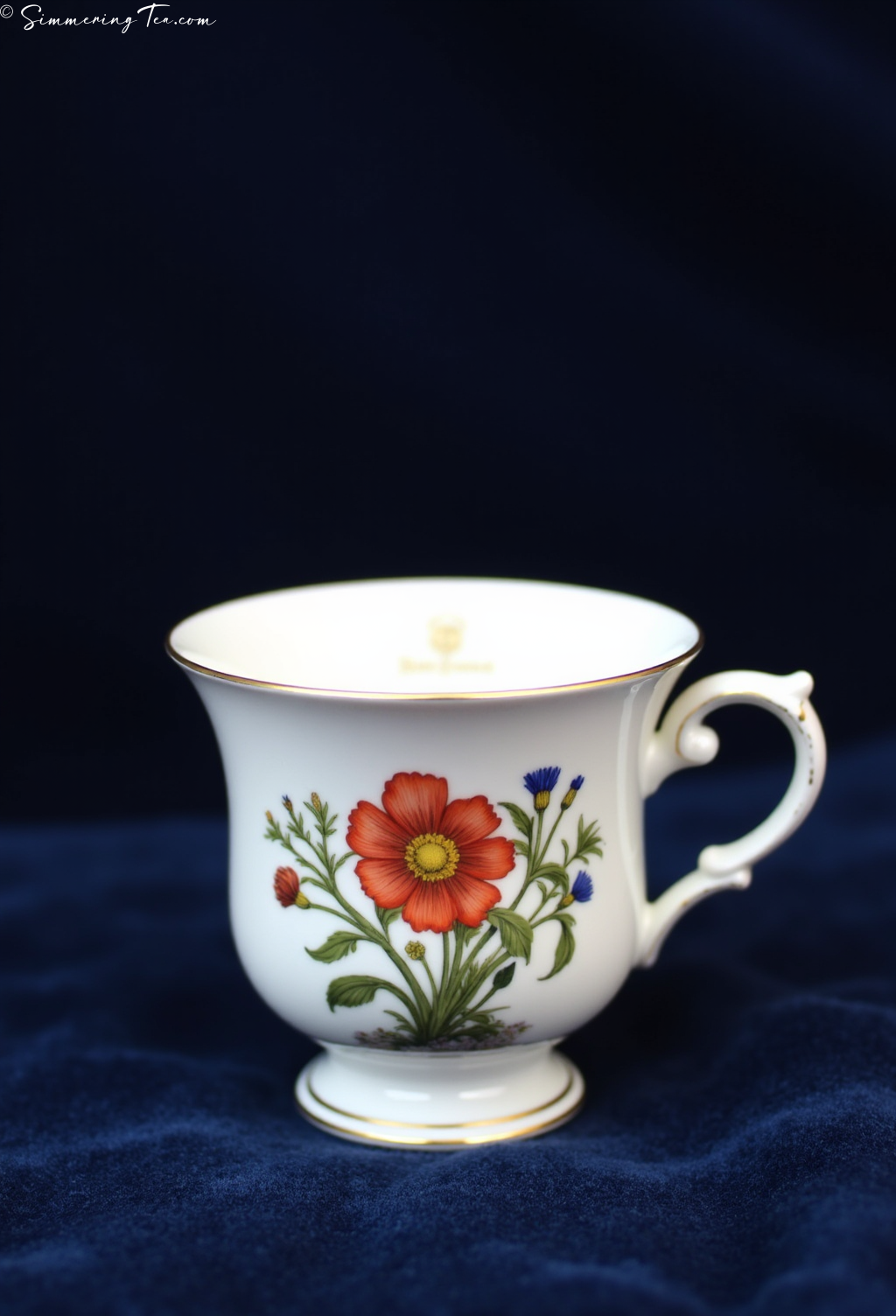
Established in 1775 under royal patronage, Royal Copenhagen became famous for its Blue Fluted patterns and Flora Danica botanical series. Each piece of Flora Danica required exceptional skill to paint the precisely detailed botanical illustrations.
The iconic three-wave mark of Royal Copenhagen signifies Danish craftsmanship and design excellence that continues to this day.
KPM Berlin: Prussian Precision
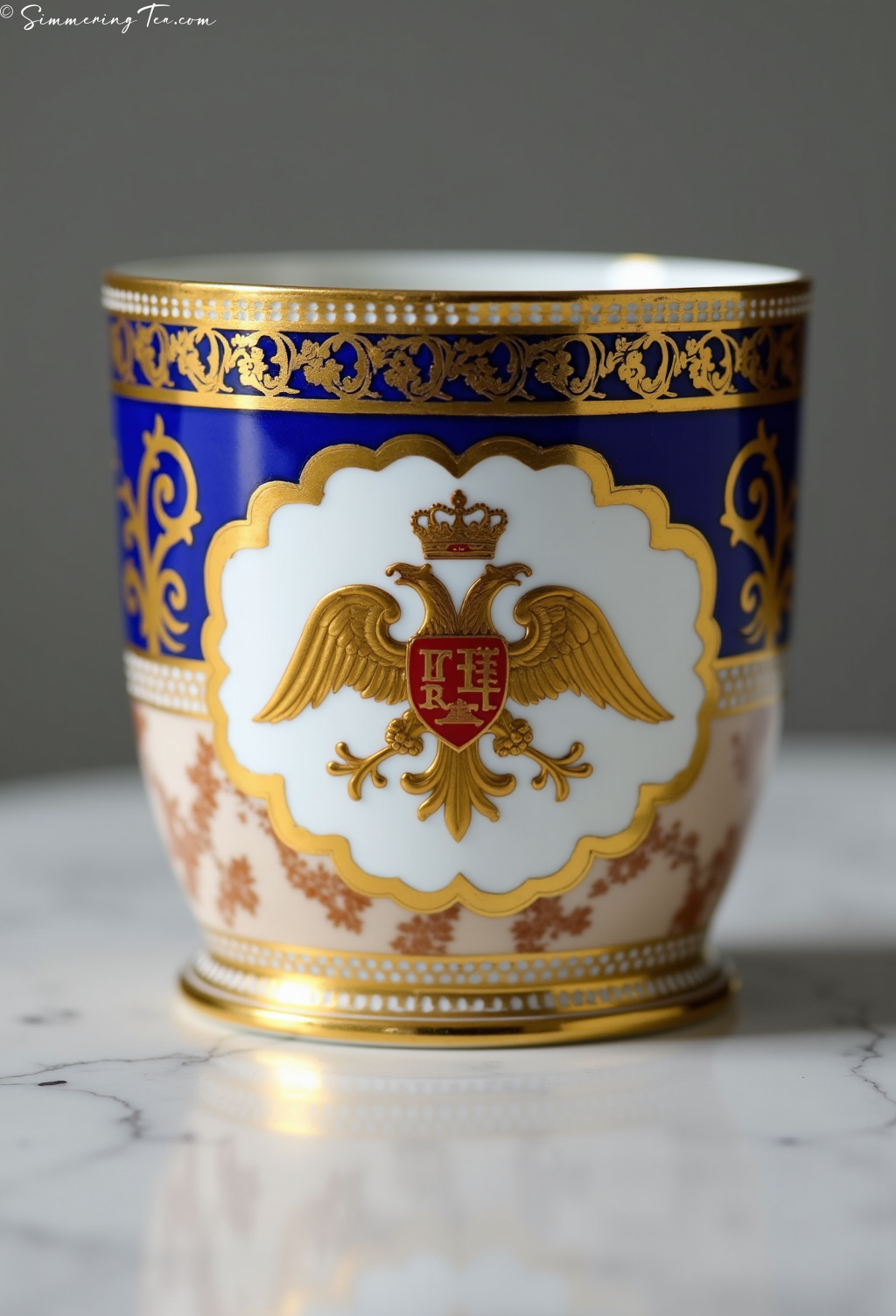
Königliche Porzellan-Manufaktur Berlin, founded in 1763 by Frederick the Great, represents Prussian excellence in porcelain production. KPM’s tea services feature exceptional quality, precise painting, and often incorporate the Prussian eagle or royal crest.
The bright cobalt blue scepter mark indicates authenticity and quality that spans nearly three centuries of continuous production.
Vienna Porcelain: Austrian Imperial Heritage
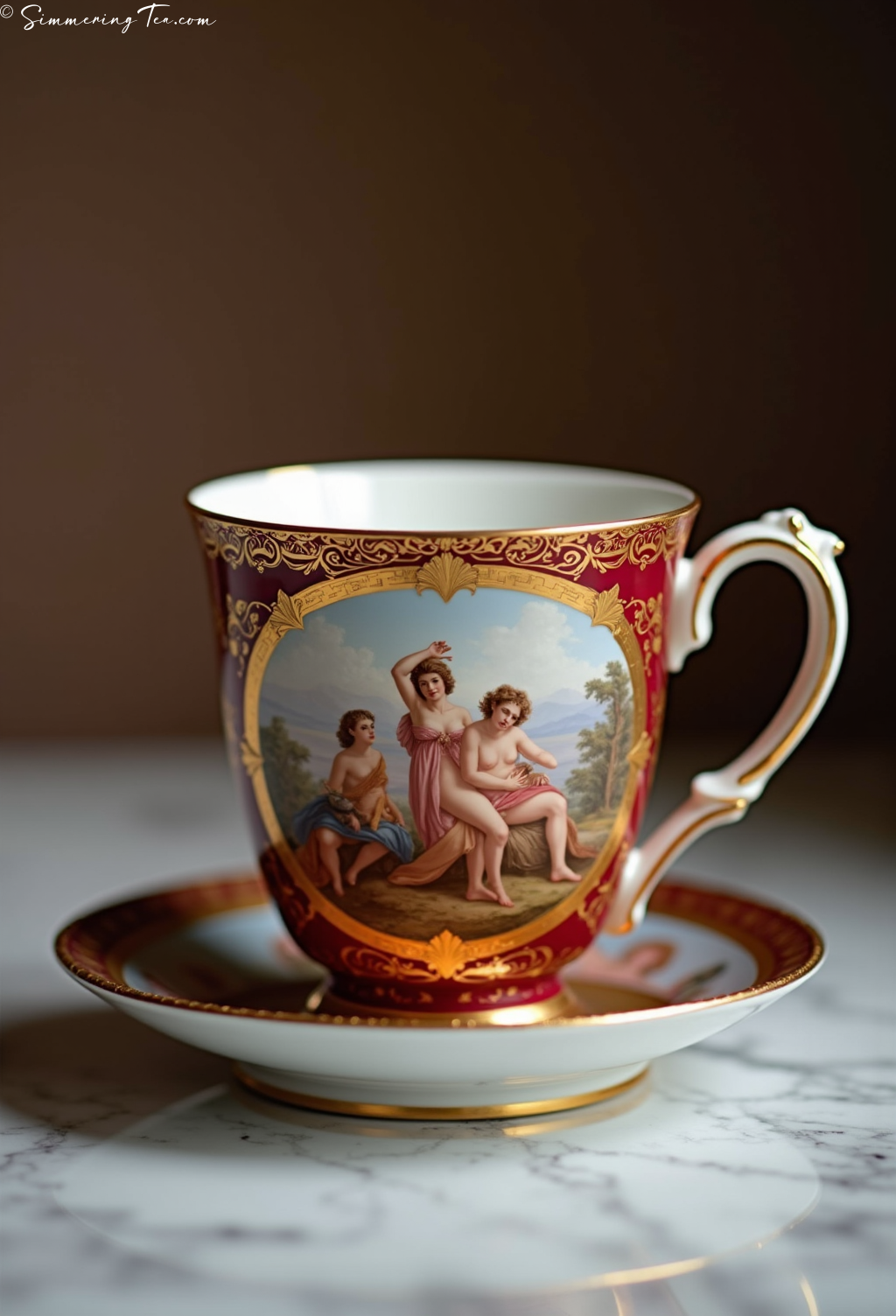
The Imperial Porcelain Manufactory Vienna (1718-1864) created some of the most elaborate tea services for the Habsburg court. Vienna porcelain is known for its rich colors, elaborate gilt decoration, and portrait medallions of classical figures or royalty.
Capodimonte: Italian Porcelain Artistry
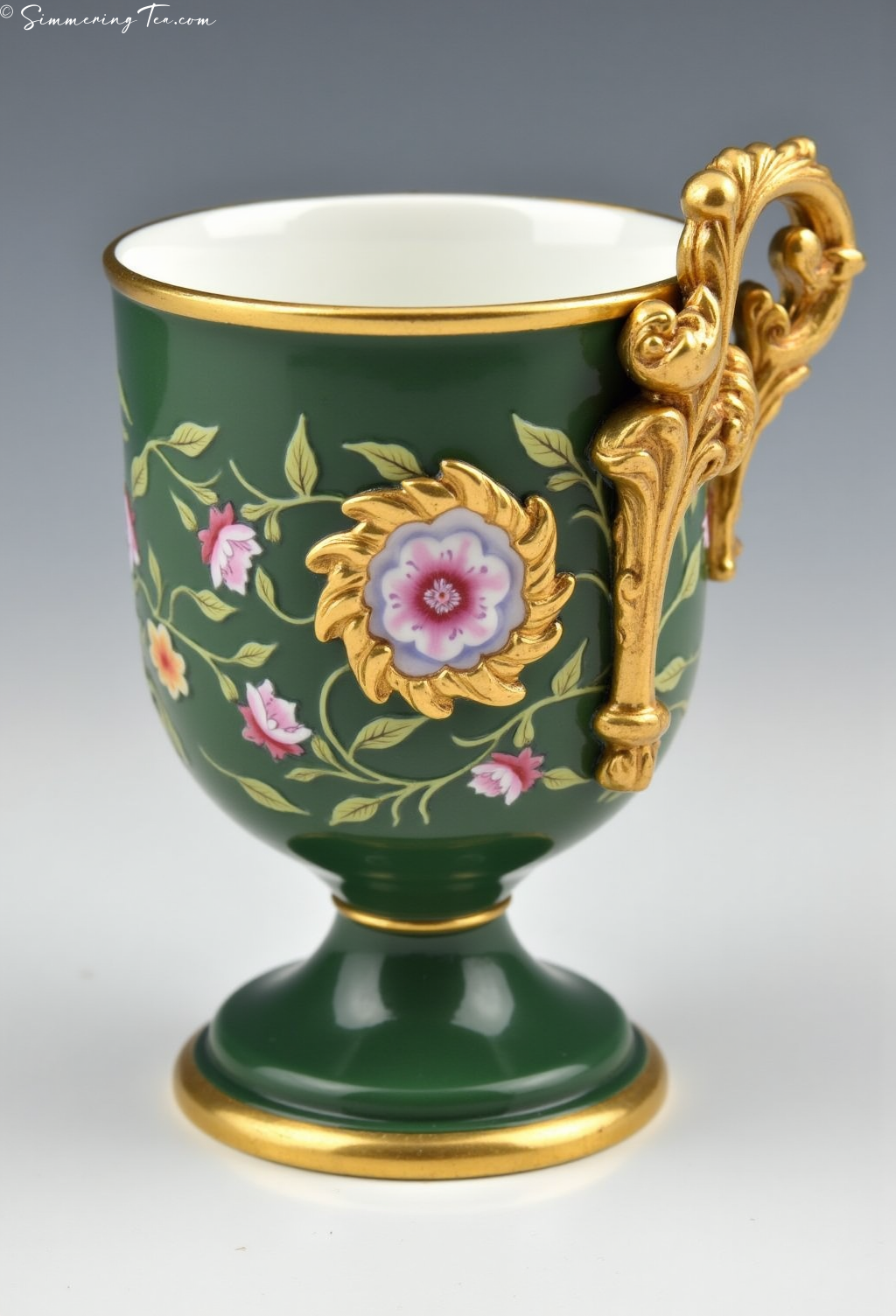
Founded in 1743 by Charles VII of Naples, Capodimonte porcelain is distinguished by its soft-paste body and elaborate sculptural elements. Tea services often featured three-dimensional flowers, cherubs, and mythological figures that showcased the modelers’ exceptional skill.
Minton: Victorian Excellence
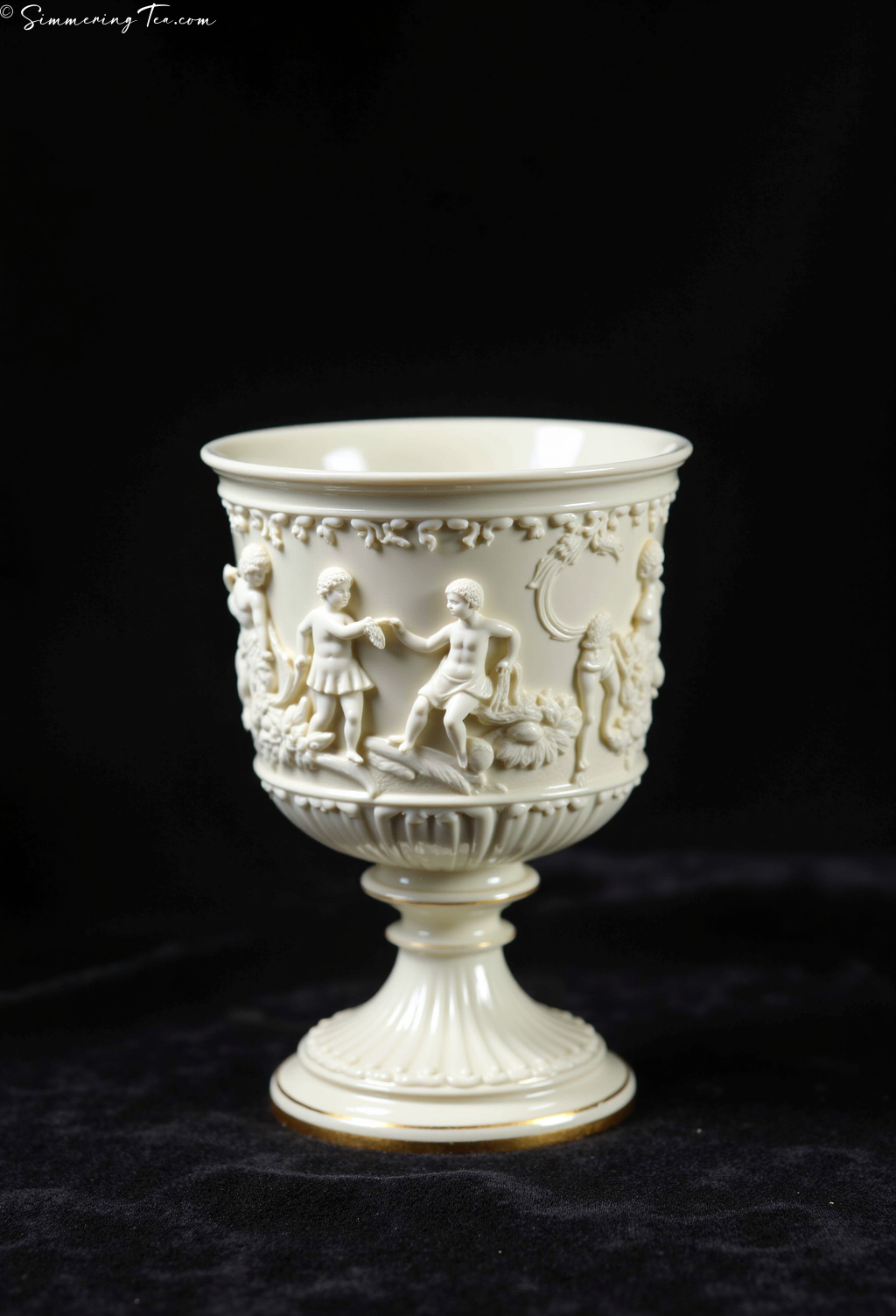
Thomas Minton established his Staffordshire factory in 1793, and it quickly gained recognition for exceptional quality. Minton became particularly famous for their majolica ware and elaborate pâte-sur-pâte technique, where white clay was layered on colored backgrounds to create cameo-like effects.
Many Victorian-style tea sets today draw inspiration from Minton’s elegant designs.
Dresden Porcelain: German Decorative Excellence
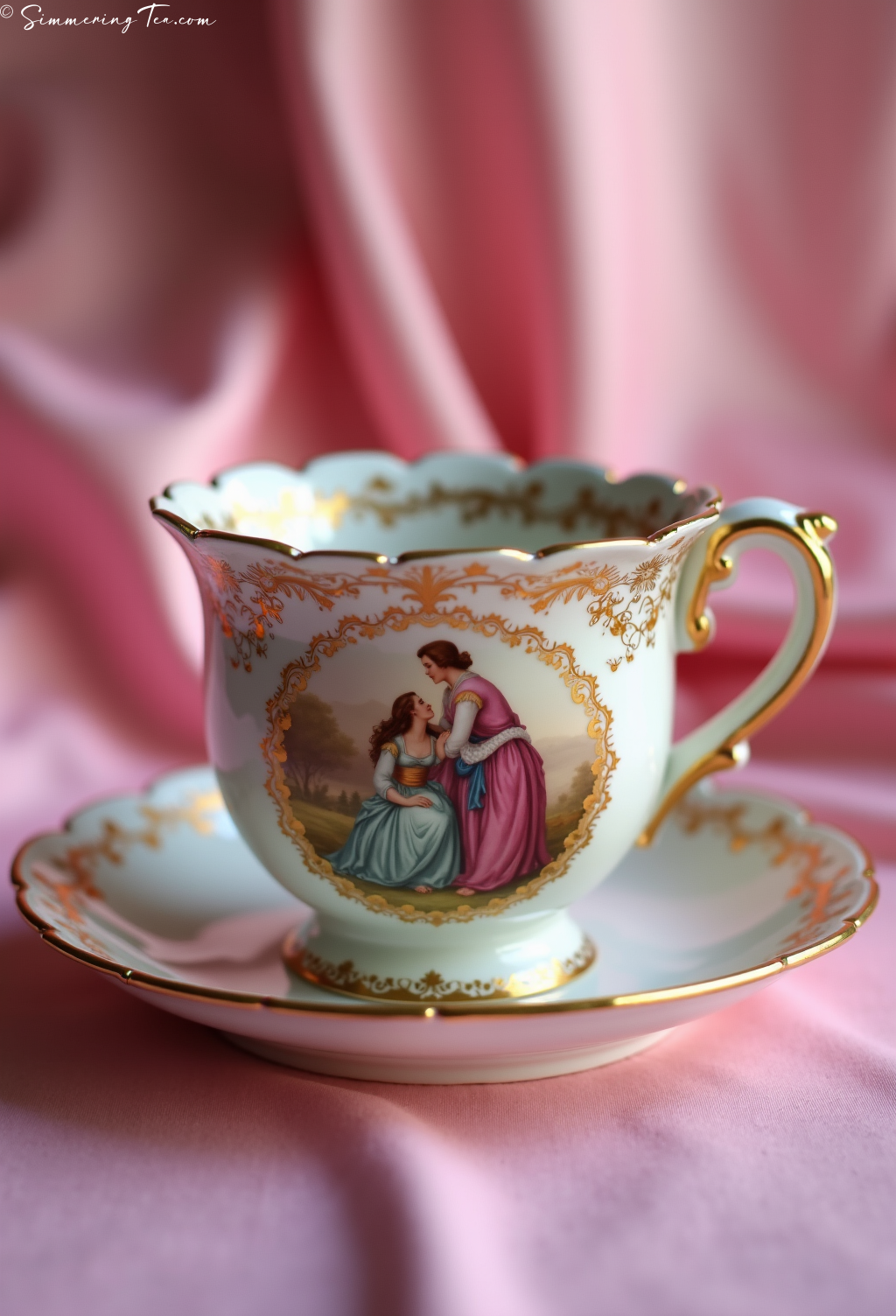
Dresden became a center for porcelain decoration in the 19th century, with numerous workshops creating elaborately decorated pieces in the Meissen style. Dresden porcelain is characterized by its profuse floral decoration, heavy gilding, and applied three-dimensional flowers.
Royal Worcester: English Heritage
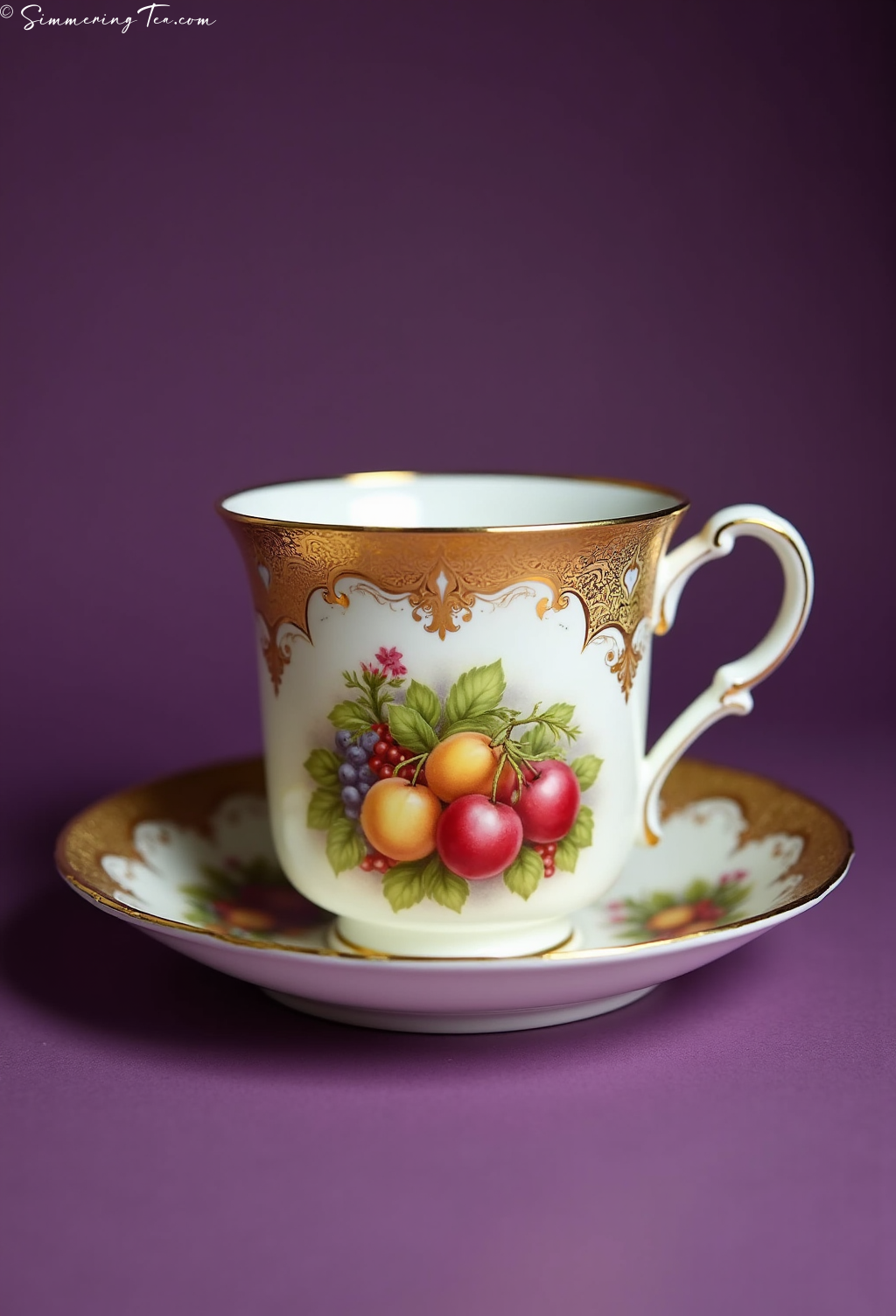
Founded in 1751, Worcester Porcelain received its royal warrant and became Royal Worcester in 1789. Known for their distinctive blush ivory finish and exceptional hand-painting, Royal Worcester tea services represent the finest of English porcelain tradition.
British Royal Collections: Tea at the Palace
Buckingham Palace Service
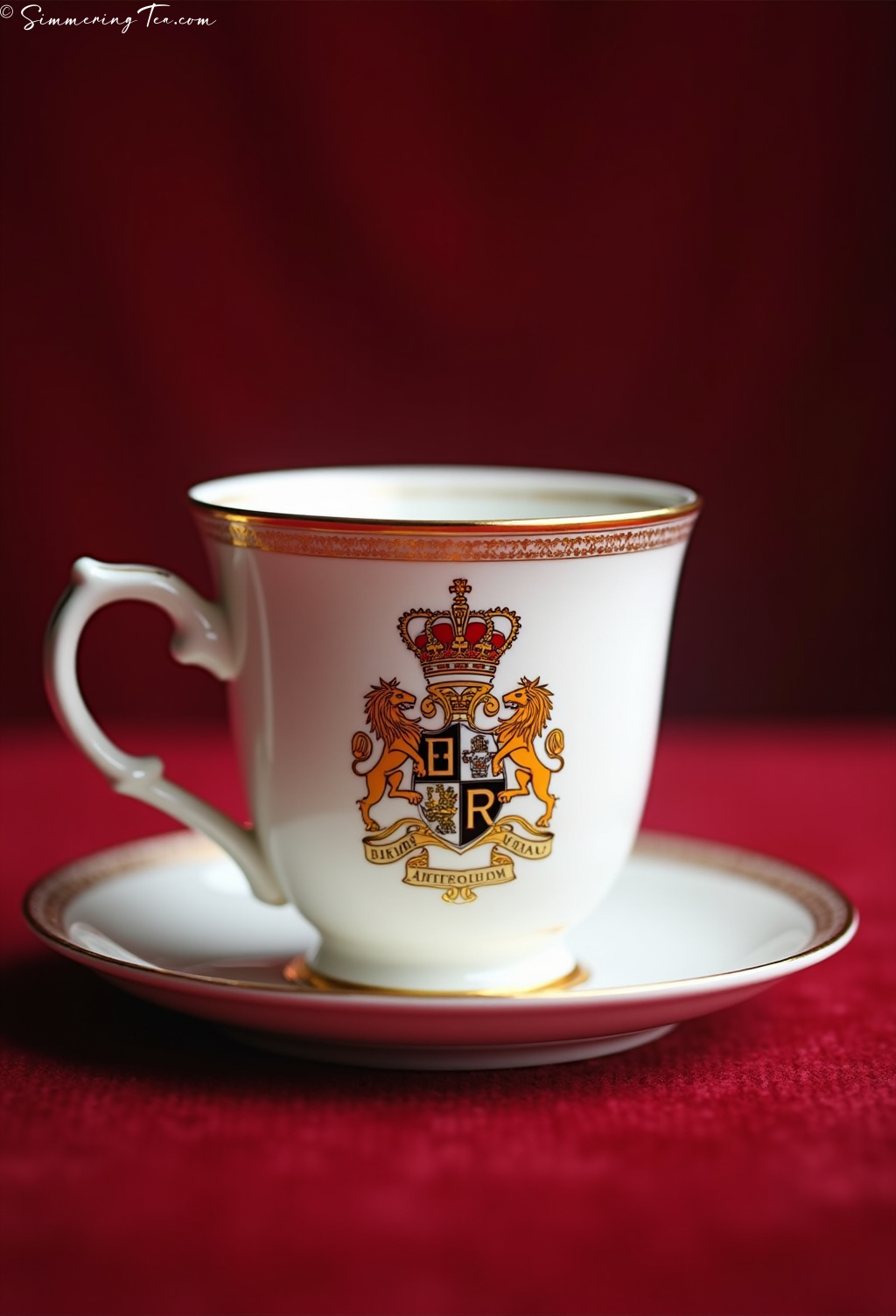
The royal residences maintain extraordinary tea service collections, with Buckingham Palace housing some of the finest examples. These services combine historical pieces from various periods with contemporary commissions, all maintained to the highest standards.
While you can’t purchase actual palace pieces, British royal commemorative tea sets allow you to own officially licensed reproductions celebrating royal occasions.
Coronation Commemoratives
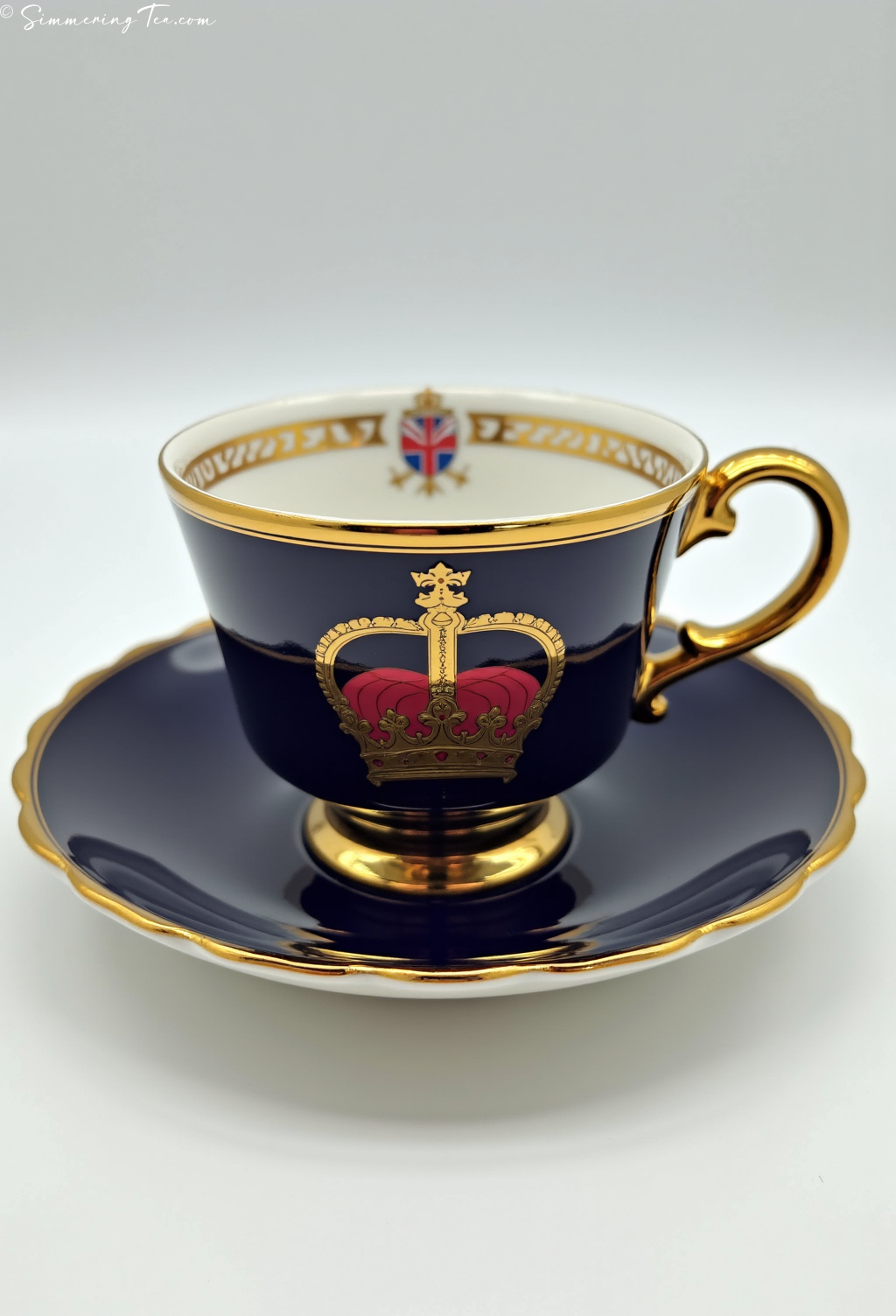
British coronations have inspired countless commemorative tea services, from Queen Victoria’s 1838 coronation to the present day. These pieces become historical artifacts, marking significant moments in royal and national history.
Windsor Castle Collections
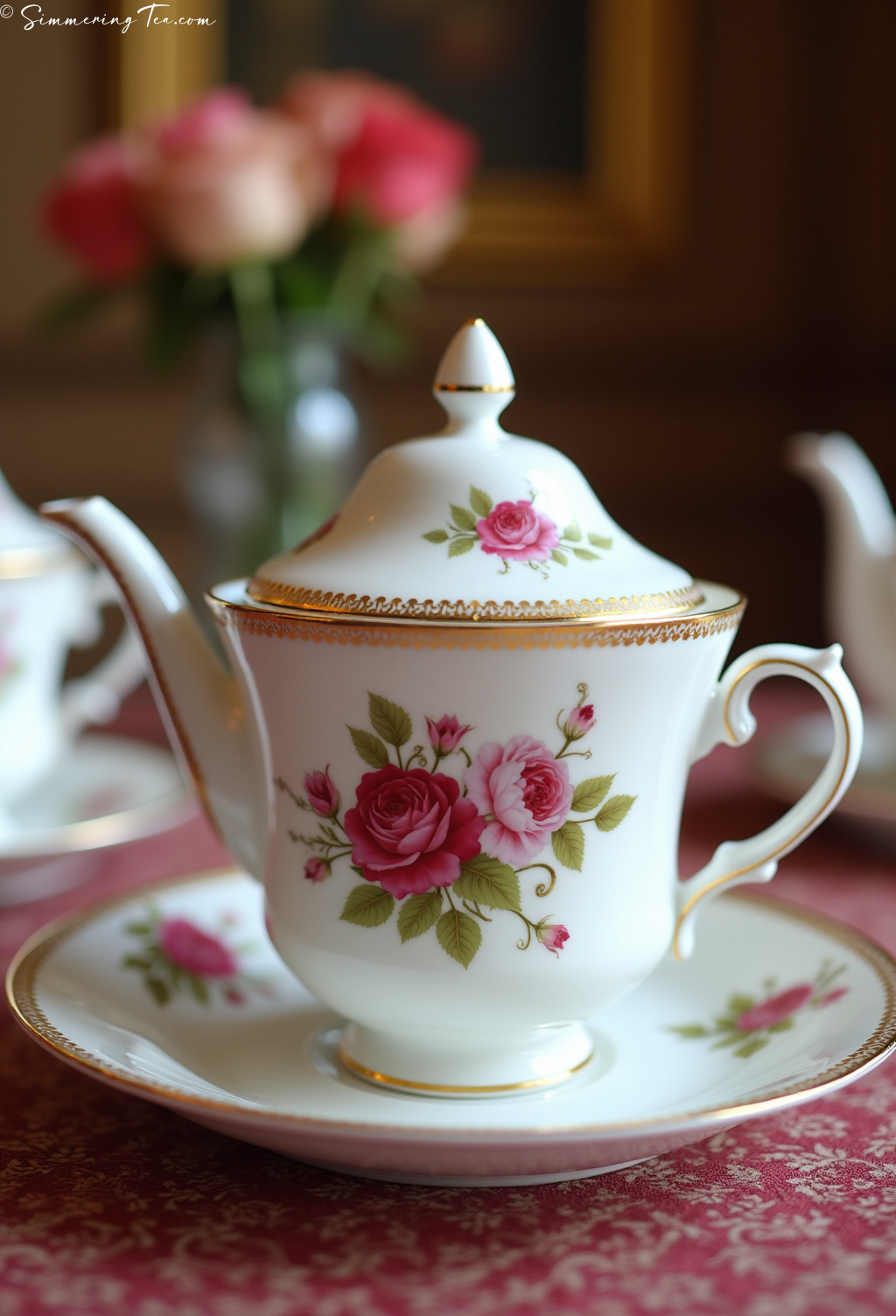
Windsor Castle’s extensive teaware collection spans centuries, including services used by George IV, Queen Victoria, and contemporary royals. The collection demonstrates the evolution of British royal taste and the finest craftsmanship of each era.
Queen Anne Style
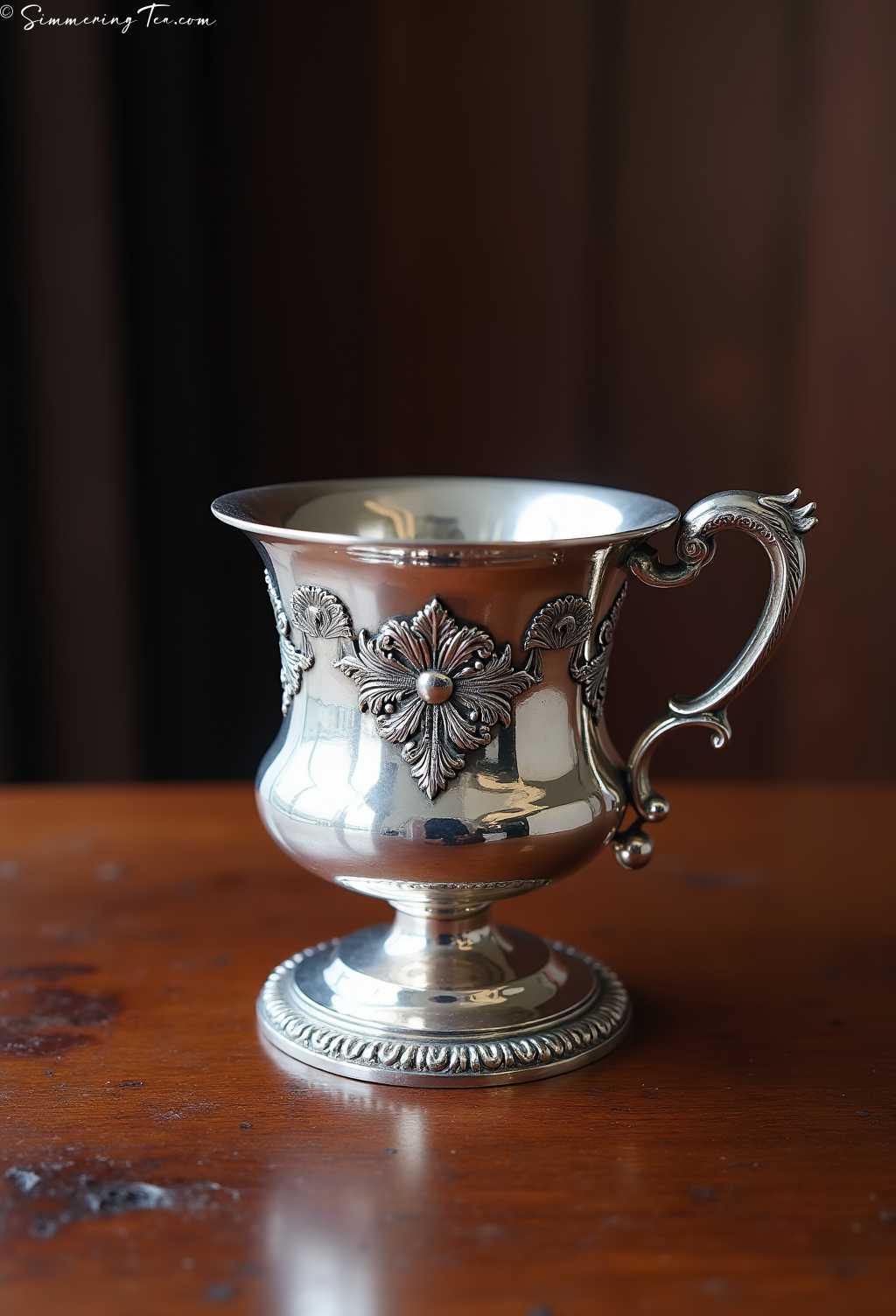
The Queen Anne period (1702-1714) coincided with tea’s growing popularity in Britain. Tea services from this era feature elegant simplicity, with silver services predominating before porcelain became widely available in England.
Victorian Royal Tea Services
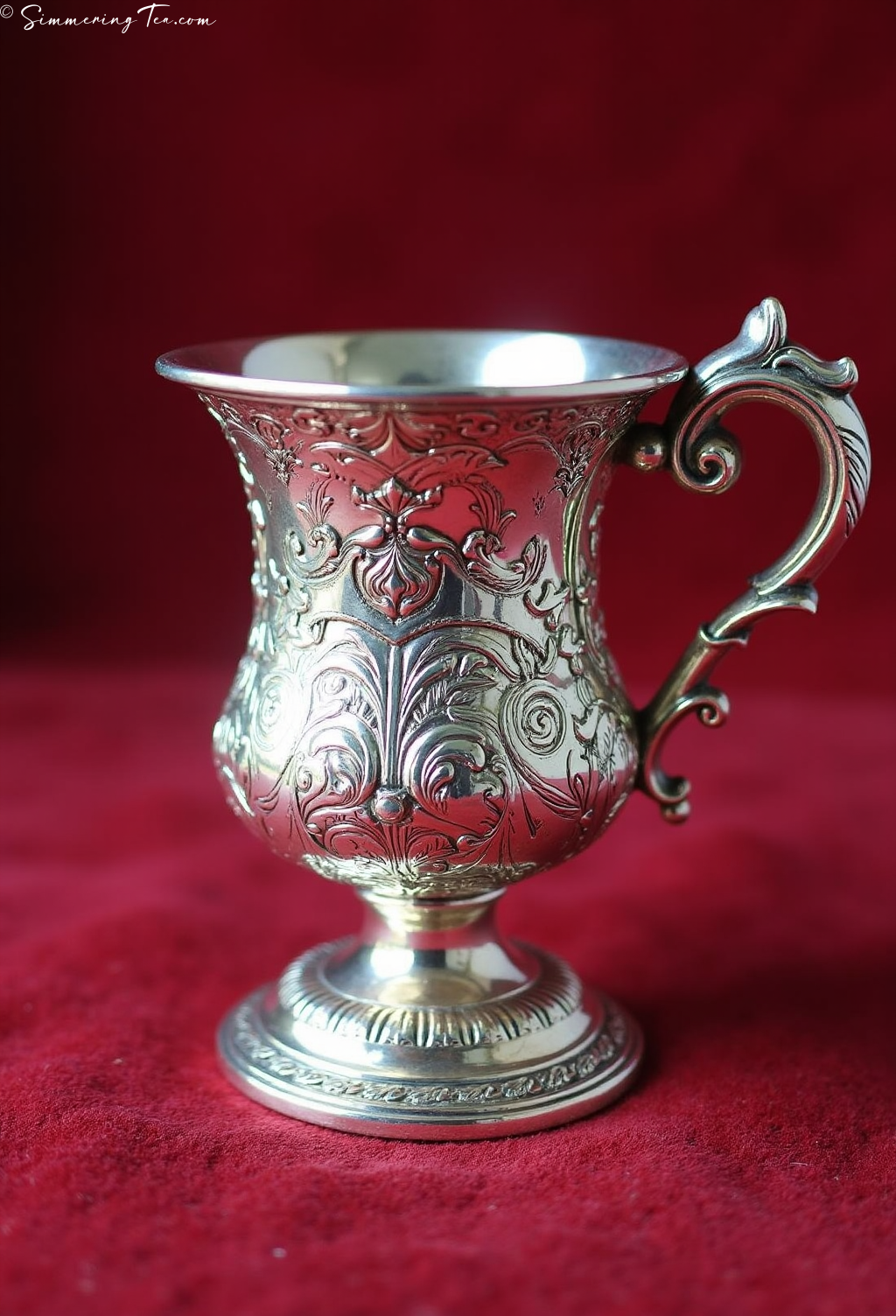
Queen Victoria’s long reign saw tea culture reach its zenith in Britain. Victorian royal tea services showcased the era’s love of ornamentation, with elaborate gilding, floral painting, and often personal monograms or royal crests.
Regency Elegance
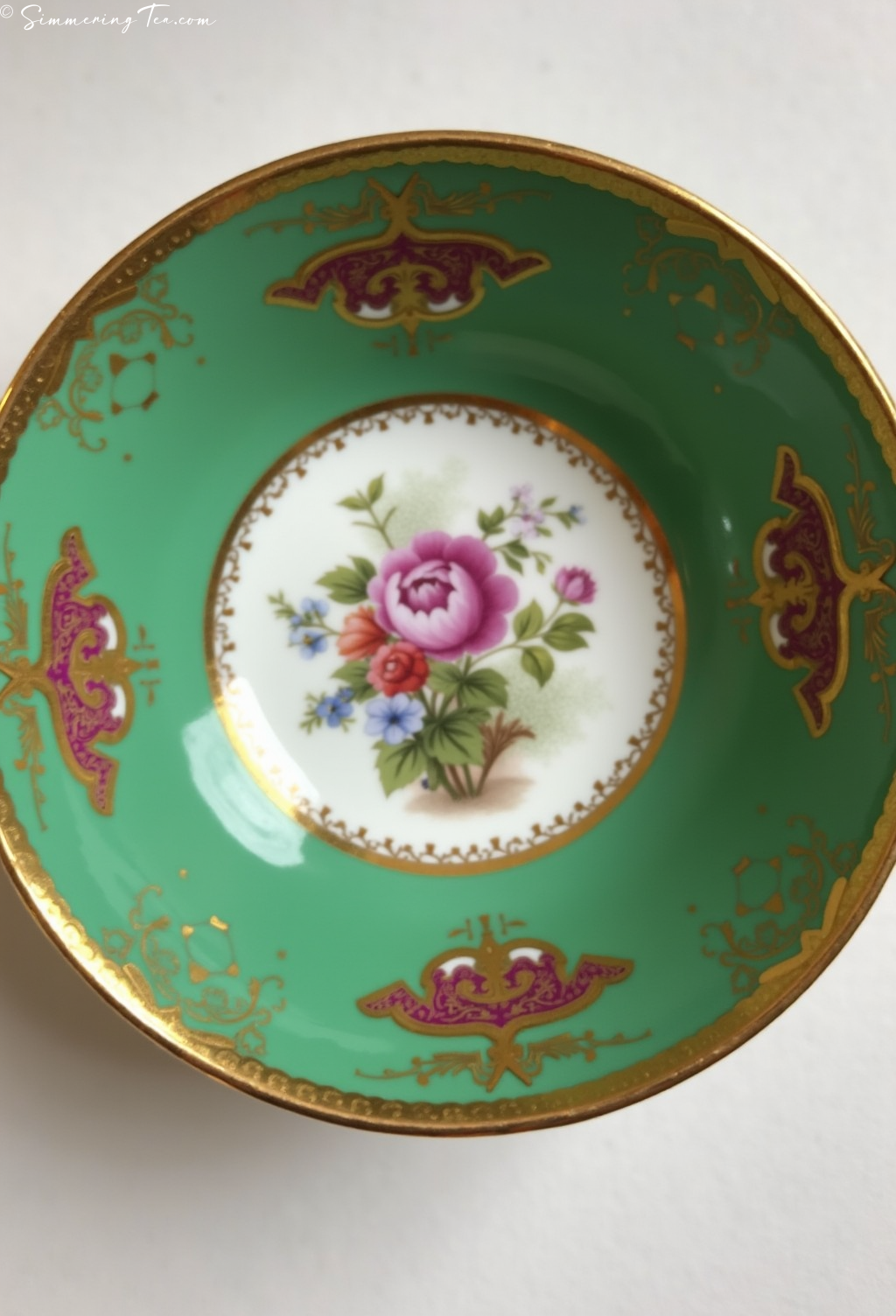
The Regency period (1811-1820) brought neoclassical elegance to British teaware. Greek and Roman motifs, cleaner lines, and sophisticated color combinations characterized services used by the Prince Regent and fashionable society.
Jubilee Celebrations
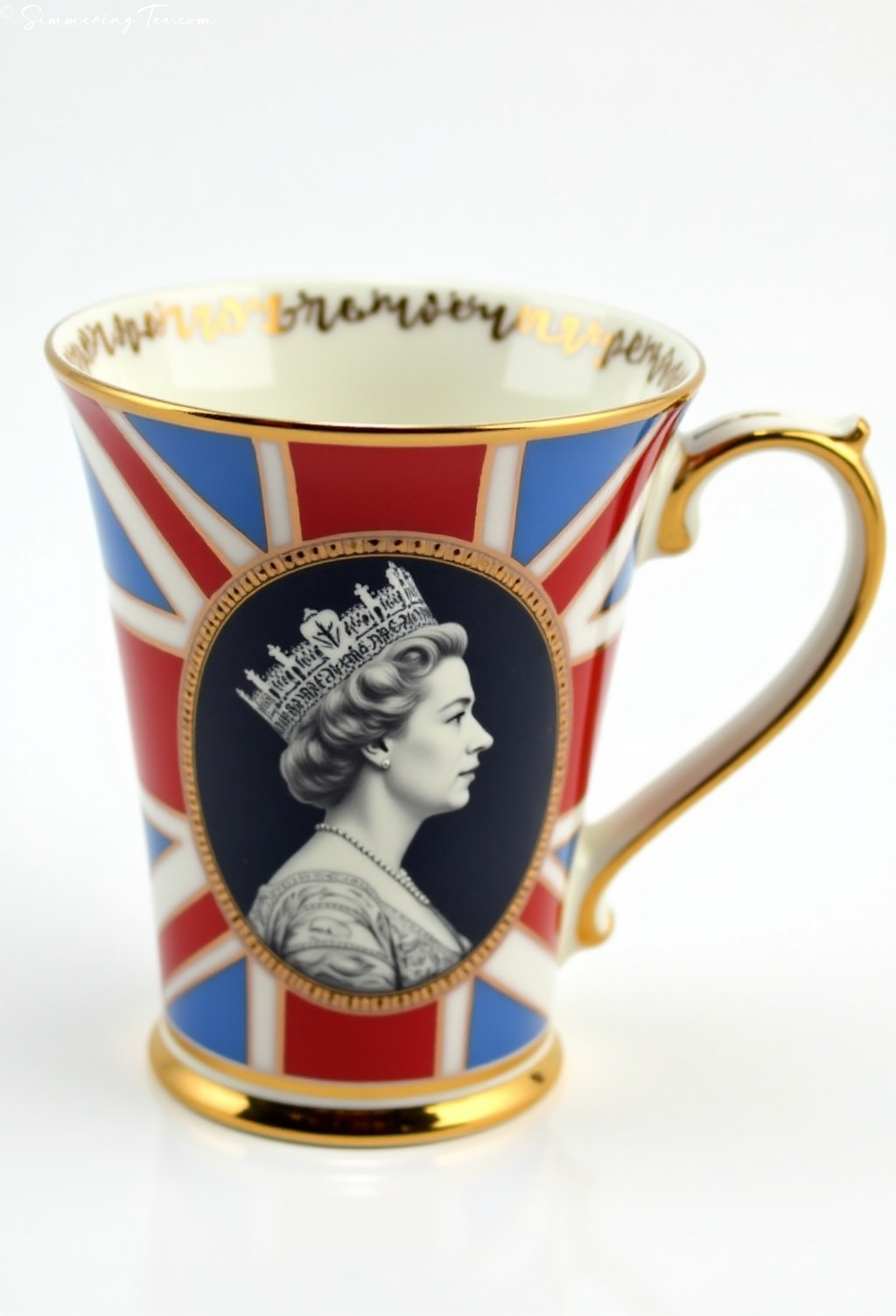
Royal jubilees inspire special commemorative tea services, from Victoria’s Diamond Jubilee to Elizabeth II’s Platinum Jubilee. These pieces combine historical reference with contemporary design, creating collectible treasures.
Aynsley: Fine English China
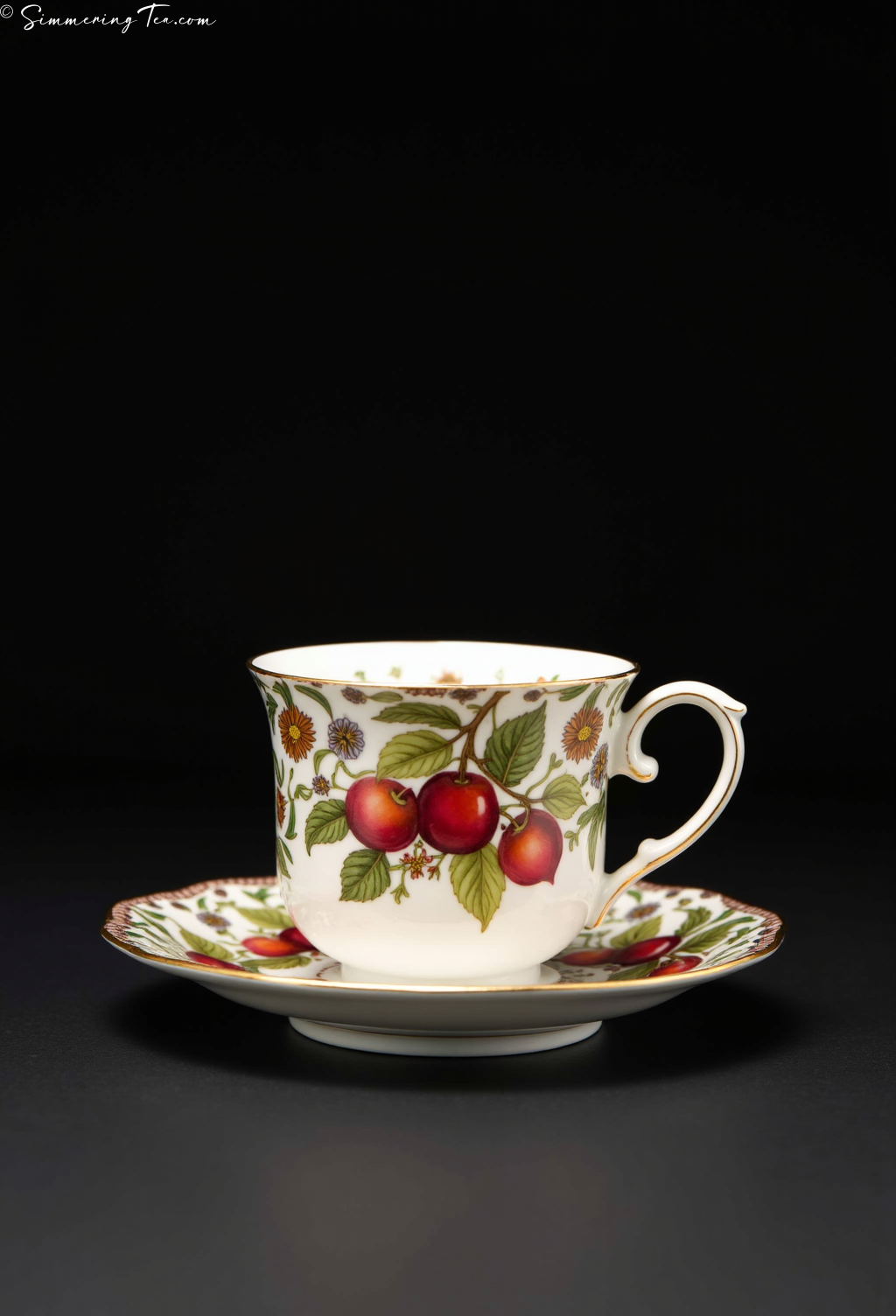
Founded in 1775, Aynsley China gained recognition for supplying fine porcelain to the British royal family. Their delicate bone china, often featuring cottage garden florals and gold trim, represents English tea culture at its finest.
Russian Imperial Collections: Opulence and Artistry
Imperial Porcelain Factory
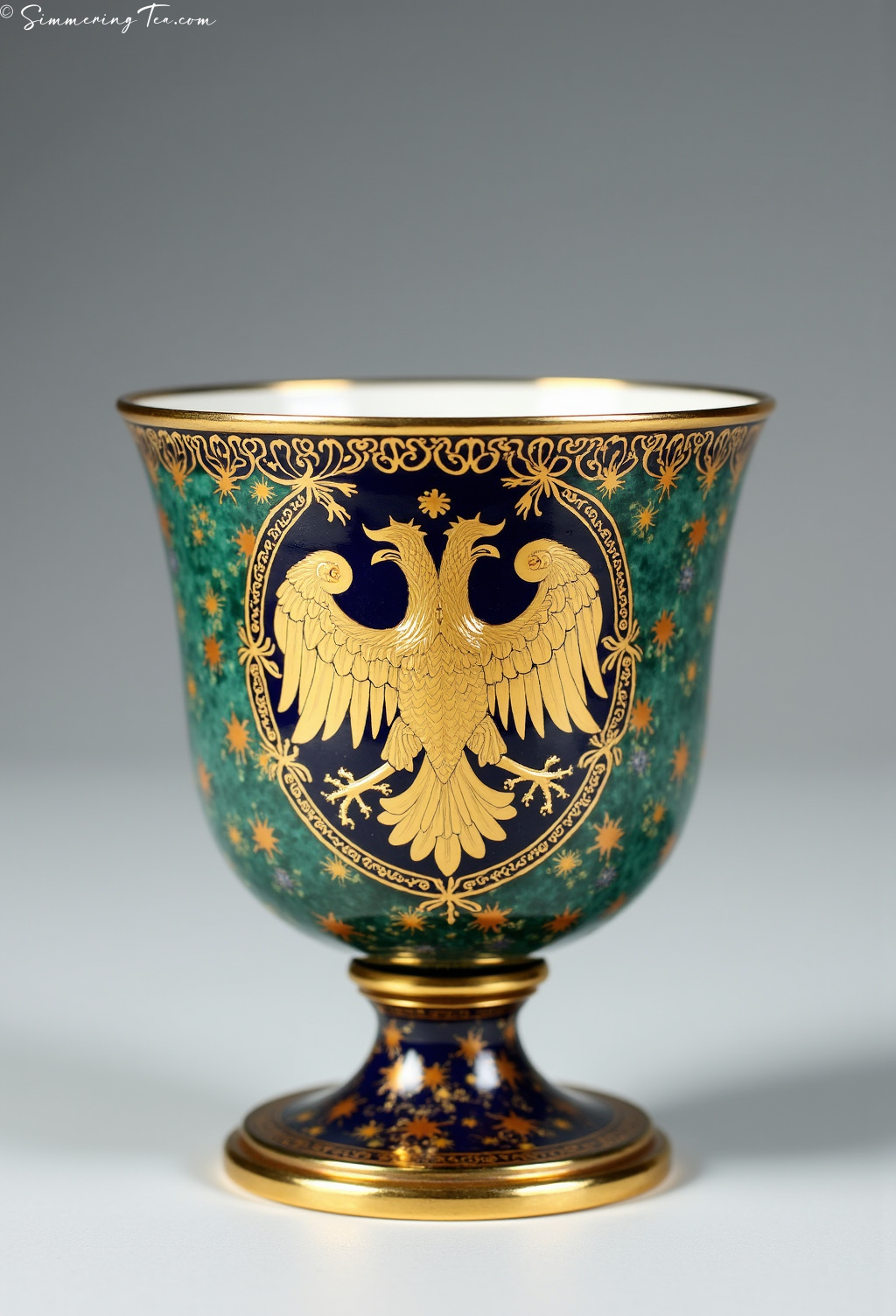
Founded in 1744 by Empress Elizabeth, the Imperial Porcelain Factory in St. Petersburg created extraordinary tea services for the Russian court. These pieces feature rich colors, elaborate gilding, and often incorporate Russian motifs and imperial eagles.
Today, Russian Imperial-style tea sets continue this tradition of opulent beauty.
Lomonosov Porcelain
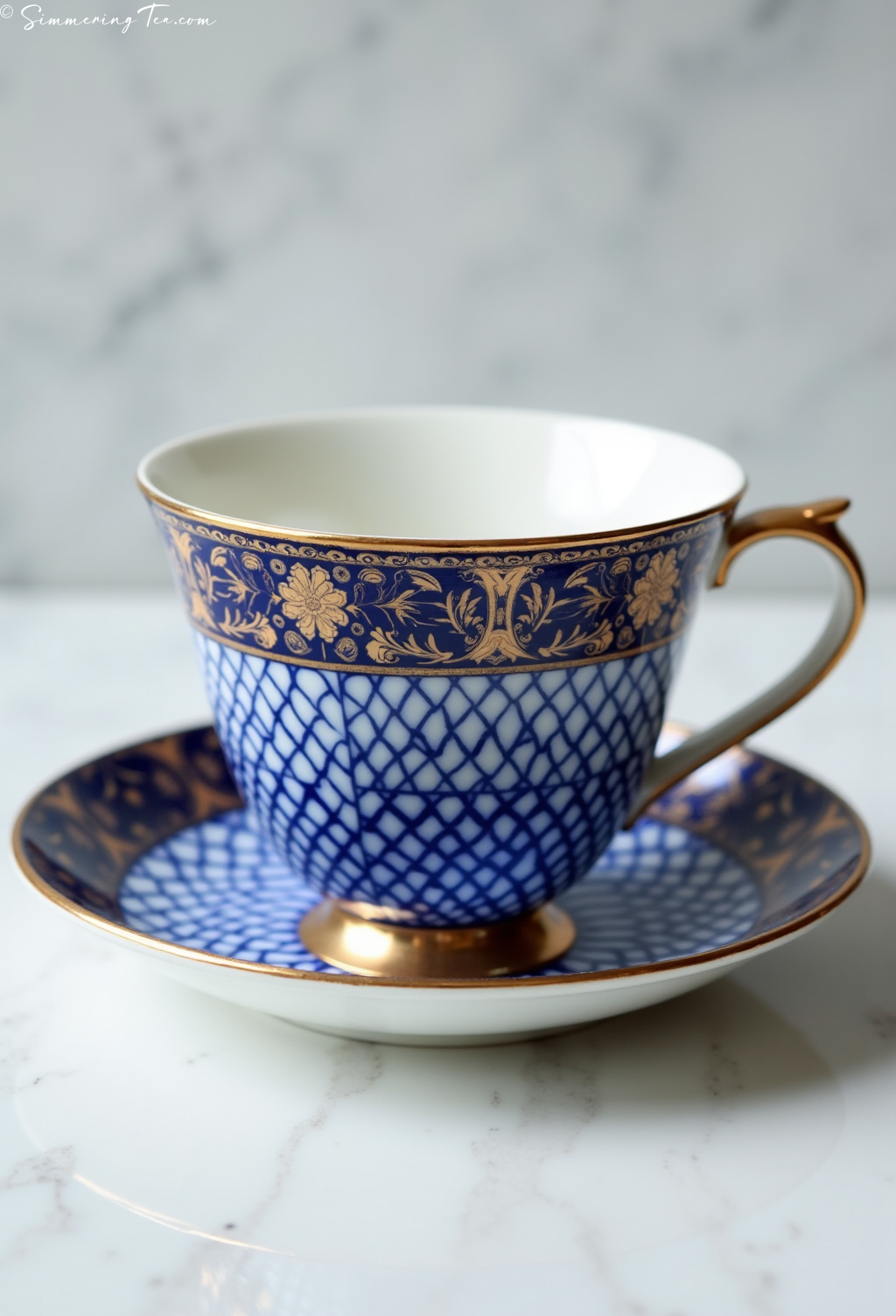
The Imperial Porcelain Factory was renamed Lomonosov during the Soviet era but continued producing exceptional porcelain. Their Cobalt Net pattern, created in 1944, became one of the most famous Russian porcelain designs worldwide.
Gardner Porcelain
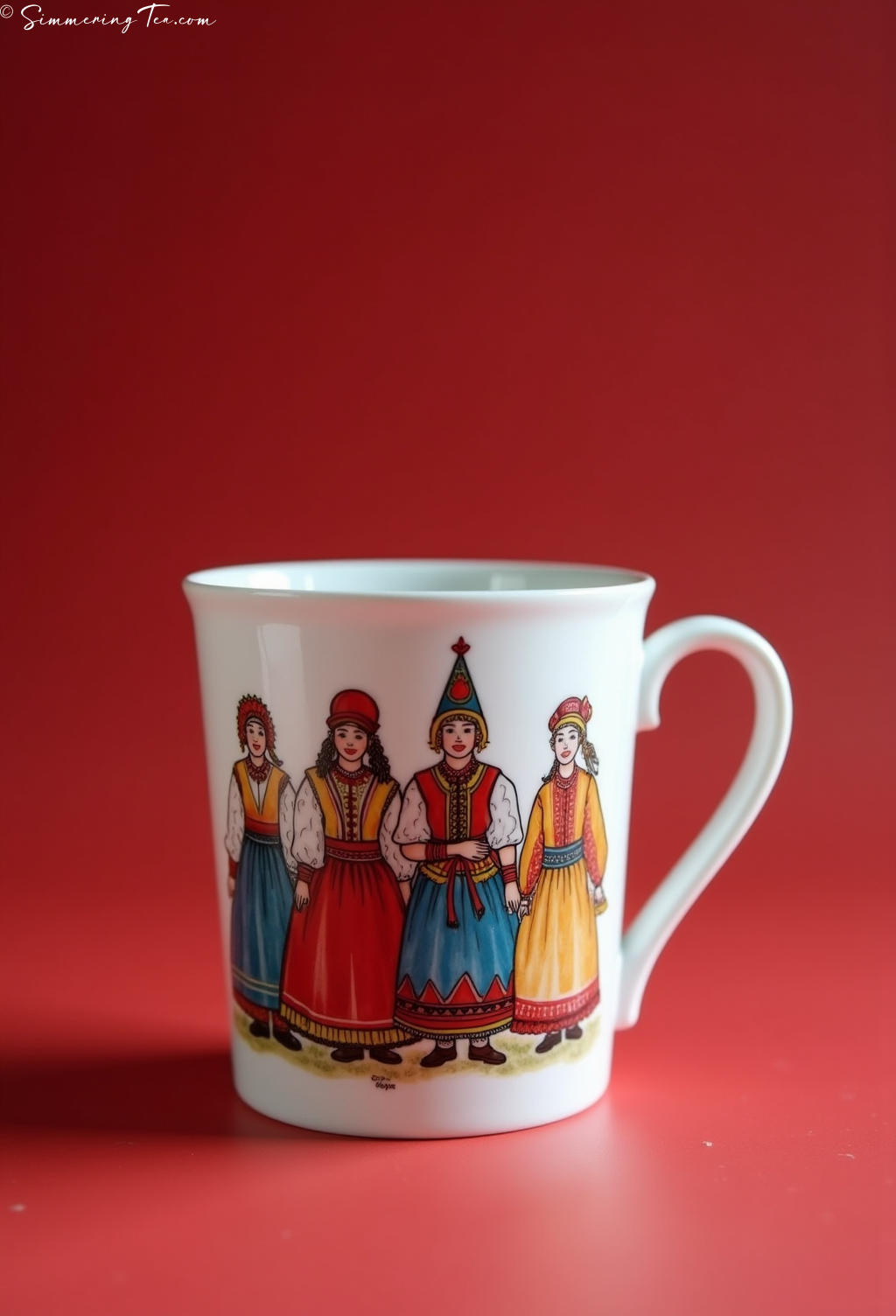
Founded by Englishman Francis Gardner in 1766, this factory became the largest private porcelain manufacturer in Imperial Russia. Gardner tea services featured distinctive decorative styles that blended European techniques with Russian aesthetics.
Kuznetsov Porcelain
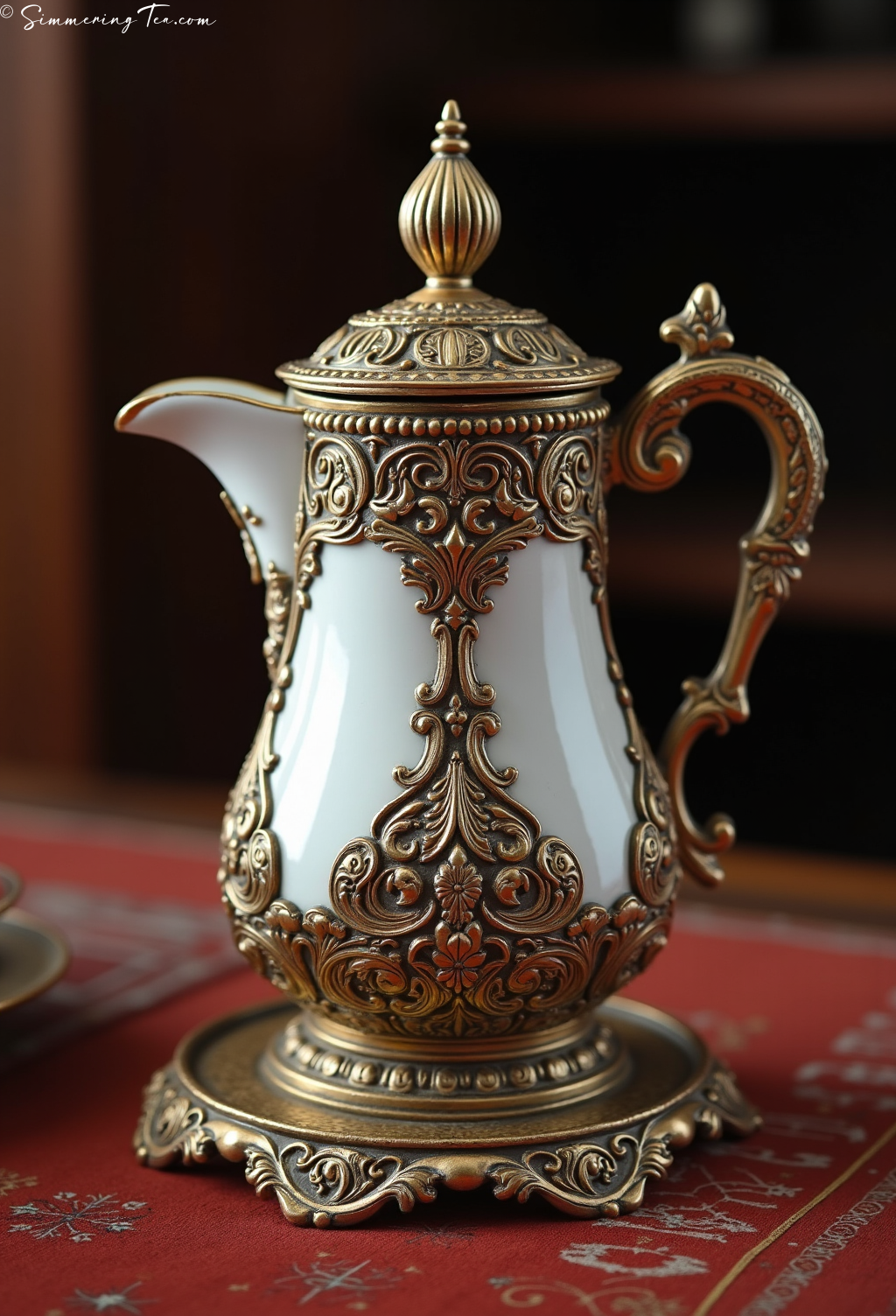
By the late 19th century, the Kuznetsov family controlled the largest porcelain empire in Russia, operating multiple factories. Their tea services ranged from affordable everyday ware to luxury pieces that rivaled imperial production.
Fabergé: Beyond the Eggs
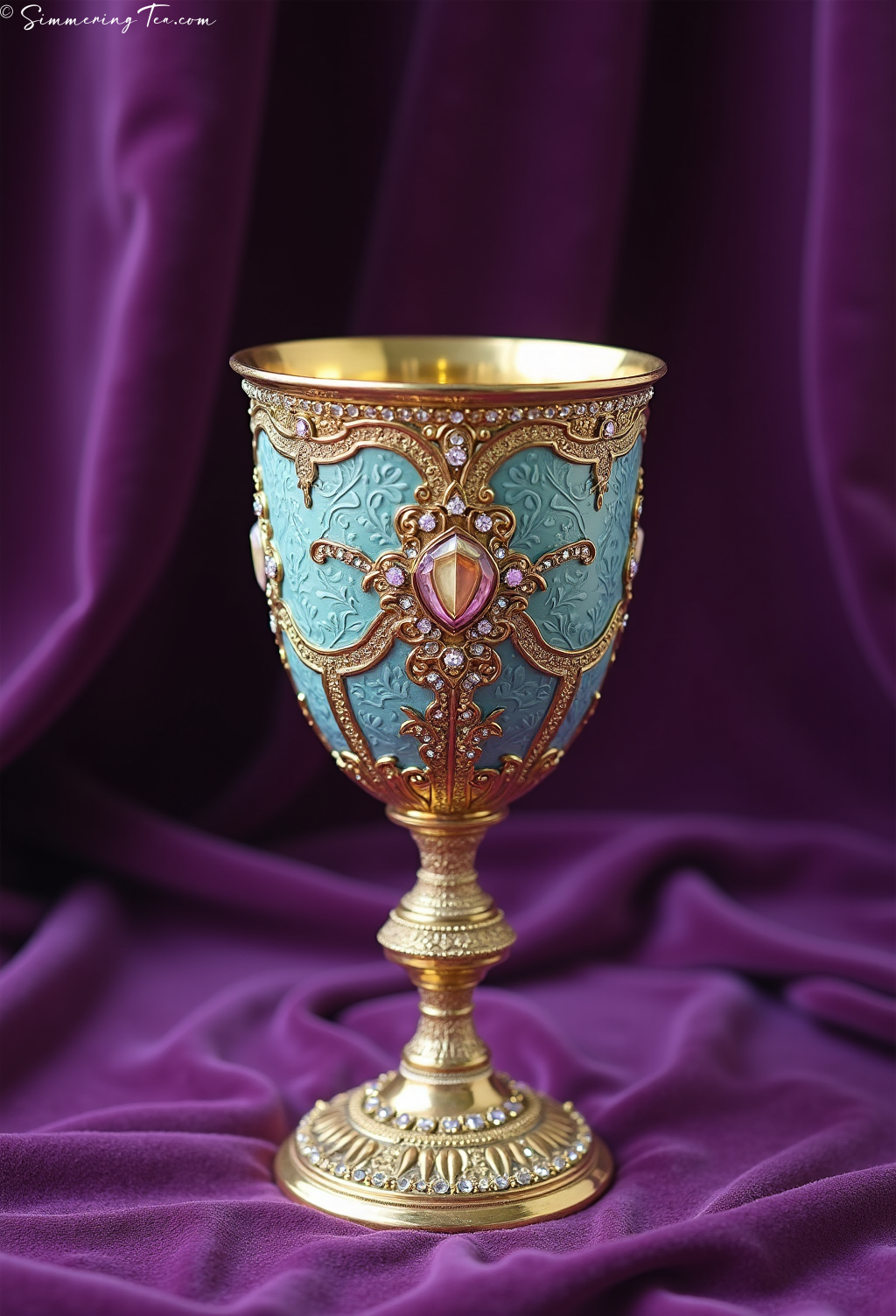
While famous for imperial Easter eggs, Peter Carl Fabergé’s workshop also created extraordinary tea services and accessories. These pieces featured the same meticulous craftsmanship, innovative use of materials, and artistic excellence that made Fabergé legendary.
Amber Room Inspiration
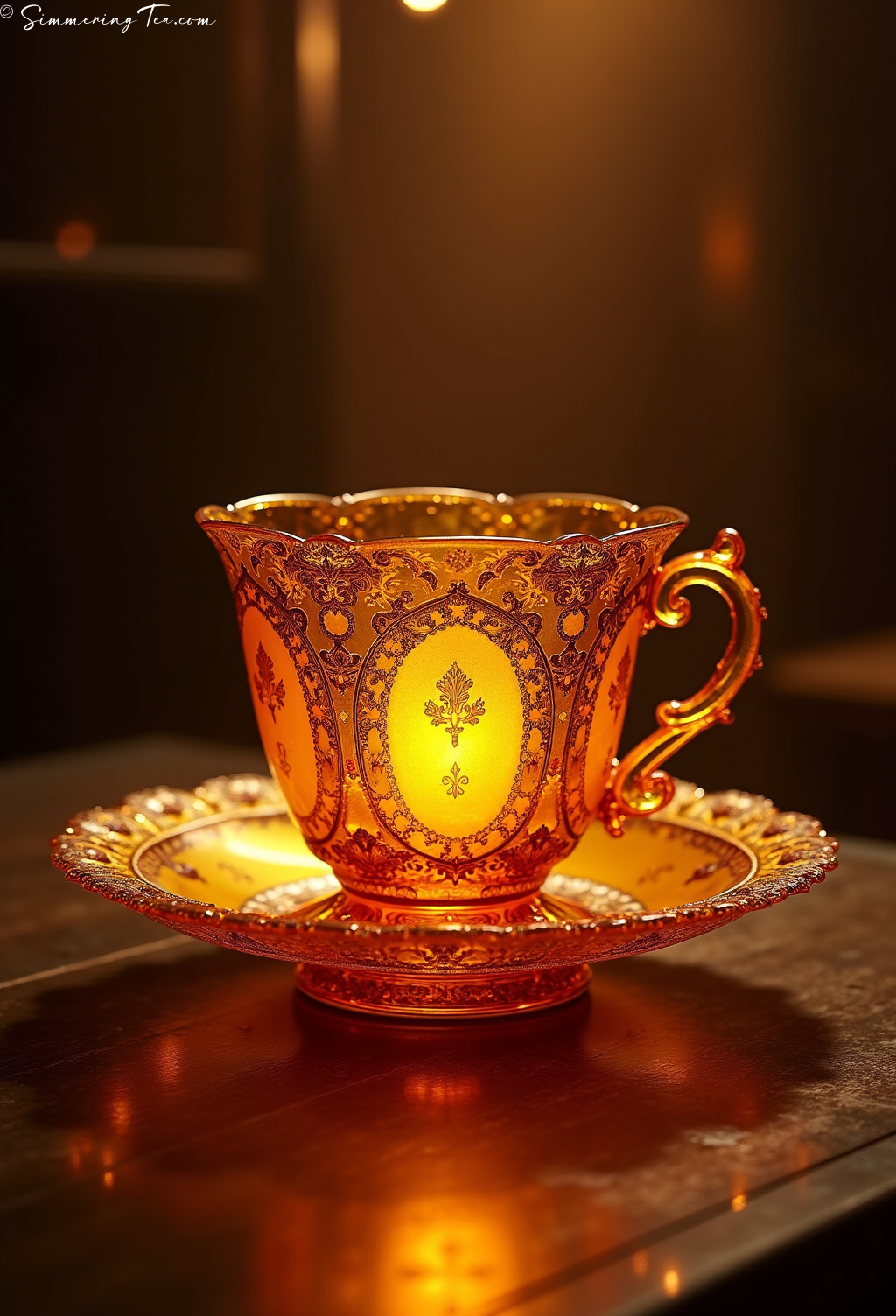
The legendary Amber Room of Catherine Palace inspired decorative arts throughout Russia. Tea services created in homage to this wonder featured amber coloring, elaborate gilding, and the baroque opulence that characterized Russian imperial taste.
Asian Imperial Collections: Centuries of Tradition
Chinese Imperial Porcelain
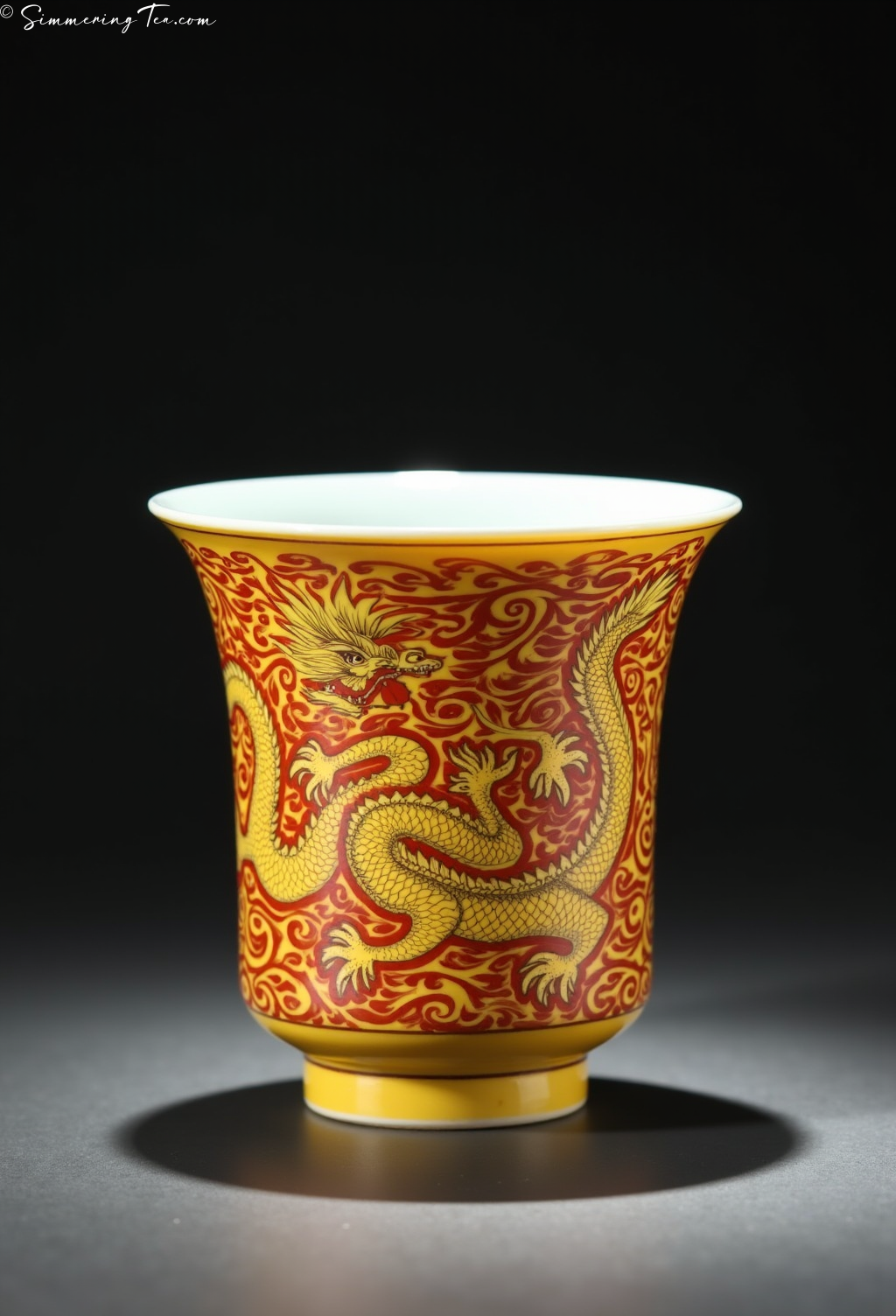
Chinese imperial tea services represent the ultimate in porcelain artistry. Created in the imperial kilns of Jingdezhen, these pieces feature the finest materials, most skilled artisans, and designs approved by the emperor himself.
Dragon and phoenix motifs, imperial yellow glazes, and intricate underglaze blue decoration mark these as treasures of the highest order. Collectors worldwide seek Chinese imperial-style tea sets to bring this tradition into their homes.
Famille Rose
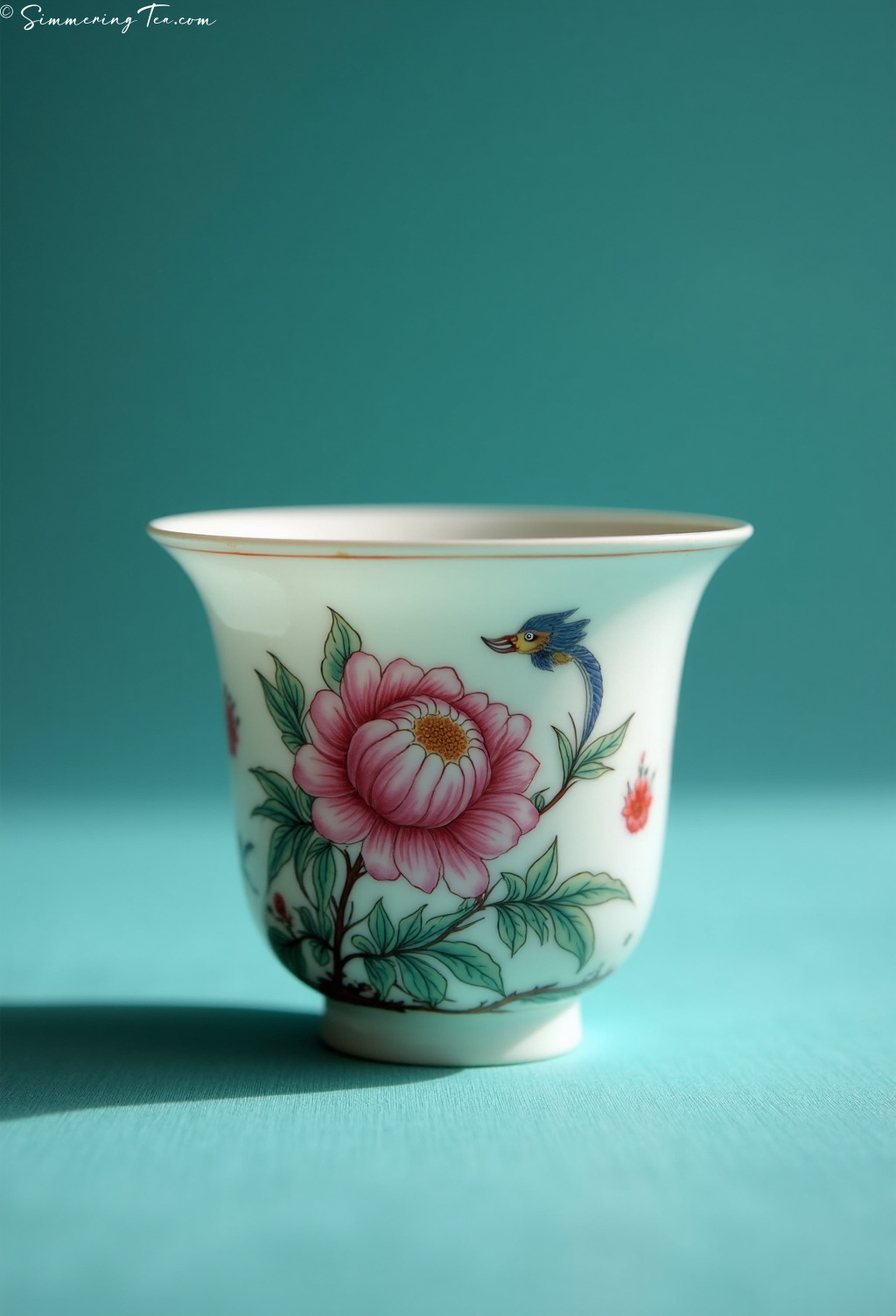
Developed in the early 18th century, famille rose (pink family) porcelain featured a new pink enamel that allowed for more naturalistic floral decoration. These tea services, often created for the imperial court, showcase the technical brilliance of Qing dynasty artisans.
Japanese Imperial Tea Services
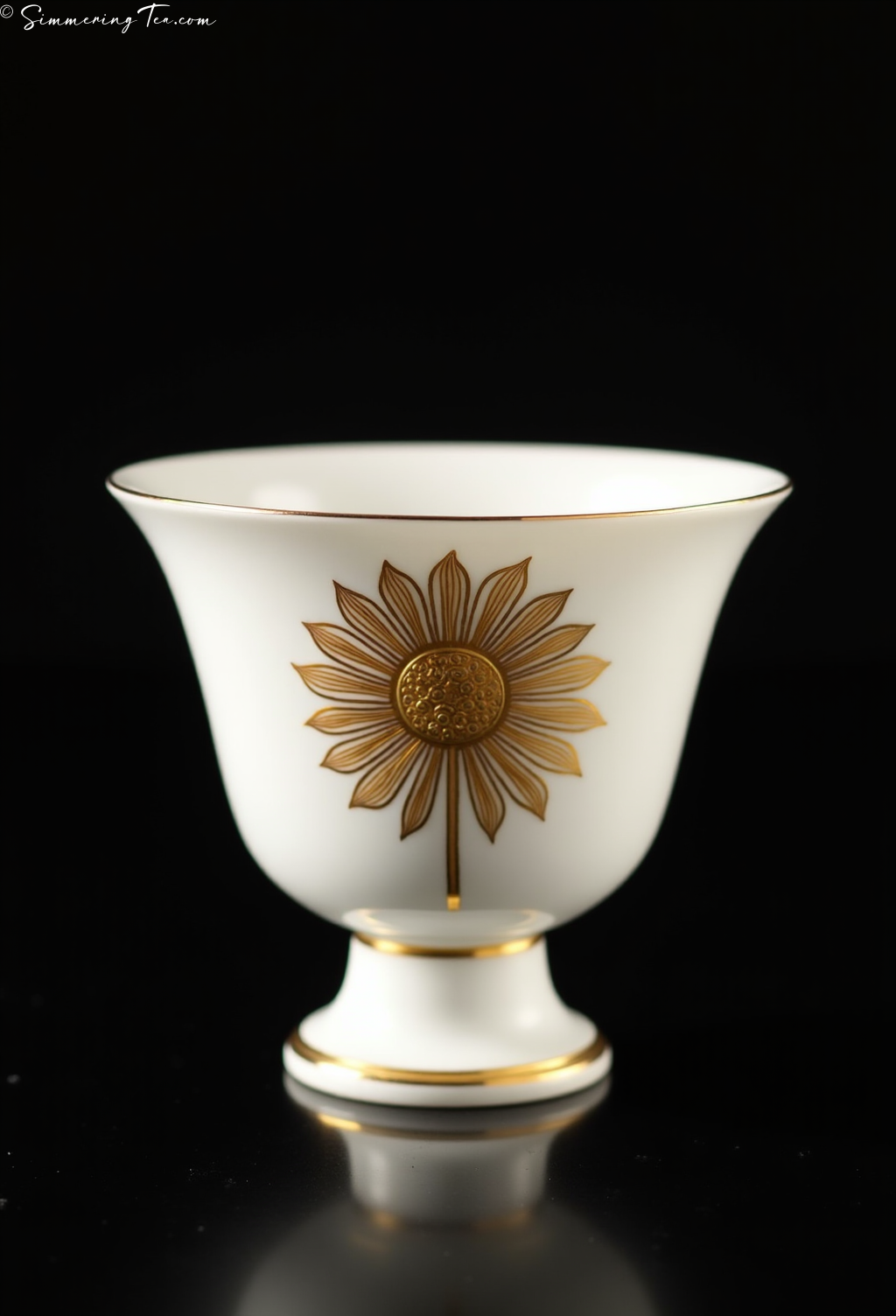
The Japanese imperial family maintains exceptional tea service collections, including pieces used in formal court tea ceremonies. These services blend traditional Japanese aesthetics with the formality required for imperial occasions.
Imari Ware
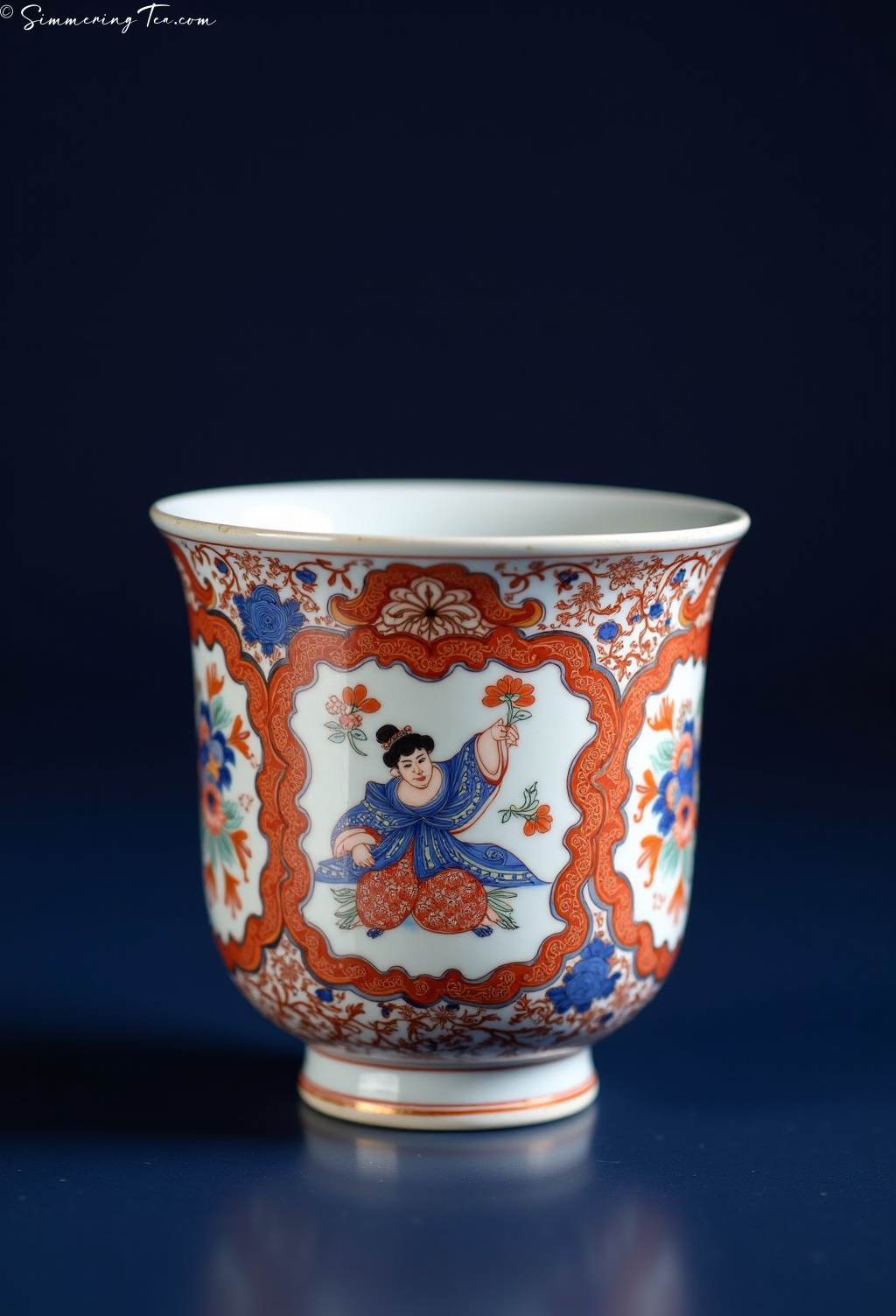
Named after the port from which it was shipped, Imari ware features distinctive cobalt blue, iron red, and gold decoration. These Japanese porcelains were highly prized by European royalty and inspired countless imitations.
Korean Royal Court
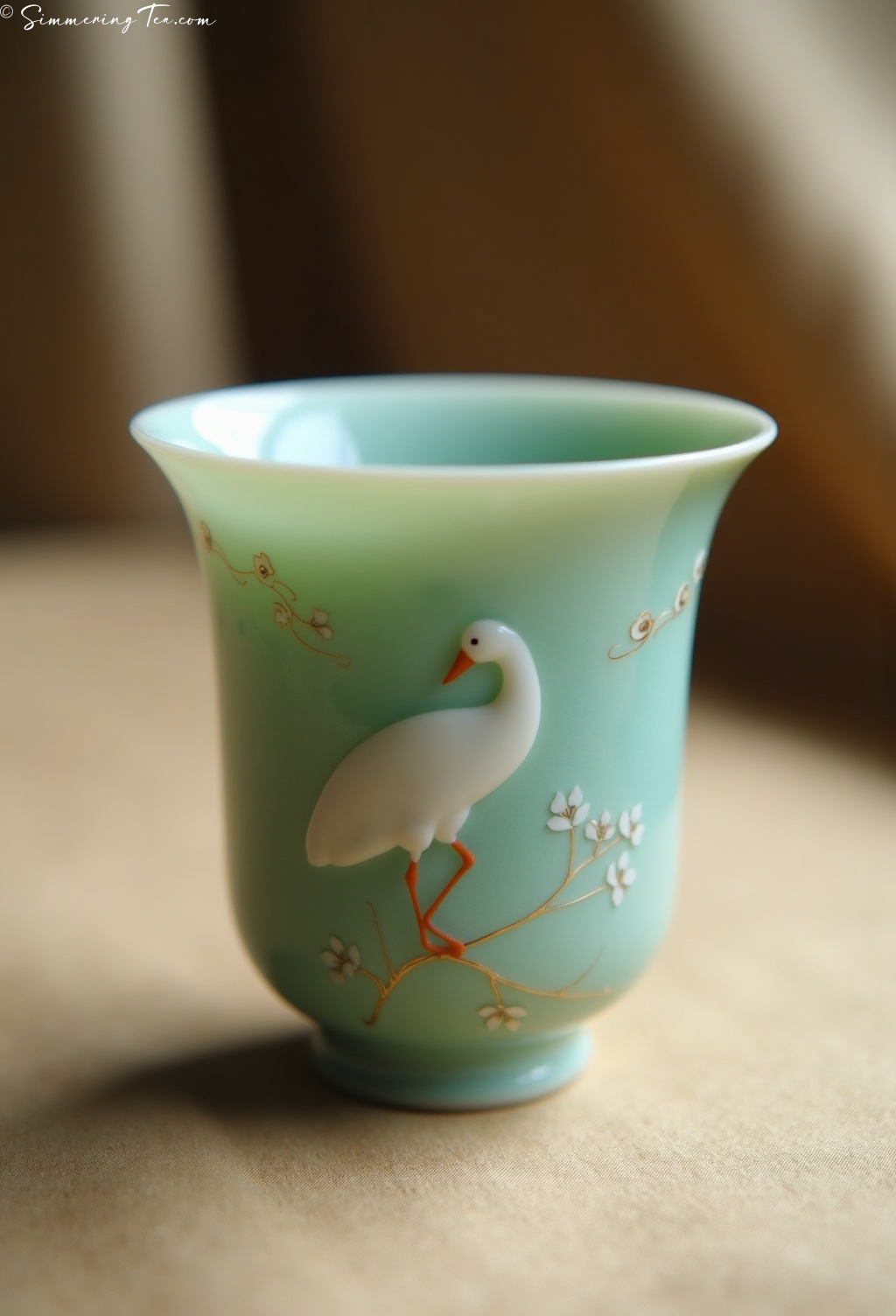
Korean royal tea services showcase the subtle beauty of celadon glazes and restrained decoration that characterize Korean ceramic aesthetics. The Joseon dynasty court favored elegant simplicity over ostentatious display.
Thai Benjarong
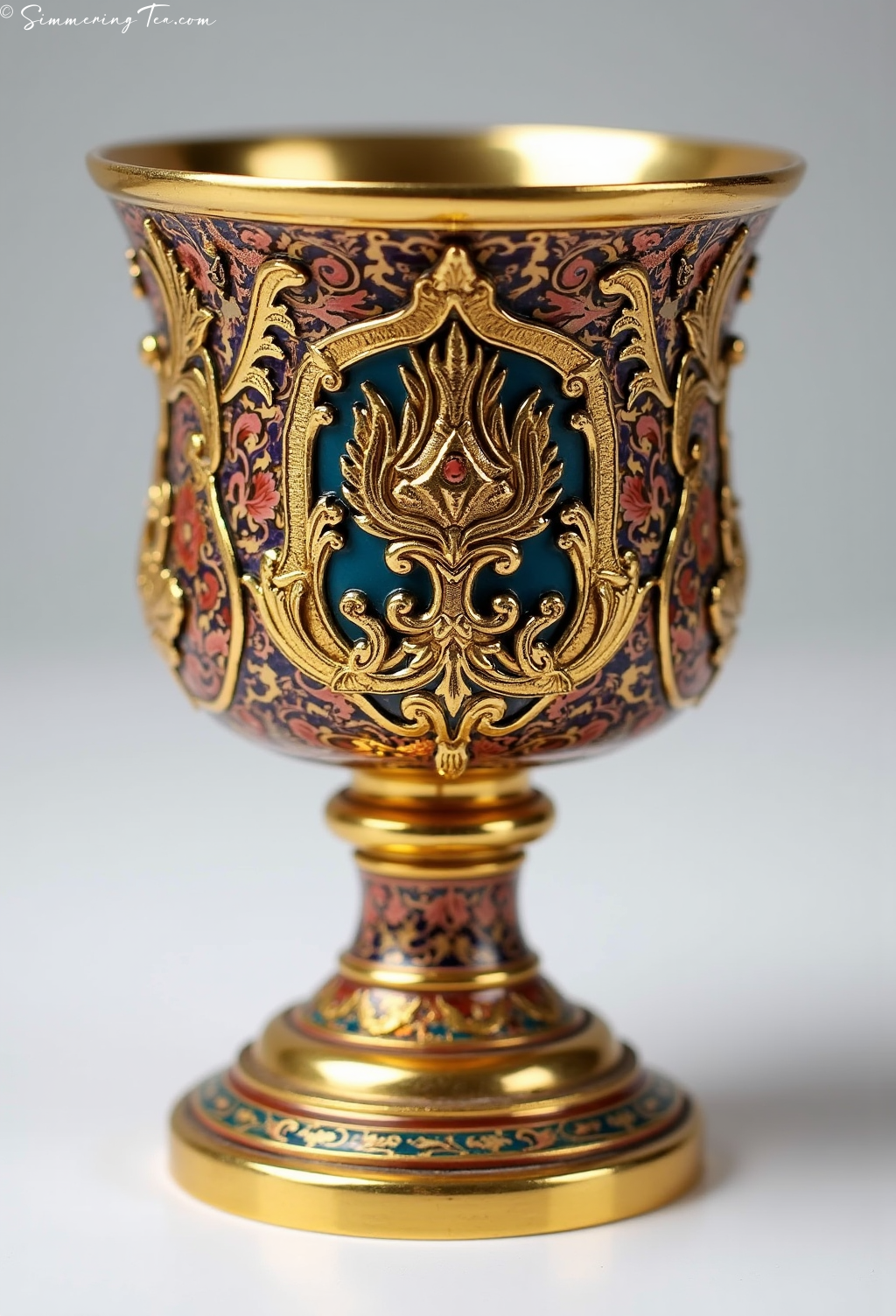
Benjarong, meaning “five colors,” is traditional Thai porcelain featuring intricate multicolored enamel decoration on a white background. Originally commissioned by Thai royalty, these pieces showcase the nation’s distinctive artistic tradition.
Vietnamese Court Porcelain
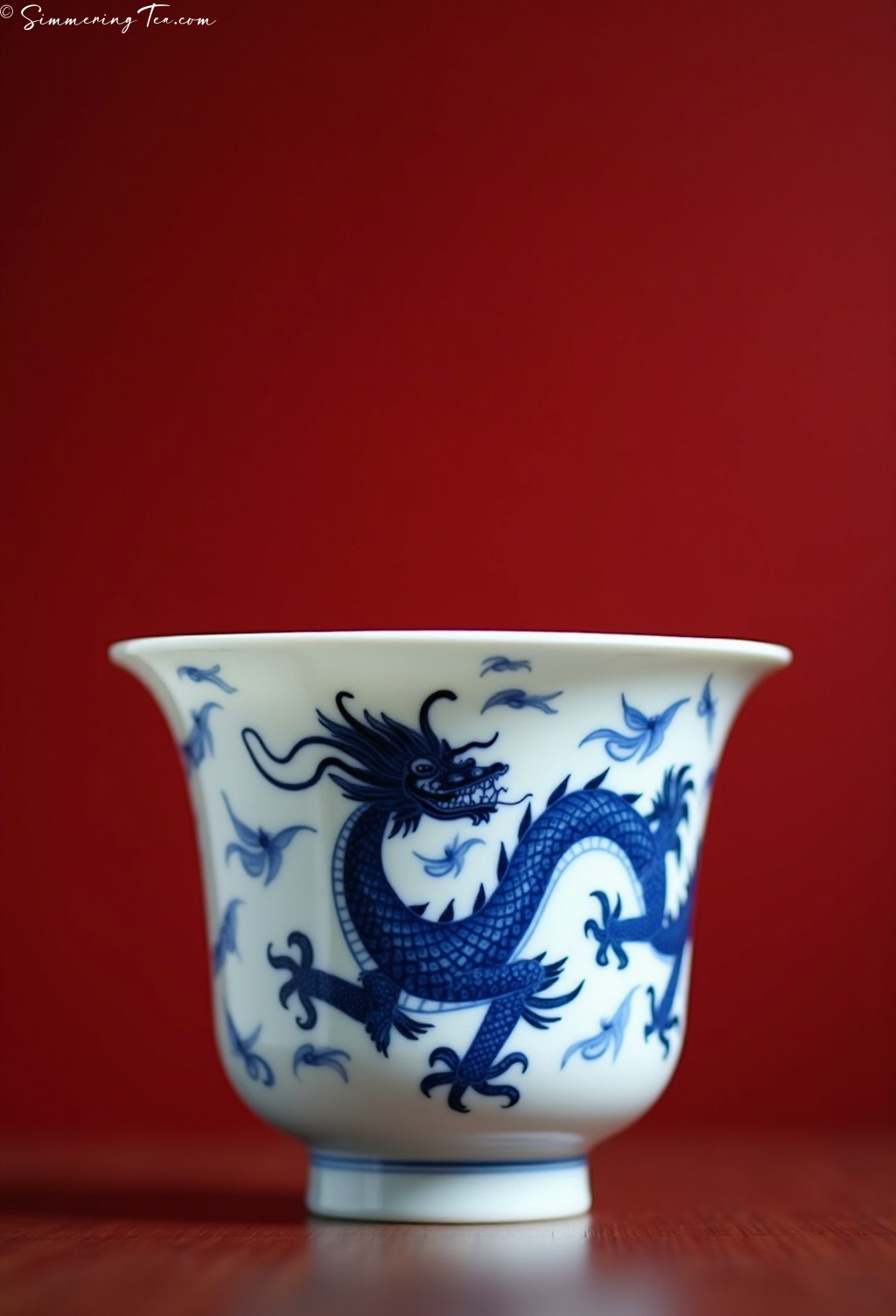
Vietnamese royal courts commissioned distinctive porcelain that blended Chinese influences with Southeast Asian aesthetics. These pieces often feature naturalistic decorations and Vietnamese calligraphy.
Mughal Court Luxury
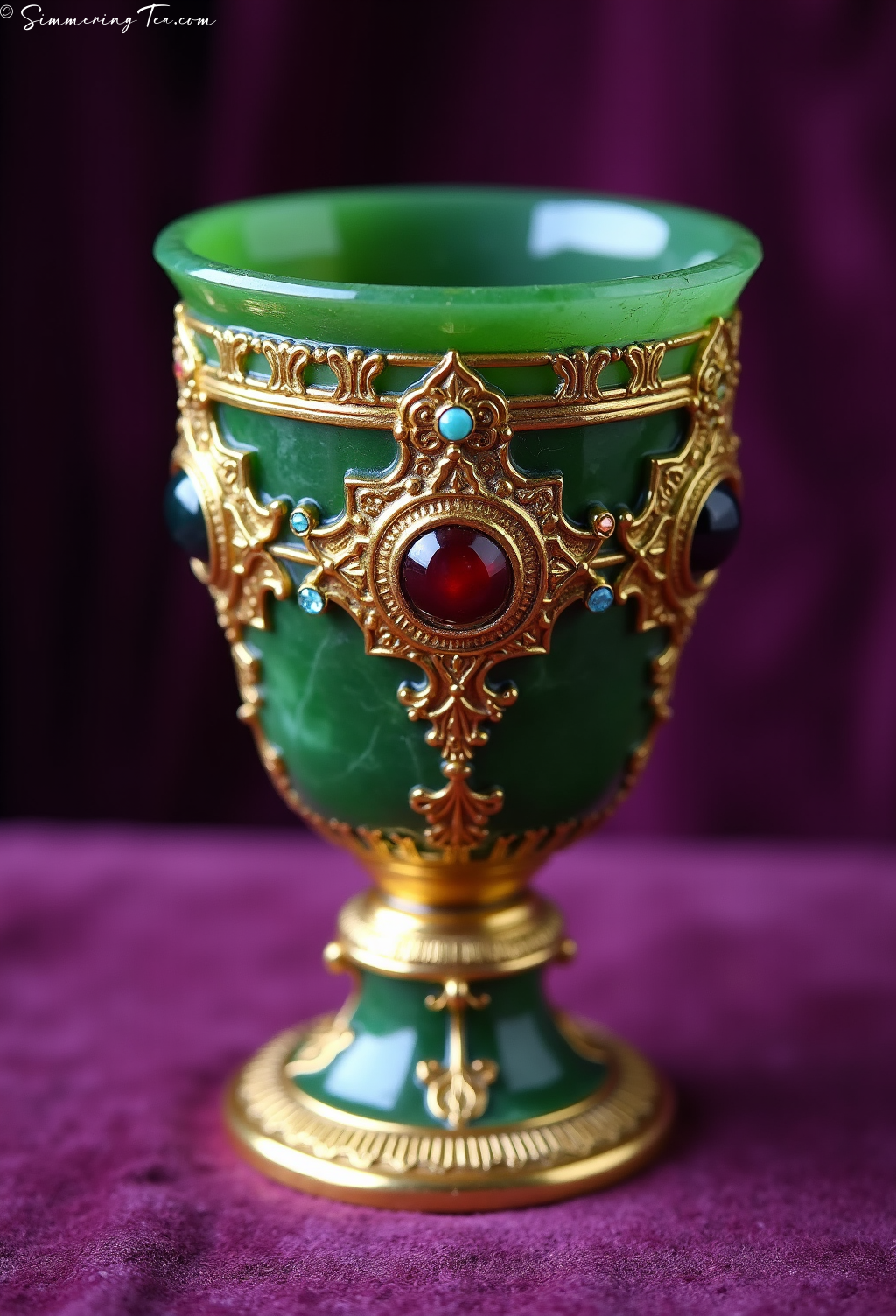
The Mughal emperors of India patronized extraordinary decorative arts. While tea came later to Mughal culture, services created during the British colonial period blended Mughal artistic traditions with tea culture, creating unique fusion pieces.
Middle Eastern Royal Collections: Islamic Art and Tea
Ottoman Imperial Services
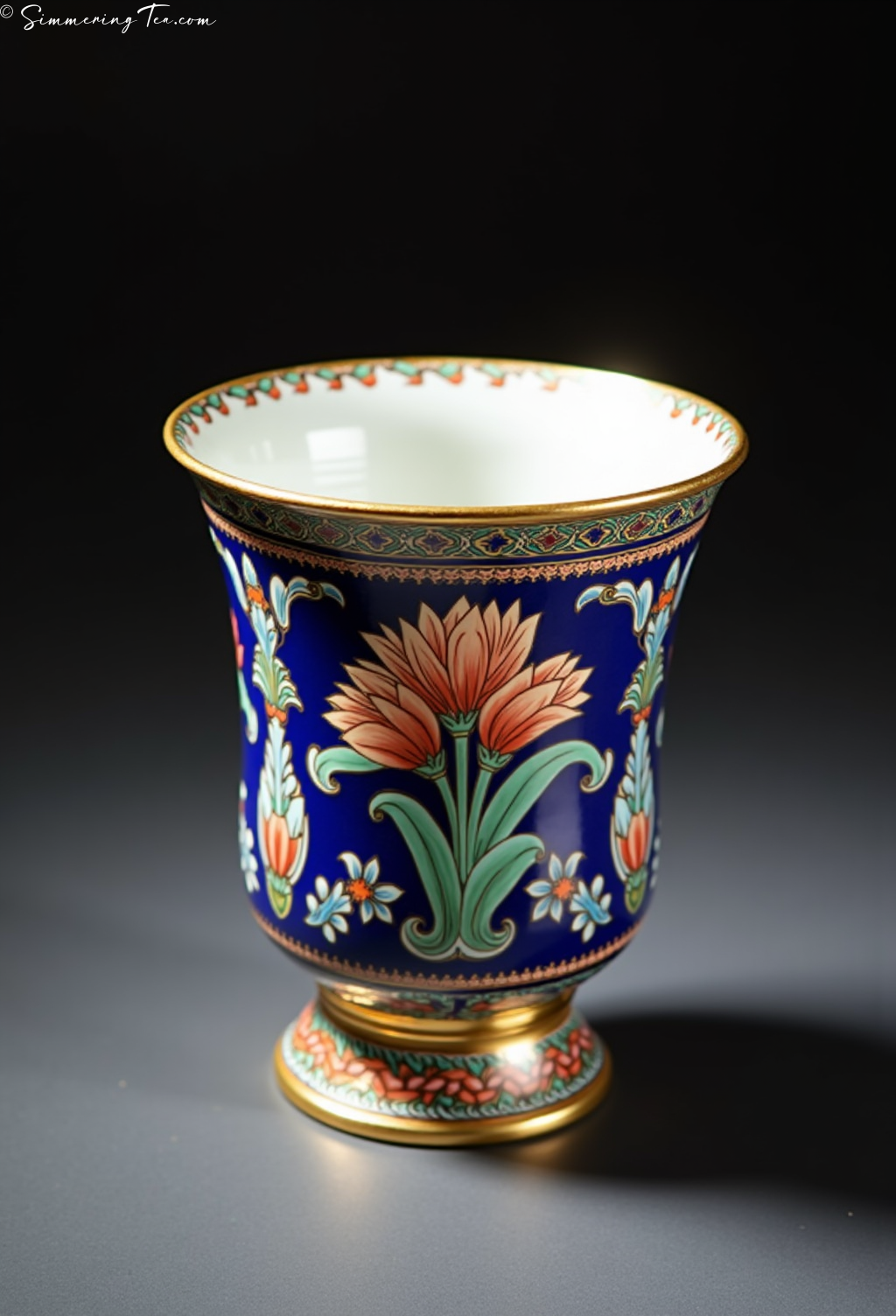
Ottoman sultans commissioned elaborate tea services that showcased Islamic artistic traditions. Intricate geometric patterns, calligraphy, and jewel-like enameling characterized these pieces, which blended functionality with artistic expression.
Persian Royal Craftsmanship
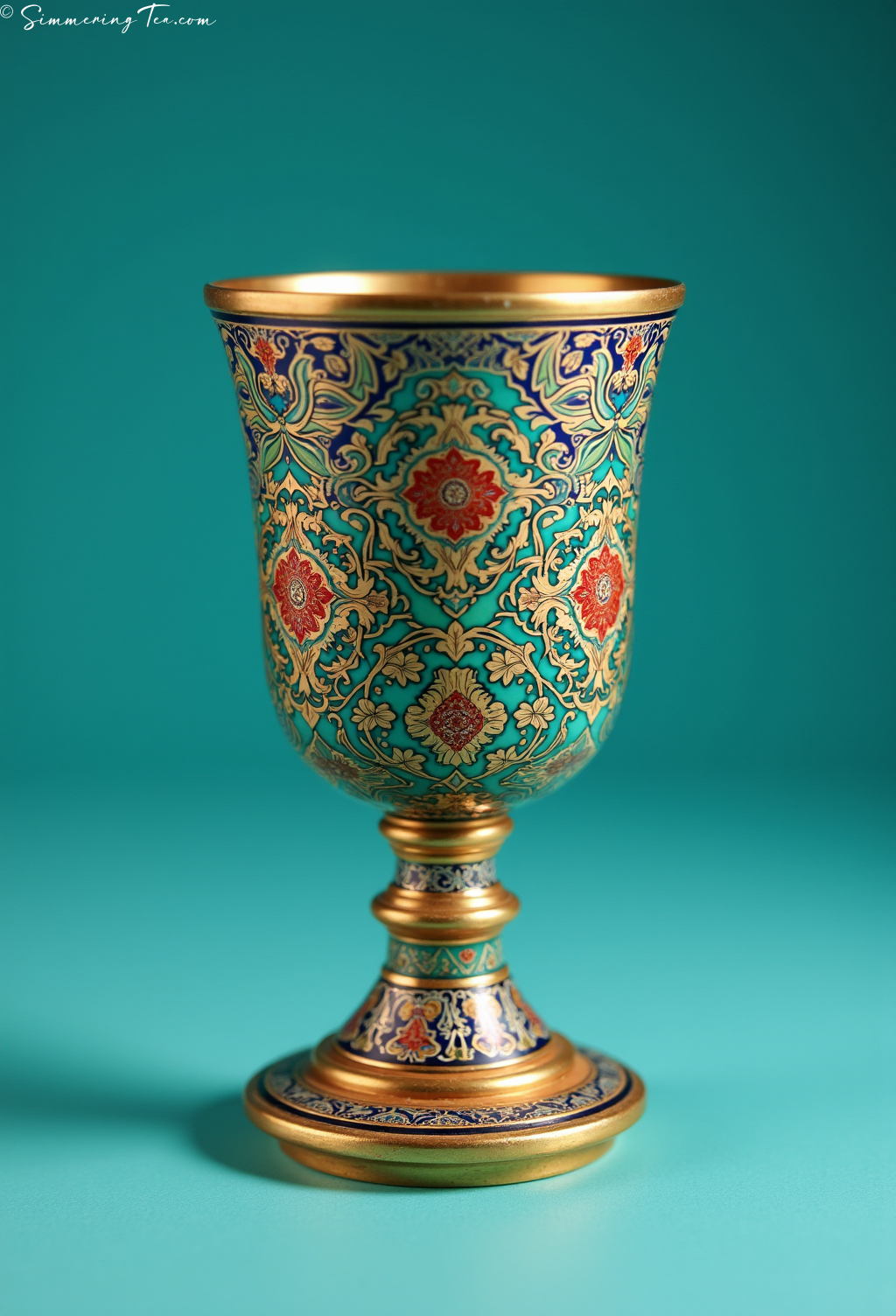
Persian (Iranian) royal tea services feature the sophisticated artistry of Persian miniature painting traditions. Delicate floral motifs, bird decorations, and turquoise glazes create distinctively Persian luxury.
Moroccan Royal Style
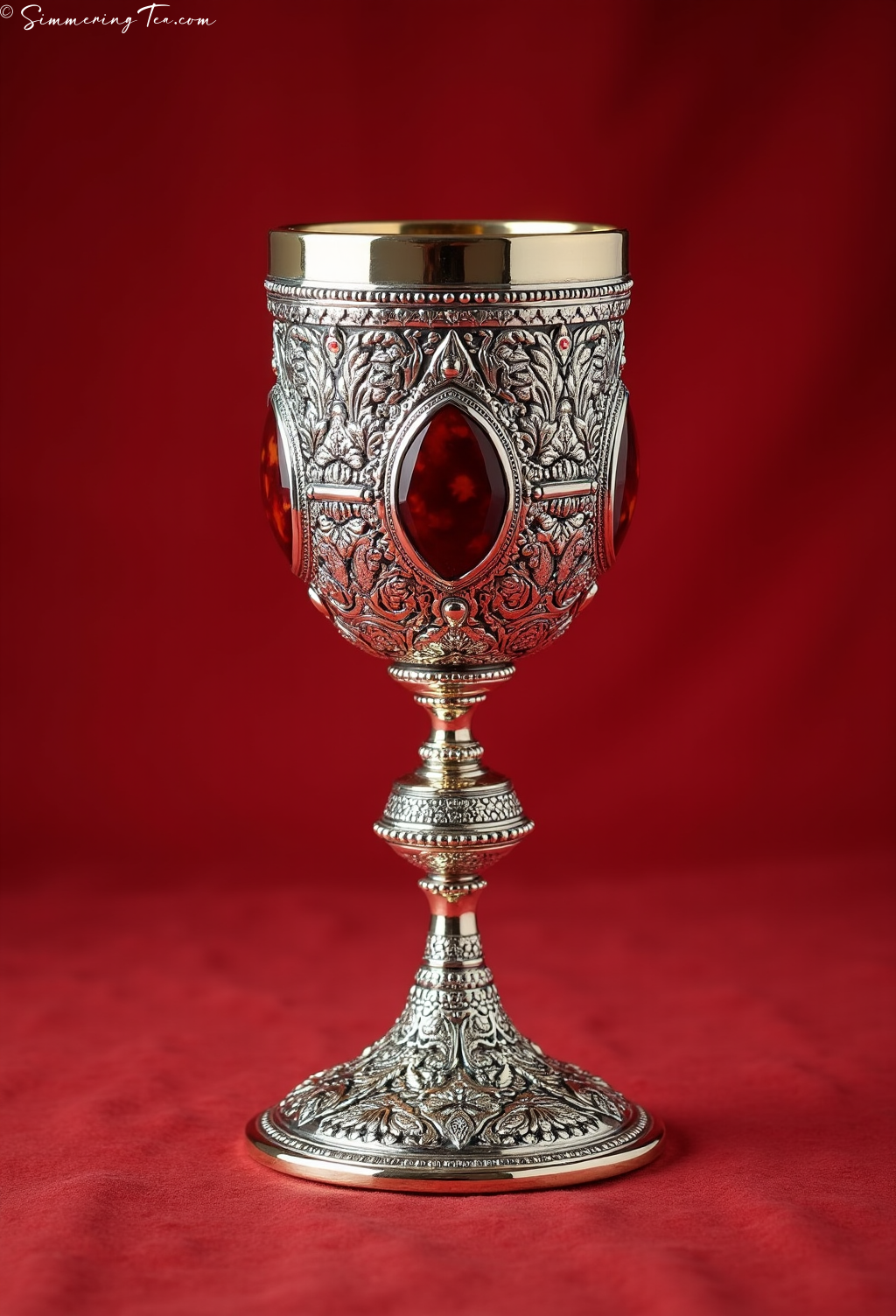
Moroccan royal tea services often feature ornate metalwork, particularly in silver, with intricate engraving and filigree. The distinctive serving ritual and elaborate presentation make Moroccan tea service truly regal.
Saudi Arabian Luxury

Modern Saudi royal tea services combine traditional Arabic hospitality with contemporary luxury. Gold, precious materials, and masterful craftsmanship create services befitting royal status.
Egyptian Royal Heritage
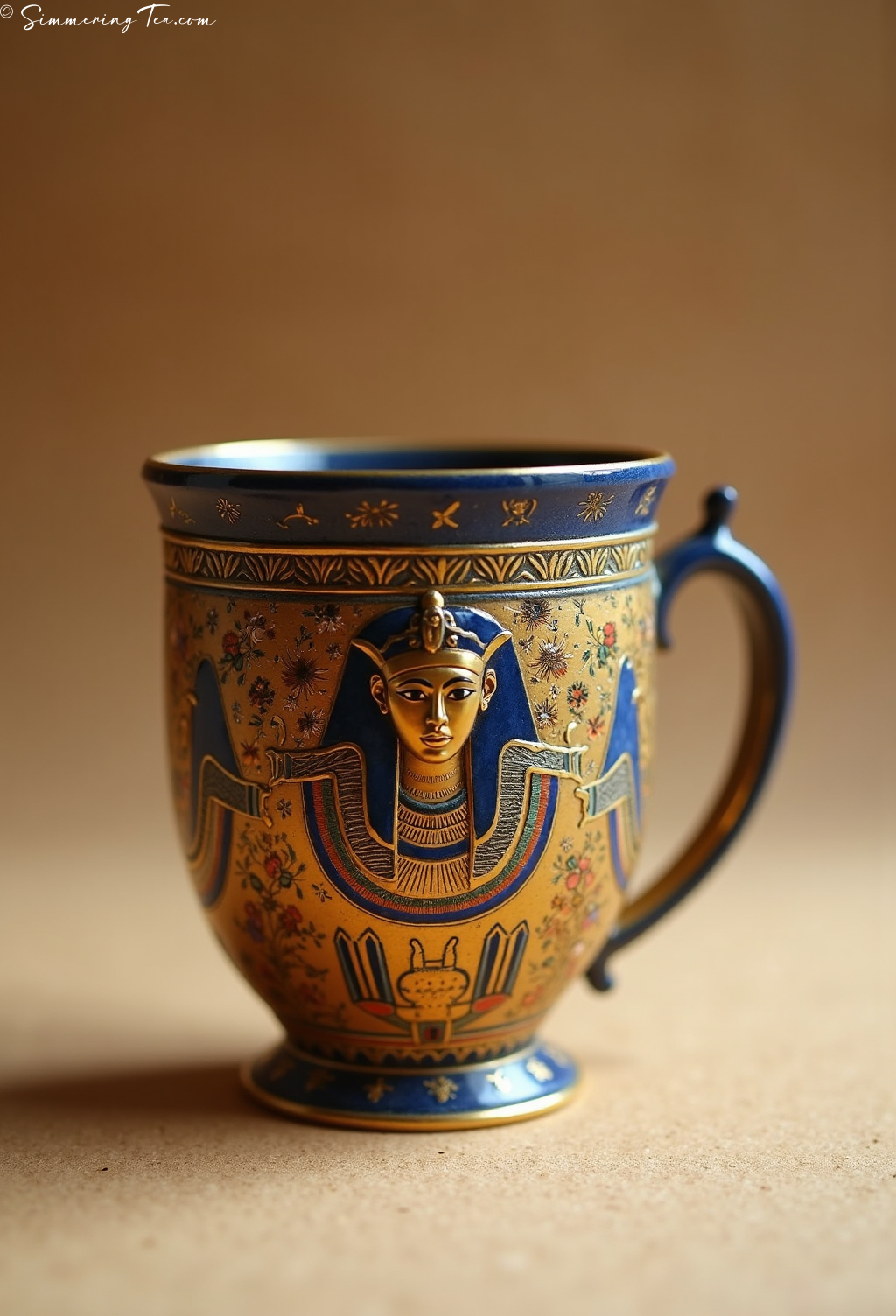
Egyptian royal and aristocratic tea services, particularly from the Muhammad Ali dynasty era, blended Ottoman influences with European styles, creating a unique Egyptian aesthetic.
Emirati Elegance
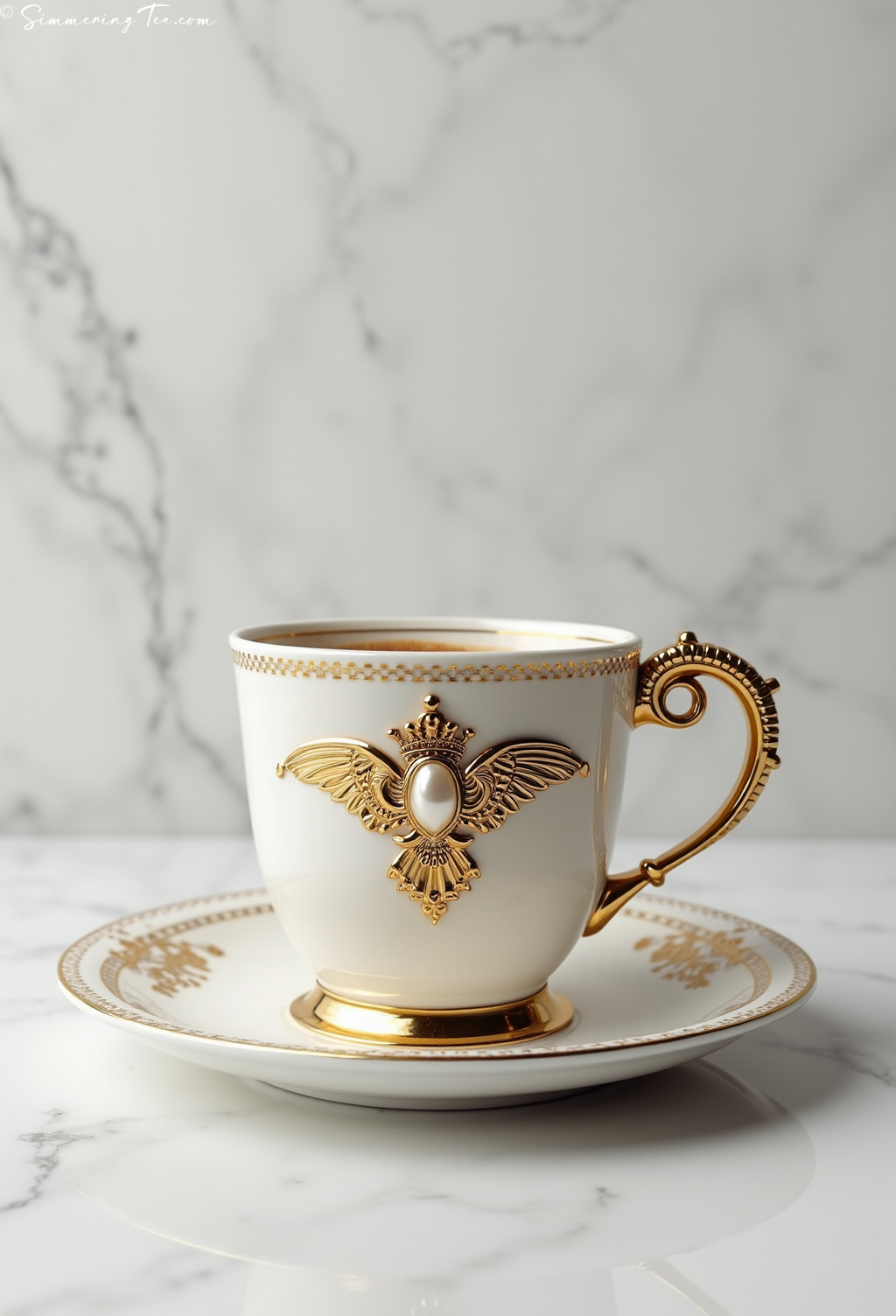
Contemporary Emirati royal tea services showcase modern luxury while respecting traditional Arabic hospitality values. These pieces often incorporate cutting-edge design with precious materials.
State and Diplomatic Collections
Diplomatic Gift Services
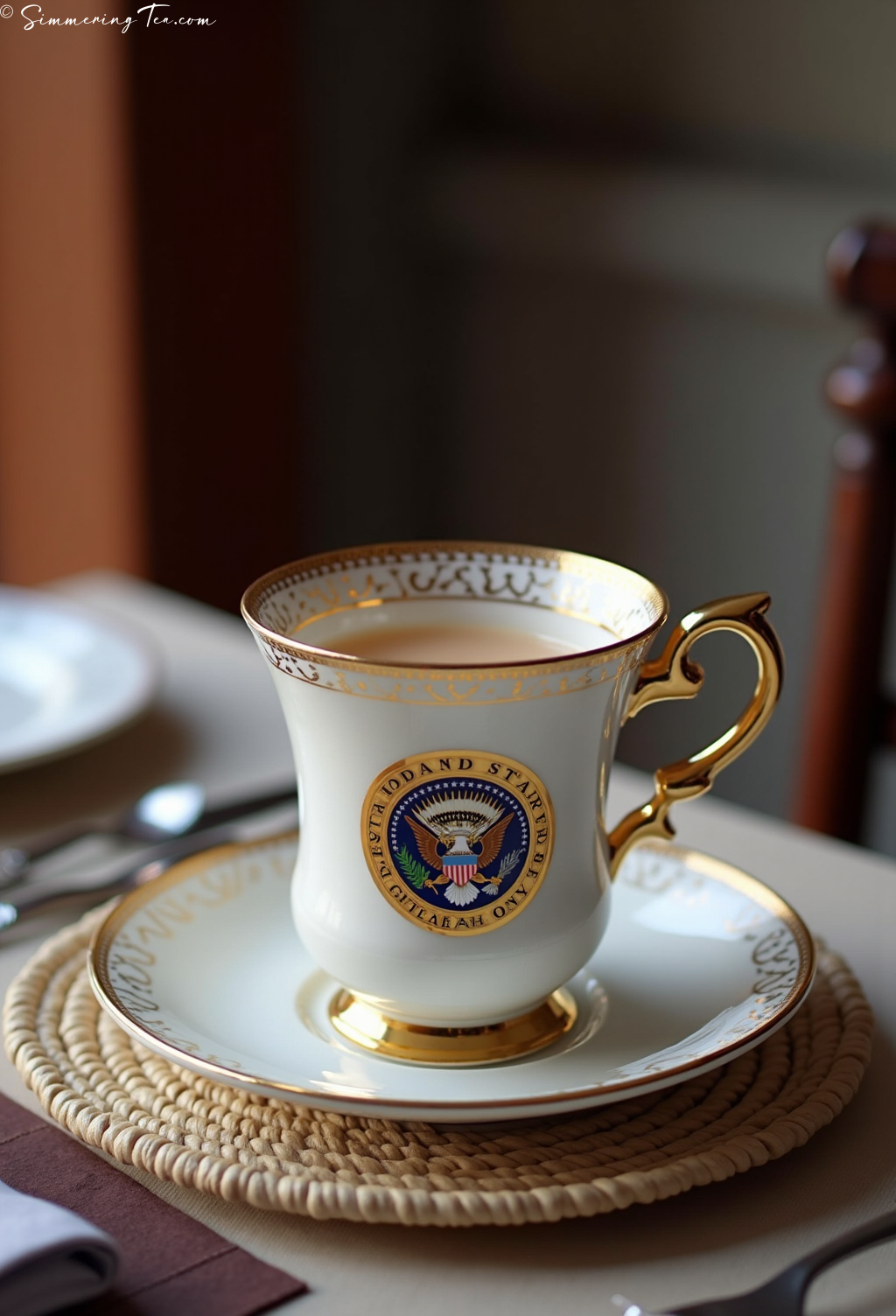
Tea services have long served as diplomatic gifts between nations and leaders. These pieces combine the finest craftsmanship with symbols of friendship, often commissioned specially for historic occasions.
Vatican Collections
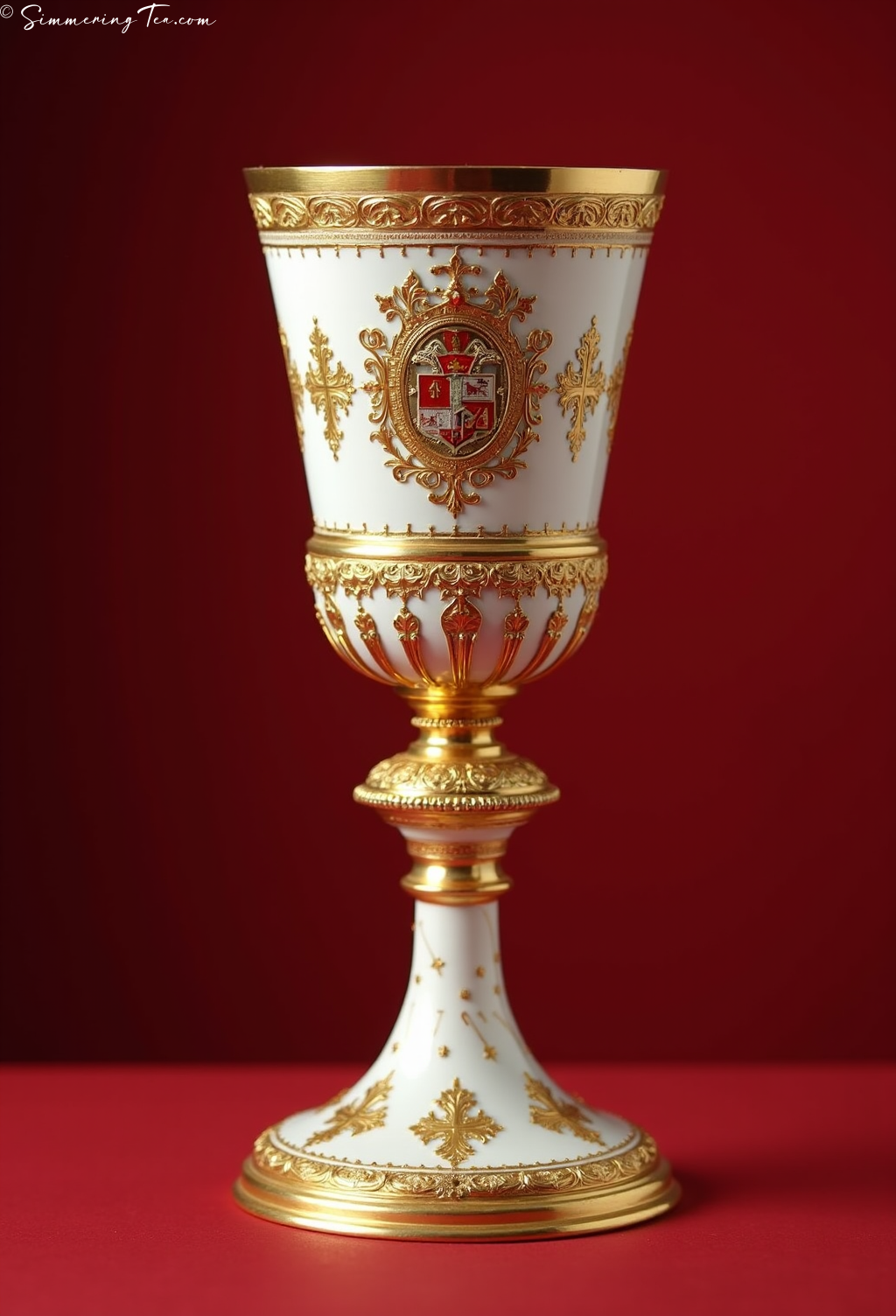
The Vatican houses extraordinary tea and coffee services used for papal audiences and diplomatic receptions. These pieces often feature religious iconography alongside the finest European porcelain artistry.
Versailles Palace
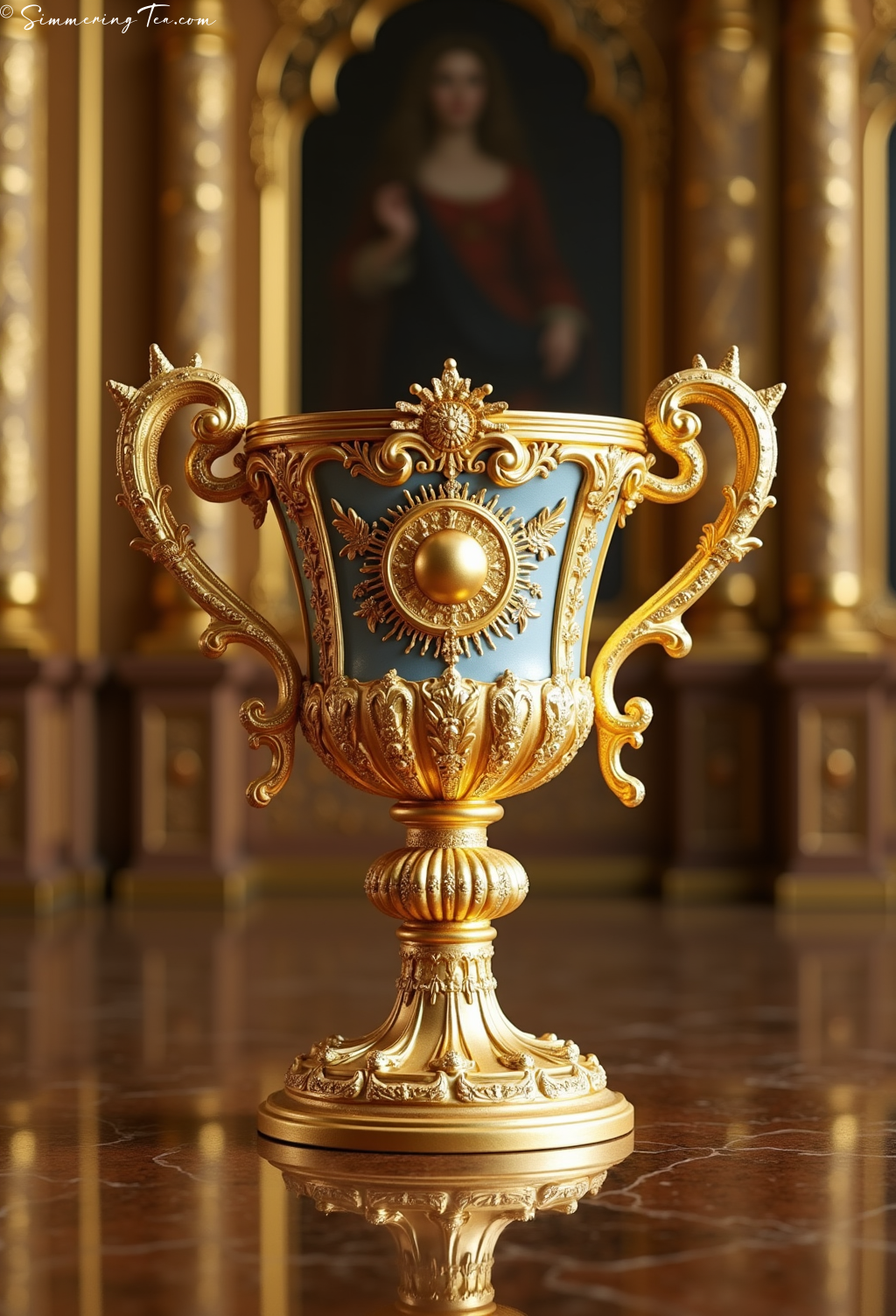
The Palace of Versailles maintains one of the world’s most significant collections of royal porcelain, including tea services used by Louis XIV through the modern French Republic for state occasions.
The Hermitage Museum
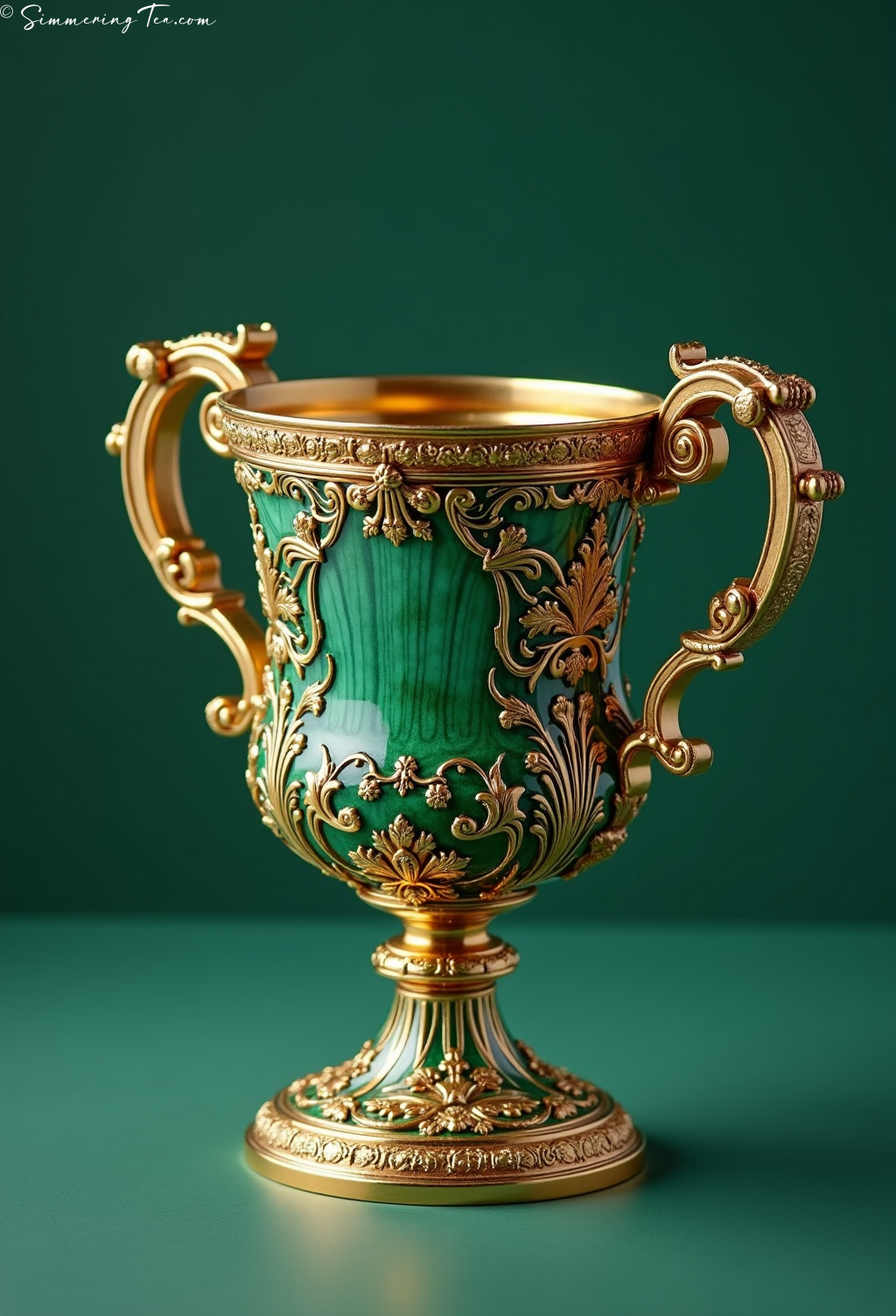
St. Petersburg’s Hermitage houses the Russian imperial collection of tea services, representing centuries of court life and the finest achievements of Russian and European porcelain manufacturers.
Hofburg Palace Vienna
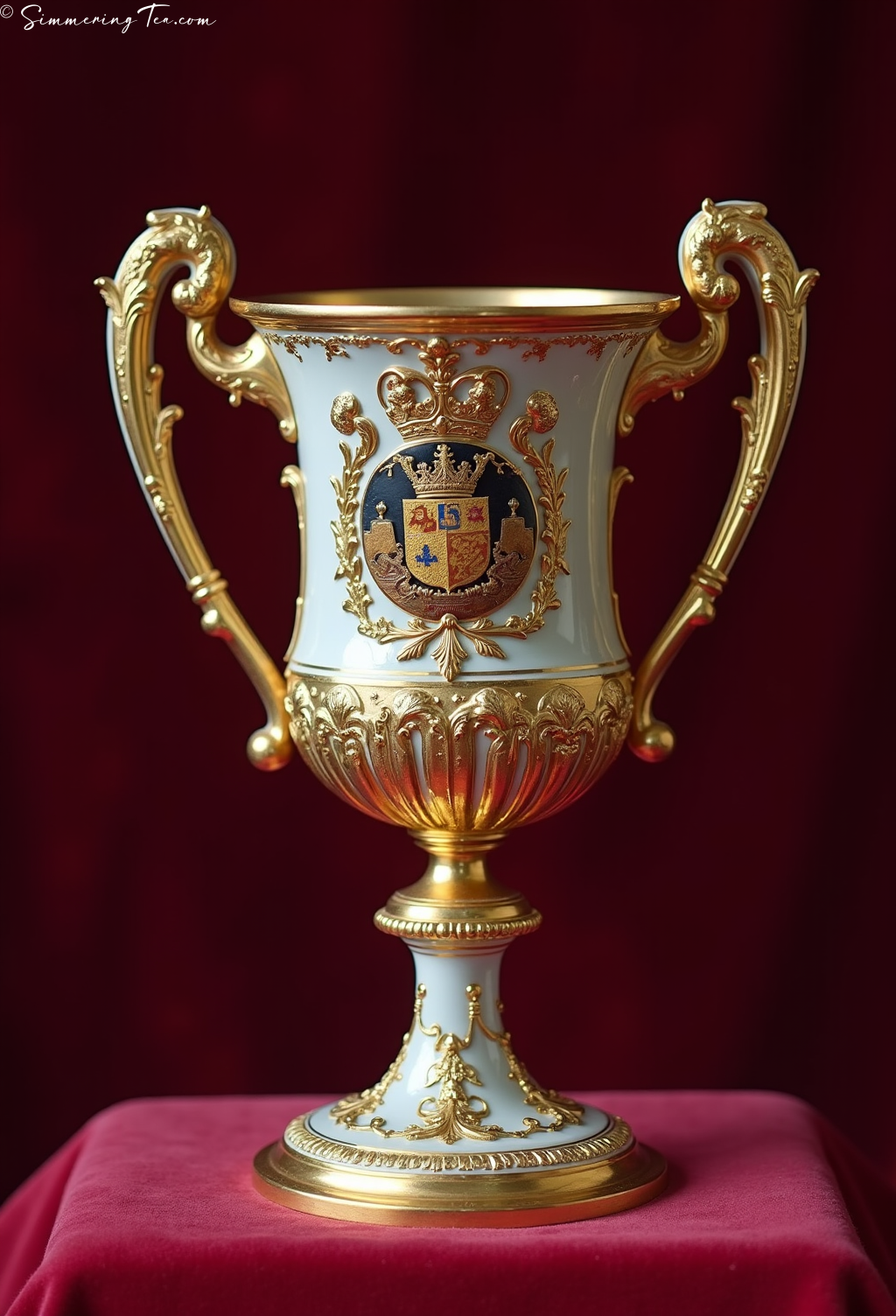
The Habsburg collections in Vienna’s Hofburg Palace showcase centuries of imperial Austrian tea culture, including services used by Maria Theresa, Franz Joseph, and Empress Elisabeth.
The Forbidden City
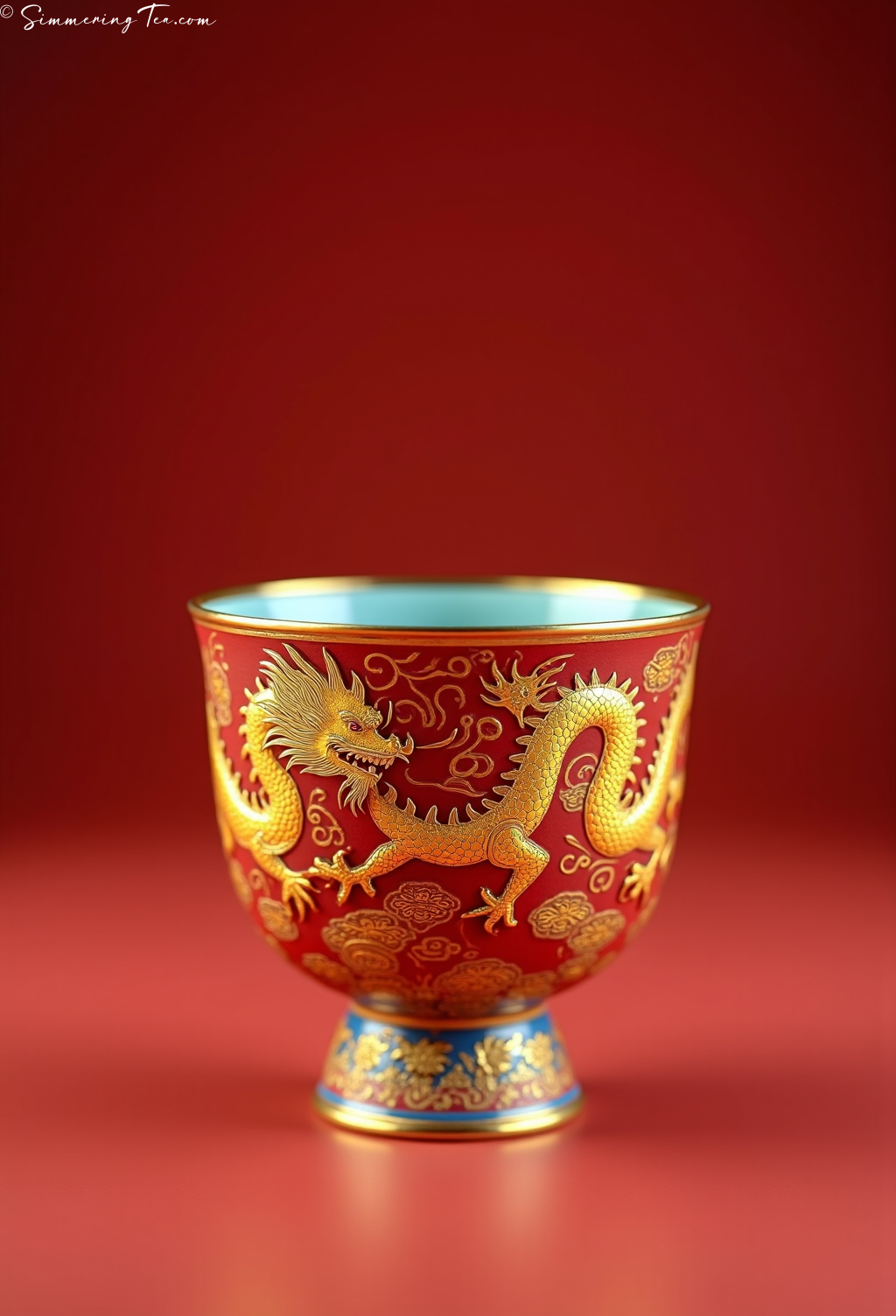
Beijing’s Forbidden City houses the world’s most significant collection of Chinese imperial porcelain, including tea services that span dynasties and represent the pinnacle of ceramic artistry.
Peterhof Palace
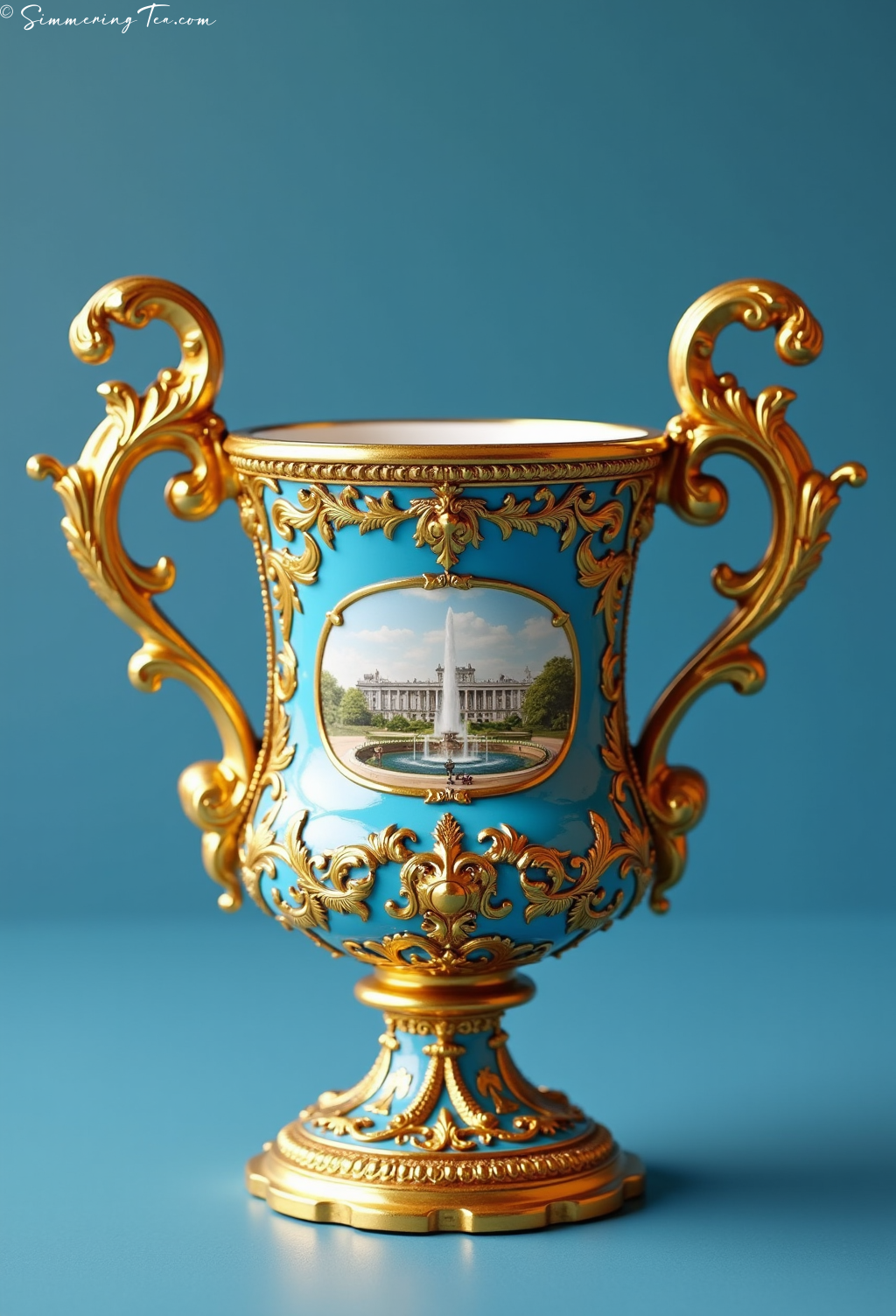
Peter the Great’s summer palace maintains collections of imperial Russian tea services, showcasing how tea culture integrated into Russian court life during the 18th and 19th centuries.
The Alhambra
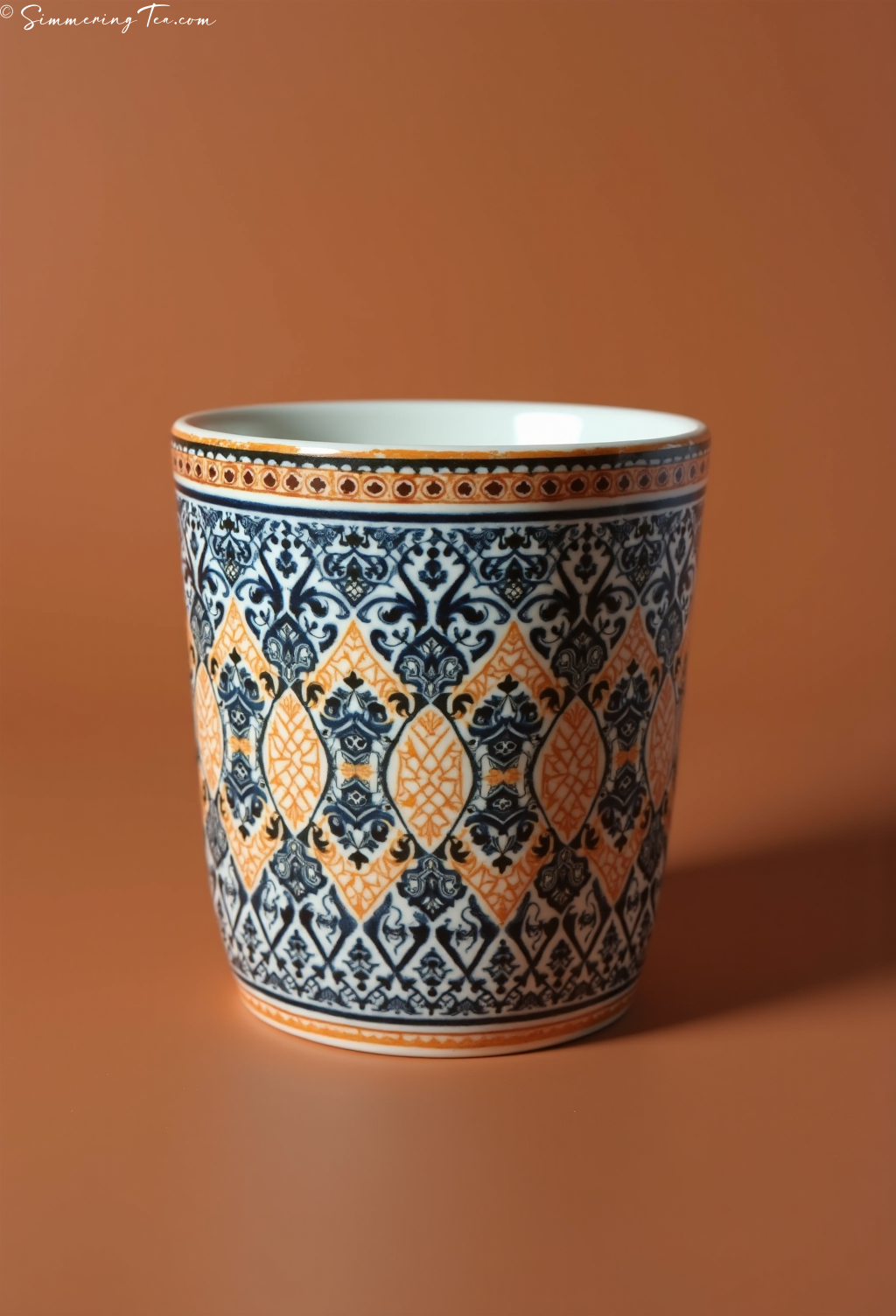
Granada’s Alhambra represents centuries of Islamic culture in Spain. Tea services associated with this palace blend Moorish artistic traditions with Spanish influences, creating unique fusion pieces.
Schönbrunn Palace

Vienna’s Schönbrunn Palace, the summer residence of the Habsburgs, houses collections that showcase how European royalty embraced tea culture, particularly during Maria Theresa’s reign.
Crown Jewels & Royal Treasures
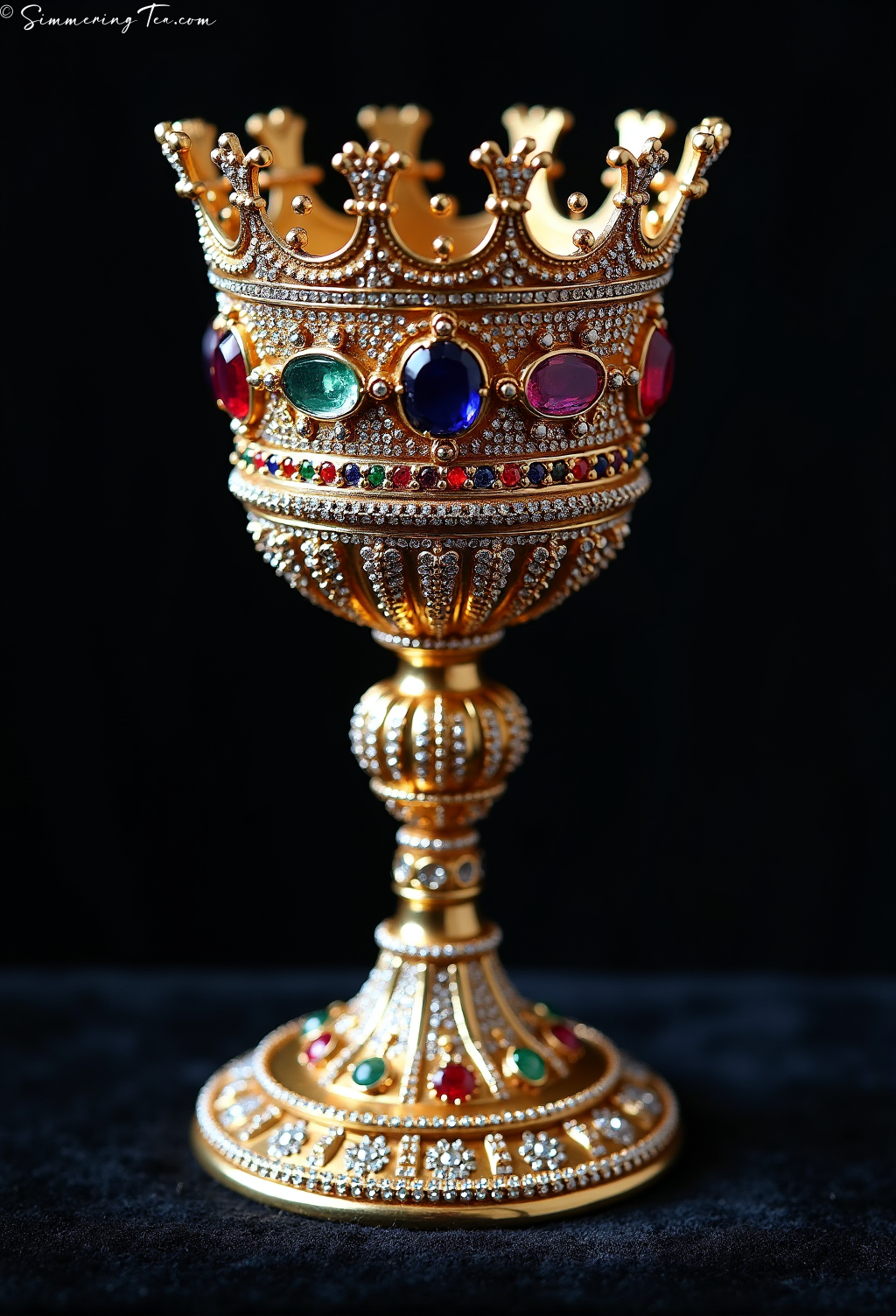
Beyond crowns and scepters, royal treasure collections include tea services crafted from precious materials—gold, silver, jewels—demonstrating that tea drinking deserved the finest vessels.
Building Your Own Royal Tea Collection
While original royal tea services command museum-level prices, there are many ways to bring royal elegance into your own tea rituals:
Collecting Vintage and Antique Pieces
Estate sales, antique markets, and reputable dealers offer opportunities to acquire genuine vintage pieces from prestigious makers. Look for maker’s marks, signs of hand-painting, and quality materials. Even single cups and saucers can become cherished pieces when they carry historical significance.
Contemporary Royal Warrant Holders
Many porcelain manufacturers holding royal warrants continue producing exquisite tea services accessible to collectors. These pieces carry the same quality standards as services used by royalty.
Commemorative and Limited Editions
Royal occasions inspire officially licensed commemorative services that become valuable collectibles. These pieces celebrate coronations, jubilees, and royal weddings while maintaining high production standards.
Museum Reproductions
Major museums license reproductions of historical pieces from their collections, offering accessible ways to own museum-quality designs. These officially sanctioned pieces ensure historical accuracy and craftsmanship quality.
Caring for Royal Teaware
Fine porcelain and precious materials require proper care to preserve their beauty and value:
Handling and Use
Always handle pieces with clean, dry hands. Support cups from underneath rather than by handles alone. While many antique pieces remain functional, consider reserving the most valuable items for display only.
Cleaning
Hand wash fine porcelain in lukewarm water with mild soap. Never use abrasive materials. For gilded pieces, avoid any harsh rubbing. Dry immediately with soft, lint-free cloths.
Storage
Store pieces with protective padding between them. Use plate stands to display items without stressing them. Keep collections away from direct sunlight, which can fade decoration over time.
Display
Glass-front cabinets protect pieces while allowing you to enjoy their beauty. Maintain stable temperature and humidity to prevent crazing or damage. Consider museum-quality display cases for the most valuable pieces.
The Investment Value of Royal Teaware
Quality royal teaware can appreciate significantly over time. Factors affecting value include:
- Provenance – Documented royal ownership or commission increases value exponentially
- Rarity – Limited production, unusual patterns, or pieces from defunct manufactories
- Condition – Pristine pieces command premium prices; damage significantly reduces value
- Completeness – Full services are worth more than the sum of individual pieces
- Historical Significance – Pieces from important periods or made for significant occasions
- Maker Reputation – Top manufacturers maintain value better than lesser-known makers
Conclusion: Bringing Royal Elegance to Your Tea Table
Royal teaware represents the intersection of art, craft, history, and the universal pleasure of tea. Whether you collect museum-quality antiques, invest in contemporary pieces from royal warrant holders, or simply appreciate the beauty and history these collections represent, royal teaware transforms the simple act of drinking tea into a connection with centuries of tradition and refinement.
Each piece tells a story—of the artisans who created it, the royalty who commissioned it, the occasions it graced, and the cultural values it embodies. By bringing these pieces into our homes and using them thoughtfully, we participate in a living tradition that spans continents and centuries.
Start your collection with what speaks to you personally. Whether it’s the elegant simplicity of Scandinavian design, the elaborate opulence of Russian imperial porcelain, the refined beauty of Japanese ceramics, or the classical grace of European makers, there’s a royal tea tradition waiting to enrich your daily tea ritual.
After all, every tea lover deserves to feel like royalty, at least for the time it takes to brew and savor the perfect cup.
Which royal tea tradition speaks to you? Share your favorite styles in the comments below!