
What is a Gaiwan? Understanding the Three-Piece Wonder
A gaiwan consists of three components that work together in perfect harmony:- The Bowl (碗) - Holds the tea leaves and water, typically 100-150ml capacity
- The Lid (盖) - Controls the steep, filters leaves when pouring, and retains heat
- The Saucer (托) - Catches drips, protects hands from heat, and provides elegant presentation
Why Choose a Gaiwan? The Advantages of Traditional Brewing
Tea masters and enthusiasts worldwide choose gaiwans for several compelling reasons:Complete Brewing Control
Unlike Western teapots, gaiwans allow you to watch your tea steep, smell the evolving aromas, and adjust timing infusion by infusion. This hands-on approach connects you directly with your tea.Neutral Flavor Profile
Porcelain and glass gaiwans don't retain flavors, making them perfect for tasting multiple teas in one session. You can explore a delicate white tea, then switch to a robust oolong without cross-contamination.Space Efficiency
One versatile gaiwan replaces an entire cabinet of teapots. It's ideal for small spaces or travelers who want quality tea on the go.Multiple Infusion Mastery
Gongfu brewing with a gaiwan reveals how premium teas evolve over 6-10+ infusions. Each steep tells a different part of the tea's story.Connection to Tradition
Using a gaiwan connects you to centuries of Chinese tea culture. The meditative ritual of gaiwan brewing creates mindfulness in our busy modern lives.Traditional Porcelain Gaiwans: The Classic Choice
Porcelain remains the most popular gaiwan material, prized for its neutral properties and elegant beauty. Let's explore the spectrum from simple white to elaborate artistic pieces.Pure White Porcelain: The Taster's Choice
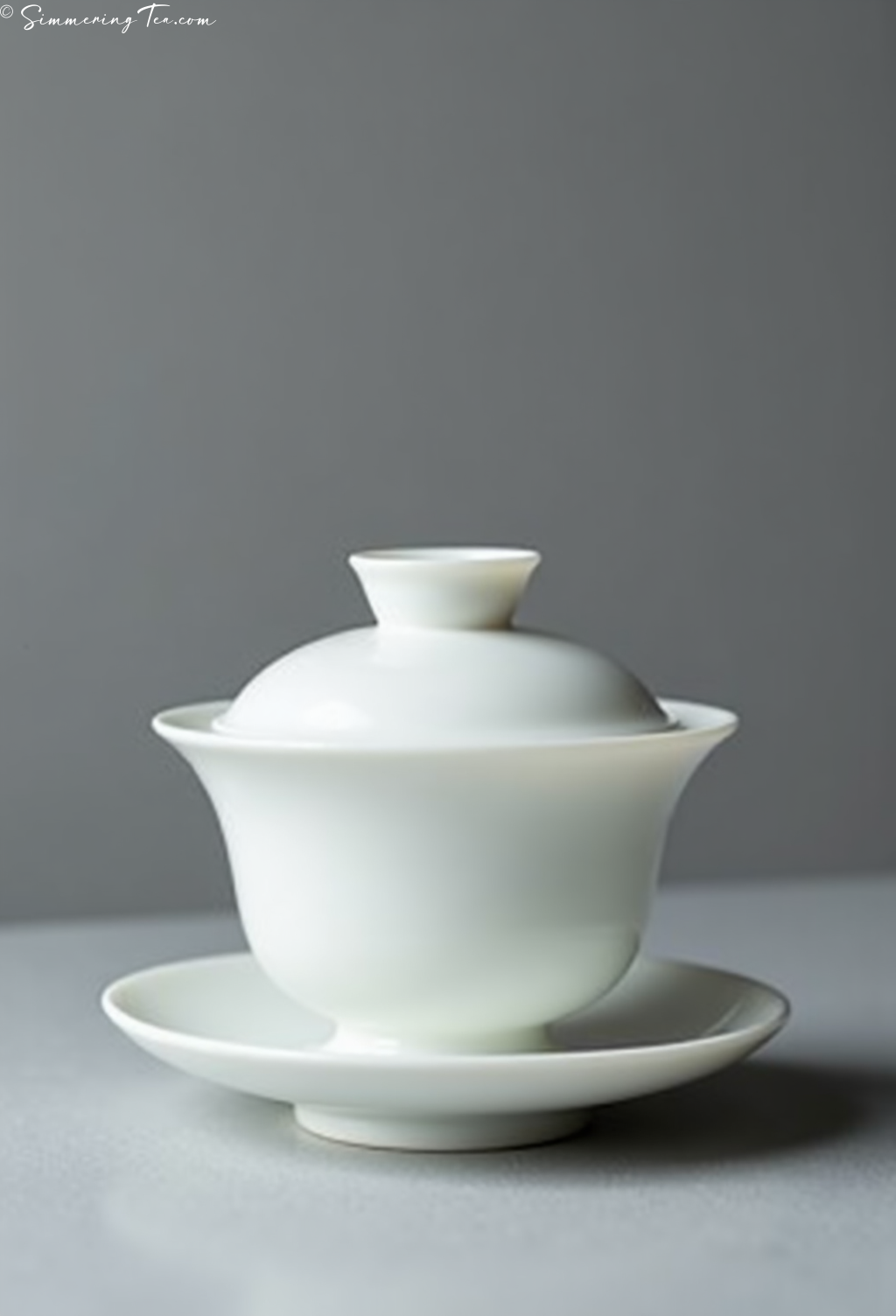 Plain white porcelain gaiwans are the industry standard for professional tea tasting. The neutral white background allows you to observe tea liquor color precisely, while the material's neutrality ensures no flavor interference.
These white porcelain gaiwans are perfect for beginners and experts alike—simple, functional, and timeless.
Plain white porcelain gaiwans are the industry standard for professional tea tasting. The neutral white background allows you to observe tea liquor color precisely, while the material's neutrality ensures no flavor interference.
These white porcelain gaiwans are perfect for beginners and experts alike—simple, functional, and timeless.
Blue and White: Classic Chinese Elegance
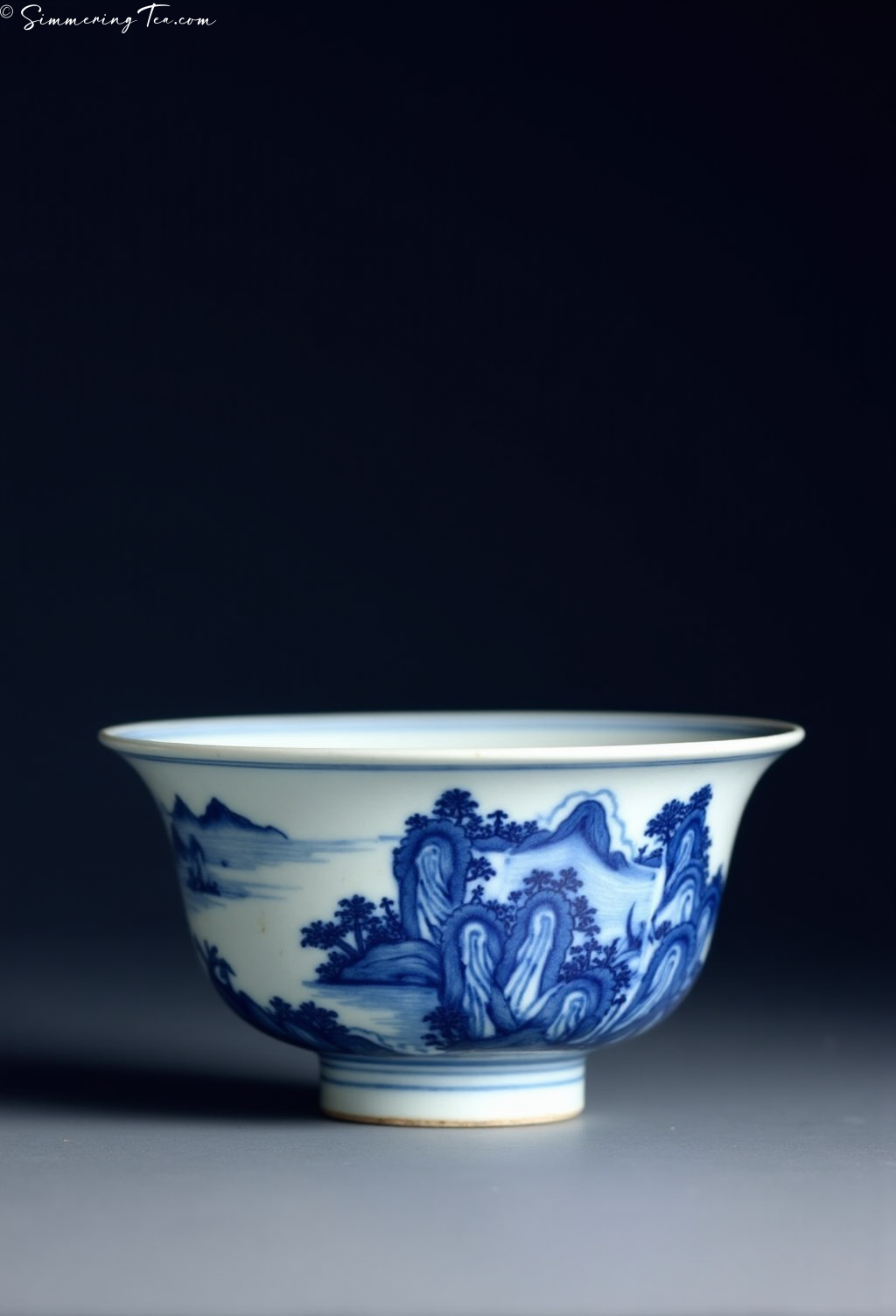 Blue and white porcelain (青花瓷) represents one of China's most famous ceramic traditions. Cobalt blue painted under clear glaze creates designs ranging from simple geometric patterns to elaborate landscape scenes.
These iconic pieces blend functionality with artistic heritage, making them beloved by collectors and daily tea drinkers alike.
Blue and white porcelain (青花瓷) represents one of China's most famous ceramic traditions. Cobalt blue painted under clear glaze creates designs ranging from simple geometric patterns to elaborate landscape scenes.
These iconic pieces blend functionality with artistic heritage, making them beloved by collectors and daily tea drinkers alike.
Famille Rose: Delicate Floral Beauty
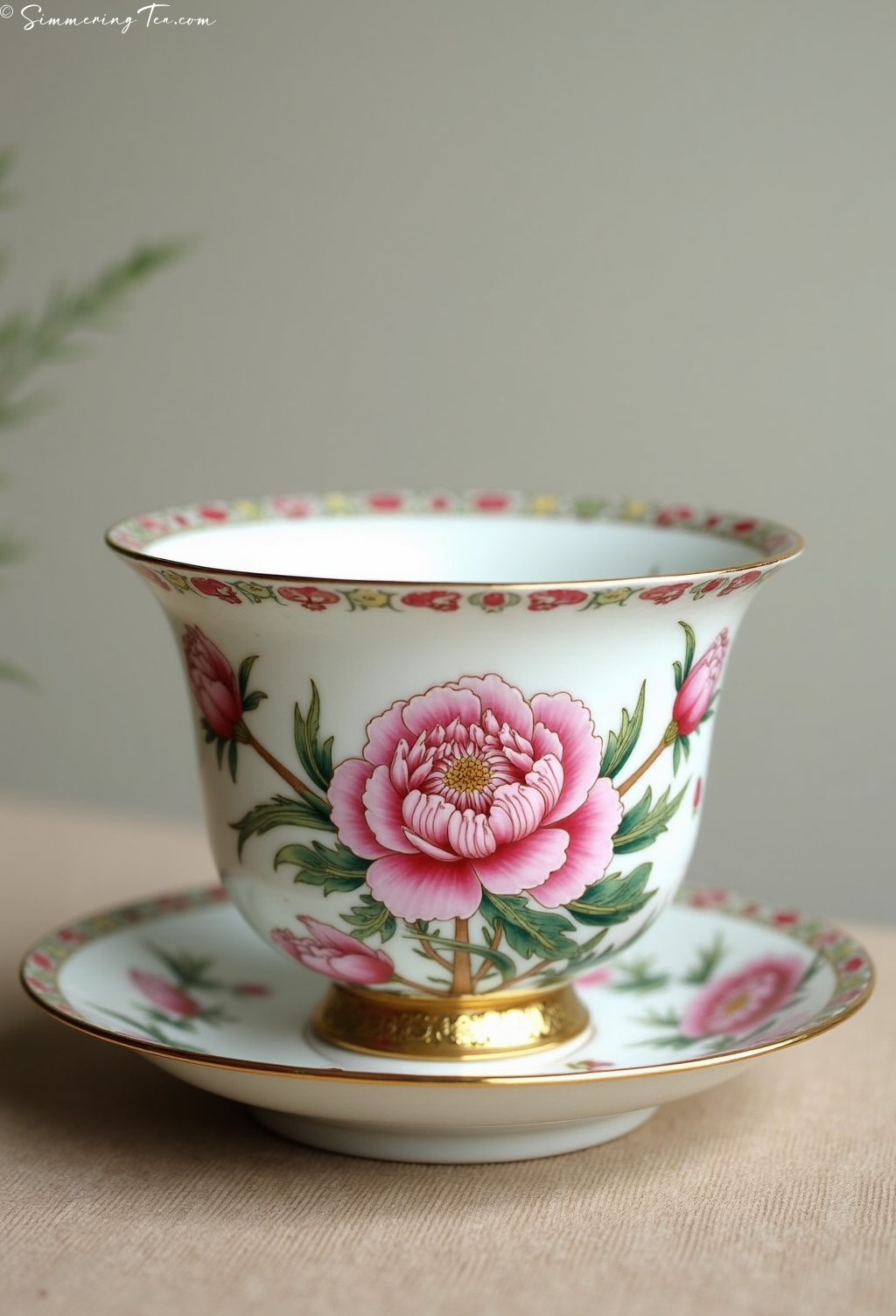 Famille rose (粉彩) porcelain features soft pink enamel colors creating naturalistic floral and bird designs. Developed in the Qing dynasty, this technique produces some of the most beautiful decorative gaiwans.
The delicate painting and subtle colors make these pieces feel both luxurious and refined.
Famille rose (粉彩) porcelain features soft pink enamel colors creating naturalistic floral and bird designs. Developed in the Qing dynasty, this technique produces some of the most beautiful decorative gaiwans.
The delicate painting and subtle colors make these pieces feel both luxurious and refined.
Thin-Body Porcelain: Lightweight Elegance
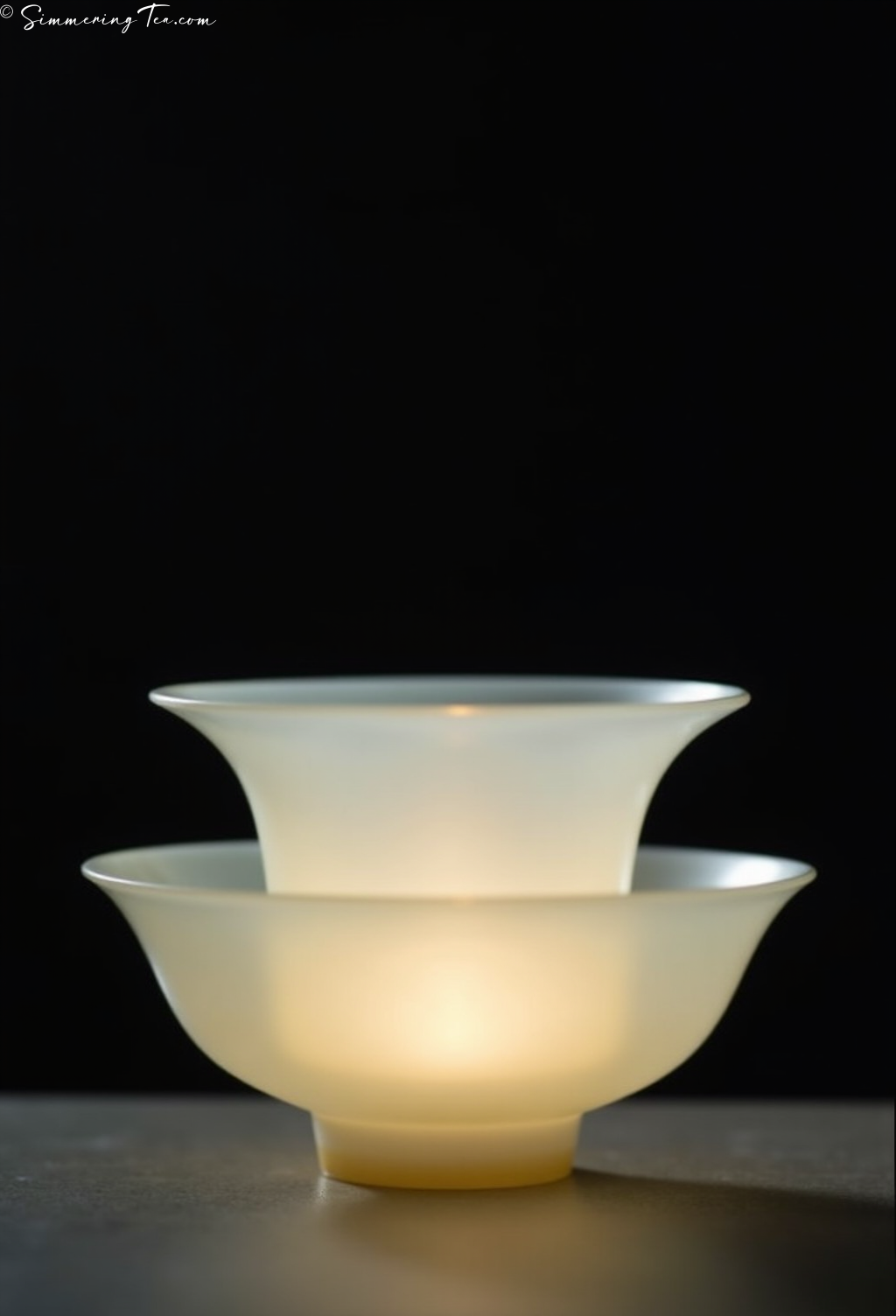 Master potters create extremely thin-walled porcelain gaiwans that feel almost weightless in hand. The fine walls conduct heat quickly, requiring careful handling but offering unmatched elegance.
These delicate pieces demonstrate the potter's ultimate skill and create an intimate tea experience.
Master potters create extremely thin-walled porcelain gaiwans that feel almost weightless in hand. The fine walls conduct heat quickly, requiring careful handling but offering unmatched elegance.
These delicate pieces demonstrate the potter's ultimate skill and create an intimate tea experience.
Gold-Rimmed: Luxurious Accent
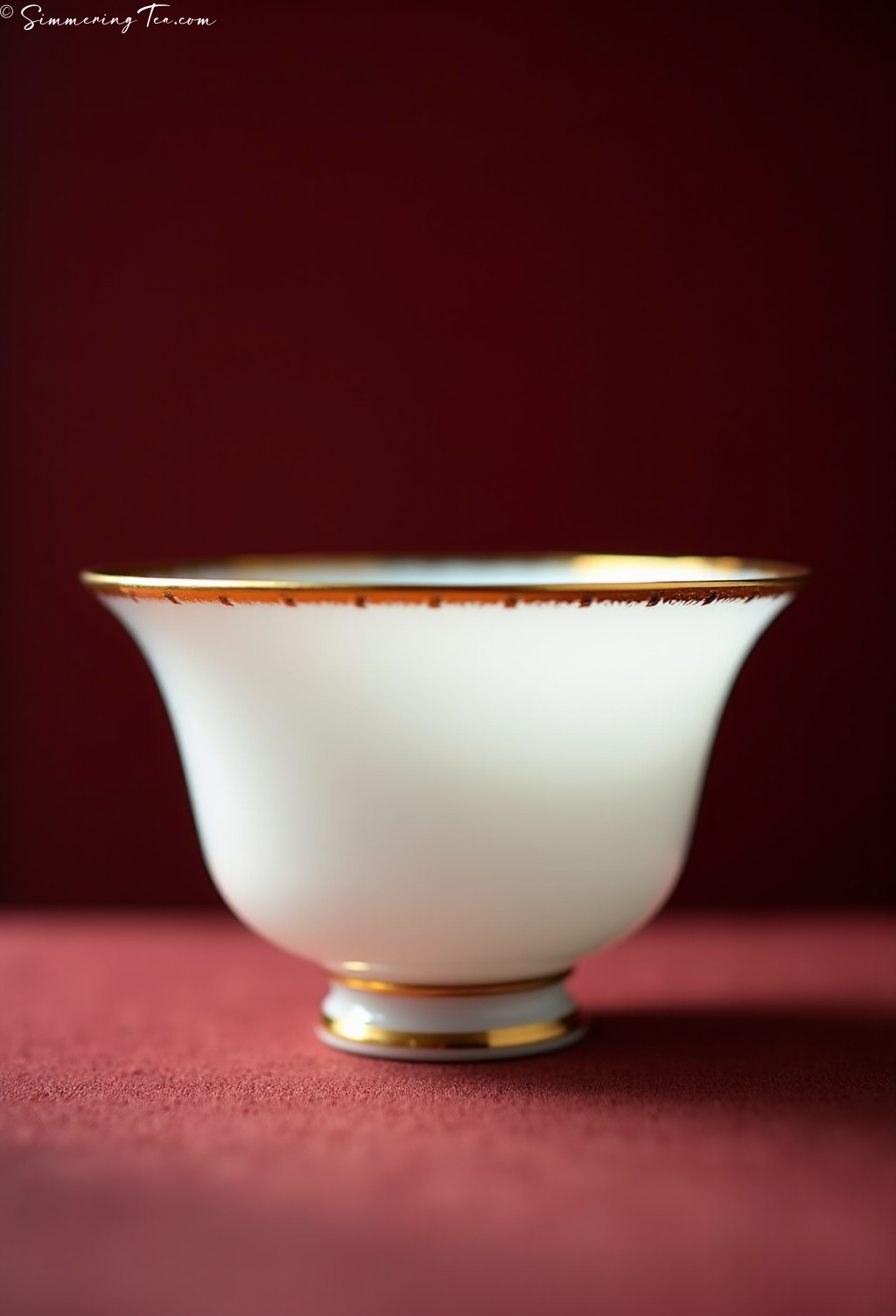 Gold luster applied to rims adds luxury and elegance to porcelain gaiwans. The gilding catches light beautifully and elevates even simple designs into special-occasion pieces.
Note that gold-rimmed pieces cannot be microwaved and require gentle hand washing.
Gold luster applied to rims adds luxury and elegance to porcelain gaiwans. The gilding catches light beautifully and elevates even simple designs into special-occasion pieces.
Note that gold-rimmed pieces cannot be microwaved and require gentle hand washing.
Eggshell Porcelain: Translucent Marvel
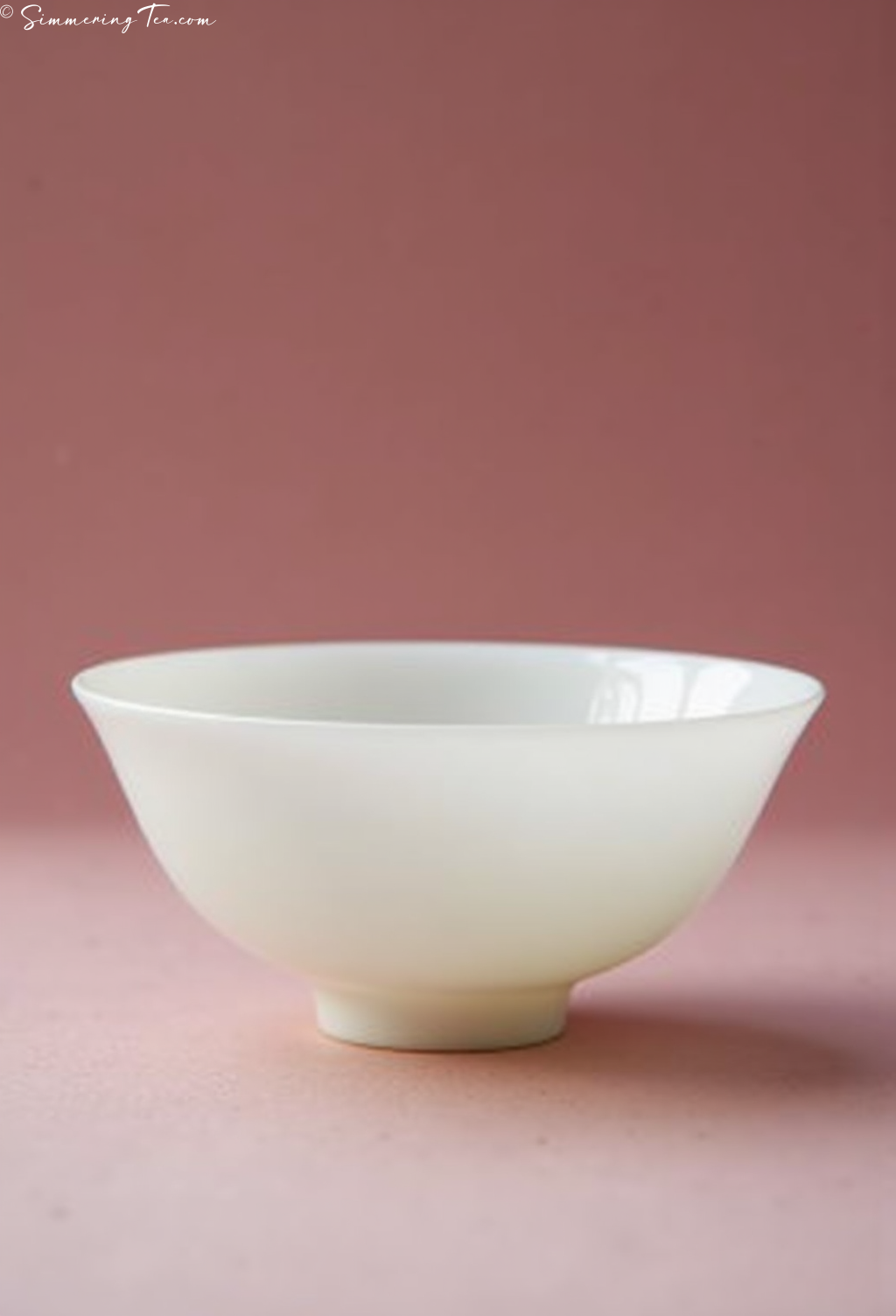 Eggshell porcelain achieves remarkable translucency—light passes through the walls, and you can see shadows of your hands through the bowl. This technical achievement creates gaiwans that feel impossibly delicate yet remain functional.
These eggshell porcelain gaiwans represent the pinnacle of ceramic craftsmanship.
Eggshell porcelain achieves remarkable translucency—light passes through the walls, and you can see shadows of your hands through the bowl. This technical achievement creates gaiwans that feel impossibly delicate yet remain functional.
These eggshell porcelain gaiwans represent the pinnacle of ceramic craftsmanship.
Hand-Painted Artistic Gaiwans
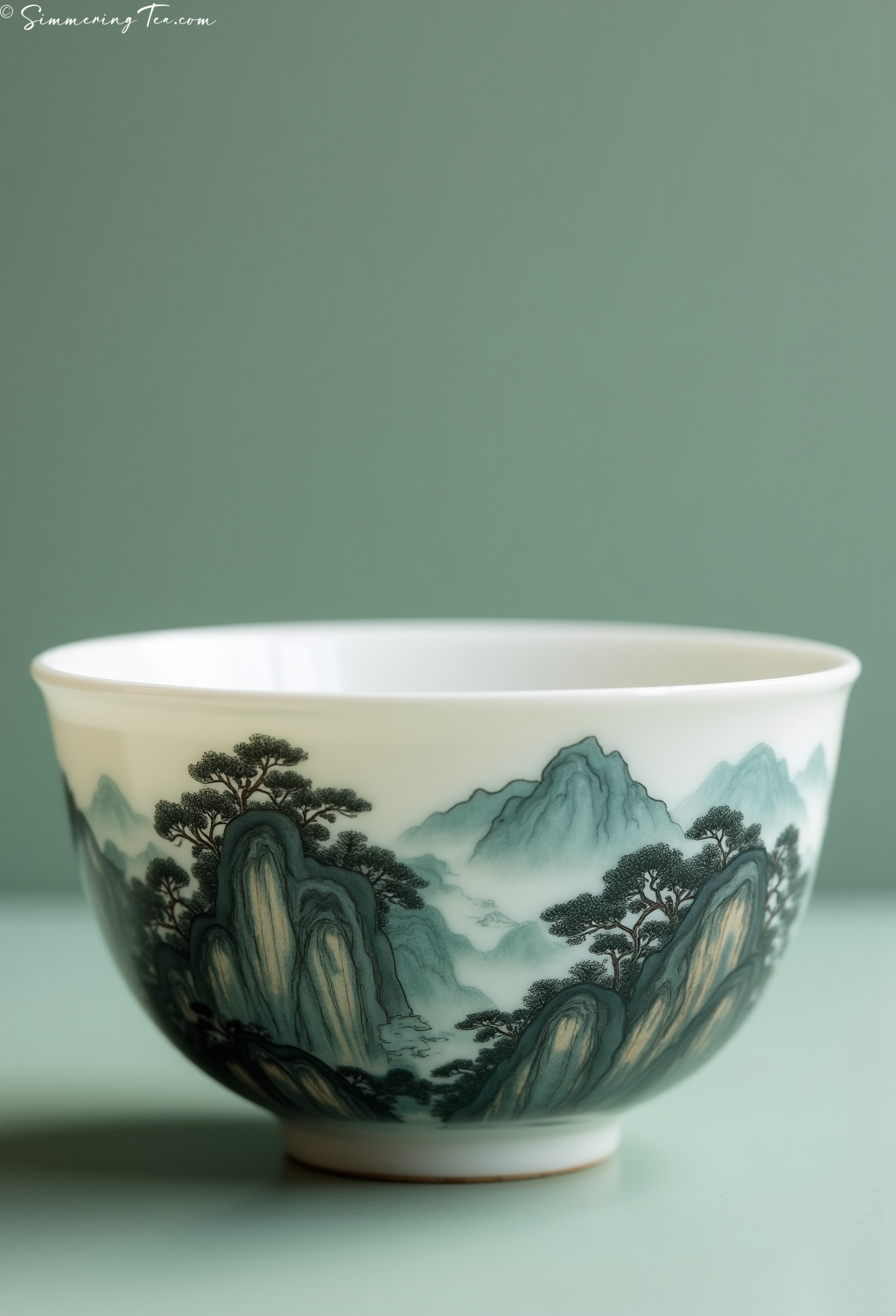 Skilled artists paint elaborate scenes, calligraphy, or natural subjects on porcelain gaiwans. Each piece becomes a miniature canvas showcasing traditional Chinese painting techniques.
The artistry transforms functional teaware into collectible art that appreciates in value.
Skilled artists paint elaborate scenes, calligraphy, or natural subjects on porcelain gaiwans. Each piece becomes a miniature canvas showcasing traditional Chinese painting techniques.
The artistry transforms functional teaware into collectible art that appreciates in value.
Imperial Yellow: The Emperor's Color
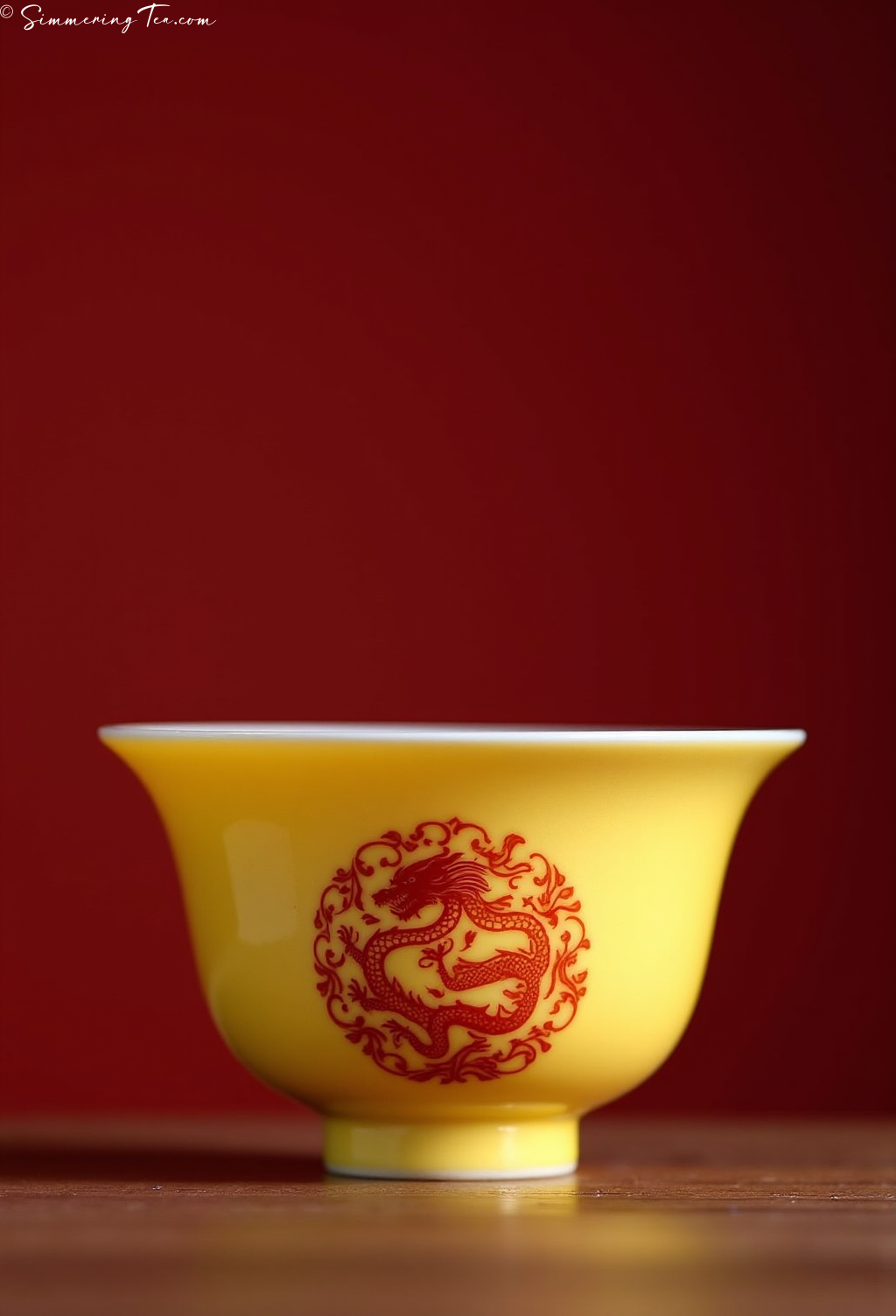 Imperial yellow glaze was historically reserved for the emperor's exclusive use. This distinctive bright yellow creates stunning contrast with tea liquor and represents the highest status in Chinese ceramic tradition.
Modern pieces in this color honor imperial heritage while making this exclusive hue accessible to all tea lovers.
Imperial yellow glaze was historically reserved for the emperor's exclusive use. This distinctive bright yellow creates stunning contrast with tea liquor and represents the highest status in Chinese ceramic tradition.
Modern pieces in this color honor imperial heritage while making this exclusive hue accessible to all tea lovers.
Celadon Glaze: Jade-Like Serenity
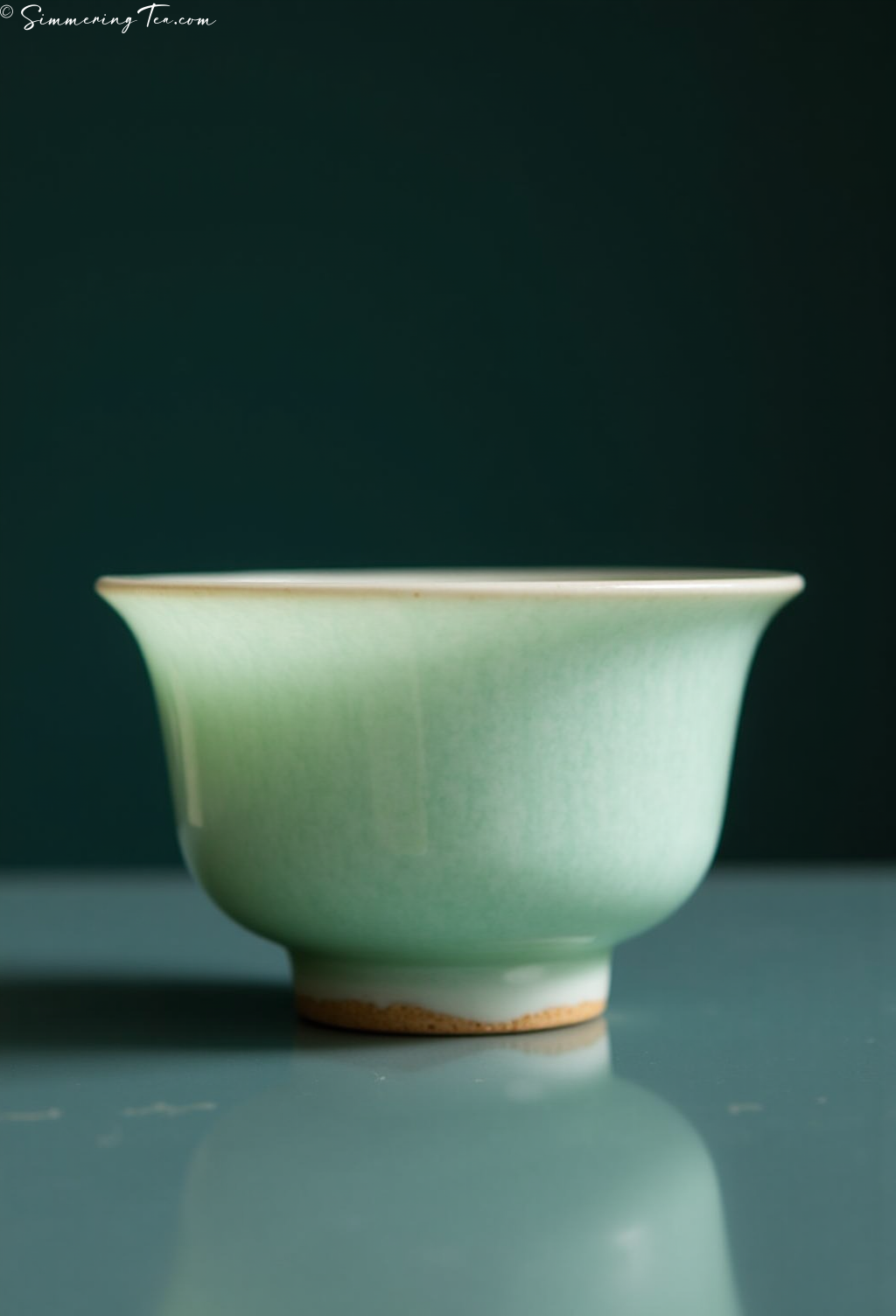 Celadon's soft jade-green glaze has been prized for over 1,000 years. The depth and luminosity of fine celadon create meditative beauty, with subtle crackle patterns adding character over time.
These pieces embody Chinese aesthetic philosophy—subtle, natural, and refined.
Celadon's soft jade-green glaze has been prized for over 1,000 years. The depth and luminosity of fine celadon create meditative beauty, with subtle crackle patterns adding character over time.
These pieces embody Chinese aesthetic philosophy—subtle, natural, and refined.
Doucai: "Contrasting Colors" Technique
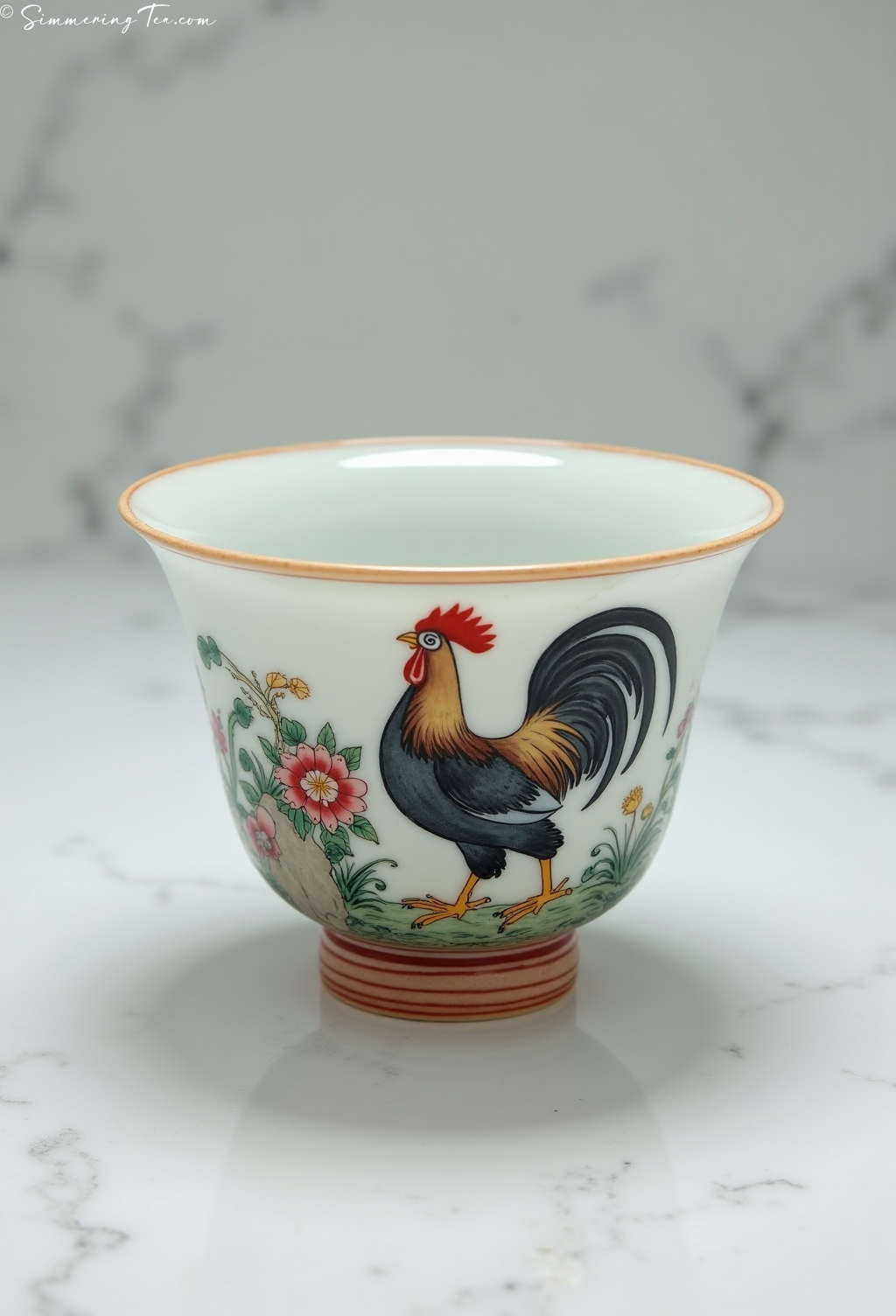 Doucai (斗彩) combines underglaze cobalt blue with overglaze enamels, creating vibrant multi-colored decoration. This complex technique requires two separate firings and produces some of the most colorful Chinese porcelain.
The intricate designs and brilliant colors make these artistic gaiwans true treasures.
Doucai (斗彩) combines underglaze cobalt blue with overglaze enamels, creating vibrant multi-colored decoration. This complex technique requires two separate firings and produces some of the most colorful Chinese porcelain.
The intricate designs and brilliant colors make these artistic gaiwans true treasures.
Yixing Clay Gaiwans: The Connoisseur's Choice
While Yixing is famous for teapots, gaiwans made from this legendary purple clay offer unique benefits. The unglazed clay is porous, seasoning over time and developing deep patina that tea lovers cherish.Zisha Purple Clay: The Classic
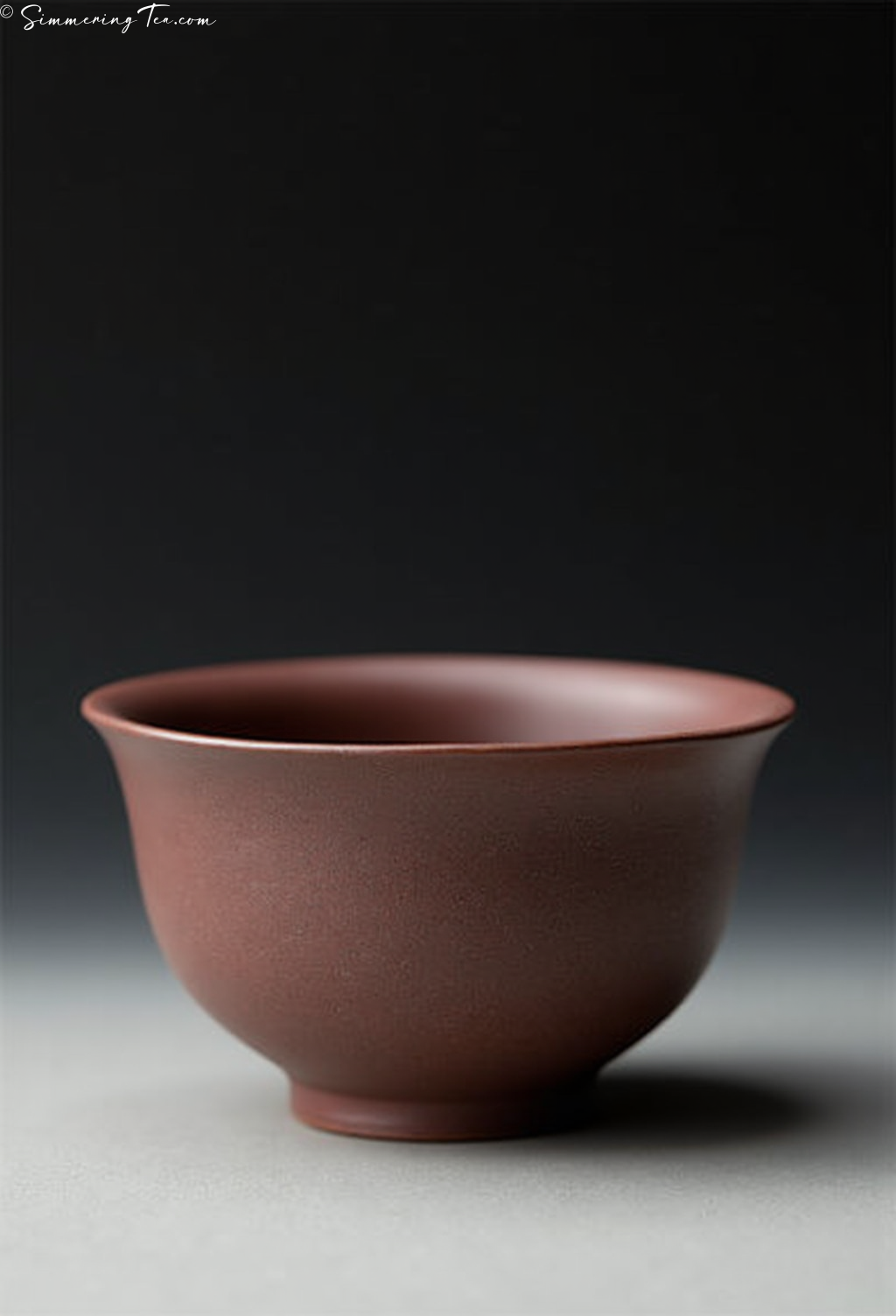 Zisha (紫砂, "purple sand") is the most famous Yixing clay, ranging from light tan to deep purple-brown. The clay's porous nature absorbs tea oils over time, developing a lustrous patina that enhances brewing.
These Yixing gaiwans require dedication to a single tea type but reward with increasingly perfect brews.
Zisha (紫砂, "purple sand") is the most famous Yixing clay, ranging from light tan to deep purple-brown. The clay's porous nature absorbs tea oils over time, developing a lustrous patina that enhances brewing.
These Yixing gaiwans require dedication to a single tea type but reward with increasingly perfect brews.
Hongni Red Clay: Warm Earthiness
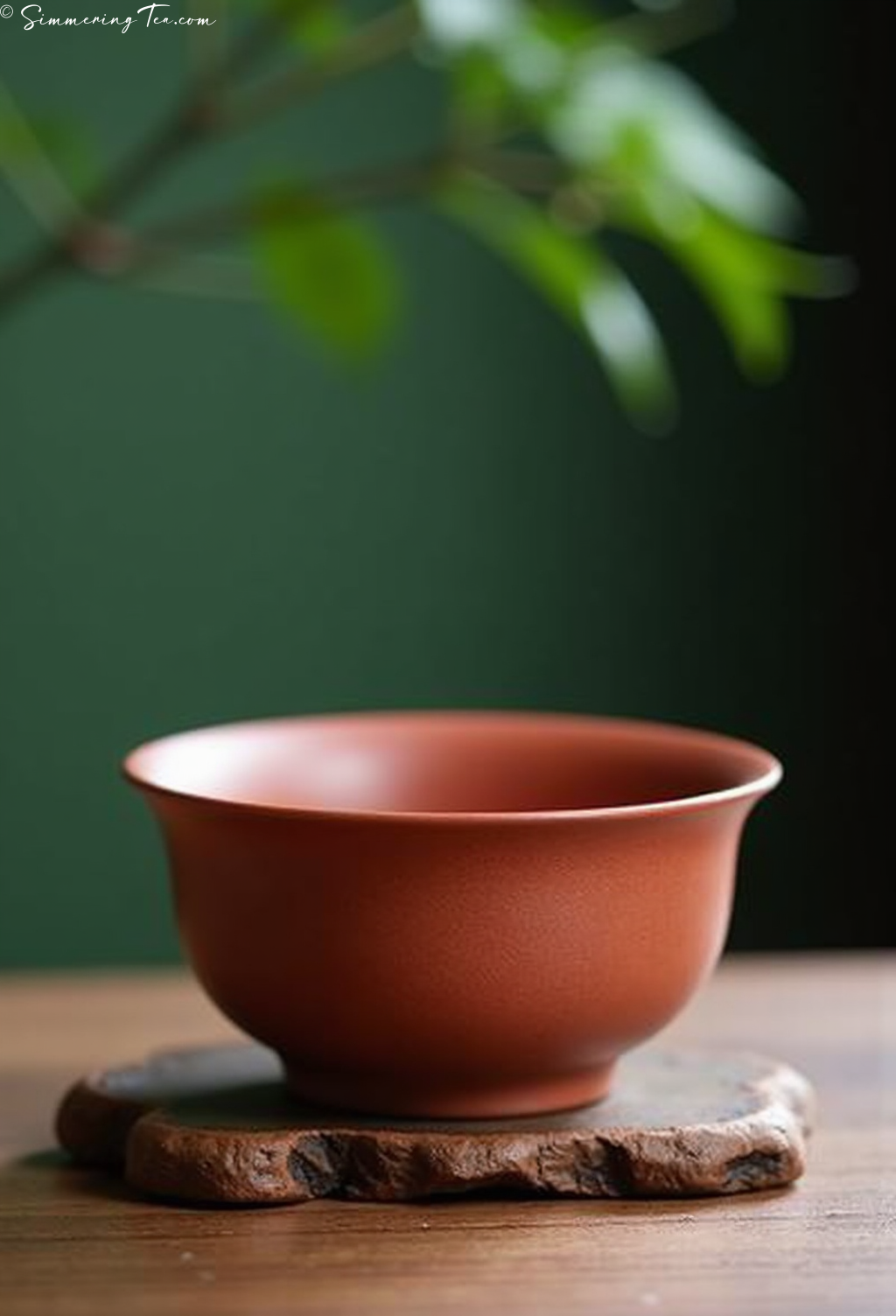 Hongni (红泥, "red clay") fires to warm reddish-brown tones with fine texture. This clay works particularly well with oolong and black teas, complementing their rich flavors.
The smooth surface and warm color create inviting, tactile brewing experiences.
Hongni (红泥, "red clay") fires to warm reddish-brown tones with fine texture. This clay works particularly well with oolong and black teas, complementing their rich flavors.
The smooth surface and warm color create inviting, tactile brewing experiences.
Duanni Yellow Clay: Rare Elegance
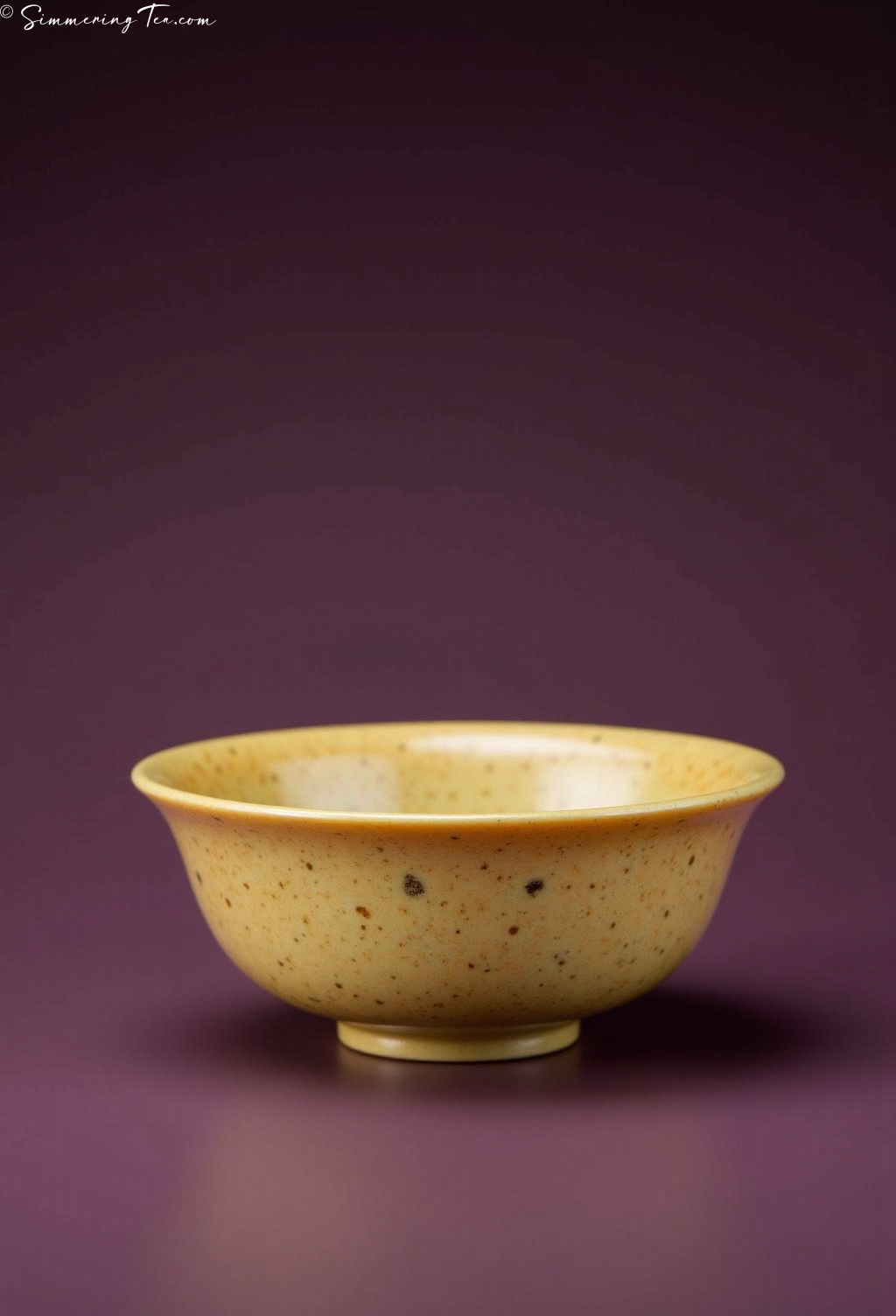 Duanni (段泥, "section clay") produces pale yellow to beige tones with higher firing temperature. This less common clay creates smooth, refined pieces appreciated for subtle beauty.
The lighter color works beautifully with green and white teas.
Duanni (段泥, "section clay") produces pale yellow to beige tones with higher firing temperature. This less common clay creates smooth, refined pieces appreciated for subtle beauty.
The lighter color works beautifully with green and white teas.
Zhuni Vermillion Clay: The Premium Choice
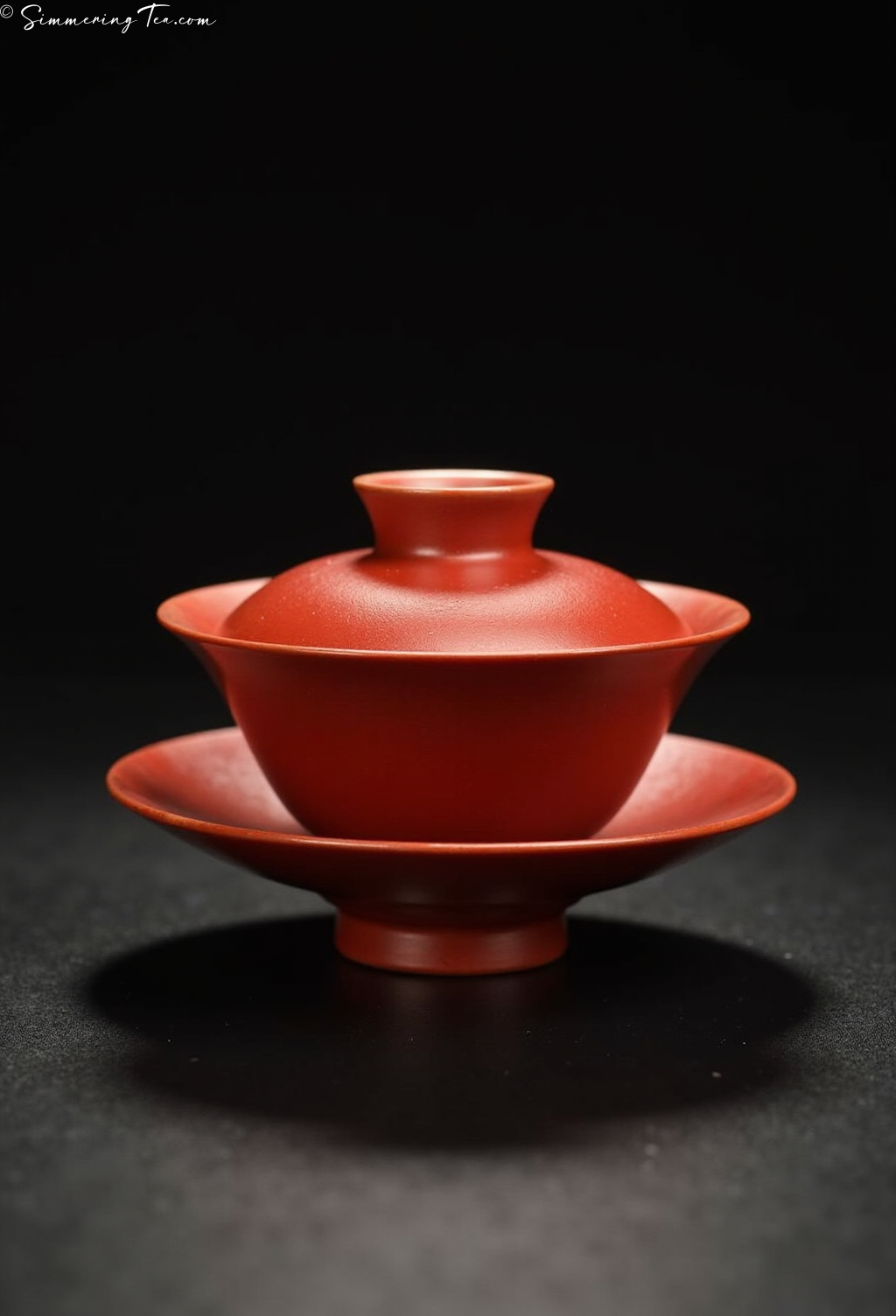 Zhuni (朱泥, "vermillion clay") is the rarest and most prized Yixing clay, firing to brilliant orange-red. High iron content and extreme shrinkage during firing make these pieces challenging to produce but exceptionally beautiful.
Collectors seek zhuni pieces for their rarity, beauty, and exceptional tea enhancement properties.
Zhuni (朱泥, "vermillion clay") is the rarest and most prized Yixing clay, firing to brilliant orange-red. High iron content and extreme shrinkage during firing make these pieces challenging to produce but exceptionally beautiful.
Collectors seek zhuni pieces for their rarity, beauty, and exceptional tea enhancement properties.
Carved Yixing: Artisan Mastery
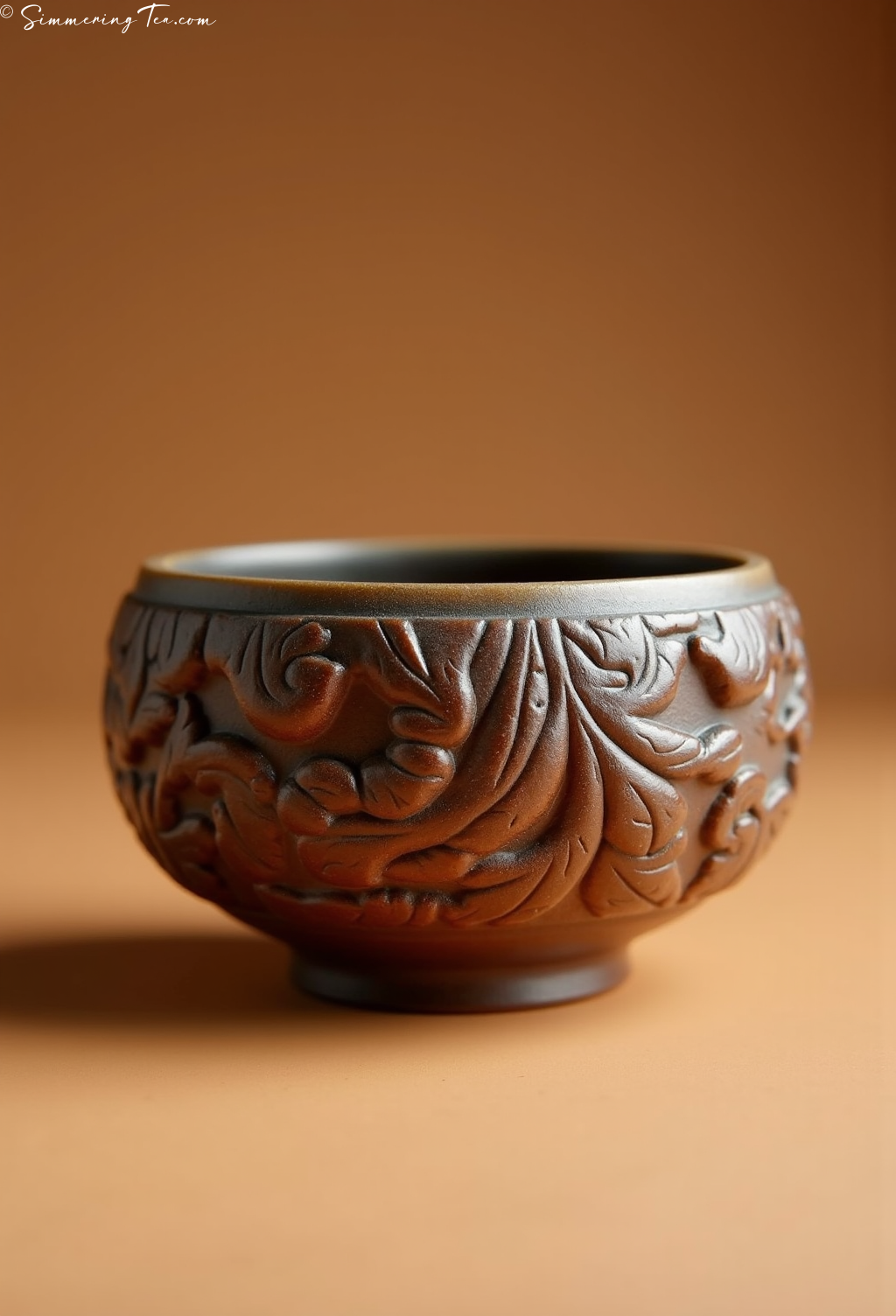 Master artisans carve intricate designs into Yixing clay—bamboo groves, plum blossoms, calligraphy, or abstract patterns. This additional artistry transforms functional gaiwans into sculptural pieces.
The raised and recessed areas create tactile interest and showcase the artist's skill.
Master artisans carve intricate designs into Yixing clay—bamboo groves, plum blossoms, calligraphy, or abstract patterns. This additional artistry transforms functional gaiwans into sculptural pieces.
The raised and recessed areas create tactile interest and showcase the artist's skill.
Aged Yixing: Developing Character
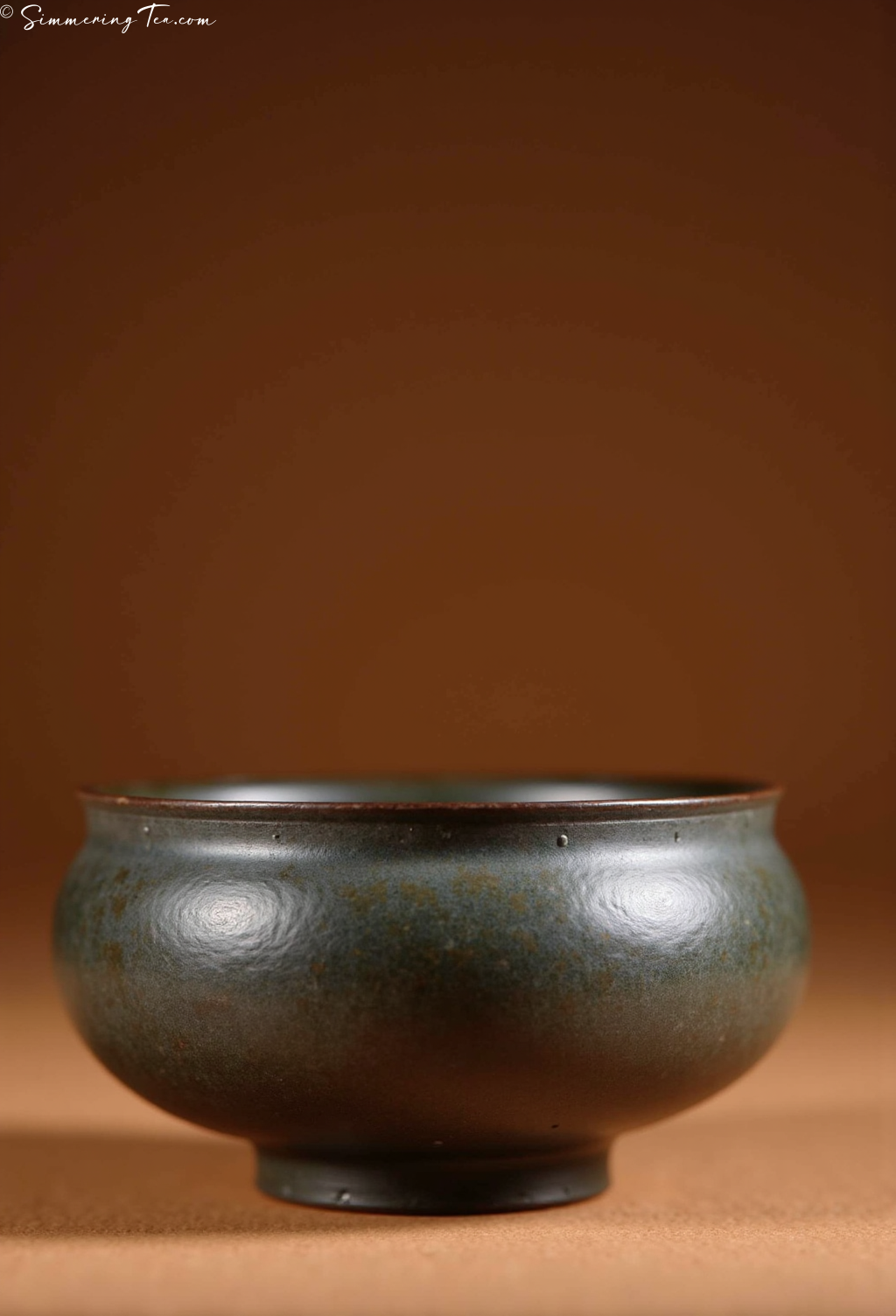 Yixing clay develops a deep lustrous patina after years of use, darkening and becoming increasingly smooth. Vintage pieces or well-seasoned modern ones display this prized aging effect.
The patina represents hundreds or thousands of tea sessions—a visible history of enjoyment.
Yixing clay develops a deep lustrous patina after years of use, darkening and becoming increasingly smooth. Vintage pieces or well-seasoned modern ones display this prized aging effect.
The patina represents hundreds or thousands of tea sessions—a visible history of enjoyment.
Calligraphy Decorated: Words and Art
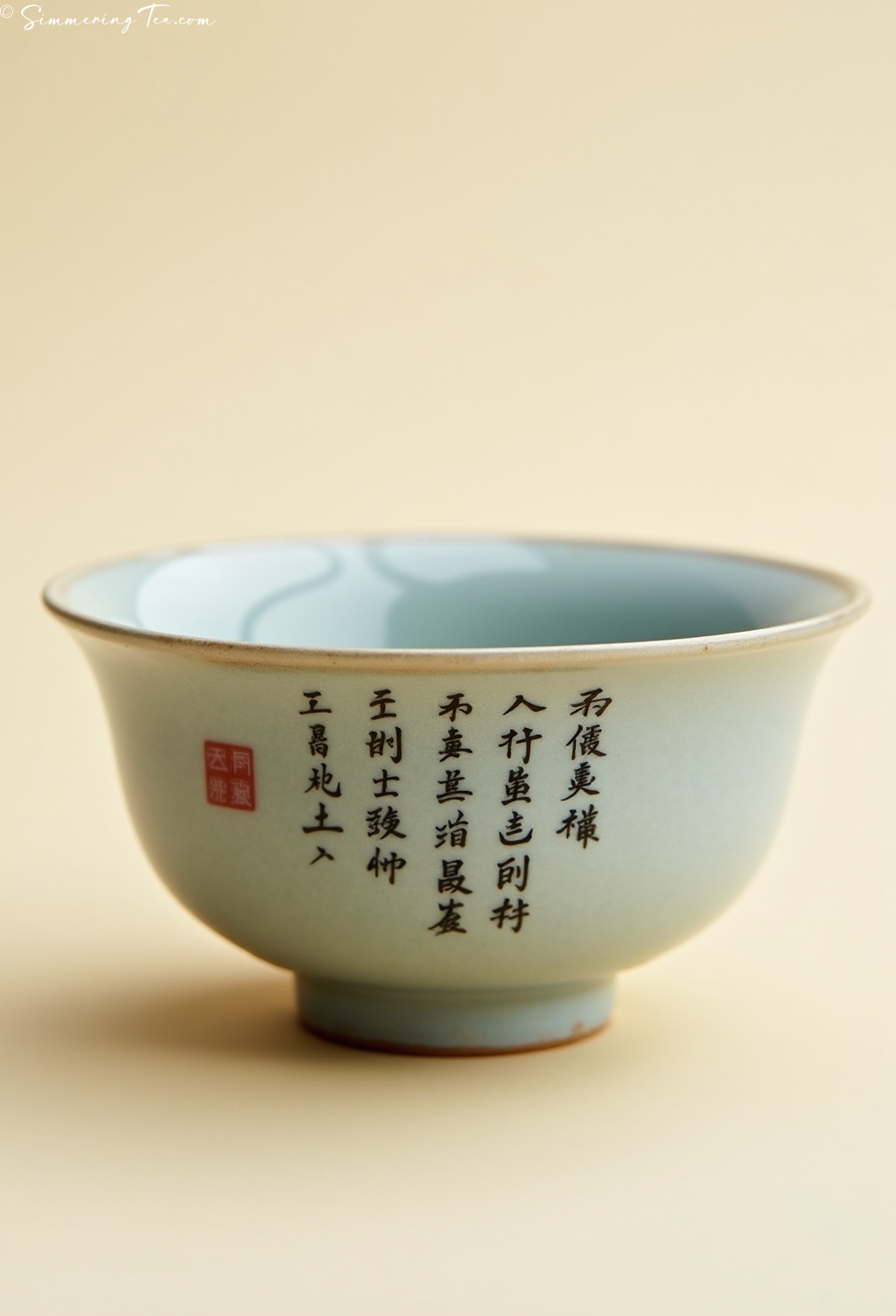 Chinese calligraphy inscribed or carved into Yixing gaiwans adds poetic dimension. Tea-related poems, philosophical sayings, or the maker's signature transform pieces into cultural artifacts.
The calligraphy connects tea drinking to Chinese literary and philosophical traditions.
Chinese calligraphy inscribed or carved into Yixing gaiwans adds poetic dimension. Tea-related poems, philosophical sayings, or the maker's signature transform pieces into cultural artifacts.
The calligraphy connects tea drinking to Chinese literary and philosophical traditions.
Modern Master Works
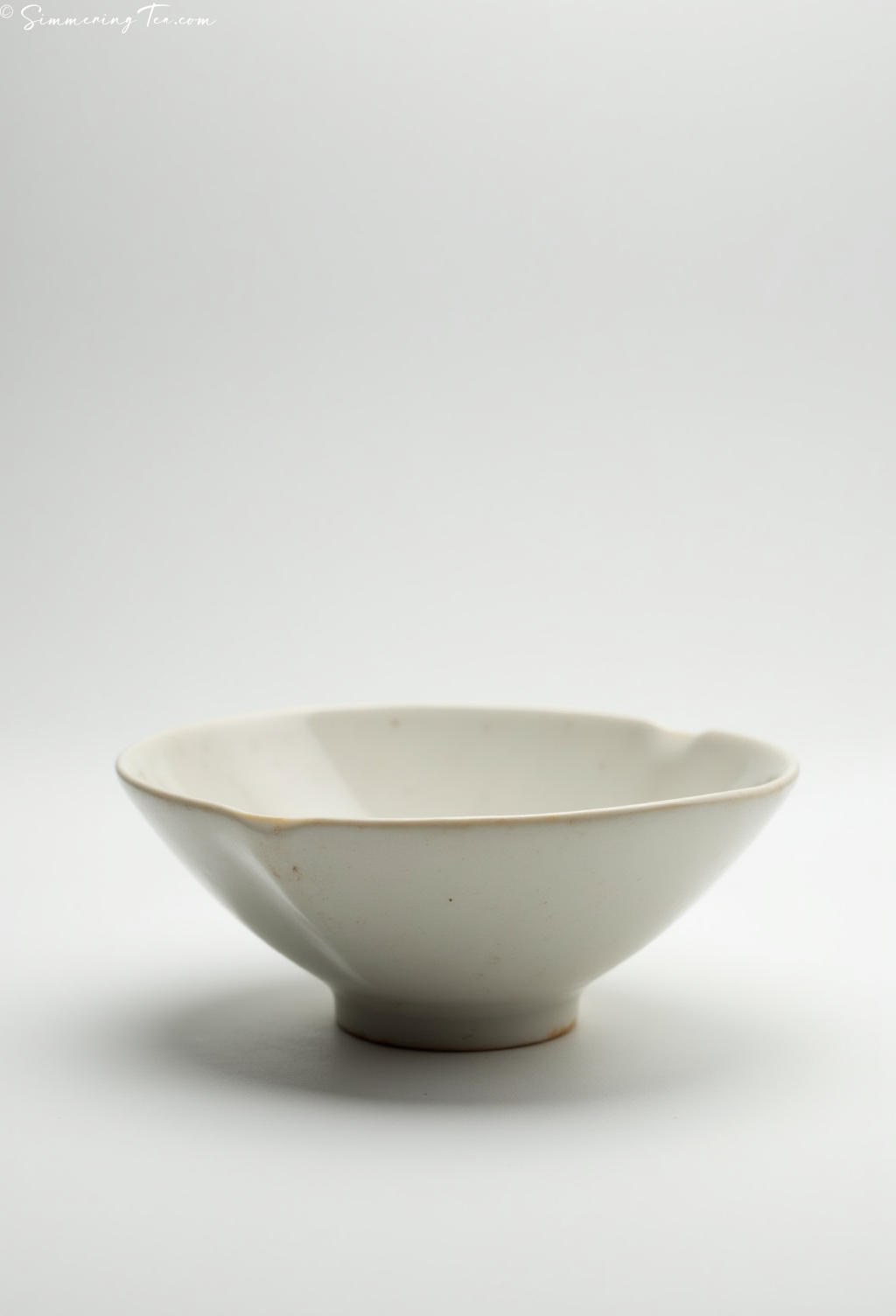 Contemporary Yixing masters create innovative designs that honor tradition while pushing artistic boundaries. These pieces often command premium prices and appreciate as investment-grade art.
Signed works by recognized masters become valuable collector's items that can be passed down through generations.
Contemporary Yixing masters create innovative designs that honor tradition while pushing artistic boundaries. These pieces often command premium prices and appreciate as investment-grade art.
Signed works by recognized masters become valuable collector's items that can be passed down through generations.
Japanese and Korean Ceramic Gaiwans: Regional Excellence
While gaiwans originated in China, Japanese and Korean potters create their own distinctive interpretations using traditional regional techniques.Ruyao: Song Dynasty Heritage
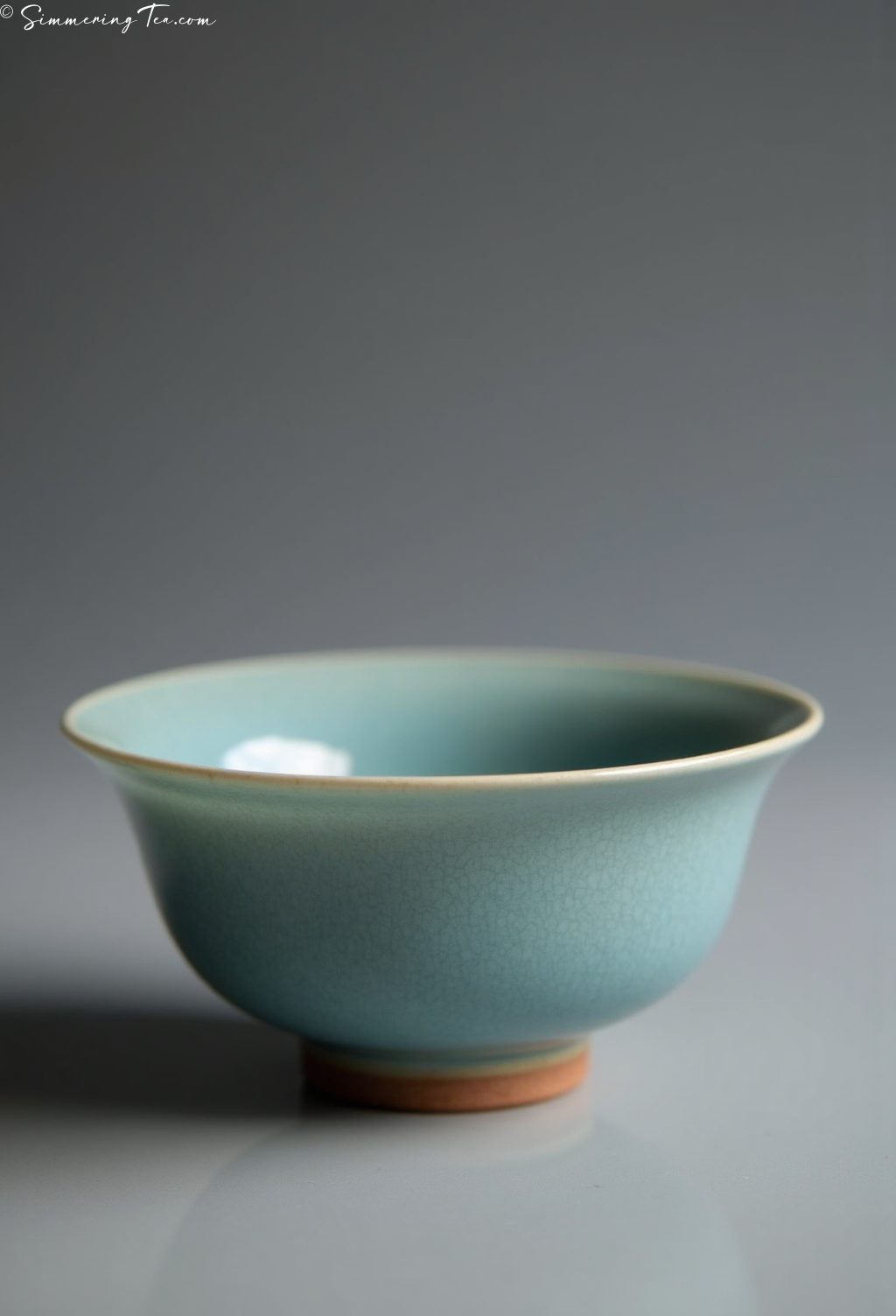 Ruyao celadon from the Song dynasty represents one of China's five great kilns. The soft blue-green glaze with fine crackle creates understated elegance prized by collectors.
Modern reproductions allow tea lovers to experience this legendary ceramic tradition.
Ruyao celadon from the Song dynasty represents one of China's five great kilns. The soft blue-green glaze with fine crackle creates understated elegance prized by collectors.
Modern reproductions allow tea lovers to experience this legendary ceramic tradition.
Jun Ware: Opalescent Beauty
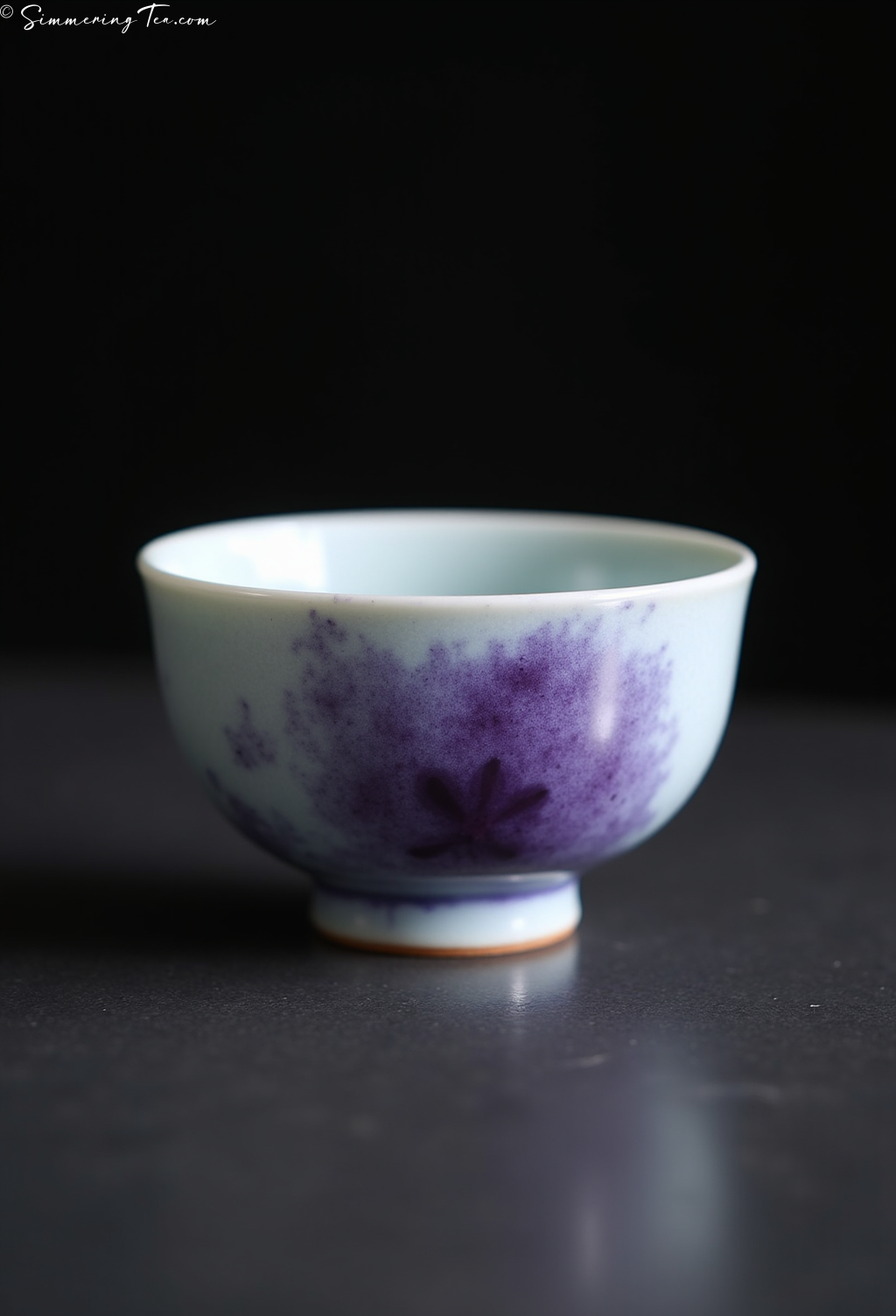 Jun ware features thick, opalescent glazes in blues, purples, and crimson splashes. Each piece is unique, with unpredictable glaze effects creating individual character.
The dramatic color effects and thick glazes create bold aesthetic statements.
Jun ware features thick, opalescent glazes in blues, purples, and crimson splashes. Each piece is unique, with unpredictable glaze effects creating individual character.
The dramatic color effects and thick glazes create bold aesthetic statements.
Tenmoku: Iron-Rich Darkness
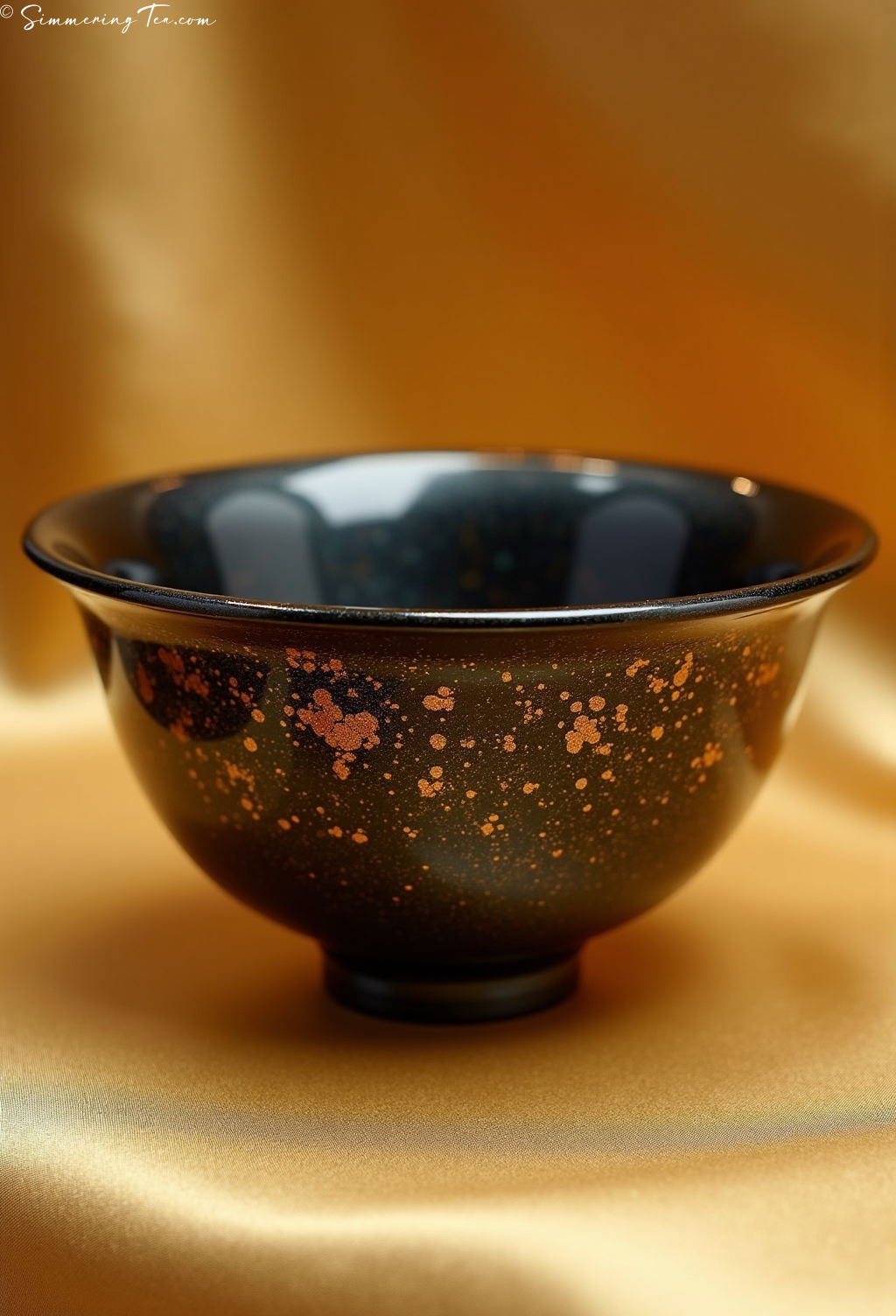 Tenmoku (天目) glazes produce dark brown to black surfaces with metallic oil-spot or hare's fur patterns. These iron-rich glazes were historically used for tea bowls in Zen monasteries.
The dark, mysterious beauty creates meditative atmosphere perfect for contemplative tea sessions.
Tenmoku (天目) glazes produce dark brown to black surfaces with metallic oil-spot or hare's fur patterns. These iron-rich glazes were historically used for tea bowls in Zen monasteries.
The dark, mysterious beauty creates meditative atmosphere perfect for contemplative tea sessions.
Wood-Fired: Kissed by Flame
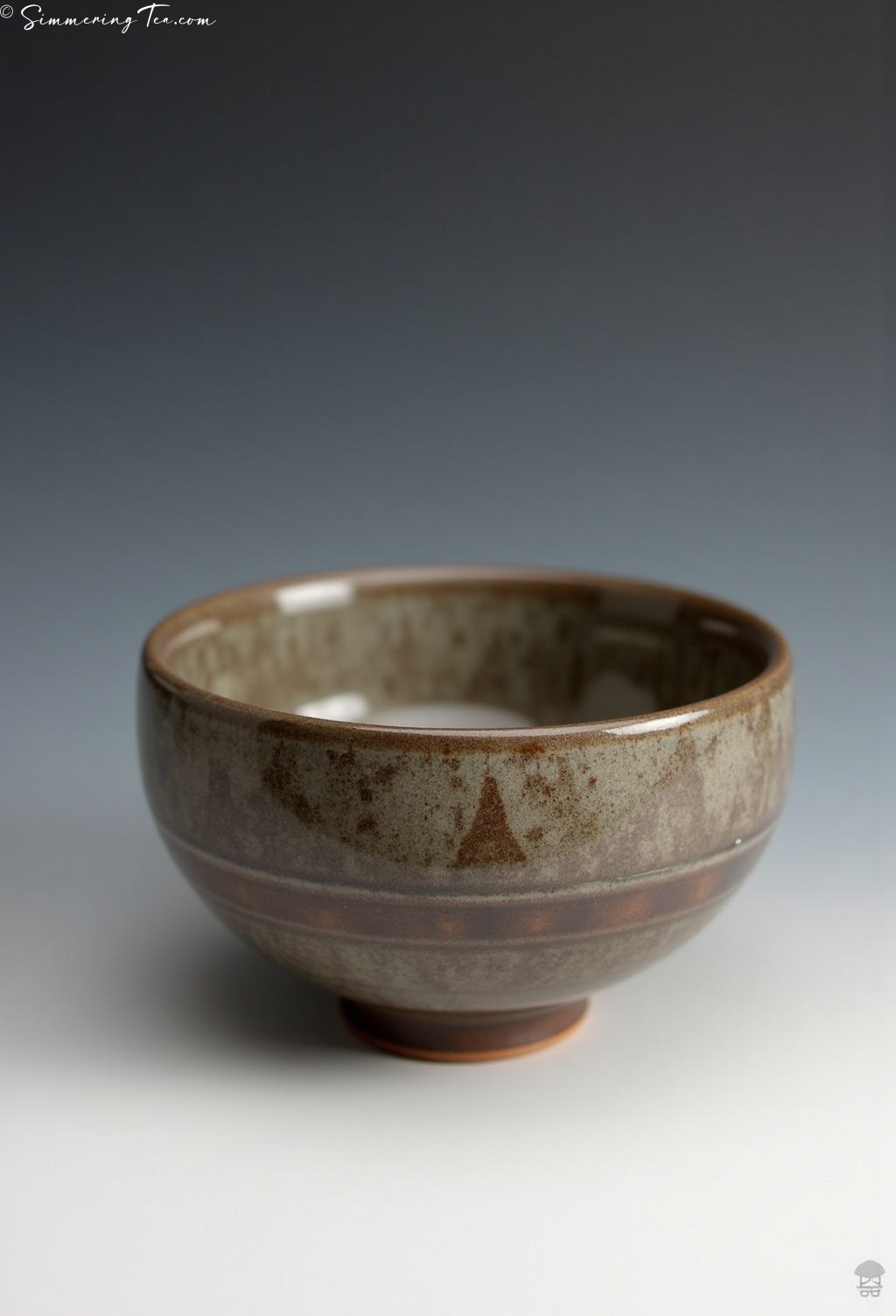 Multi-day wood firings create natural ash glazes and flame marks impossible to replicate in modern kilns. Each piece bears unique markings from its position in the kiln and the fire's path.
These wood-fired gaiwans connect modern tea lovers to ancient ceramic traditions.
Multi-day wood firings create natural ash glazes and flame marks impossible to replicate in modern kilns. Each piece bears unique markings from its position in the kiln and the fire's path.
These wood-fired gaiwans connect modern tea lovers to ancient ceramic traditions.
Shigaraki: Japanese Folk Tradition
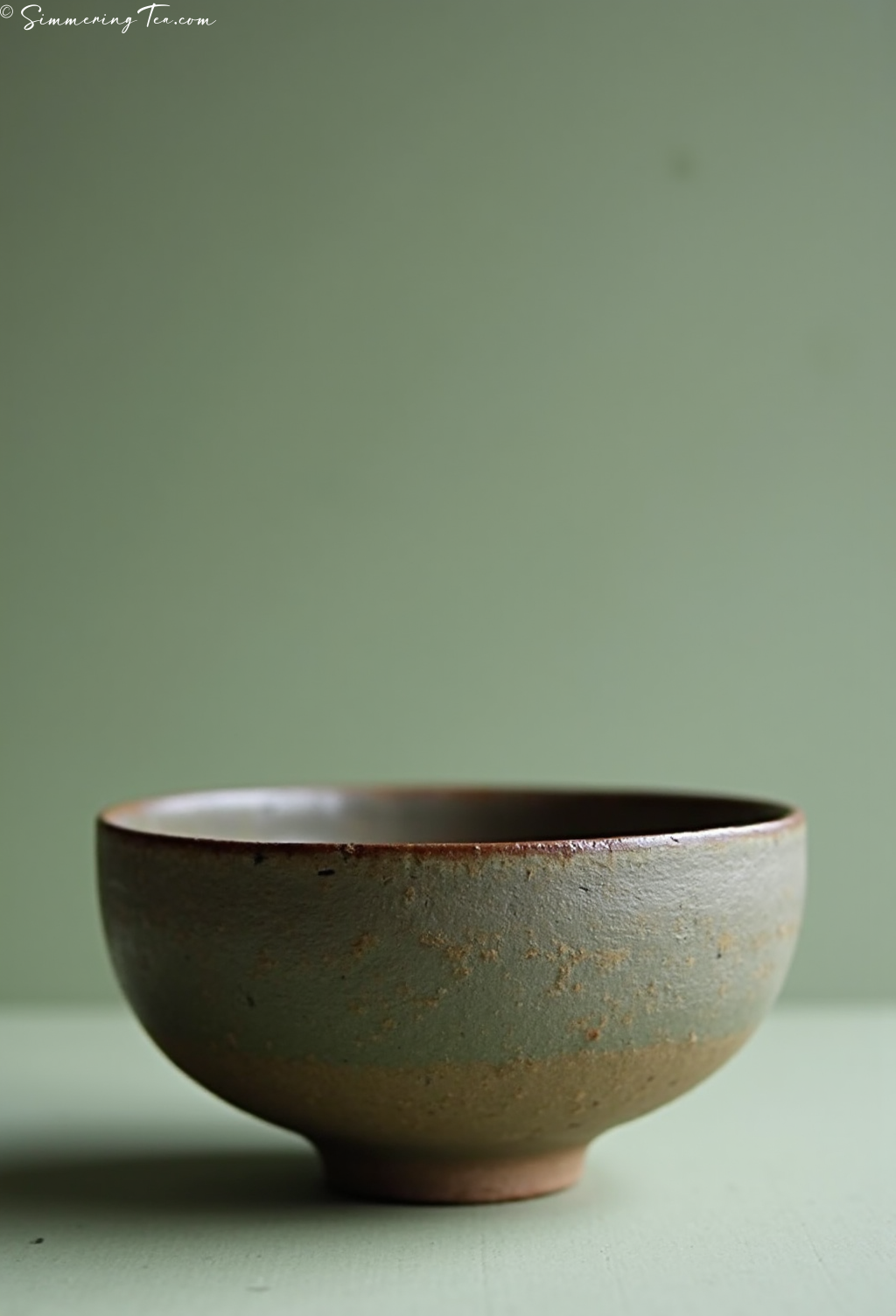 Shigaraki ware from Japan's Shiga prefecture features rough, natural clay bodies often partially unglazed. The earthy aesthetic embodies wabi-sabi philosophy—finding beauty in imperfection.
These rustic pieces create warm, organic tea experiences.
Shigaraki ware from Japan's Shiga prefecture features rough, natural clay bodies often partially unglazed. The earthy aesthetic embodies wabi-sabi philosophy—finding beauty in imperfection.
These rustic pieces create warm, organic tea experiences.
Hagi Ware: Softly Evolving Beauty
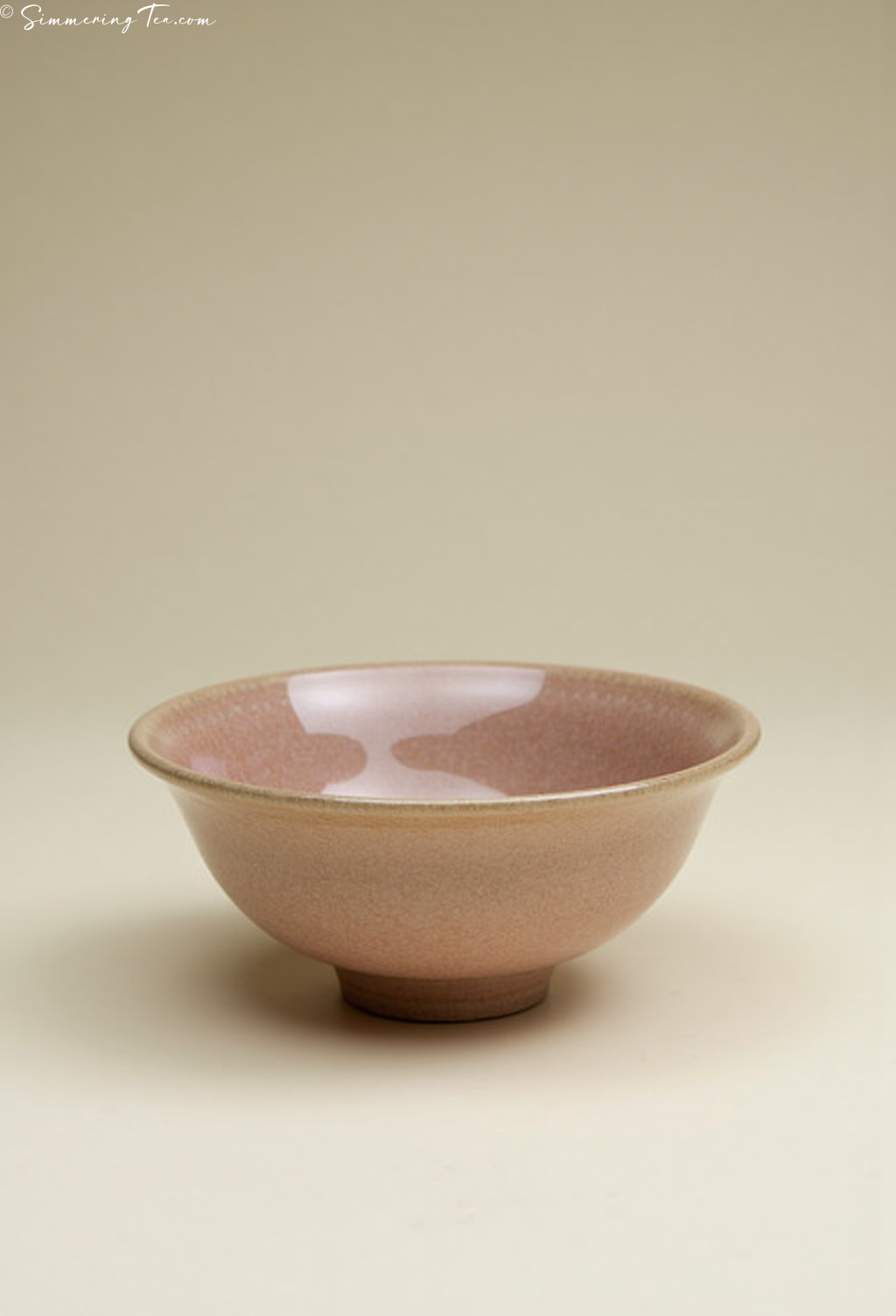 Hagi ware's porous clay absorbs tea liquor over time, gradually changing color in a process called "Hagi no nanabake" (seven transformations of Hagi). The soft pink-white glaze develops tea stains that owners treasure.
This living, evolving quality creates deep personal connection between owner and gaiwan.
Hagi ware's porous clay absorbs tea liquor over time, gradually changing color in a process called "Hagi no nanabake" (seven transformations of Hagi). The soft pink-white glaze develops tea stains that owners treasure.
This living, evolving quality creates deep personal connection between owner and gaiwan.
Bizen: Unglazed Natural Beauty
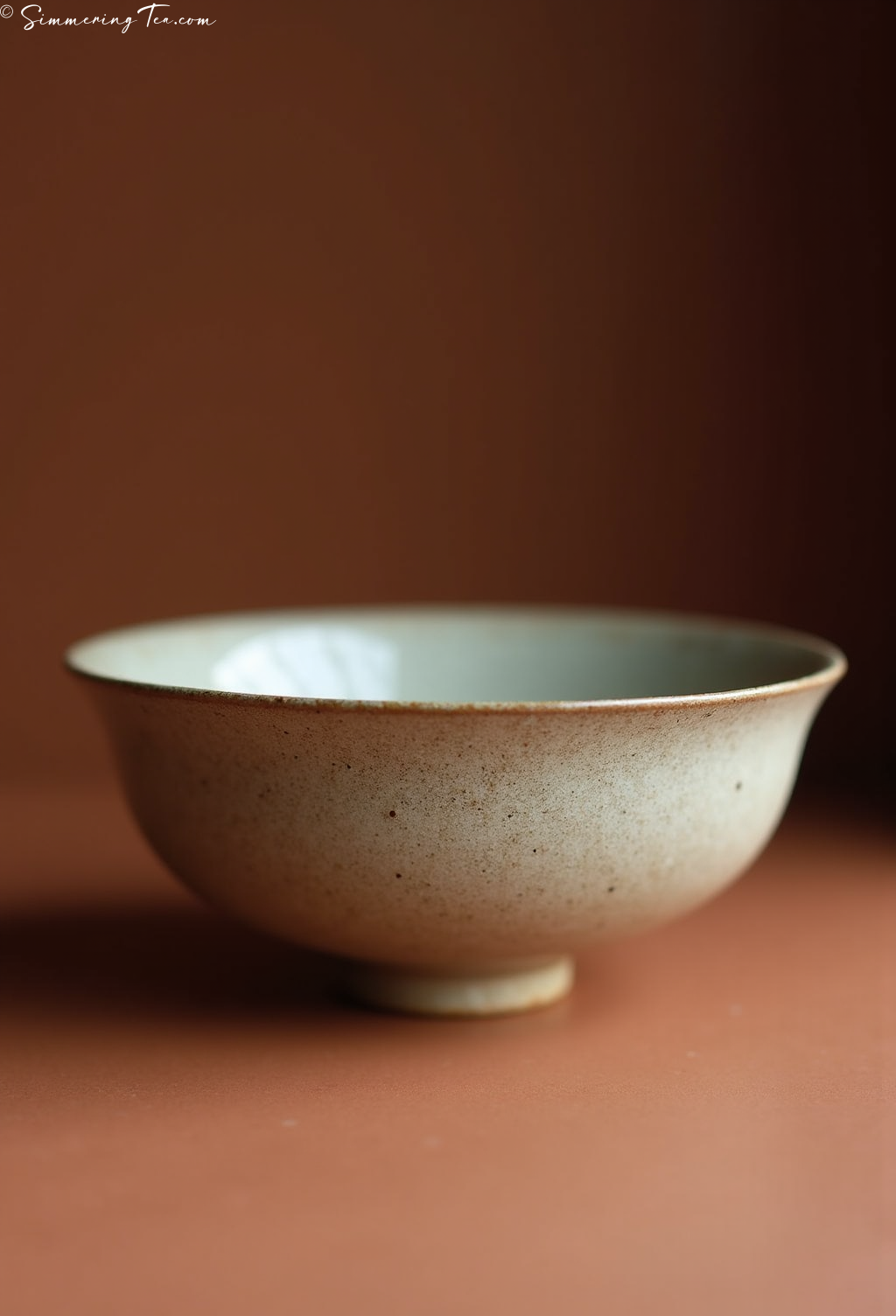 Bizen ware from Okayama prefecture uses no glaze—the clay's natural iron content creates rich brown surfaces with natural variations from ash and firing conditions.
The rough, honest aesthetic appeals to those who appreciate authentic, unpretentious beauty.
Bizen ware from Okayama prefecture uses no glaze—the clay's natural iron content creates rich brown surfaces with natural variations from ash and firing conditions.
The rough, honest aesthetic appeals to those who appreciate authentic, unpretentious beauty.
Korean Celadon: Jade Serenity
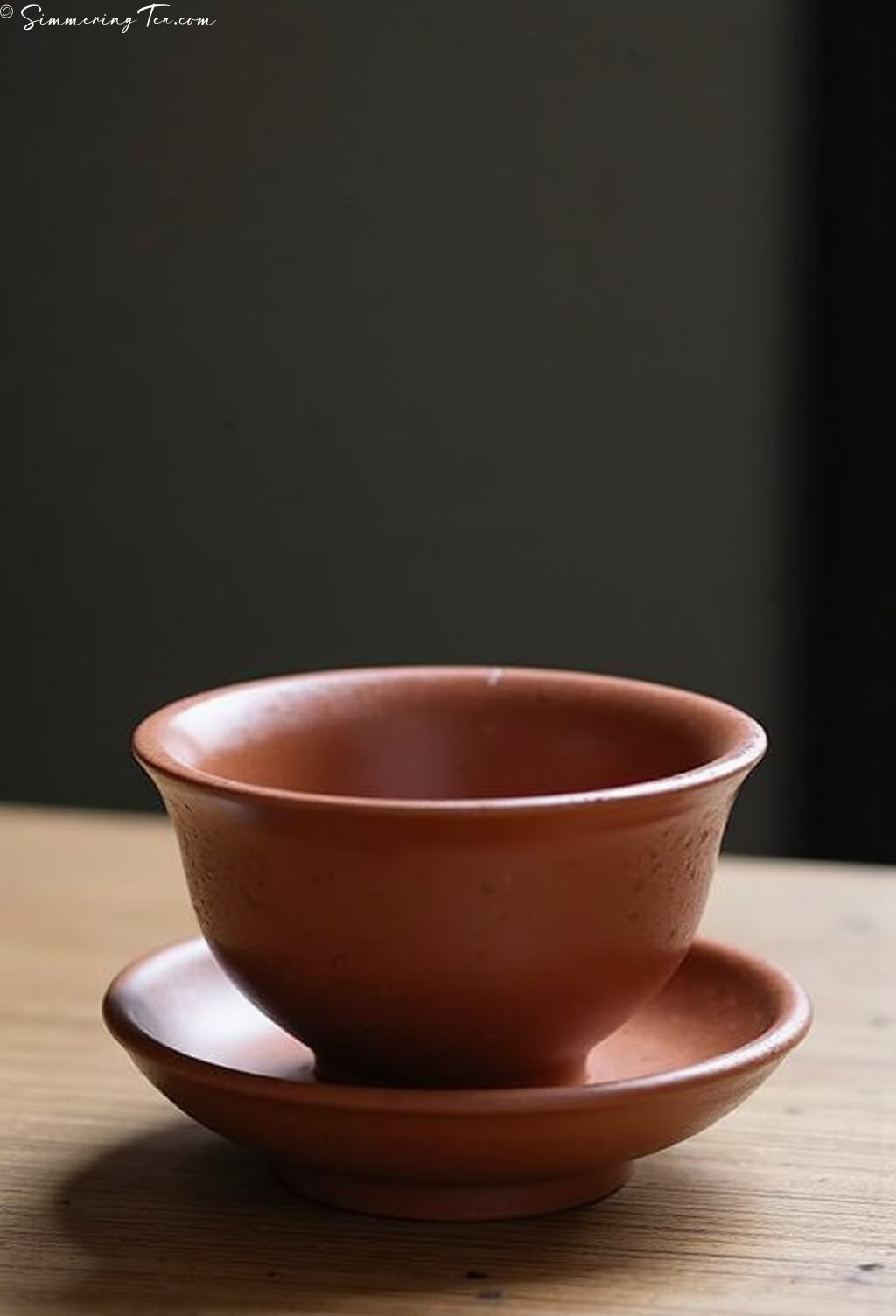 Korean celadon from the Goryeo dynasty period represents some of the finest ceramic achievement in history. The translucent, luminous jade-green glaze creates pieces of ethereal beauty.
Modern Korean potters continue this tradition, creating celadon gaiwans of exceptional quality.
Korean celadon from the Goryeo dynasty period represents some of the finest ceramic achievement in history. The translucent, luminous jade-green glaze creates pieces of ethereal beauty.
Modern Korean potters continue this tradition, creating celadon gaiwans of exceptional quality.
Glass Gaiwans: Modern Transparency
Glass gaiwans offer unique advantages—watching leaves unfurl, monitoring steep time precisely, and showcasing tea's beautiful colors. Modern borosilicate glass is durable enough for daily use.Clear Glass: Perfect Visibility
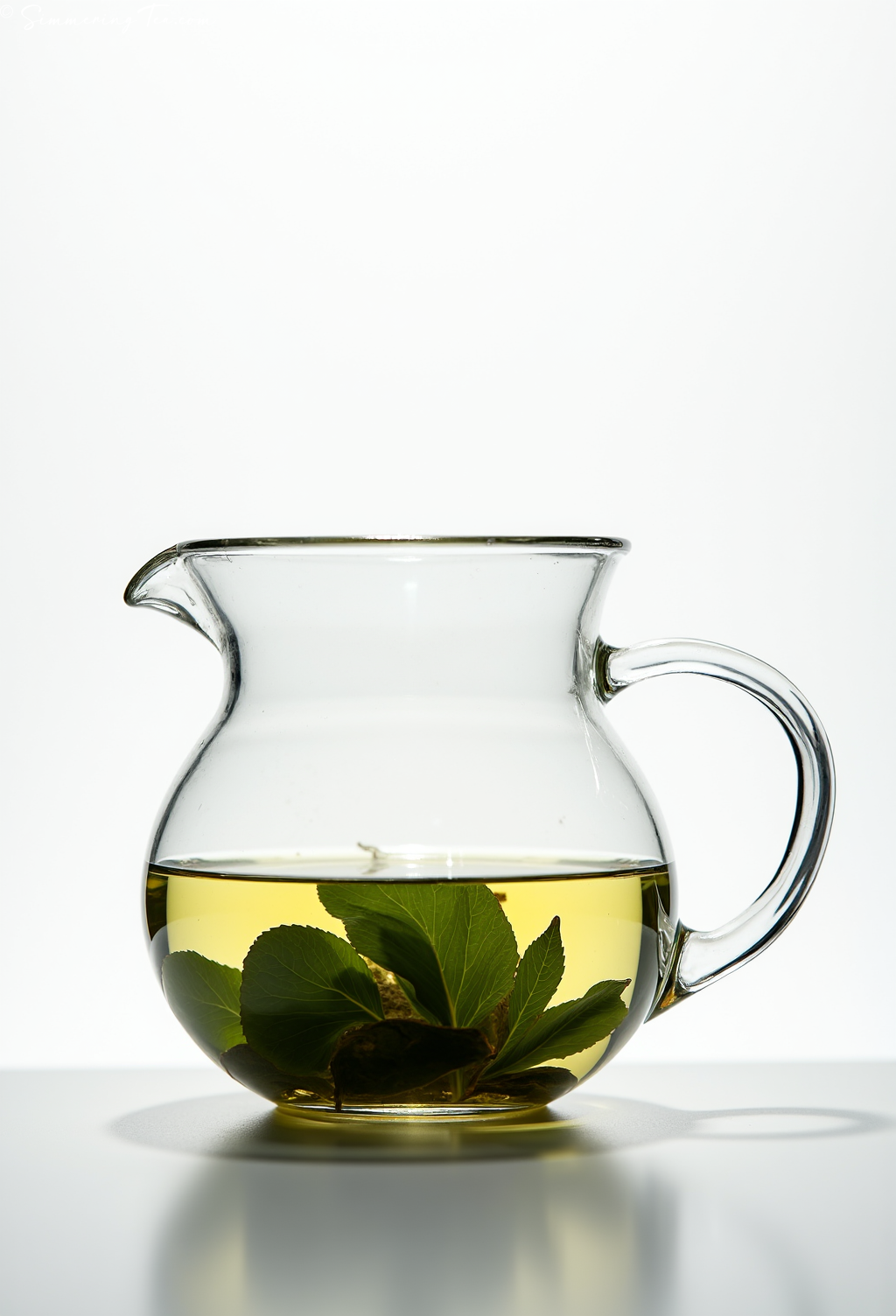 Clear glass gaiwans allow complete visibility of the brewing process. Watch leaves dance, observe color development, and monitor steep time precisely—perfect for learning and appreciating tea's visual beauty.
These practical pieces work well for all tea types and are easy to clean.
Clear glass gaiwans allow complete visibility of the brewing process. Watch leaves dance, observe color development, and monitor steep time precisely—perfect for learning and appreciating tea's visual beauty.
These practical pieces work well for all tea types and are easy to clean.
Double-Wall Insulated: Hot Tea, Cool Hands
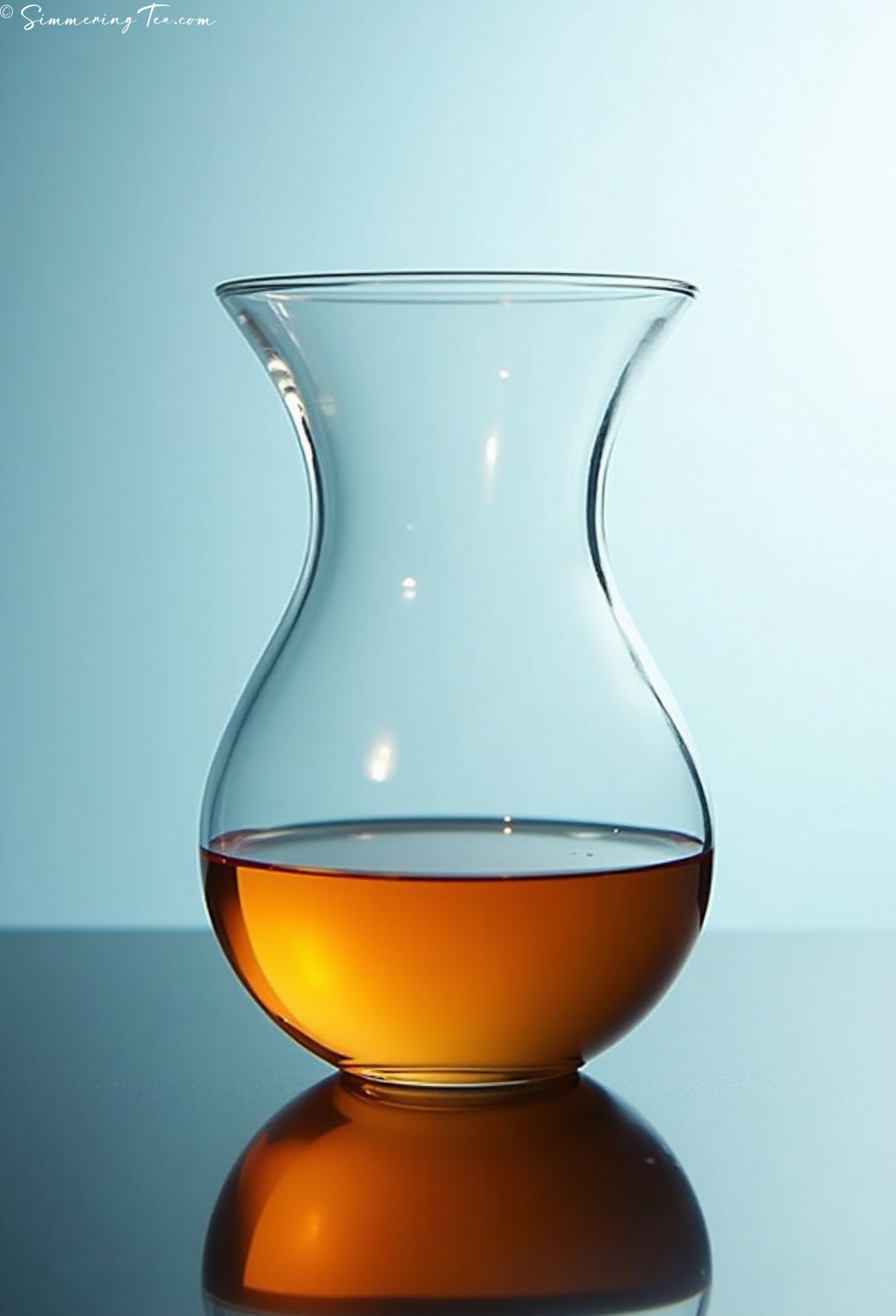 Double-wall construction creates air insulation between inner and outer walls, keeping tea hot while the exterior remains comfortable to hold. The floating tea effect creates striking visual presentation.
These modern glass gaiwans solve traditional glass's heat-conduction problem elegantly.
Double-wall construction creates air insulation between inner and outer walls, keeping tea hot while the exterior remains comfortable to hold. The floating tea effect creates striking visual presentation.
These modern glass gaiwans solve traditional glass's heat-conduction problem elegantly.
Jade Green Glass: Colorful Elegance
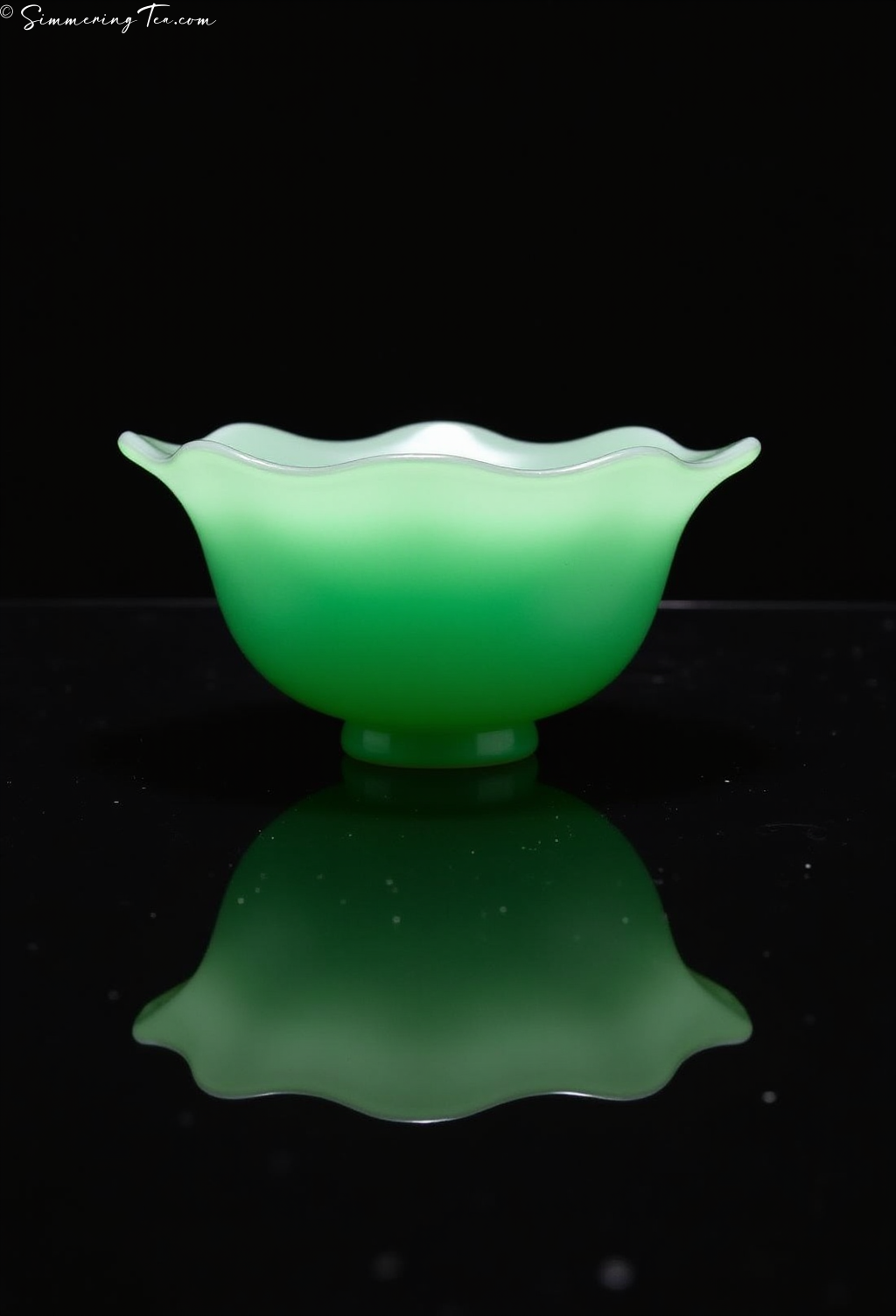 Pale jade-green glass adds color while maintaining transparency. This hue complements green teas beautifully, creating monochromatic aesthetic harmony.
The subtle color creates sophisticated presentation without obscuring the tea.
Pale jade-green glass adds color while maintaining transparency. This hue complements green teas beautifully, creating monochromatic aesthetic harmony.
The subtle color creates sophisticated presentation without obscuring the tea.
Amber Glass: Warm Vintage Appeal
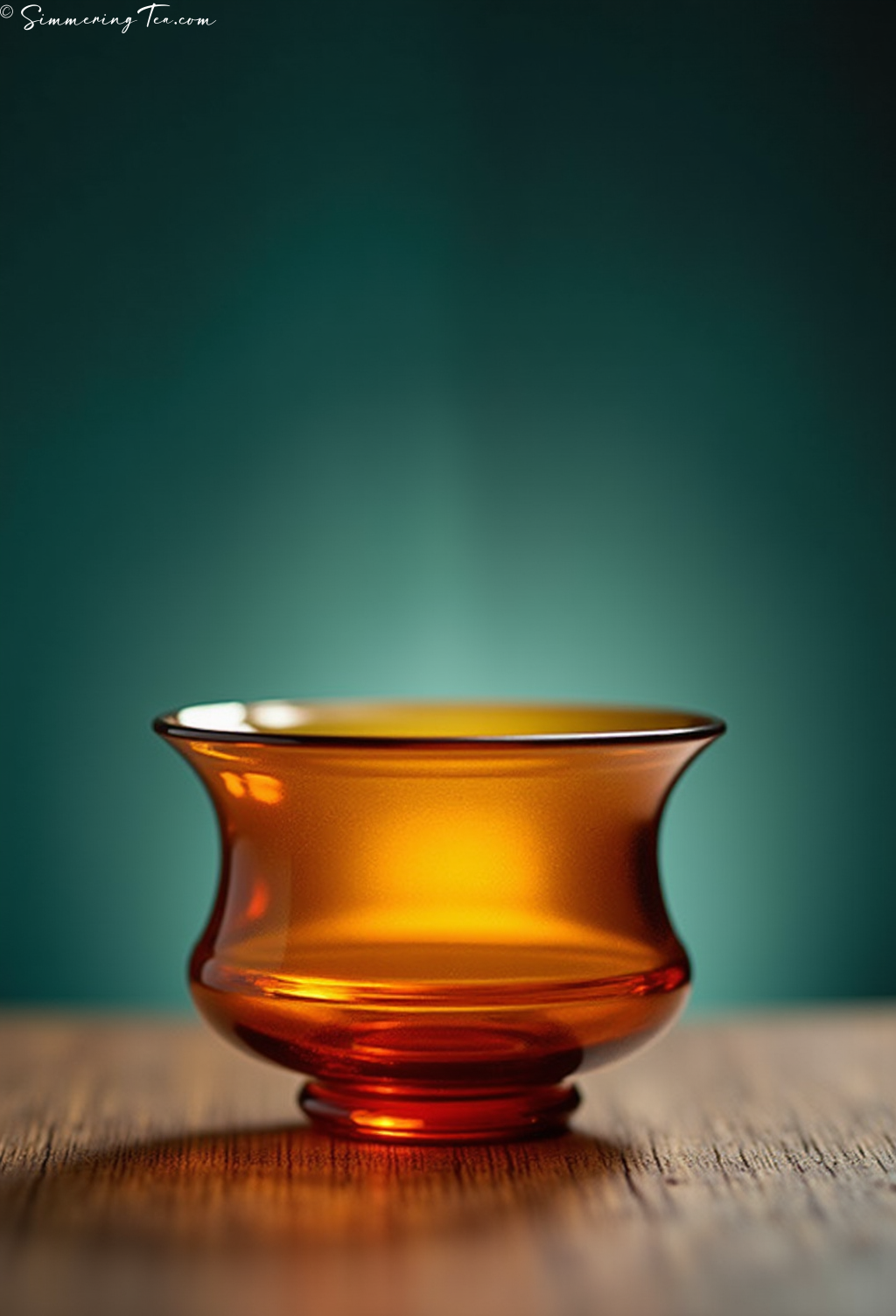 Amber glass casts warm golden tones that create cozy atmosphere. The vintage-inspired color works particularly well with black teas and oolongs.
This color adds richness and depth to the visual tea experience.
Amber glass casts warm golden tones that create cozy atmosphere. The vintage-inspired color works particularly well with black teas and oolongs.
This color adds richness and depth to the visual tea experience.
Frosted Glass: Soft Elegance
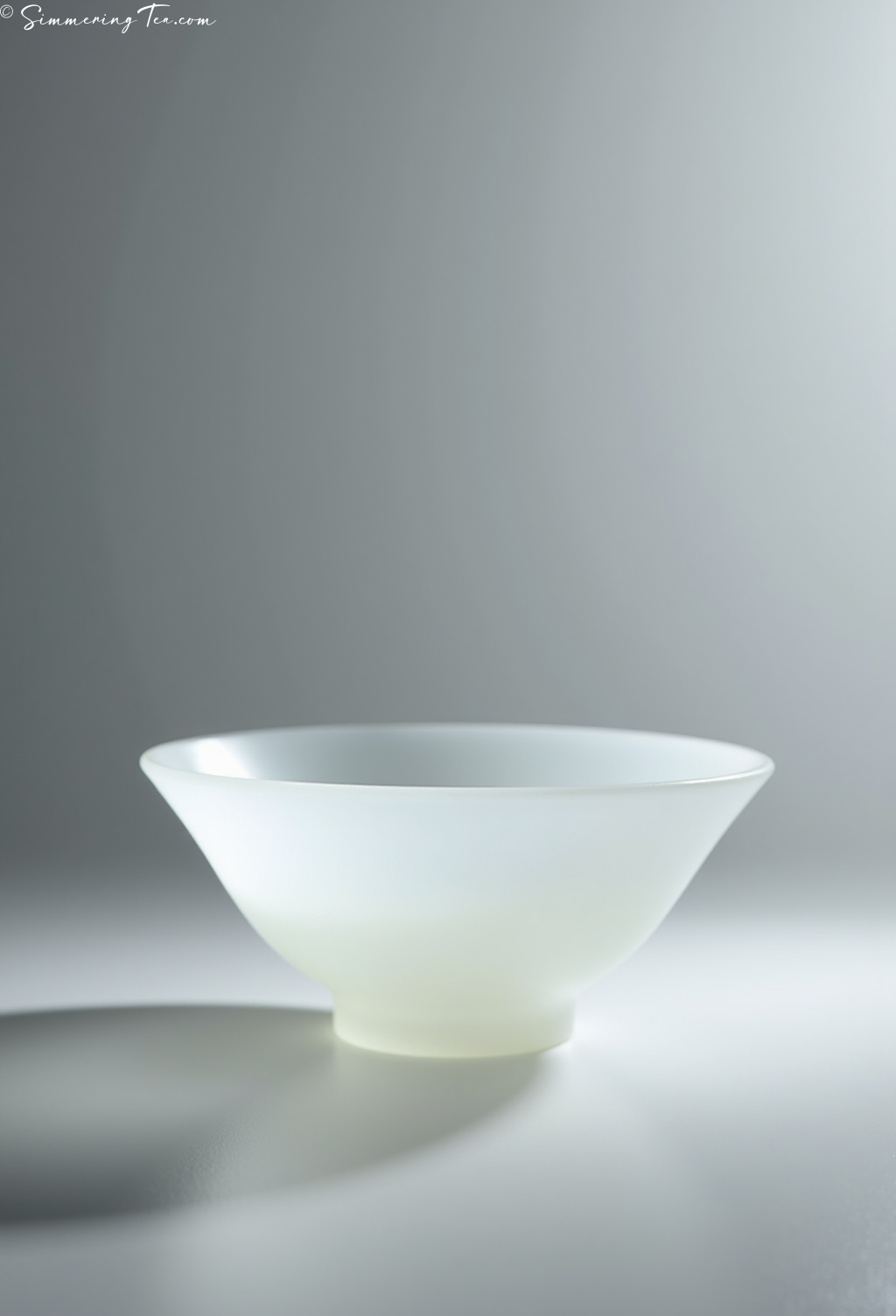 Frosted or matte glass surfaces create soft, diffused appearance while maintaining some transparency. The texture provides better grip and creates contemporary aesthetic appeal.
The subtle sophistication works beautifully in modern settings.
Frosted or matte glass surfaces create soft, diffused appearance while maintaining some transparency. The texture provides better grip and creates contemporary aesthetic appeal.
The subtle sophistication works beautifully in modern settings.
Heat-Reactive Color-Changing Glass
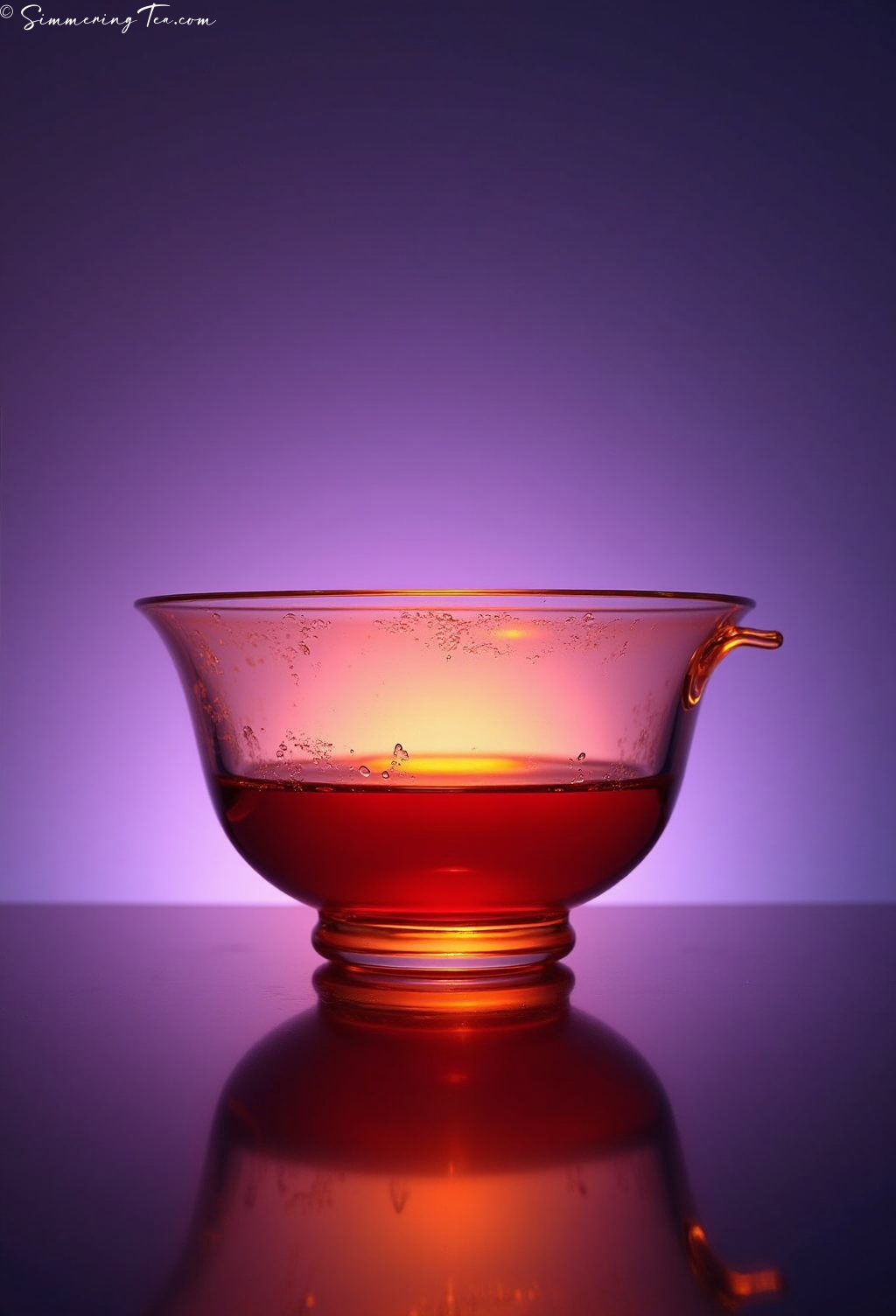 Special glass formulations change color in response to temperature, adding interactive element to tea brewing. The visual transformation creates playful, engaging experience.
These innovative pieces combine function with entertainment, delighting guests and children alike.
Special glass formulations change color in response to temperature, adding interactive element to tea brewing. The visual transformation creates playful, engaging experience.
These innovative pieces combine function with entertainment, delighting guests and children alike.
Artistic and Decorative Gaiwans: Functional Art
Some gaiwans transcend utility to become true art pieces, featuring elaborate decoration, precious materials, or masterful artistry.Enamel Work: Jewel-Like Color
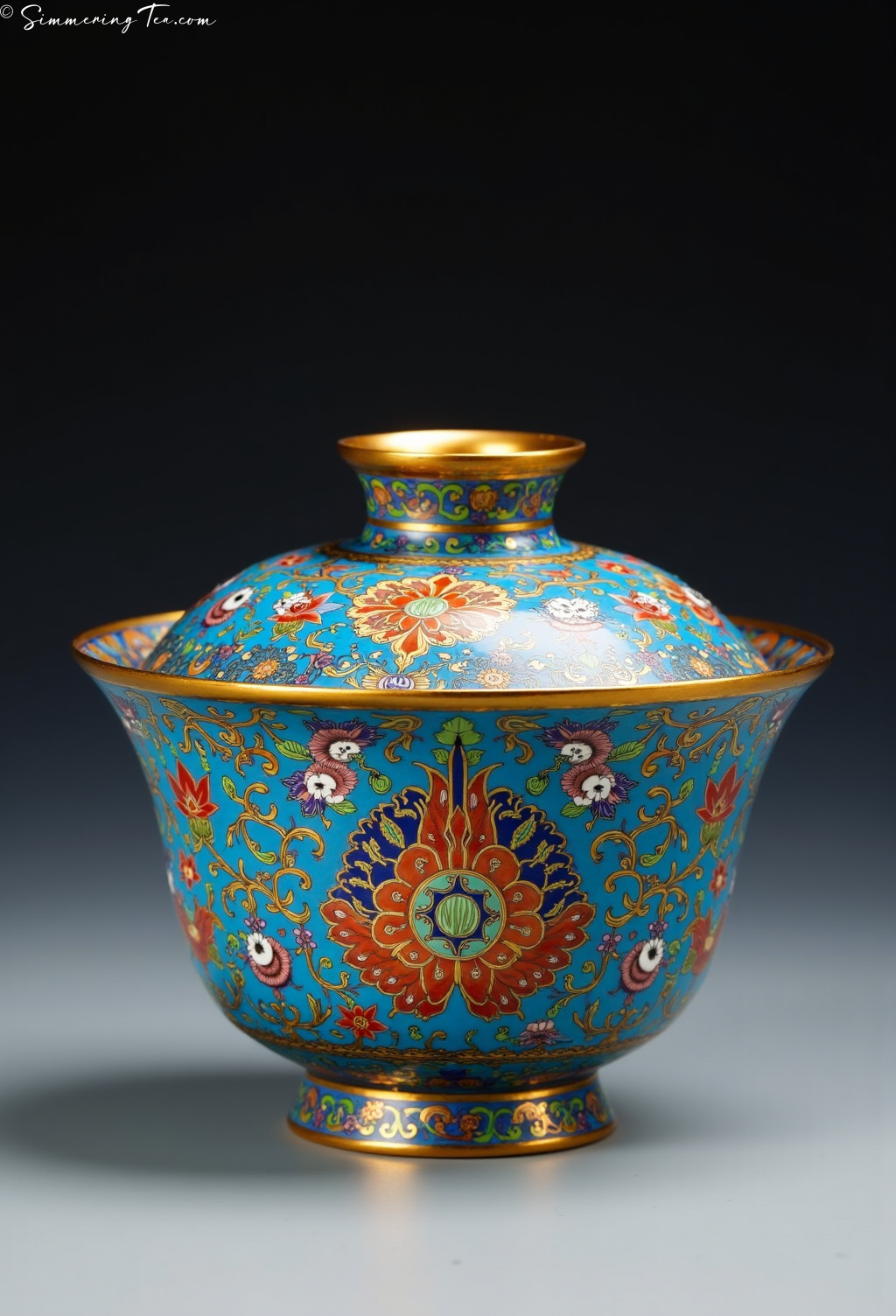 Cloisonné or painted enamel decoration creates brilliant colors and intricate patterns. The jewel-like quality and meticulous craftsmanship make these pieces spectacular conversation starters.
Each piece requires dozens of hours of skilled artisan work.
Cloisonné or painted enamel decoration creates brilliant colors and intricate patterns. The jewel-like quality and meticulous craftsmanship make these pieces spectacular conversation starters.
Each piece requires dozens of hours of skilled artisan work.
Silver Overlay: Precious Metal Elegance
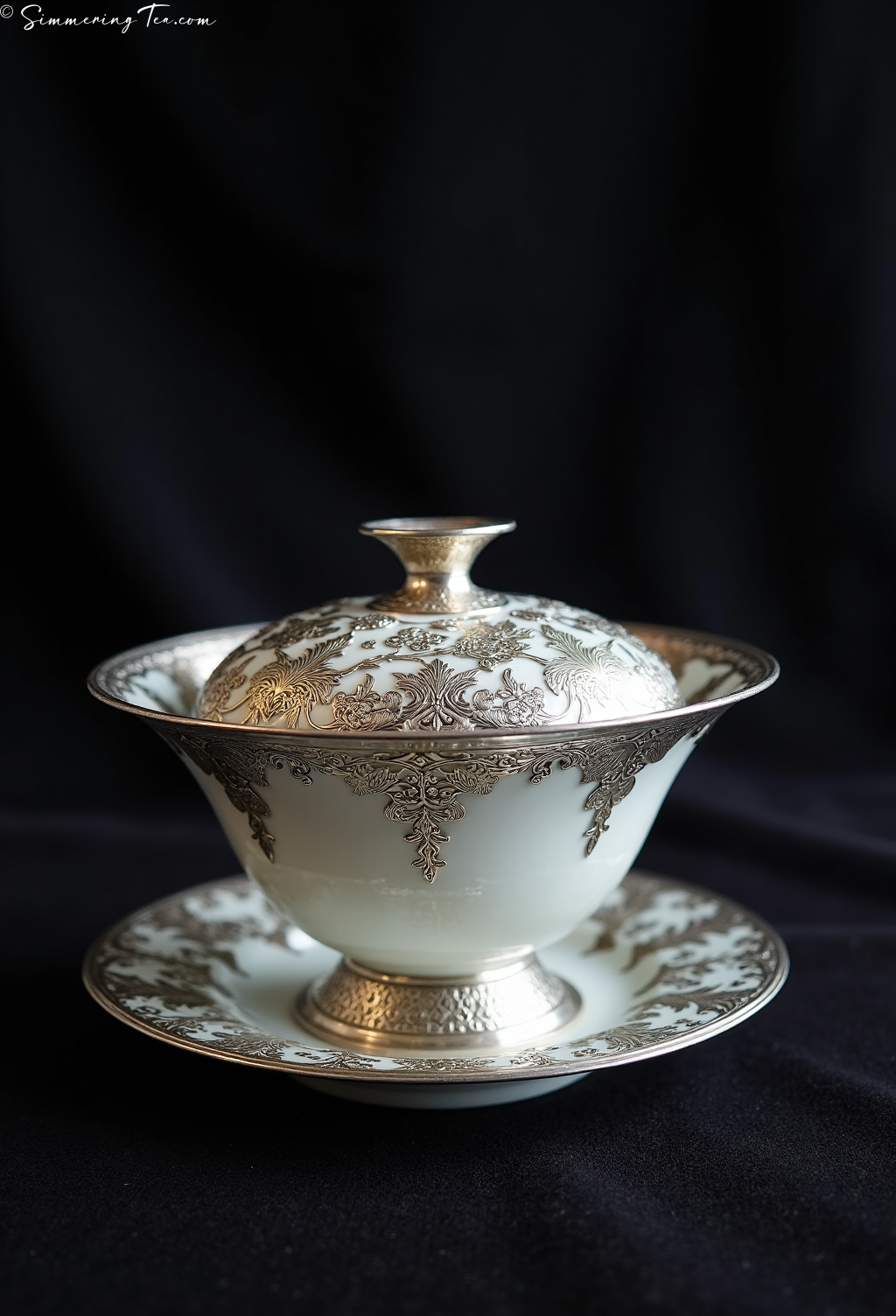 Sterling silver applied to porcelain or glass creates luxurious contrast and adds structural protection. The combination of materials creates sophisticated, high-end aesthetic.
These silver-adorned gaiwans make extraordinary gifts for serious tea collectors.
Sterling silver applied to porcelain or glass creates luxurious contrast and adds structural protection. The combination of materials creates sophisticated, high-end aesthetic.
These silver-adorned gaiwans make extraordinary gifts for serious tea collectors.
Lotus Design: Buddhist Symbolism
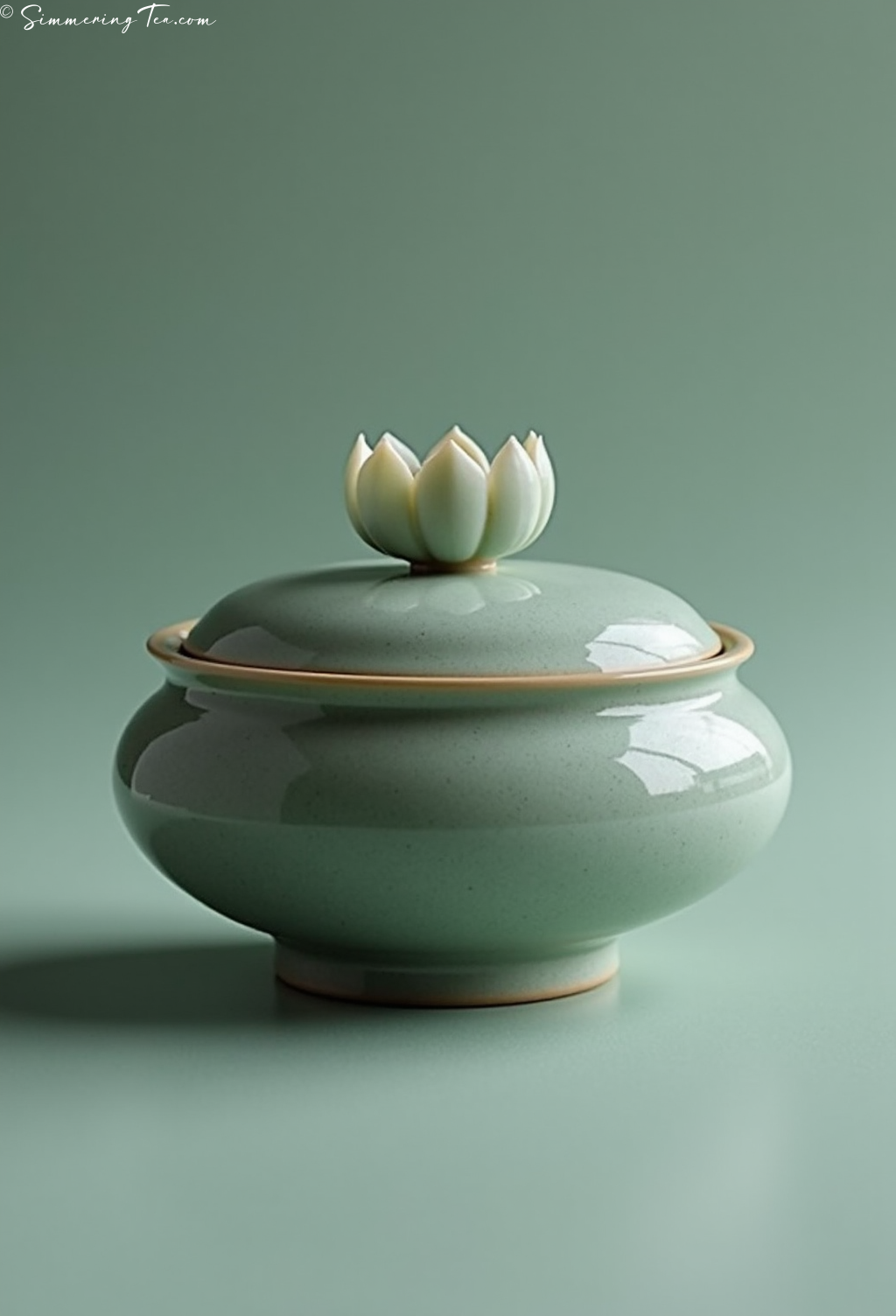 Lotus flowers symbolize purity and enlightenment in Buddhist tradition. Gaiwans featuring lotus motifs connect tea drinking to spiritual practice and contemplation.
The graceful flower design brings peace and beauty to tea sessions.
Lotus flowers symbolize purity and enlightenment in Buddhist tradition. Gaiwans featuring lotus motifs connect tea drinking to spiritual practice and contemplation.
The graceful flower design brings peace and beauty to tea sessions.
Dragon: Power and Good Fortune
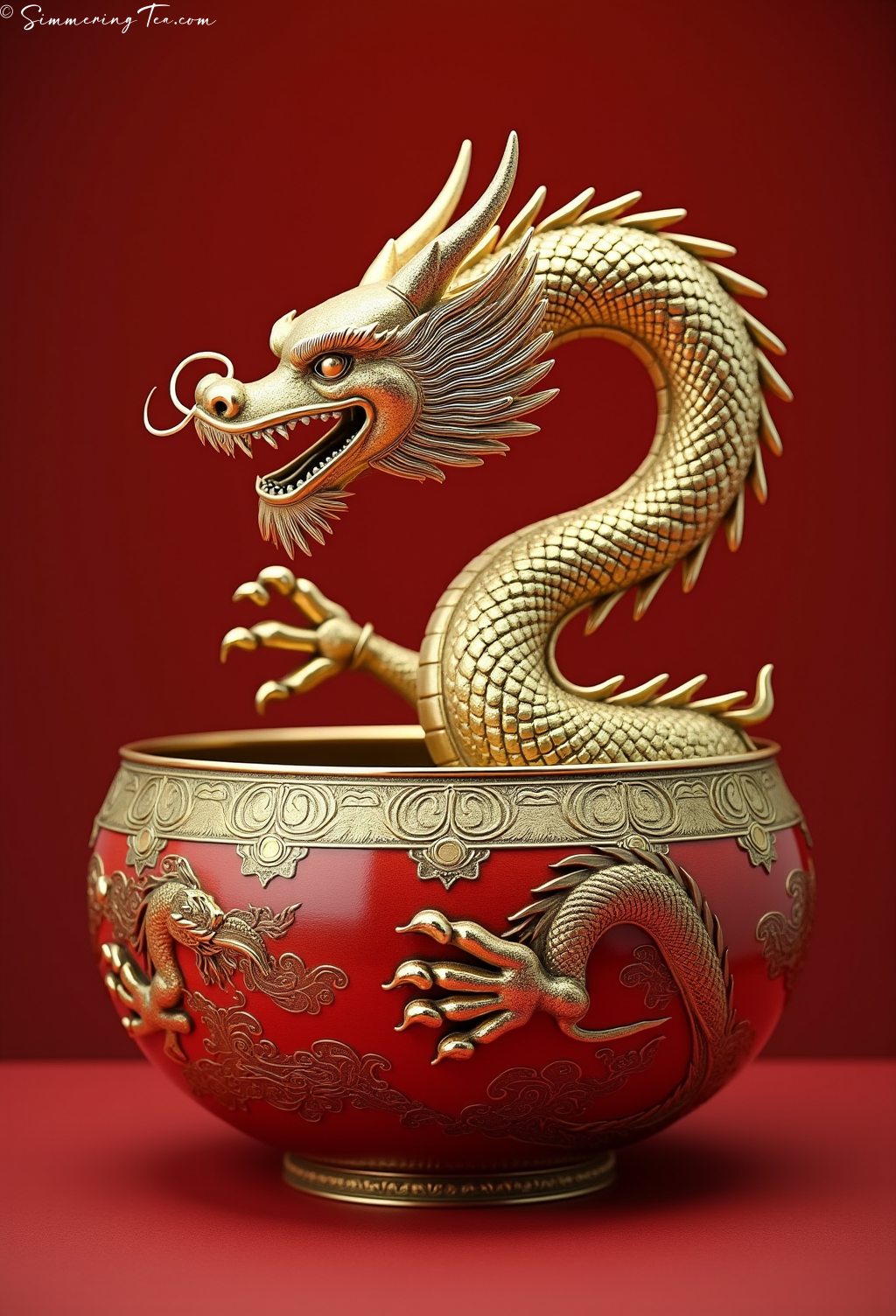 Dragons represent power, wisdom, and good fortune in Chinese culture. Dragon-decorated gaiwans often feature elaborate five-clawed imperial dragons among clouds and waves.
These dramatic pieces make powerful statements and are believed to bring good luck.
Dragons represent power, wisdom, and good fortune in Chinese culture. Dragon-decorated gaiwans often feature elaborate five-clawed imperial dragons among clouds and waves.
These dramatic pieces make powerful statements and are believed to bring good luck.
Phoenix: Grace and Renewal
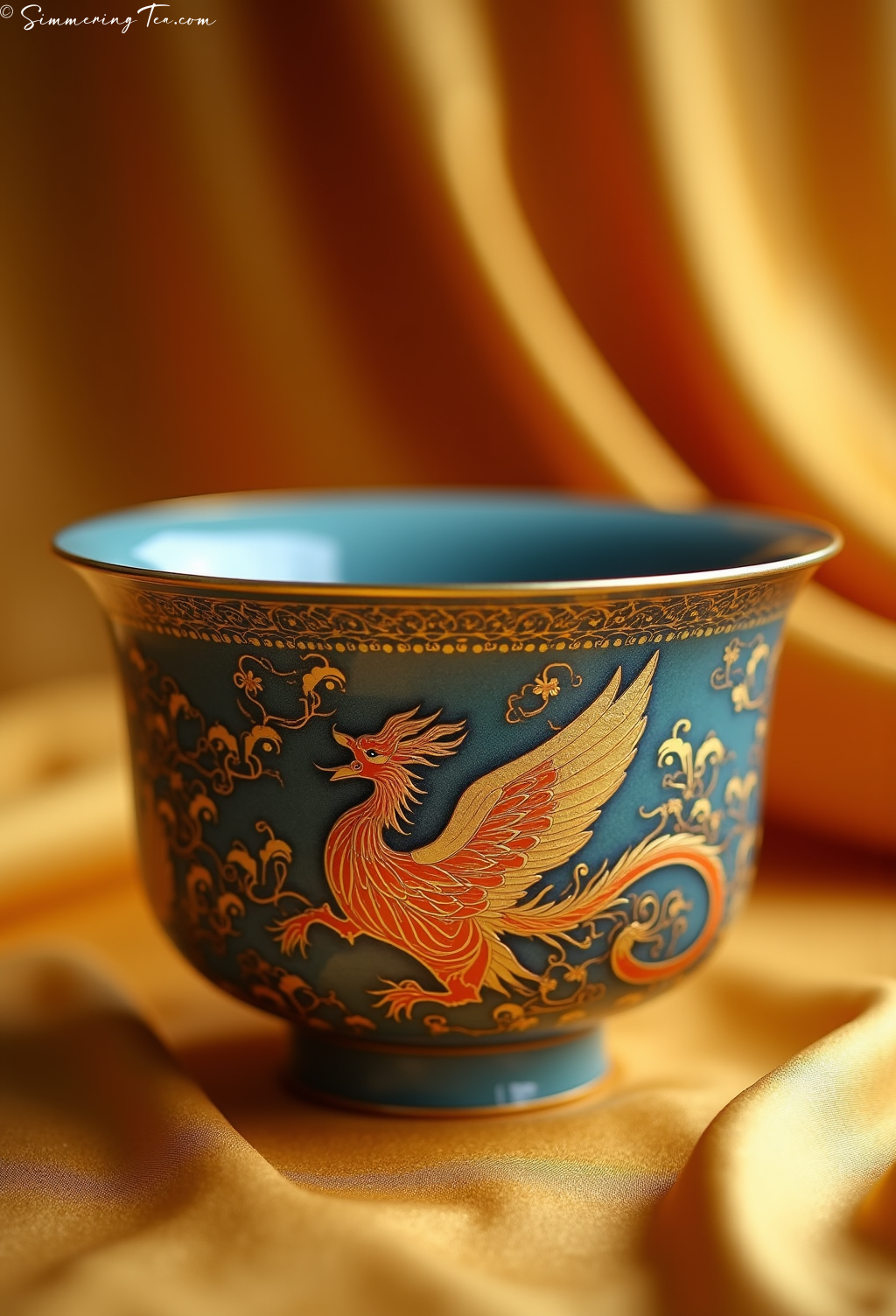 The phoenix (fenghuang) symbolizes grace, virtue, and renewal. Often paired with peonies or featured in marriage iconography, phoenix gaiwans are popular wedding gifts.
The elegant mythical bird adds beauty and auspicious symbolism.
The phoenix (fenghuang) symbolizes grace, virtue, and renewal. Often paired with peonies or featured in marriage iconography, phoenix gaiwans are popular wedding gifts.
The elegant mythical bird adds beauty and auspicious symbolism.
Bamboo: Strength and Flexibility
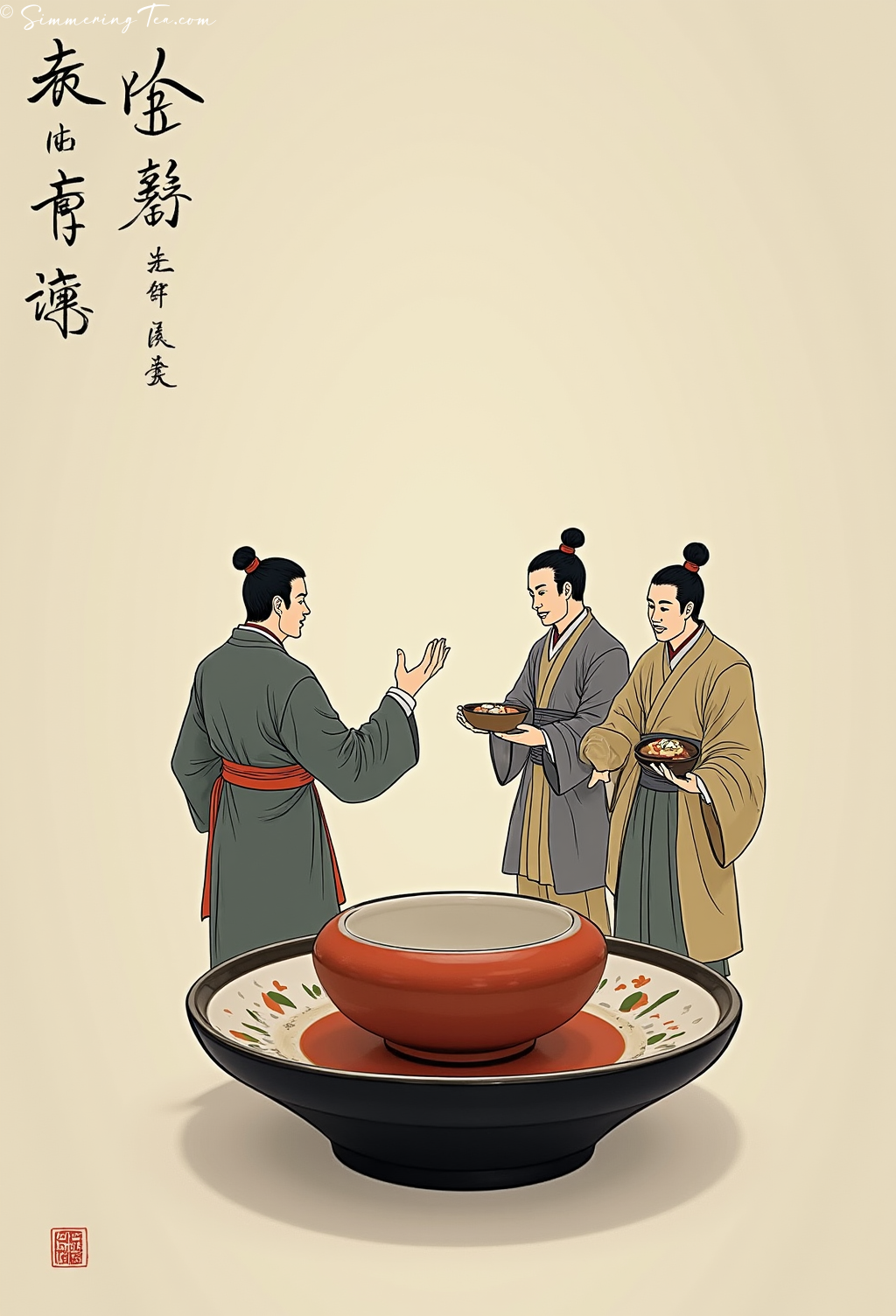 Bamboo represents resilience, integrity, and the scholar's values. Painted or carved bamboo decorations bring natural, zen aesthetic to gaiwans.
The clean, simple lines suit both traditional and contemporary settings.
Bamboo represents resilience, integrity, and the scholar's values. Painted or carved bamboo decorations bring natural, zen aesthetic to gaiwans.
The clean, simple lines suit both traditional and contemporary settings.
Plum Blossom: Winter Beauty
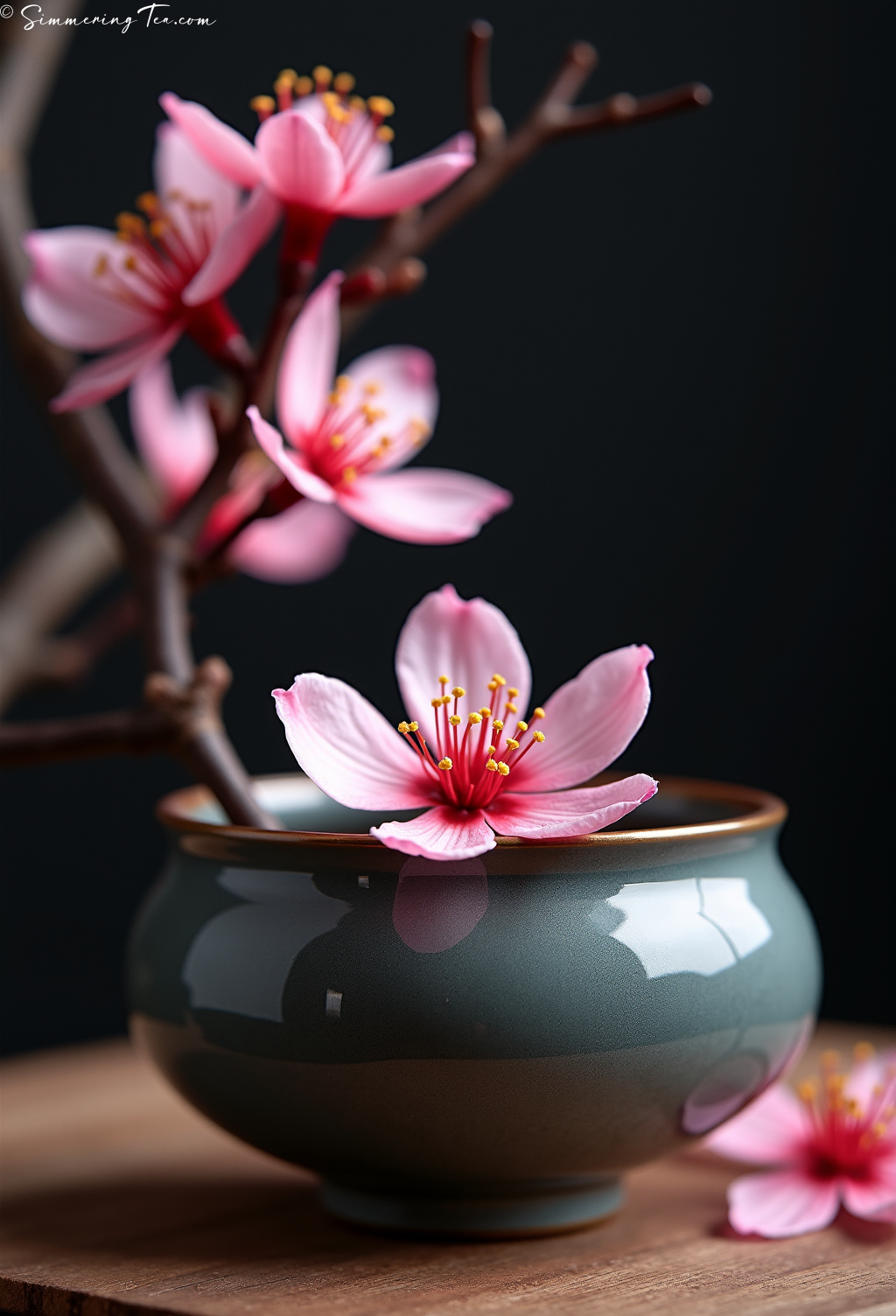 Plum blossoms blooming in late winter symbolize perseverance and hope. These delicate flowers create refined, poetic decoration beloved in Chinese art.
The subtle beauty and symbolic meaning make plum blossom gaiwans popular year-round.
Plum blossoms blooming in late winter symbolize perseverance and hope. These delicate flowers create refined, poetic decoration beloved in Chinese art.
The subtle beauty and symbolic meaning make plum blossom gaiwans popular year-round.
Gaiwan Sets and Collections
Complete gaiwan sets include everything needed for traditional gongfu tea ceremony, while travel sets allow brewing excellence anywhere.Travel Gaiwan Sets: Tea On The Go
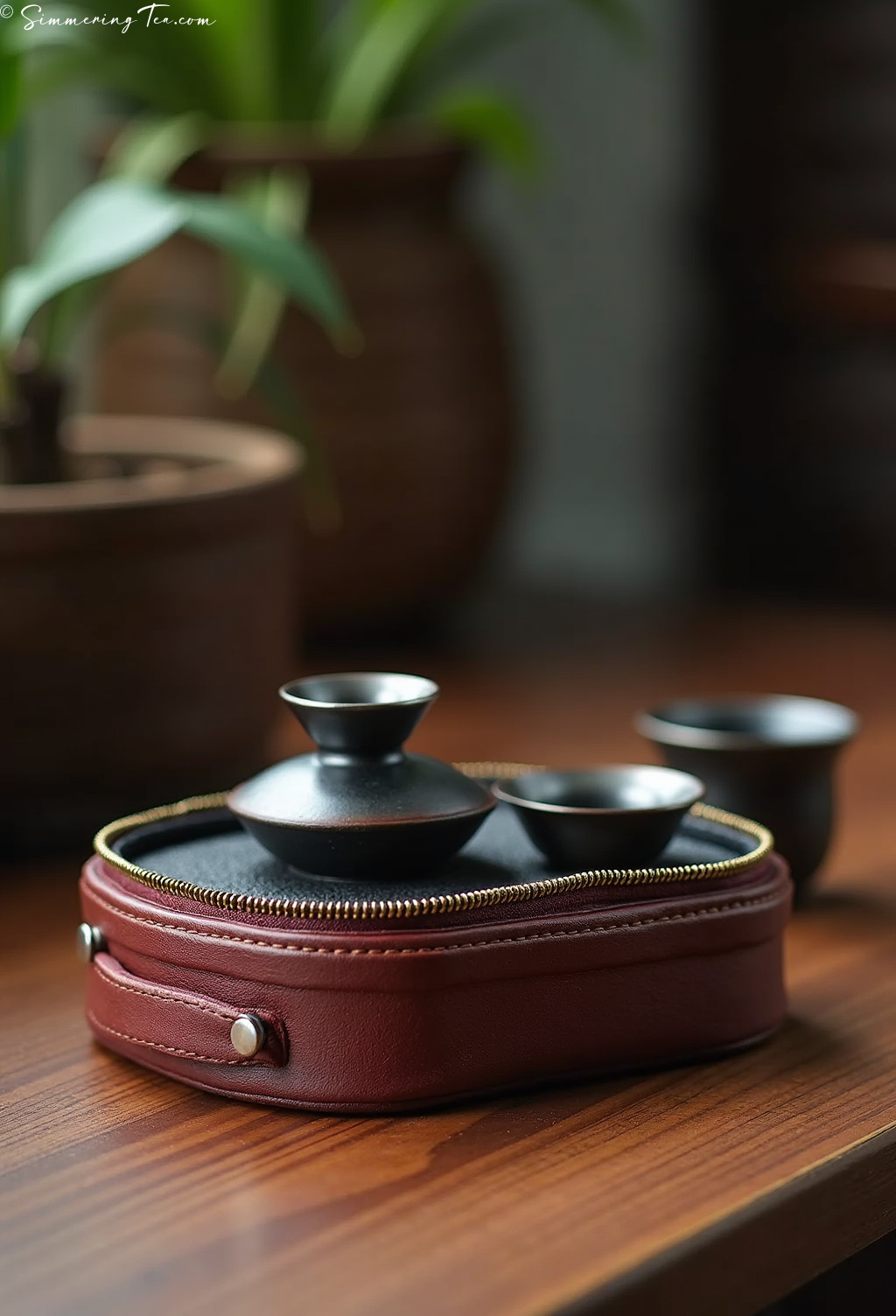 Compact travel sets include small gaiwan, cups, and carrying case. These portable tea sets ensure you never have to settle for inferior tea away from home.
Perfect for office, hotel rooms, or outdoor adventures.
Compact travel sets include small gaiwan, cups, and carrying case. These portable tea sets ensure you never have to settle for inferior tea away from home.
Perfect for office, hotel rooms, or outdoor adventures.
Complete Gongfu Sets: Full Ceremony
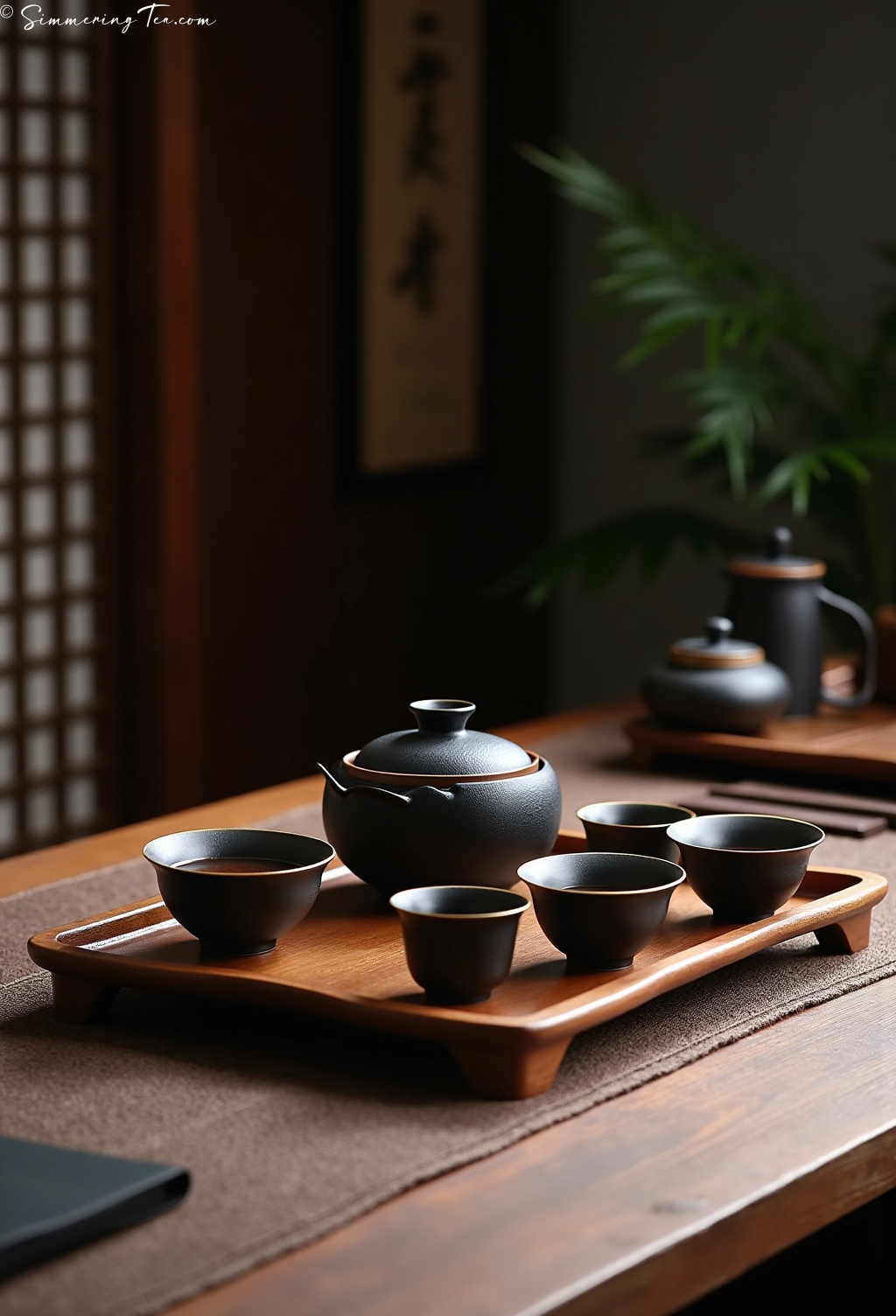 Full gongfu sets include gaiwan, tea tray, pitcher (gongdaobei), tasting cups, tools, and accessories. Everything needed for traditional Chinese tea ceremony in coordinated aesthetic.
These sets make excellent gifts for serious tea enthusiasts.
Full gongfu sets include gaiwan, tea tray, pitcher (gongdaobei), tasting cups, tools, and accessories. Everything needed for traditional Chinese tea ceremony in coordinated aesthetic.
These sets make excellent gifts for serious tea enthusiasts.
Solo Sets: Personal Tea Time
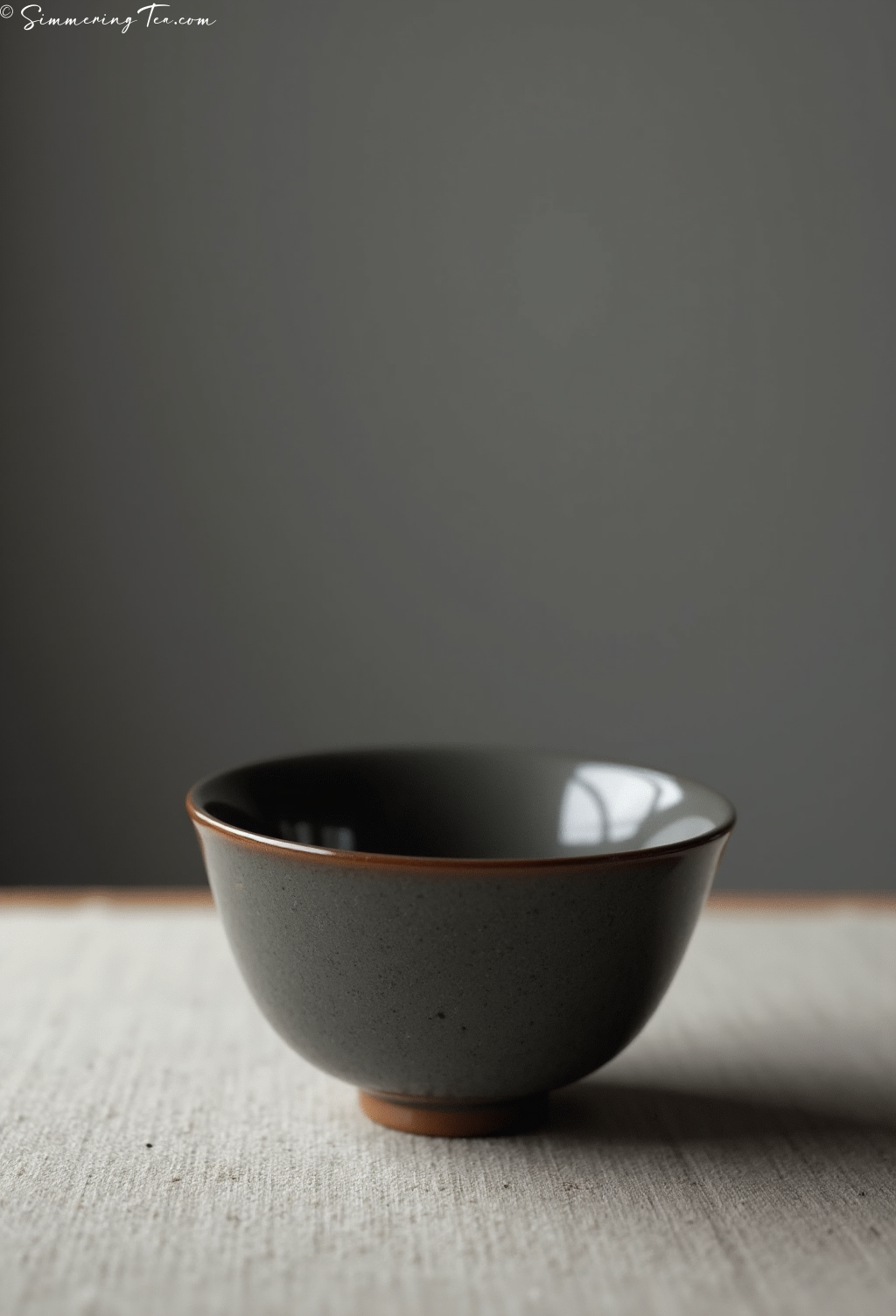 Solo sets include gaiwan and single cup for personal enjoyment. These minimalist sets are perfect for meditative solo tea sessions or when space is limited.
Just you, your gaiwan, and your tea—pure simplicity.
Solo sets include gaiwan and single cup for personal enjoyment. These minimalist sets are perfect for meditative solo tea sessions or when space is limited.
Just you, your gaiwan, and your tea—pure simplicity.
Sharing Sets: Tea for Two or More
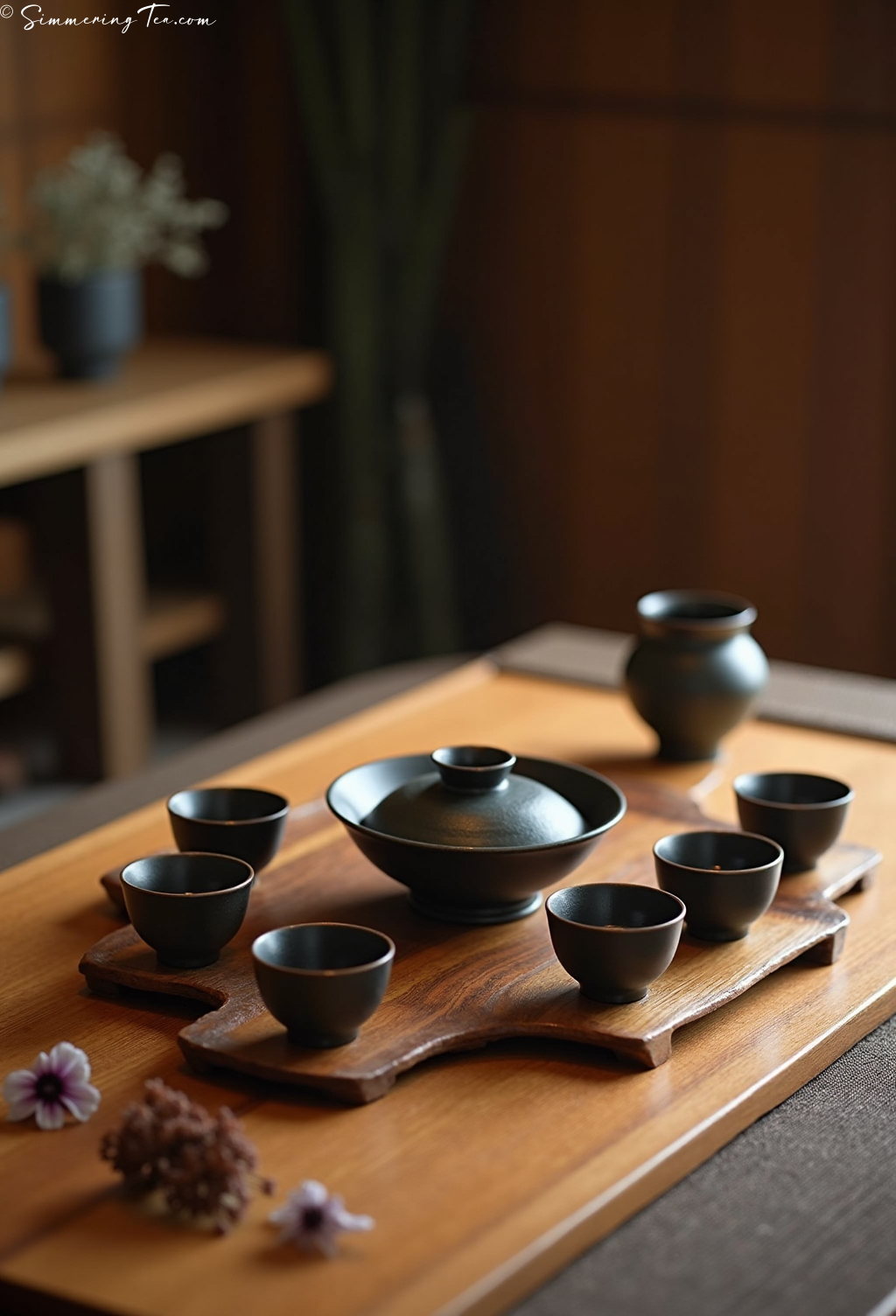 Sharing sets include gaiwan, pitcher, and multiple cups for serving guests. Tea drinking becomes social ritual when you can share exceptional brews with friends.
These sets facilitate connection through shared appreciation of fine tea.
Sharing sets include gaiwan, pitcher, and multiple cups for serving guests. Tea drinking becomes social ritual when you can share exceptional brews with friends.
These sets facilitate connection through shared appreciation of fine tea.
Matching Sets: Aesthetic Harmony
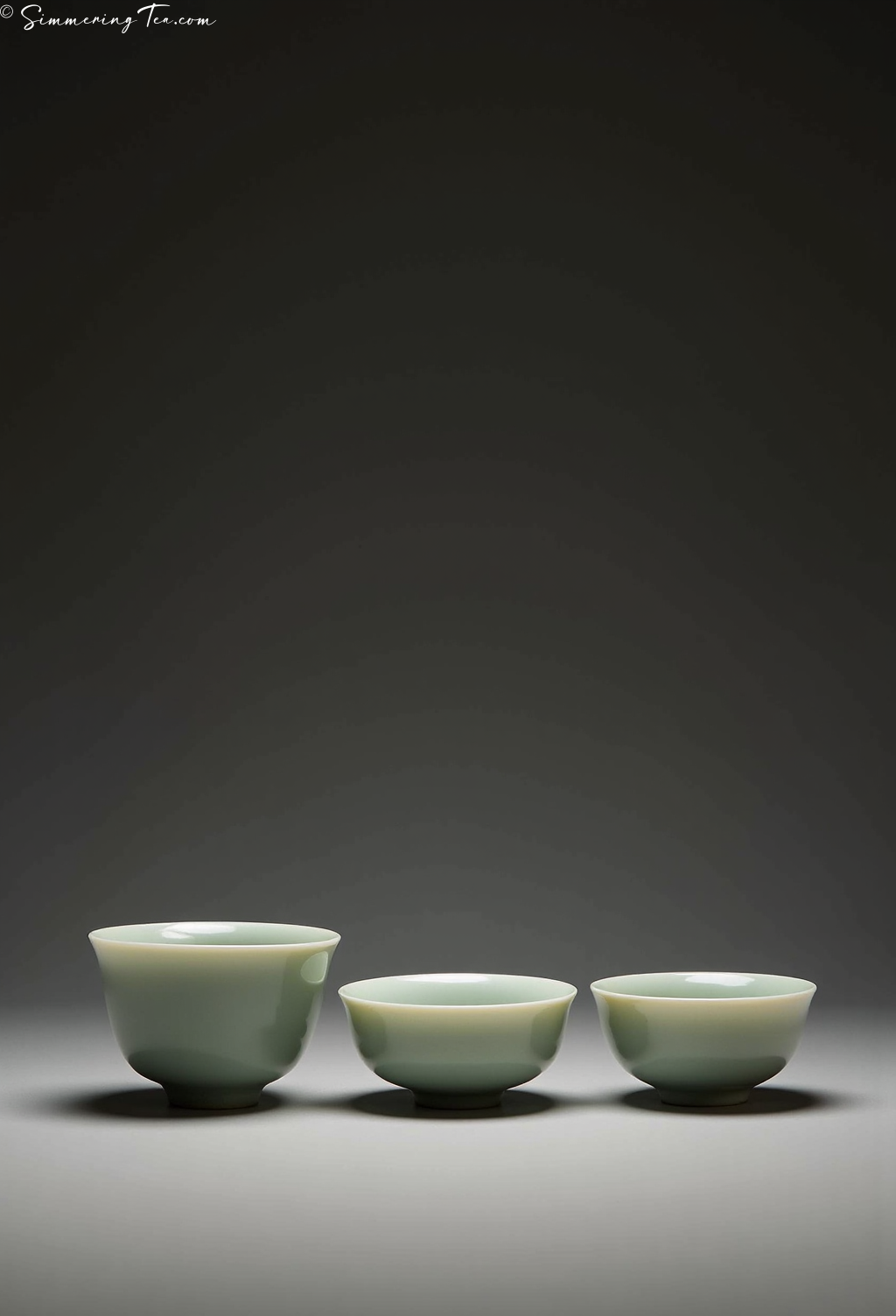 Coordinated sets with matching decoration create visual harmony. All pieces share design elements, colors, or themes for unified aesthetic presentation.
The cohesive design creates beautiful table settings for formal tea occasions.
Coordinated sets with matching decoration create visual harmony. All pieces share design elements, colors, or themes for unified aesthetic presentation.
The cohesive design creates beautiful table settings for formal tea occasions.
Gift Sets: Perfect Presentations
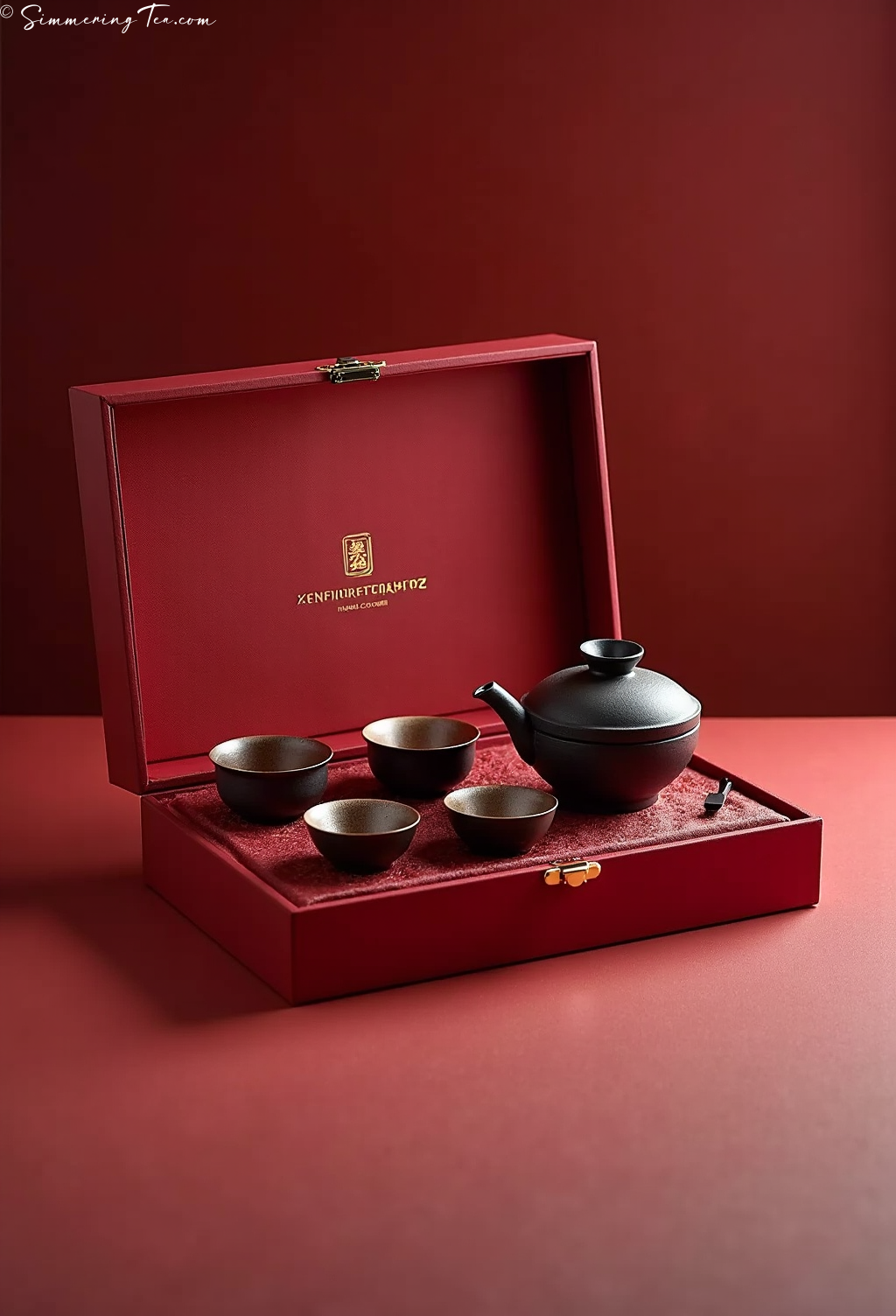 Beautifully packaged gift sets often include tea samples, instruction booklets, and premium accessories. These ready-to-gift packages introduce friends to gaiwan brewing.
Share your love of tea with thoughtfully curated gift sets.
Beautifully packaged gift sets often include tea samples, instruction booklets, and premium accessories. These ready-to-gift packages introduce friends to gaiwan brewing.
Share your love of tea with thoughtfully curated gift sets.
Ceremony Sets: Formal Traditional
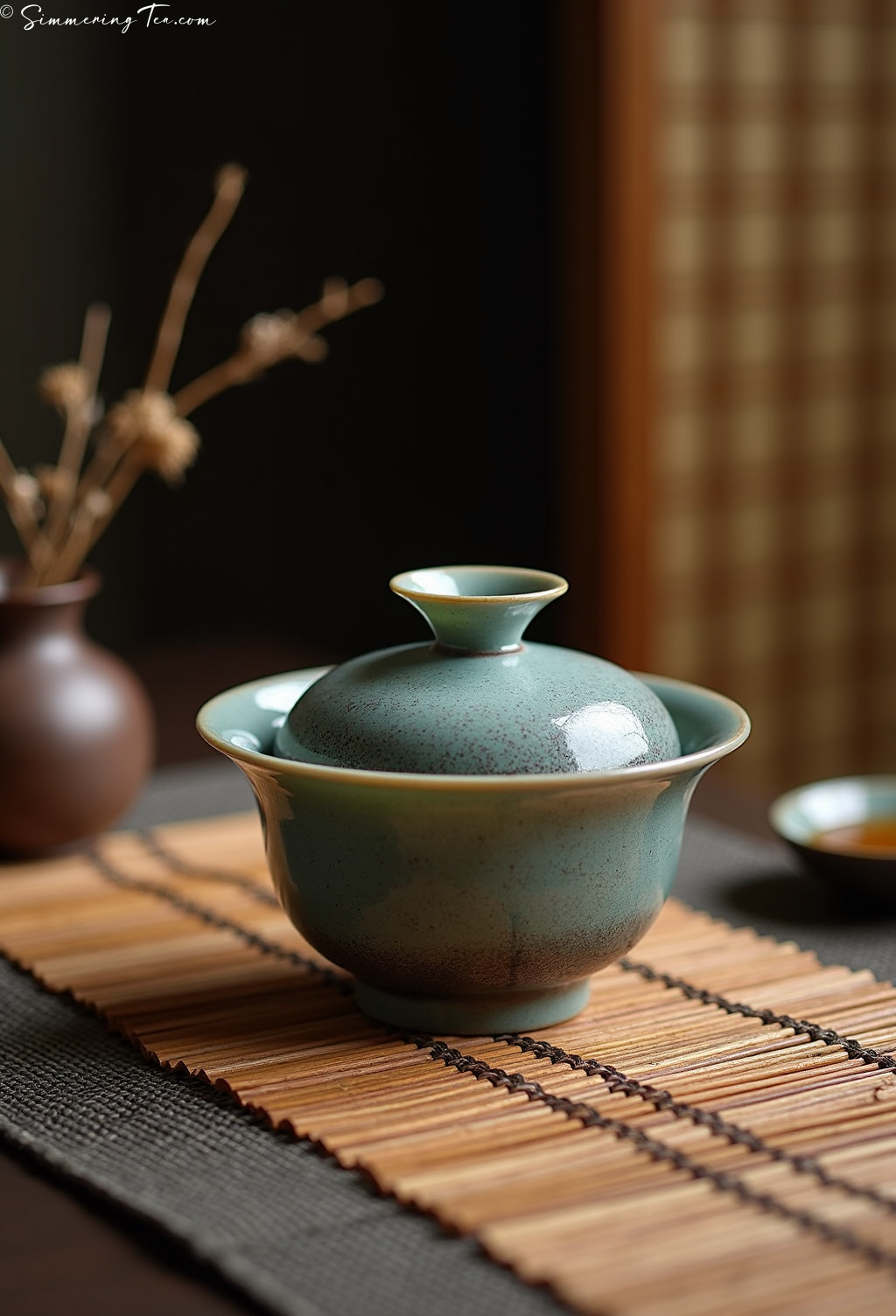 Formal ceremony sets include all traditional elements in highest quality. These sets honor Chinese tea culture's depth and create framework for mindful practice.
Perfect for those who want to study traditional tea ceremony seriously.
Formal ceremony sets include all traditional elements in highest quality. These sets honor Chinese tea culture's depth and create framework for mindful practice.
Perfect for those who want to study traditional tea ceremony seriously.
Modern Contemporary Sets
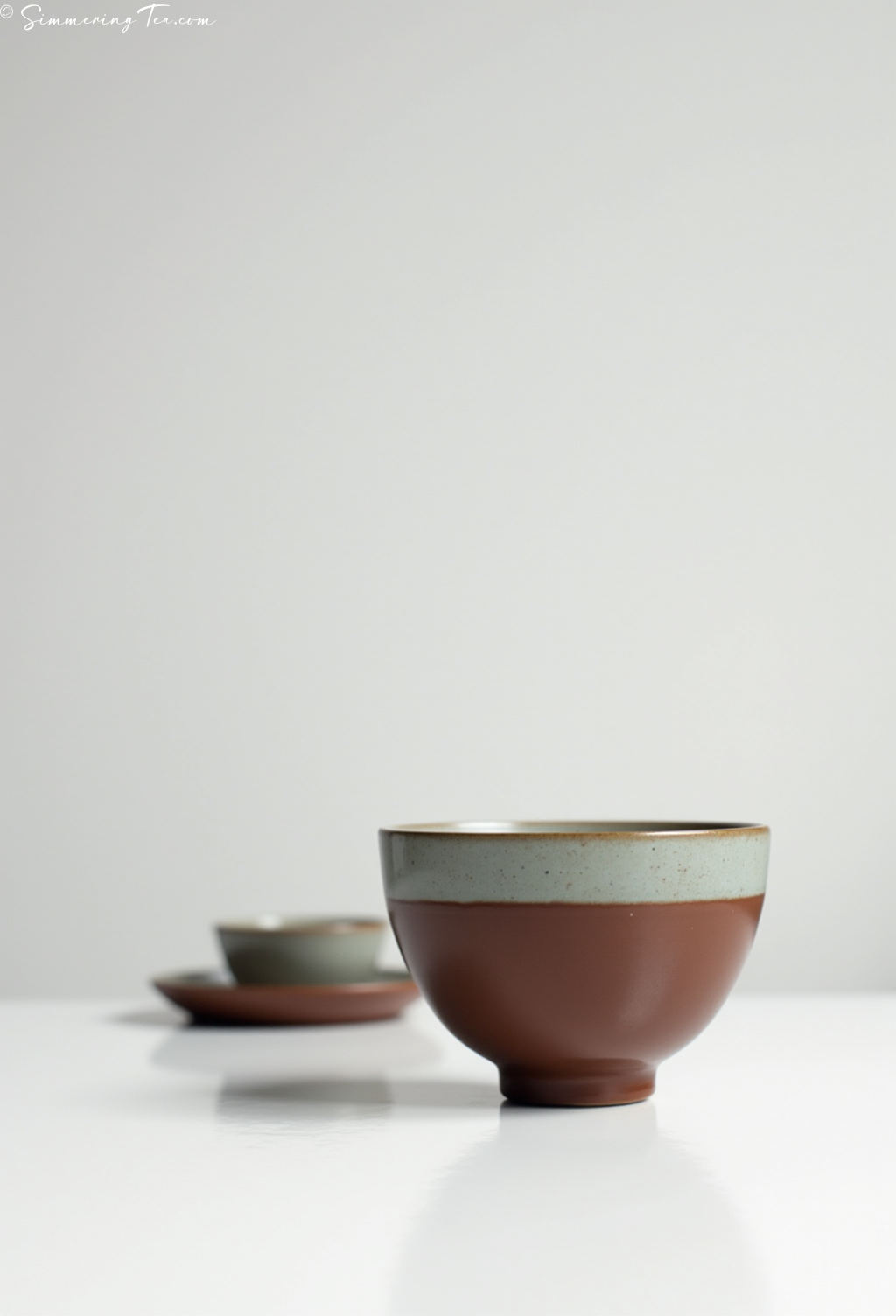 Contemporary designers create sets with clean lines, innovative materials, and modern aesthetics while respecting functional tradition.
These sets bridge ancient tea culture with contemporary design sensibility.
Contemporary designers create sets with clean lines, innovative materials, and modern aesthetics while respecting functional tradition.
These sets bridge ancient tea culture with contemporary design sensibility.
Antique and Vintage Sets
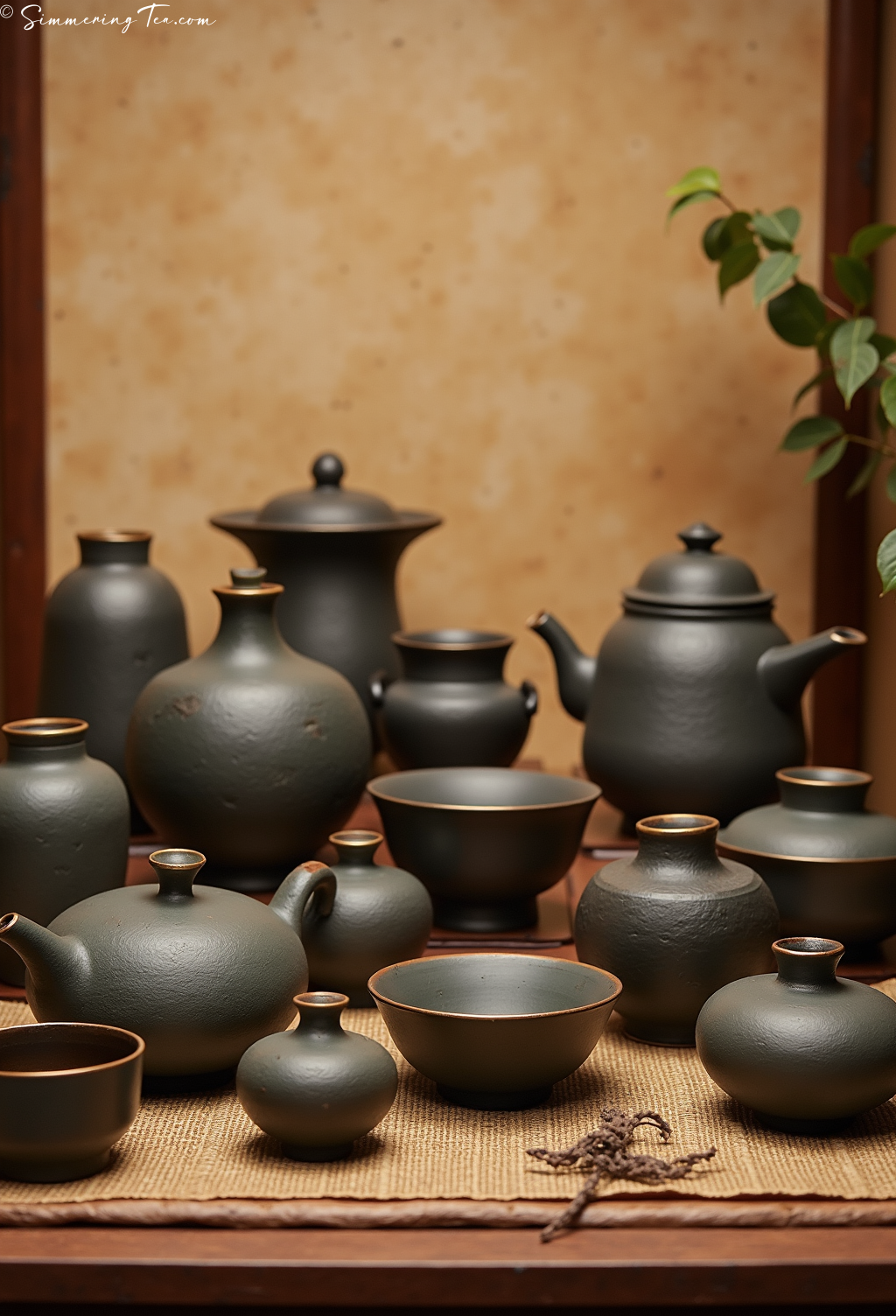 Genuine antique gaiwan sets from Qing dynasty or early Republic period represent historical artifacts. Collectors prize these pieces for historical significance and craftsmanship quality.
Authentic antiques require expertise to authenticate and command premium prices.
Genuine antique gaiwan sets from Qing dynasty or early Republic period represent historical artifacts. Collectors prize these pieces for historical significance and craftsmanship quality.
Authentic antiques require expertise to authenticate and command premium prices.
Master Artisan Sets: Investment Grade
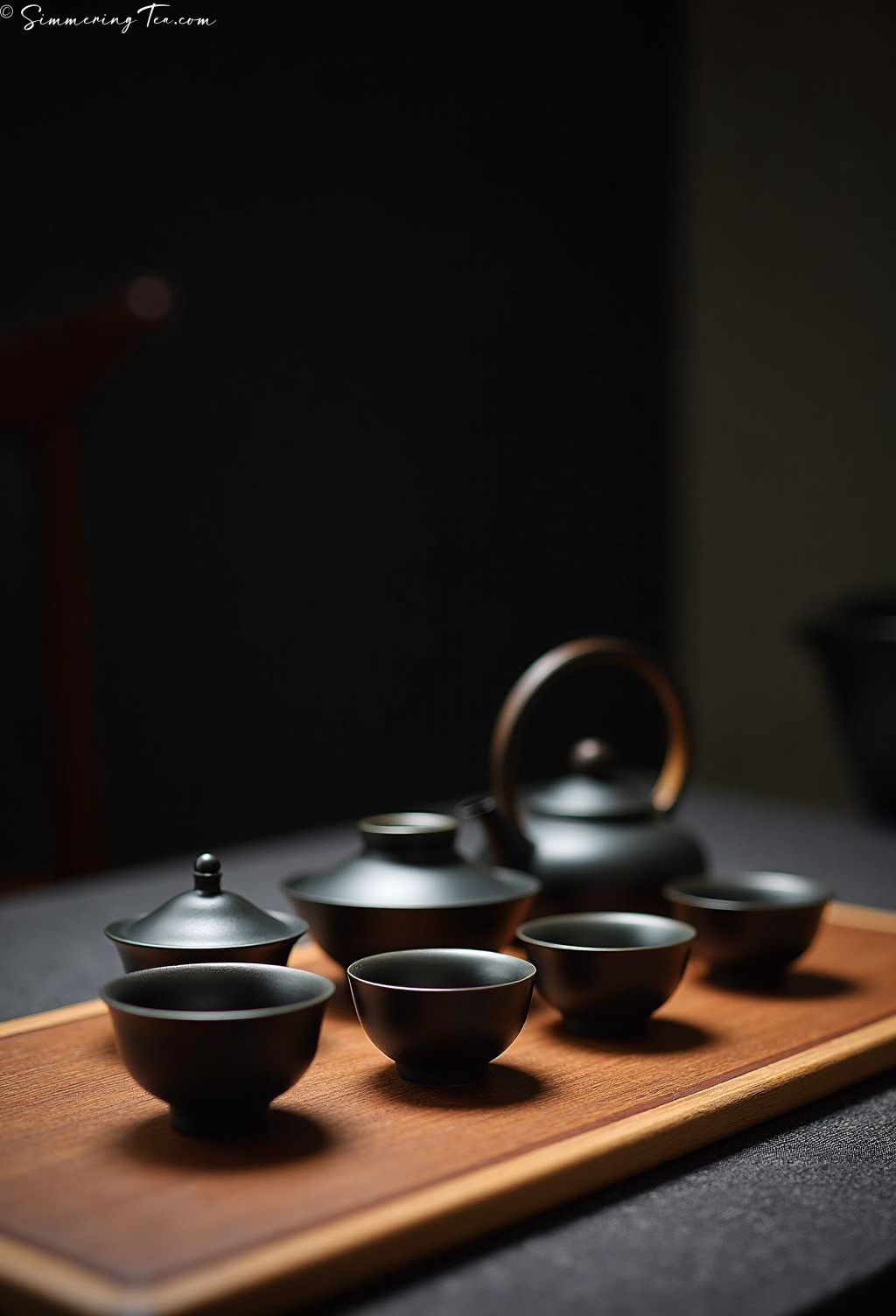 Sets created by recognized ceramic masters or famous kilns represent the pinnacle of the art. These pieces often appreciate significantly and become family heirlooms.
Serious collectors invest in signed works by established or emerging masters.
Sets created by recognized ceramic masters or famous kilns represent the pinnacle of the art. These pieces often appreciate significantly and become family heirlooms.
Serious collectors invest in signed works by established or emerging masters.
How to Use a Gaiwan: Mastering the Technique
Using a gaiwan requires practice but becomes second nature with time. Here's the complete technique:Step 1: Preparation
- Rinse your gaiwan with hot water to warm it and clean any dust
- Add tea leaves (typically 5-7 grams for 100ml gaiwan)
- Smell the dry leaves—this "warm leaf smell" reveals tea's character
Step 2: Rinsing the Leaves
- Pour hot water over leaves, filling the gaiwan
- Immediately pour out this first rinse (5-10 seconds)
- This awakens the leaves and removes any dust
- Smell the wet leaves—the aroma should be fuller now
Step 3: The First Steep
- Fill gaiwan with water at appropriate temperature for your tea
- Place lid on, leaving small gap to control pouring speed
- Steep for recommended time (10-30 seconds for first infusion)
- Check the lid's aroma—it reveals the tea's developing fragrance
Step 4: Pouring Technique
- Hold gaiwan with thumb on lid knob, middle finger under saucer
- Index finger steadies the lid to control the gap
- Tilt gaiwan and pour through the gap between bowl and lid
- The lid acts as a filter, holding back leaves
- Pour into pitcher (gongdaobei) or directly into cups
Step 5: Multiple Infusions
- Quality teas yield 6-10+ infusions
- Increase steep time gradually with each infusion
- Notice how the tea evolves—different notes emerge
- Continue until tea no longer yields flavor
Pro Tips for Success
- Practice with lukewarm water until comfortable
- Don't overfill—leave space to manipulate the lid
- Pour out all liquid between infusions—no soaking
- If it's too hot to hold, the water is too hot for most teas
- Place a cloth napkin nearby to catch drips while learning
Choosing Your Perfect Gaiwan
With so many options, how do you choose? Consider these factors:Size Matters
- Small (100-120ml) - Perfect for solo sessions or when sampling multiple teas
- Medium (130-150ml) - Most versatile, good for 1-2 people
- Large (160-180ml) - Better for sharing with 2-3 people
Material Considerations
- Porcelain - Neutral, easy to clean, shows tea color, good for all teas
- Glass - Visual beauty, neutral, shows steeping process, modern aesthetic
- Yixing Clay - Seasons over time, enhances specific teas, requires dedication
- Ceramic - Variety of styles, often more heat-resistant, rustic appeal
Design Preferences
- Plain White - Classic, professional, shows tea color perfectly
- Decorated - Artistic expression, conversation piece, cultural connection
- Traditional - Connects to historical tea culture
- Contemporary - Fits modern aesthetics
Budget Guidelines
- Beginner ($15-30) - Simple porcelain or glass, functional quality
- Intermediate ($30-80) - Better porcelain, decorated pieces, basic Yixing
- Advanced ($80-200) - Fine porcelain, quality Yixing, artistic pieces
- Collector ($200+) - Master works, antiques, rare clays, investment pieces
Caring for Your Gaiwan
Proper care ensures your gaiwan lasts generations:Daily Cleaning
- Rinse with hot water immediately after use
- Avoid soap on Yixing clay—just water
- Use mild soap on porcelain and glass if needed
- Dry thoroughly to prevent water spots
- Never put handmade or Yixing pieces in dishwasher
Stain Removal
- Tea stains on porcelain: baking soda paste or denture cleaner
- Yixing stains are normal and valued—don't remove them
- Glass: vinegar soak for stubborn stains
- Avoid bleach—it can damage glazes and clays
Storage
- Store completely dry to prevent mold
- Don't stack gaiwans—they can chip
- Use cloth or felt between pieces if stacking necessary
- Display valuable pieces in cabinets away from accidents
- Keep Yixing pieces in breathable cloth bags
Yixing Clay Special Care
- Dedicate each Yixing gaiwan to one tea type
- Never use soap—it absorbs into the porous clay
- After use, rinse and air dry completely
- Periodically "refresh" by boiling in water (advanced technique)
- The patina that develops is prized—don't try to remove it
Building Your Gaiwan Collection
Many tea enthusiasts build curated gaiwan collections over time. Here's a strategic approach:The Essential Three
- White Porcelain Workhorse - For daily use and tea tasting
- Glass Gaiwan - For visual teas and teaching/learning
- Special Occasion Piece - Decorated or artistic for guests
The Tea-Specific Collection
- Dedicated Yixing for your favorite oolong
- Another Yixing for raw pu-erh
- Porcelain for green and white teas
- Ceramic for roasted oolongs and black teas
The Connoisseur Collection
- Multiple Yixing pieces in different clays
- Historical or antique pieces
- Modern master works
- Regional specialties (Japanese, Korean, etc.)
- Complete formal tea ceremony sets
Where to Buy Authentic Gaiwans
Finding quality gaiwans requires knowing reliable sources:Online Specialists
Reputable online tea vendors offer carefully curated gaiwan selections with expert guidance. Look for sellers who:- Provide detailed descriptions and measurements
- Show multiple photos from various angles
- Offer authentication or maker information
- Have knowledgeable customer service
- Stand behind their products with fair return policies
Direct from Artisans
- Visit pottery studios if you're near Jingdezhen, Yixing, or other ceramic centers
- Commission custom pieces directly from makers
- Support contemporary ceramicists through gallery shops or craft markets
Specialty Tea Shops
- Physical tea shops often carry curated gaiwan selections
- Staff can demonstrate proper use and recommend matches for your needs
- You can handle pieces before buying—important for evaluating size and feel
Conclusion: Your Gaiwan Journey Begins
The gaiwan represents 600+ years of refined tea culture distilled into elegantly simple form. Whether you choose a classic white porcelain gaiwan for its pure functionality, a rare Yixing piece that will season and improve with use, a modern glass gaiwan for its visual beauty, or an artistic masterpiece that doubles as a collectible treasure, you're joining a tradition that connects tea lovers across centuries and continents. The beauty of gaiwan brewing lies not just in the superior tea it produces, but in the mindful ritual it creates. Each infusion becomes a meditation, each session an opportunity to slow down and appreciate the moment. The gaiwan's hands-on nature keeps you present and engaged with your tea in ways no automatic brewing device can replicate. Start with a simple piece—perhaps a white porcelain gaiwan to master the technique. As your skills and appreciation grow, explore the vast world of materials, styles, and artistic expressions available. Each gaiwan you add to your collection will teach you something new about tea, about ceramics, about Chinese culture, and about yourself. Remember: the perfect gaiwan isn't necessarily the most expensive or elaborate. It's the one that fits your hand comfortably, that makes you smile when you use it, that helps you brew excellent tea consistently. It's the one that becomes an extension of your tea ritual, a trusted companion in your daily practice. The gaiwan awaits. Your journey into Chinese tea culture's most elegant brewing method starts with a single steep. May each cup you brew bring clarity, peace, and connection—to tea, to tradition, and to the simple joy of a perfectly brewed infusion. What type of gaiwan appeals to you most? Share your gaiwan experiences or questions in the comments below!💰 Current Best Price:
$XX.XX
Get This Deal Now →Price may increase soon. Lock in your savings today!
⚖️ What You Need to Know
✅ What We Love
- High quality construction
- Excellent value for money
- Fast Prime shipping
- Great customer reviews
- 30-day return policy
❌ Minor Drawbacks
- May be out of stock occasionally
- Limited color options
- Instructions could be clearer
With Prime
30-Day Policy
1-2 Day Shipping
Amazon Guarantee
📊 How It Compares
| Feature | This Product | Competitor A | Competitor B |
|---|---|---|---|
| Price | $XX.XX ✓ | $YY.YY | $ZZ.ZZ |
| Rating | 4.8/5 ⭐ | 4.2/5 | 4.0/5 |
| Prime | YES ✓ | NO | YES |
| Buy Now → | — | — |
Swipe left to see more →
❓ Frequently Asked Questions
Is this product worth the price?
Absolutely! Based on our testing and thousands of customer reviews, this product offers exceptional value. See customer reviews →
How long does shipping take?
With Amazon Prime, you can get it in 1-2 days. Check shipping options →
What if I'm not satisfied?
Amazon offers a hassle-free 30-day return policy. Learn about returns →
Is it in stock right now?
Stock availability changes frequently. Check current availability →
🎁 Ready to Get Yours?
Join 10,000+ Happy Customers!
✓ Fast & Free Shipping
✓ Easy Returns
✓ Secure Checkout
⚠️ Affiliate Disclosure: This post contains affiliate links. If you purchase through these links, we may earn a commission at no extra cost to you. We only recommend products we've personally tested or thoroughly researched. Prices and availability are subject to change. Last updated: April 10, 2026