

Tea is the world’s most consumed beverage after water, but it’s so much more than a drink. It’s a cultural cornerstone, a daily ritual, and a bridge between people across every continent. Each culture has developed its own unique relationship with tea—from the precise choreography of Japanese tea ceremonies to the communal sharing of Moroccan mint tea.
Join us on a visual journey around the world as we explore how different cultures celebrate, prepare, and honor tea in their daily lives.
East Asia: The Heart of Tea Culture
Japan: The Art of Mindfulness
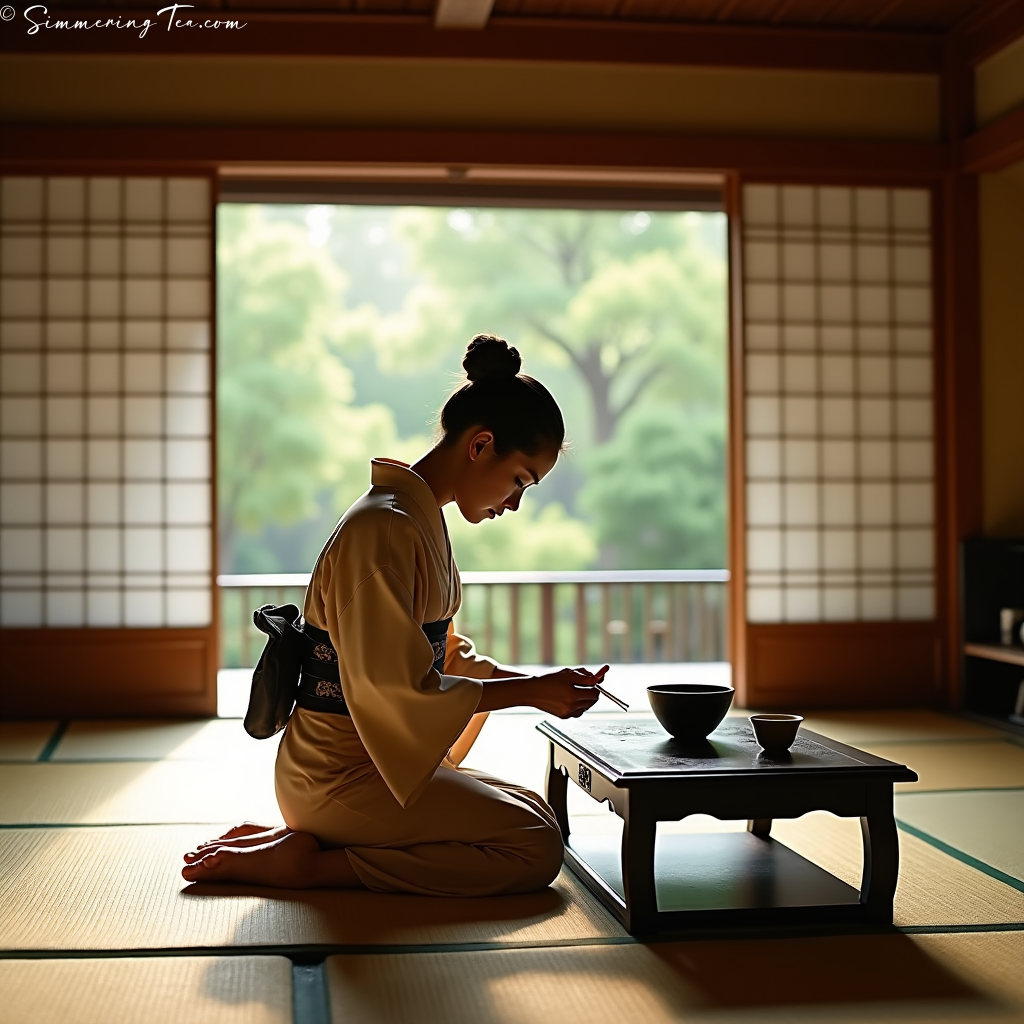
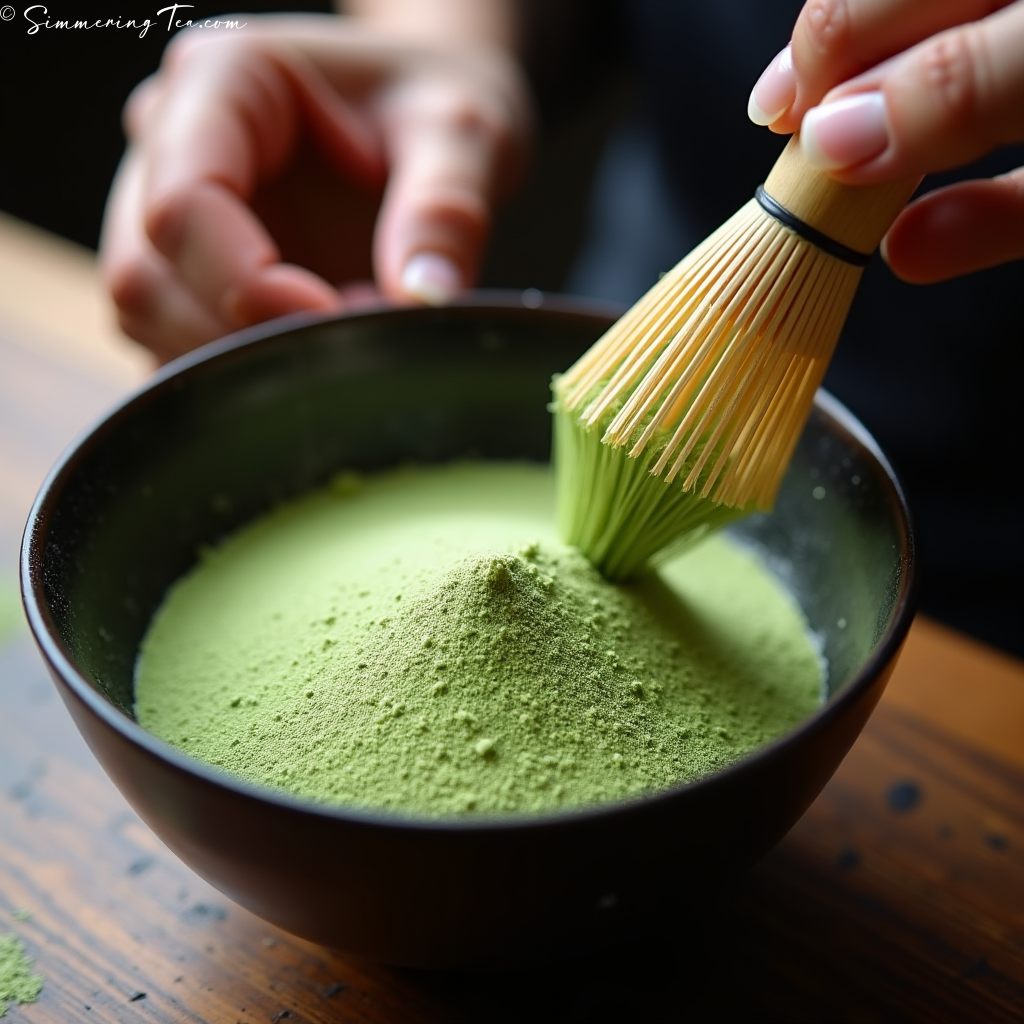
The Japanese tea ceremony, or chanoyu, is perhaps the most refined tea ritual in the world. Every gesture is deliberate, every movement a meditation. The preparation of matcha—whisking powdered green tea into a frothy, vibrant green suspension—is both an art form and a spiritual practice. In the quiet of a traditional tea room, participants find harmony, respect, purity, and tranquility.
China: Where Tea Began
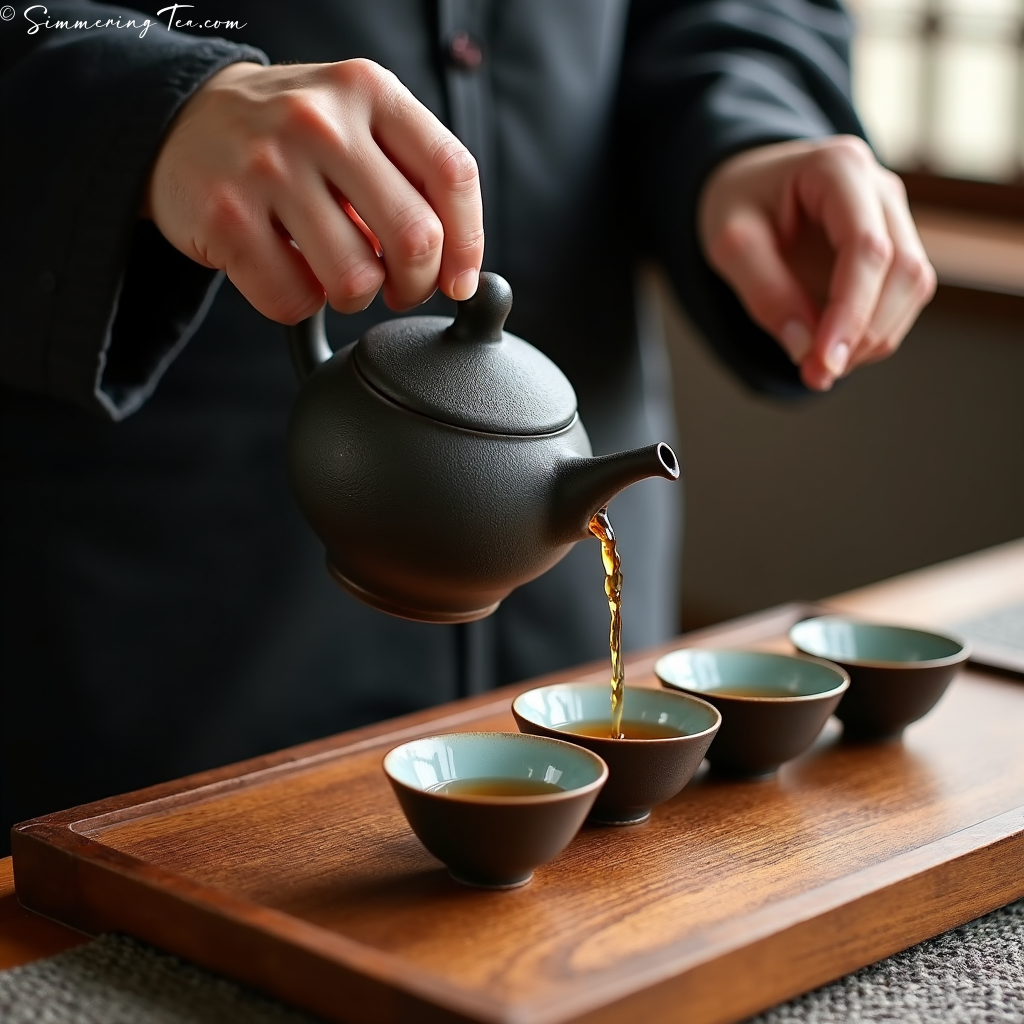
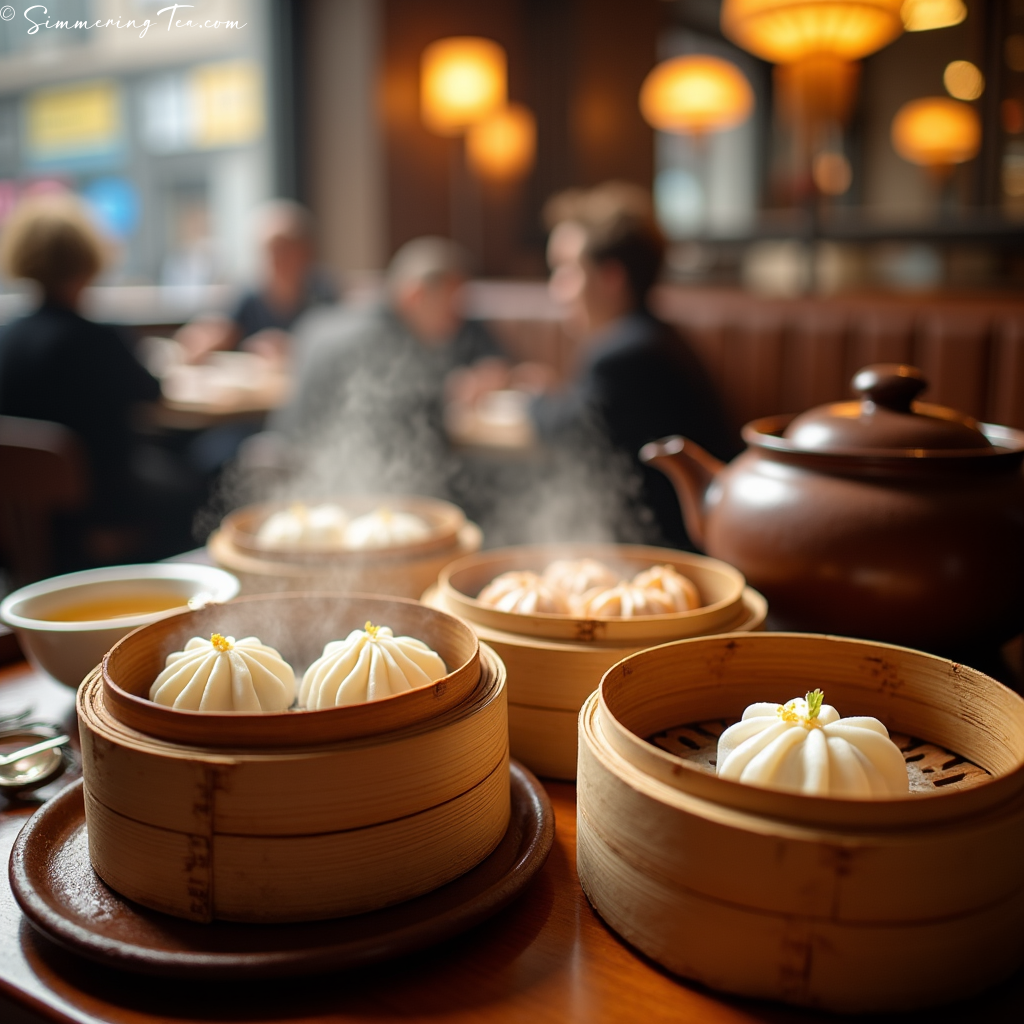

China is the birthplace of tea, with a history spanning over 5,000 years. The gongfu tea ceremony emphasizes skill and technique, using small clay teapots and multiple short infusions to extract the full complexity of premium oolongs and pu-erh teas. In Cantonese culture, yum cha—literally “drink tea”—is inseparable from dim sum, creating a social ritual that brings families and friends together. Traditional tea houses serve as community hubs where generations gather to drink, talk, and connect.
Korea: Serene Simplicity
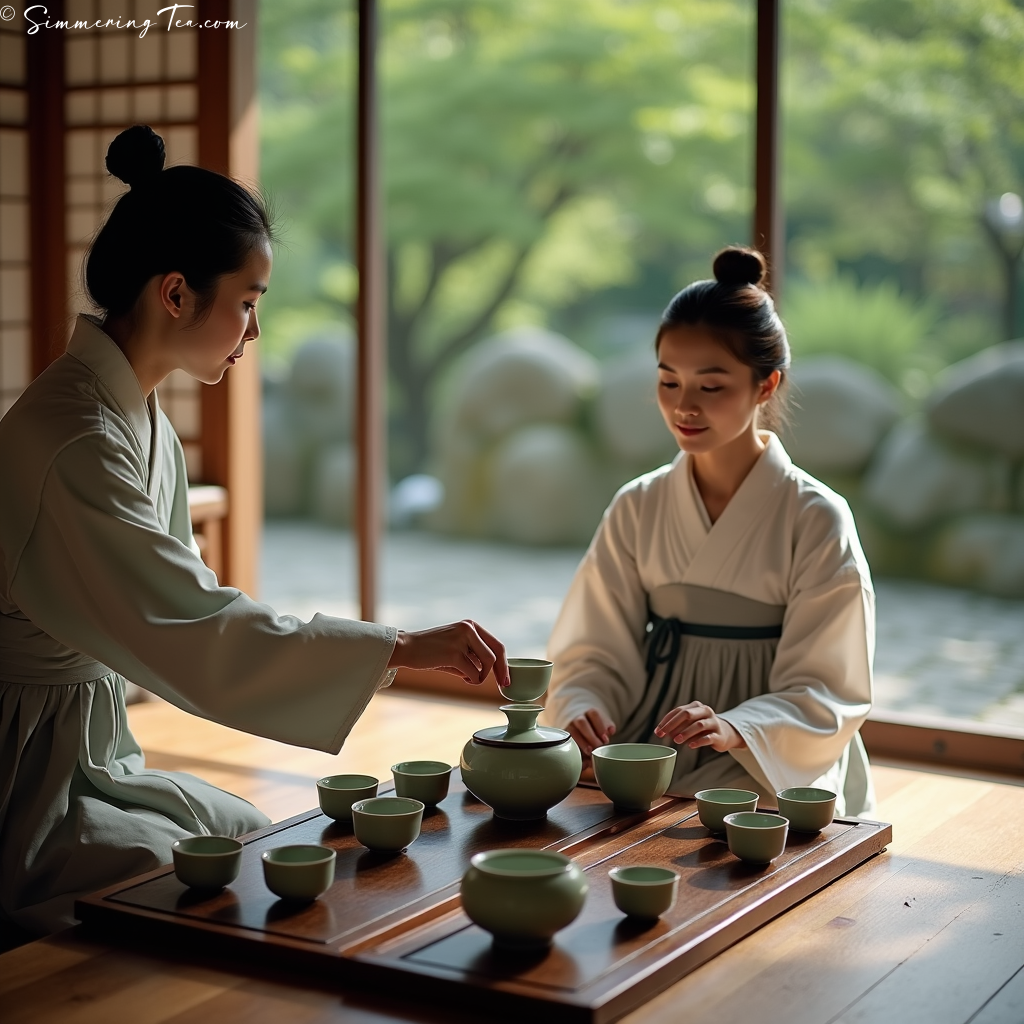
Korea’s darye tea ceremony shares the meditative qualities of its Japanese counterpart but maintains its own distinct aesthetic. Korean tea culture emphasizes natural simplicity, using earthy ceramics and focusing on the pure flavors of green and fermented teas.
Taiwan: Innovation Meets Tradition

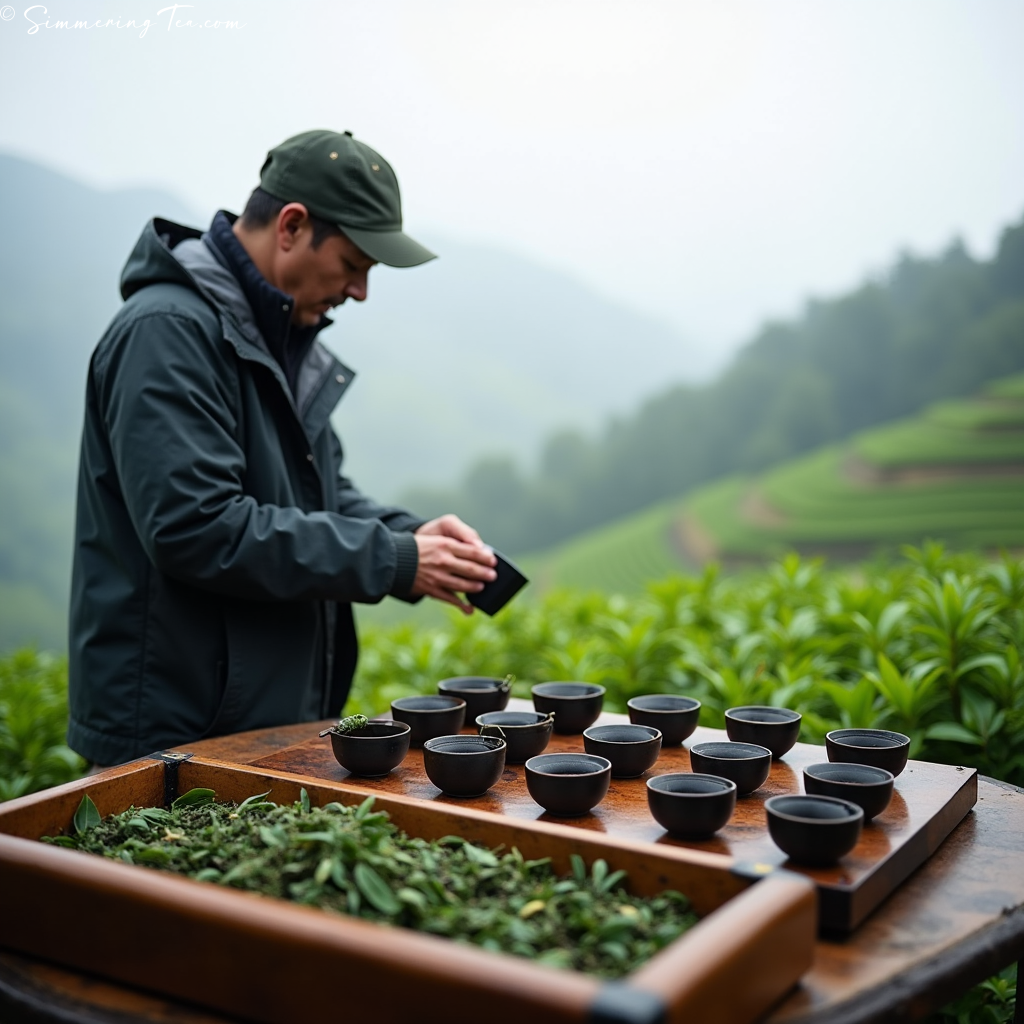
Taiwan beautifully balances ancient tea traditions with modern innovation. The island’s high mountain oolongs, grown at breathtaking elevations, are legendary among tea connoisseurs for their complex flavors and lingering sweetness. Yet Taiwan also gave the world bubble tea—a playful, modern invention that has become a global phenomenon, proving that tradition and innovation can flourish side by side.
The Himalayas: Tea at the Roof of the World
Tibet: Butter Tea for High Altitudes
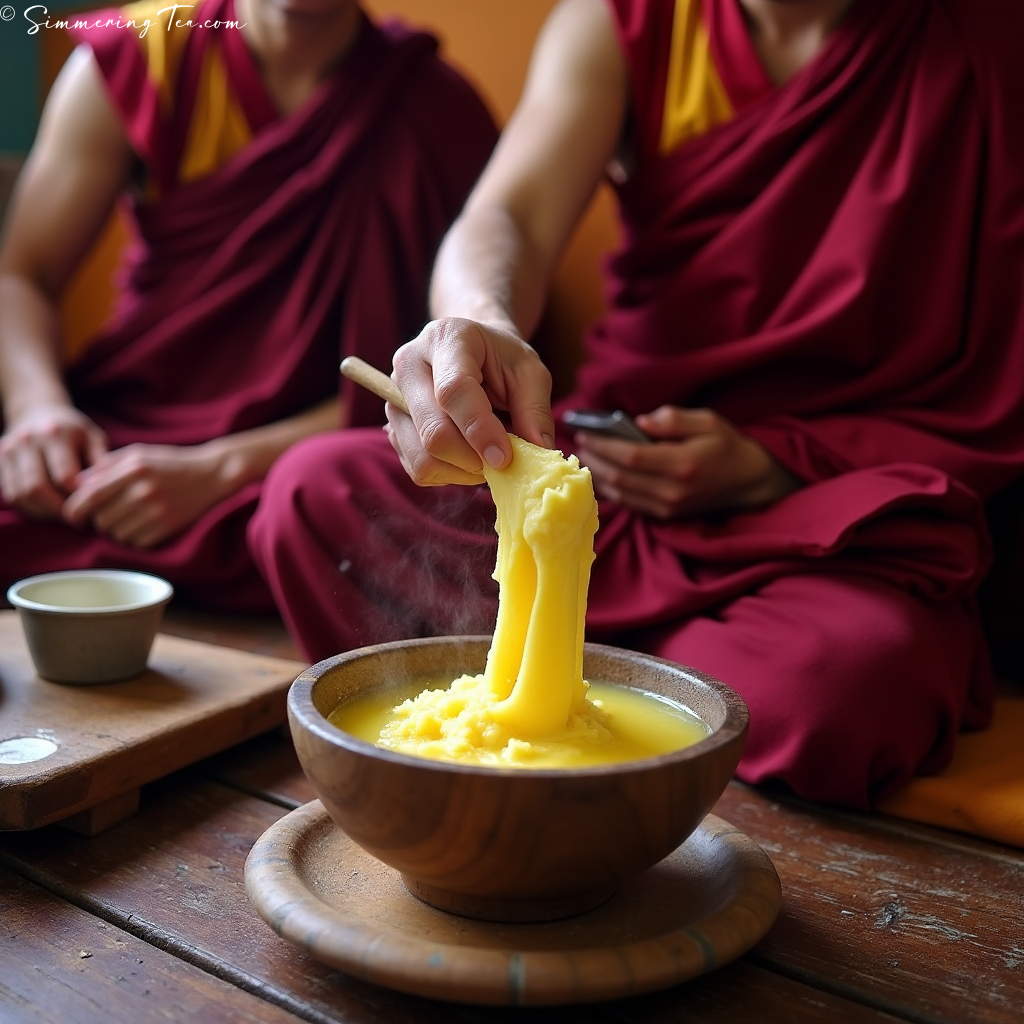
In the harsh, high-altitude environment of Tibet, po cha (butter tea) is essential for survival. Made with tea, yak butter, and salt, this rich, savory beverage provides crucial calories and warmth. The distinctive preparation method—churning the ingredients together—creates an emulsion that’s as nourishing as it is unique.
Mongolia: Milk Tea of the Steppes
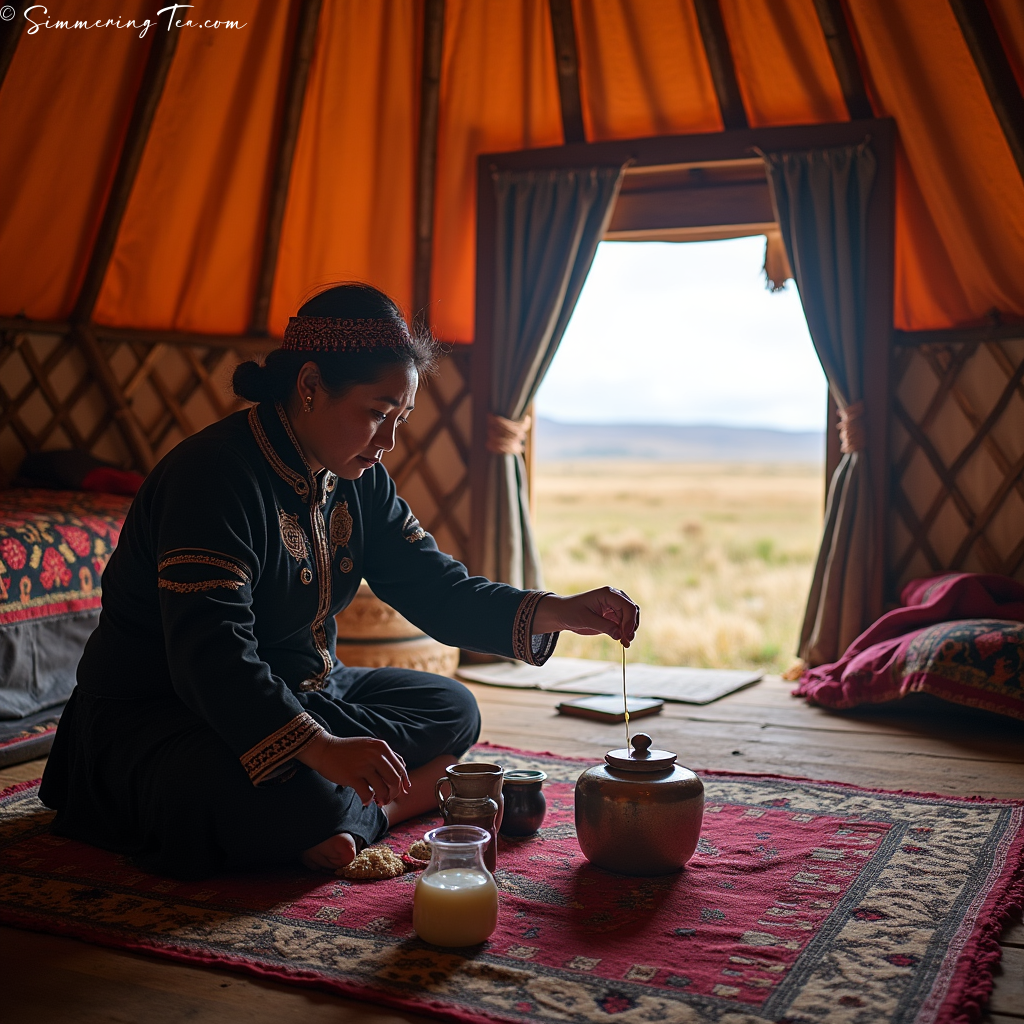
Mongolian suutei tsai shares similarities with Tibetan butter tea, reflecting the shared challenges of nomadic life in extreme climates. This salted milk tea is a staple of hospitality, offered to every visitor as a gesture of welcome.
South Asia: The Land of Chai
India: From Chai Wallahs to Tea Estates
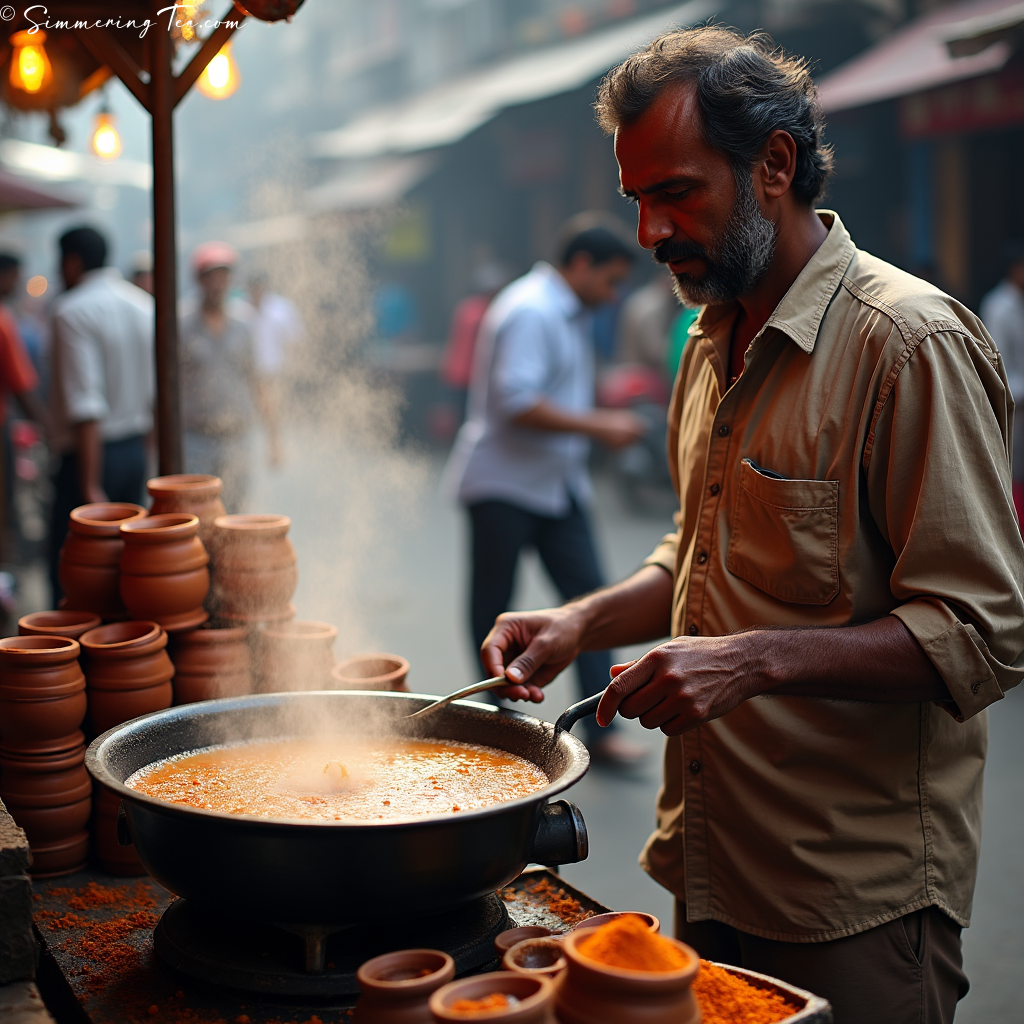


India’s tea culture is as diverse as the country itself. The chai wallah—street vendors serving spiced, milky tea—are cultural icons who fuel the nation’s daily rhythm with their steaming cups served in small clay pots. Yet India also produces some of the world’s finest teas, from the delicate, muscatel-flavored Darjeeling grown in Himalayan foothills to the aromatic kahwa of Kashmir, a green tea infused with saffron, almonds, and cardamom.
Sri Lanka: The Ceylon Tea Legacy
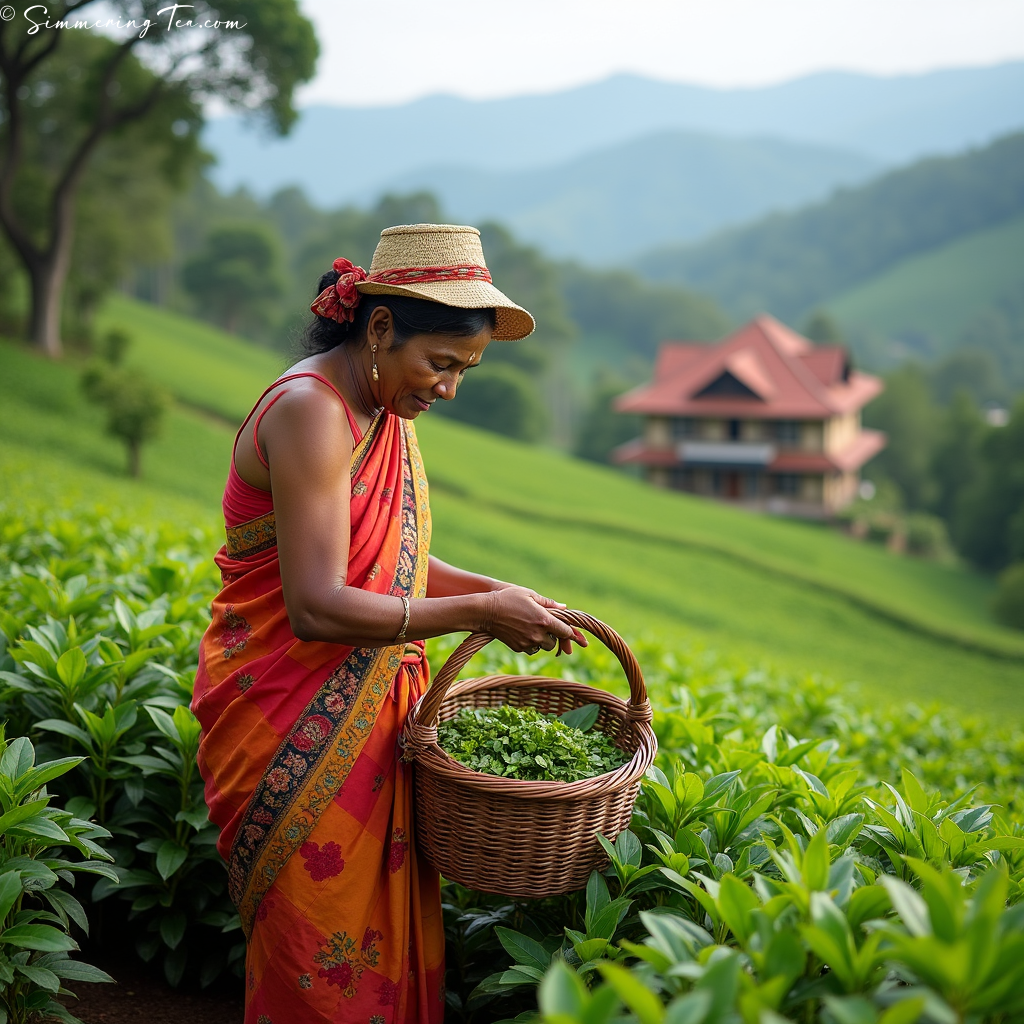
Sri Lanka’s mountainsides are blanketed in tea estates that produce the renowned Ceylon tea. These teas range from bright and brisk low-grown varieties to rich, full-bodied high-grown teas, each reflecting the unique terroir of the island.
Southeast Asia: Tropical Tea Traditions
Thailand: Sweet and Creamy

Thai iced tea’s distinctive orange color and sweet, creamy flavor have made it a beloved beverage far beyond Thailand’s borders. This refreshing drink, often served with condensed milk, perfectly complements spicy Thai cuisine.
Vietnam: Tea Culture Beyond Coffee

While Vietnam is internationally famous for its coffee, the country—particularly in the north—maintains vibrant tea traditions. Green tea is consumed throughout the day, often served to guests as a sign of hospitality.
Myanmar: The Tea You Can Eat
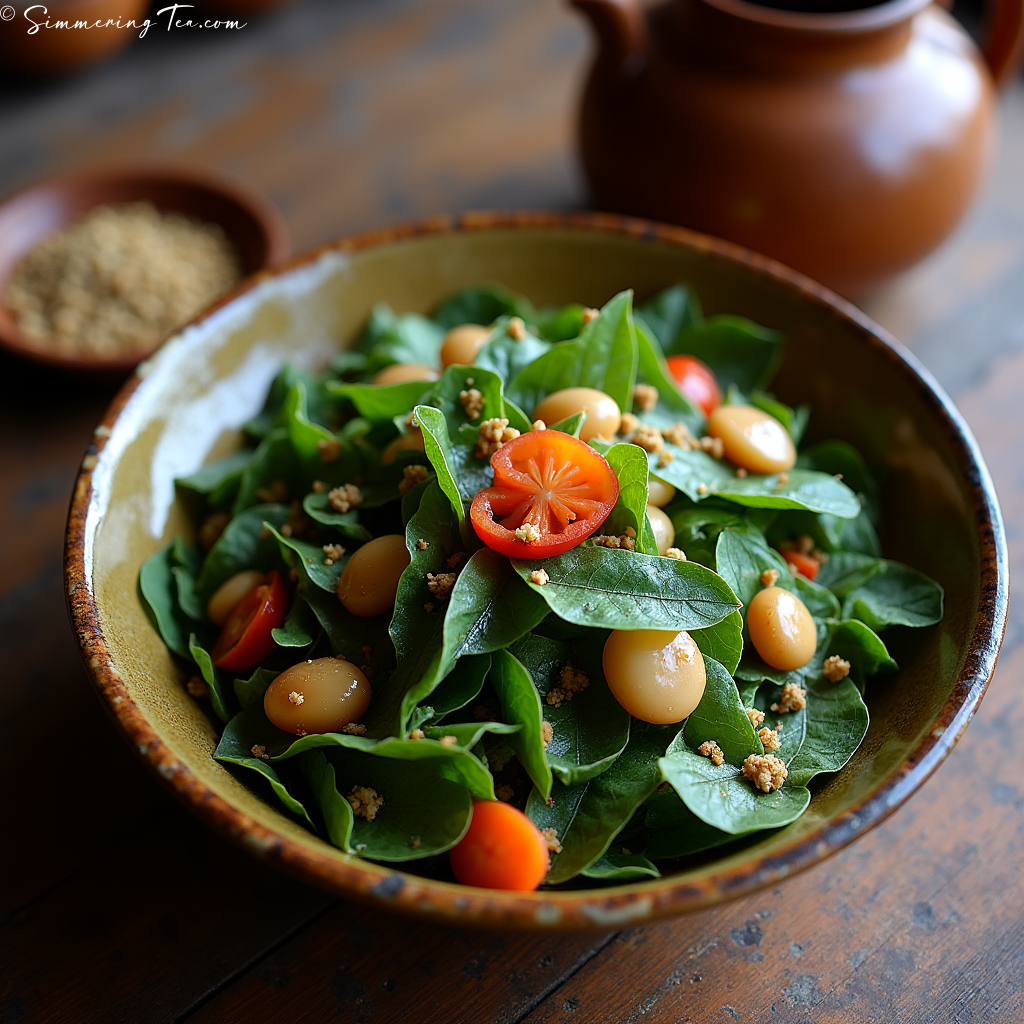
Myanmar’s lahpet represents a unique approach to tea—fermented tea leaves that are eaten rather than brewed. This tangy, slightly bitter snack is mixed with fried garlic, peanuts, sesame seeds, and dried shrimp, creating an addictive flavor combination that’s central to Burmese culture.
Middle East and North Africa: Tea as Hospitality
Morocco: The Art of Mint Tea
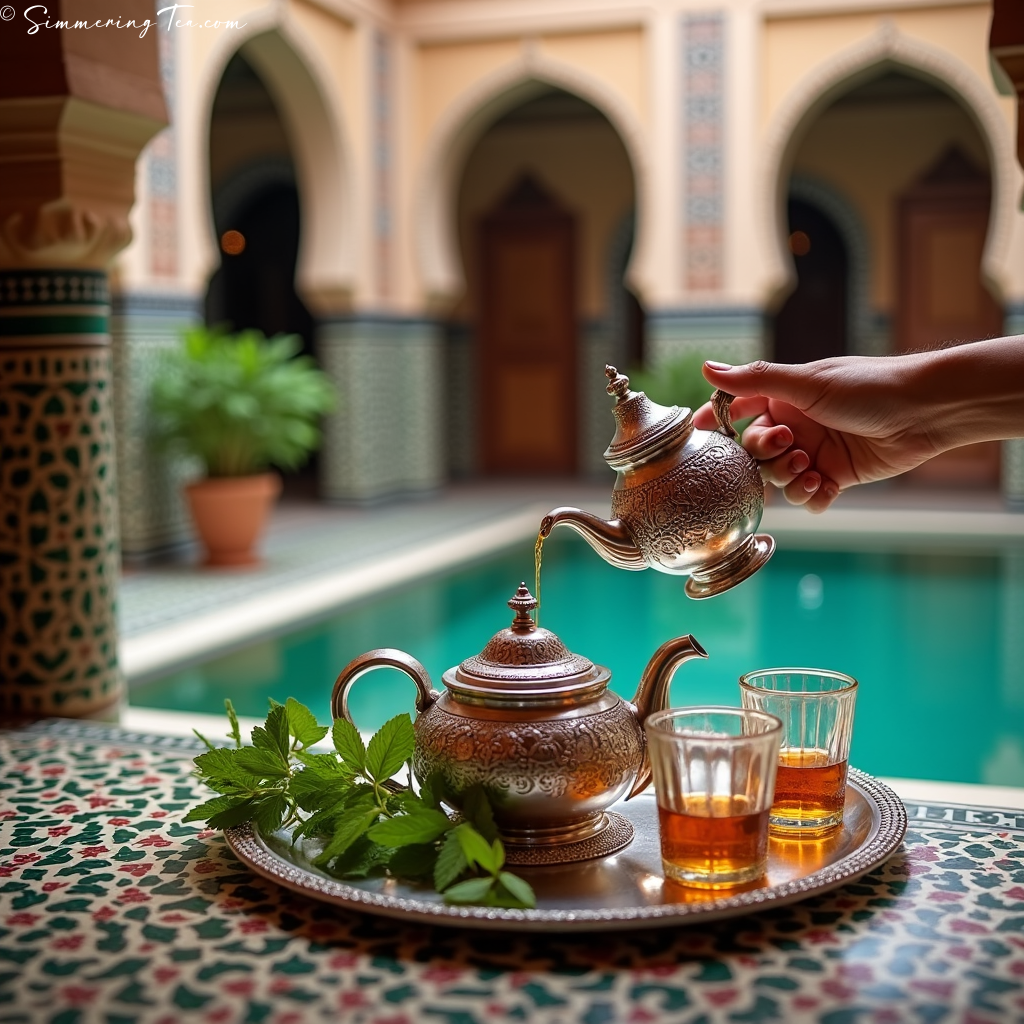
Moroccan mint tea is more than a beverage—it’s a symbol of hospitality, friendship, and tradition. The preparation is an art form: green tea and fresh mint are steeped with copious amounts of sugar, then poured from high above the glass to create a distinctive foam. In the Berber traditions of the Atlas Mountains, tea-making is an honored skill passed down through generations.
Turkey: Çay Culture
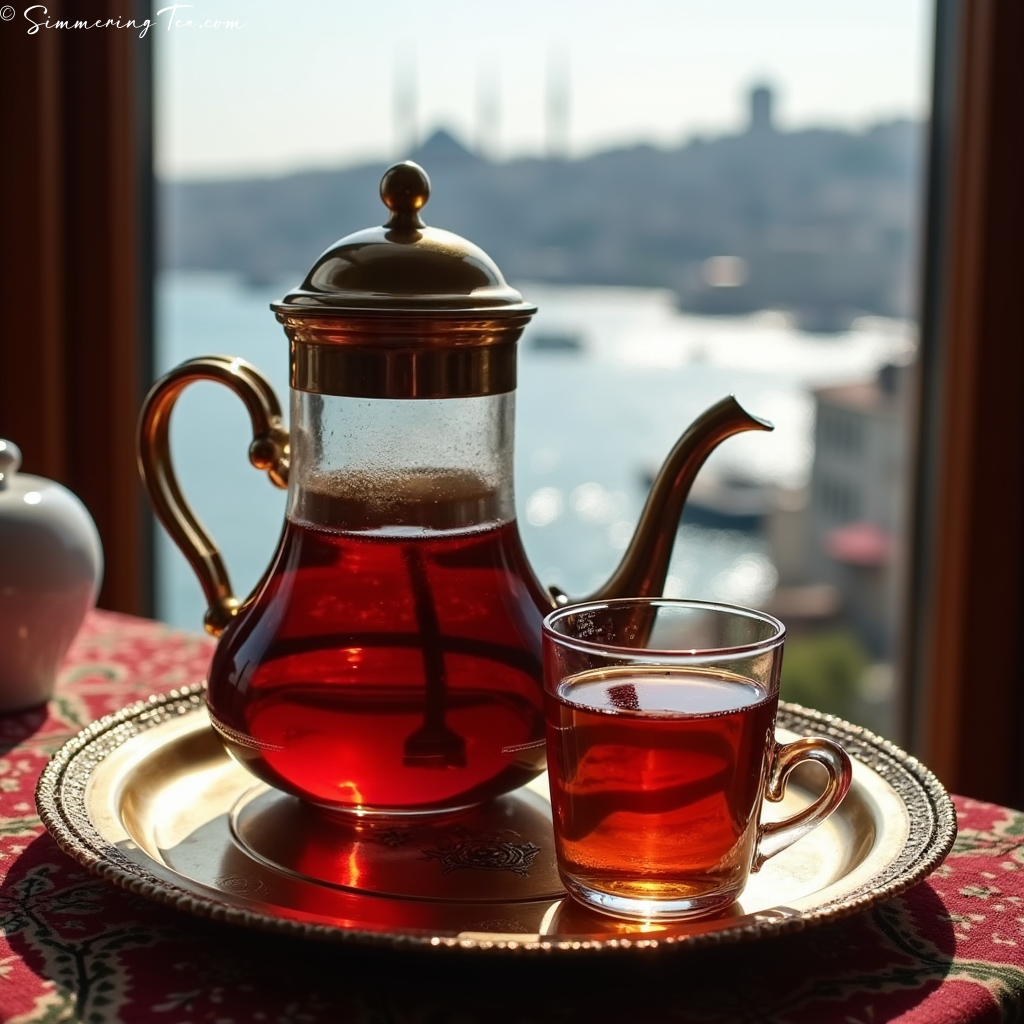
Turkish çay, served in distinctive tulip-shaped glasses, is the social glue that binds Turkish society. Tea is consumed throughout the day—in homes, cafes, offices, and bazaars. The double teapot system (çaydanlık) keeps water hot while concentrated tea is diluted to each drinker’s preference.
Iran: Persian Tea Traditions
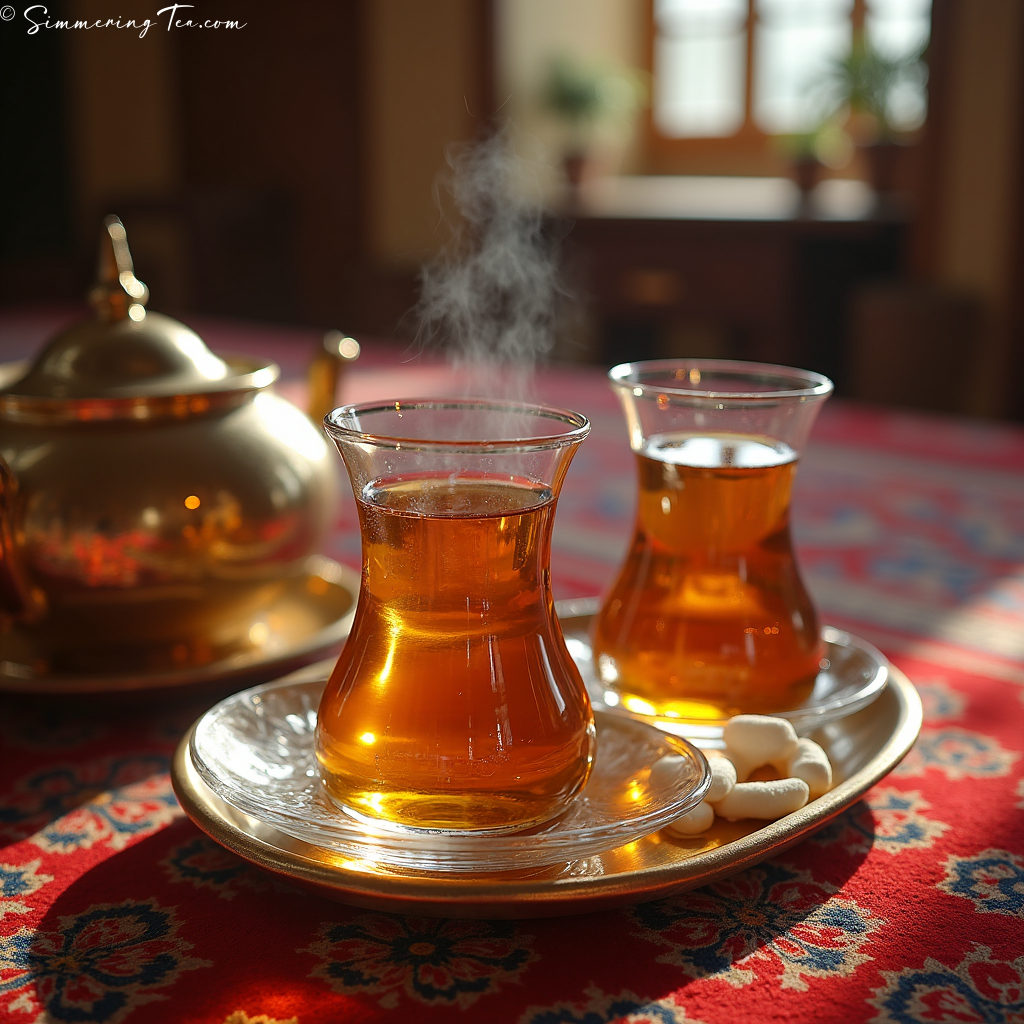
Persian tea culture emphasizes strong, aromatic black tea served in clear glasses. The traditional method involves placing a sugar cube between the teeth and sipping the tea through it, sweetening each sip. Tea is accompanied by dates, pastries, and conversation that can last for hours.
Russia: The Samovar Tradition
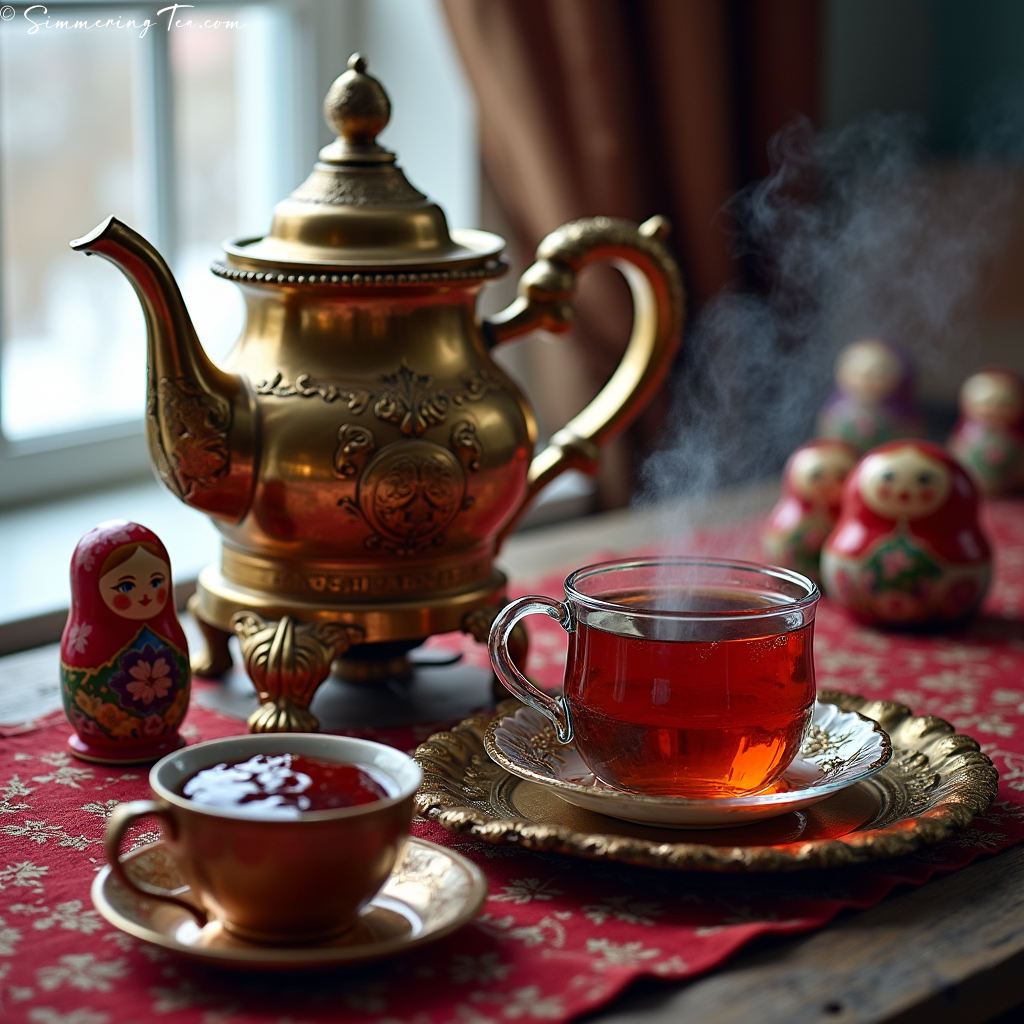
The Russian samovar—an ornate urn that keeps water constantly hot—is both functional and ceremonial. Concentrated tea (zavarka) is brewed in a small teapot placed atop the samovar, then diluted with hot water to each person’s taste. Tea in Russia is often accompanied by jam, which can be stirred into the tea or eaten alongside it.
Central Asia: Chaikhana Culture
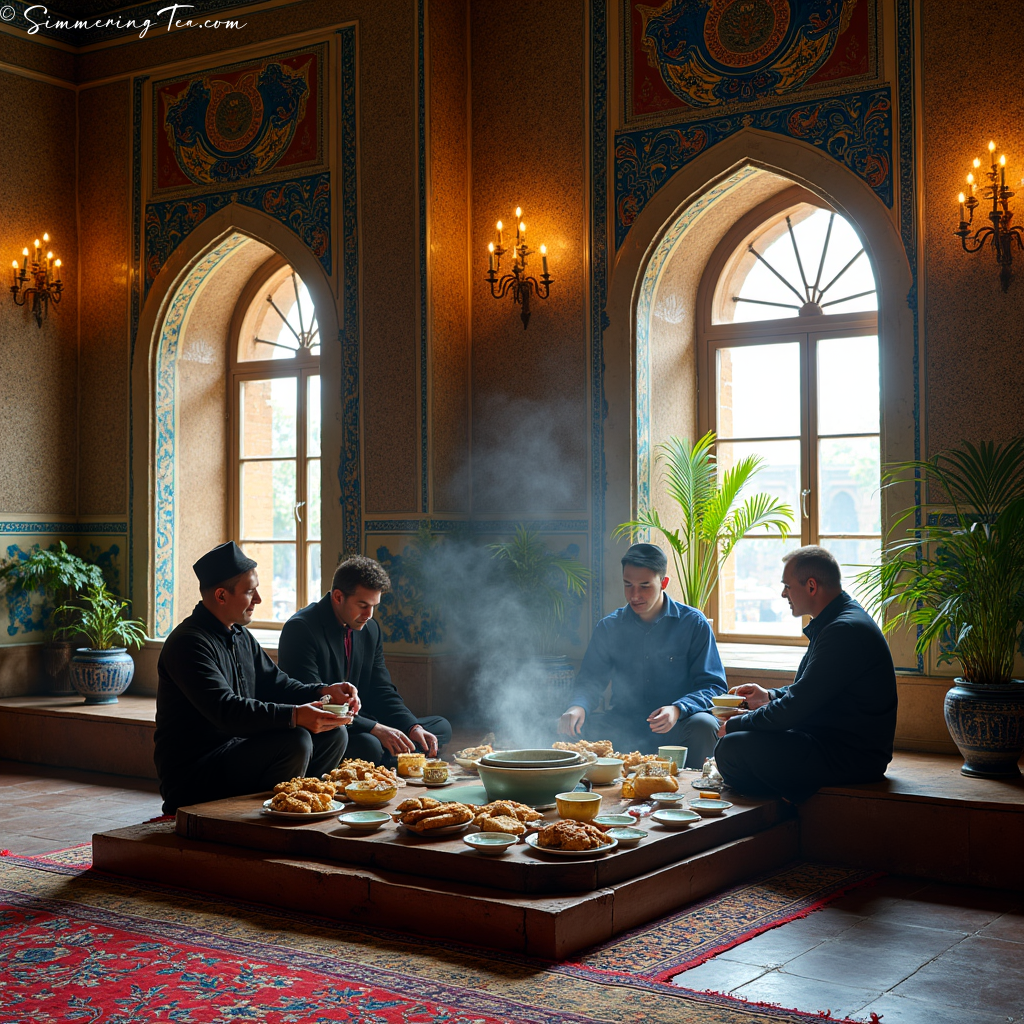
In Uzbekistan and throughout Central Asia, the chaikhana (tea house) serves as the social heart of communities. These establishments, often featuring low tables and cushioned platforms, are where men gather to drink green tea, share food, discuss business, and maintain social bonds.
Egypt: Shai All Day
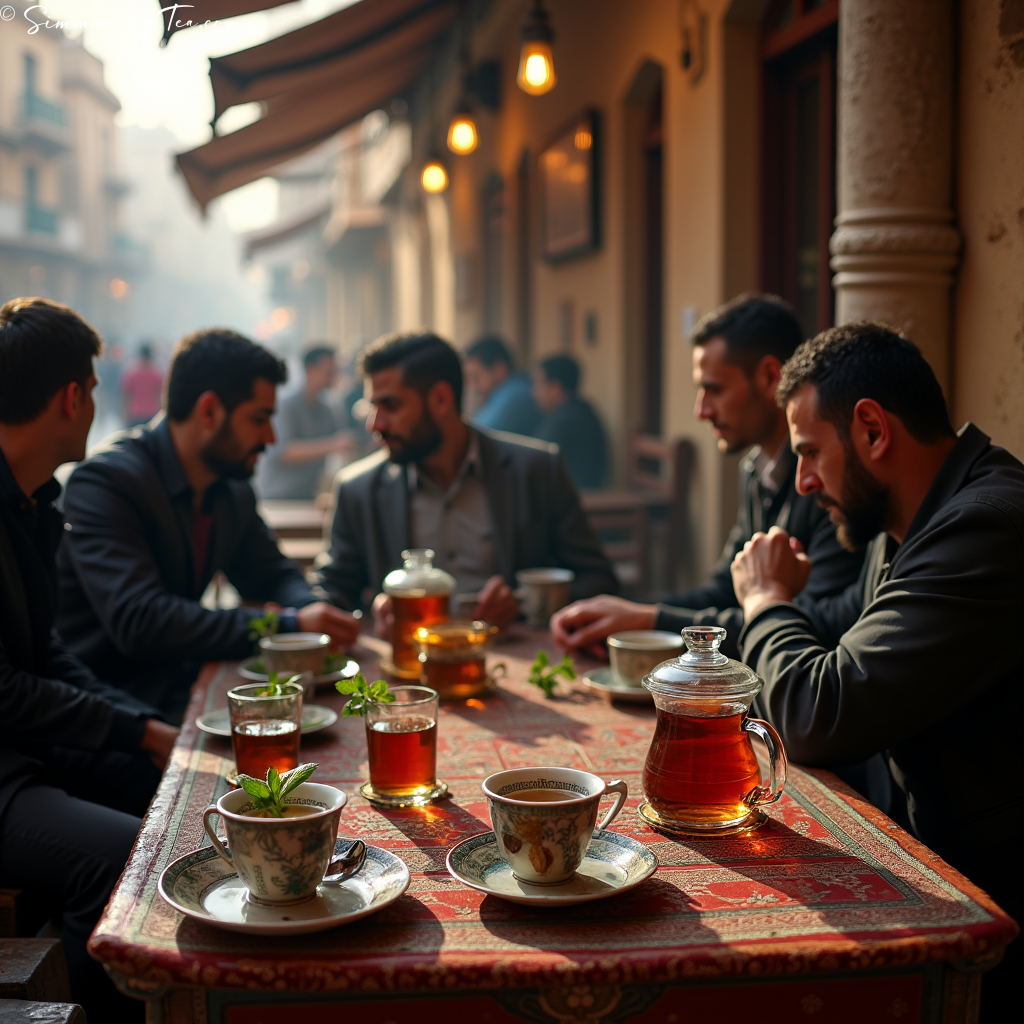
Egyptian shai—strong black tea often flavored with mint—is consumed throughout the day and night. Whether in street-side cafes or at home, tea accompanies every social occasion, from casual conversations to important business discussions.
Africa: Tea Innovation and Tradition
Kenya: Purple Tea Innovation
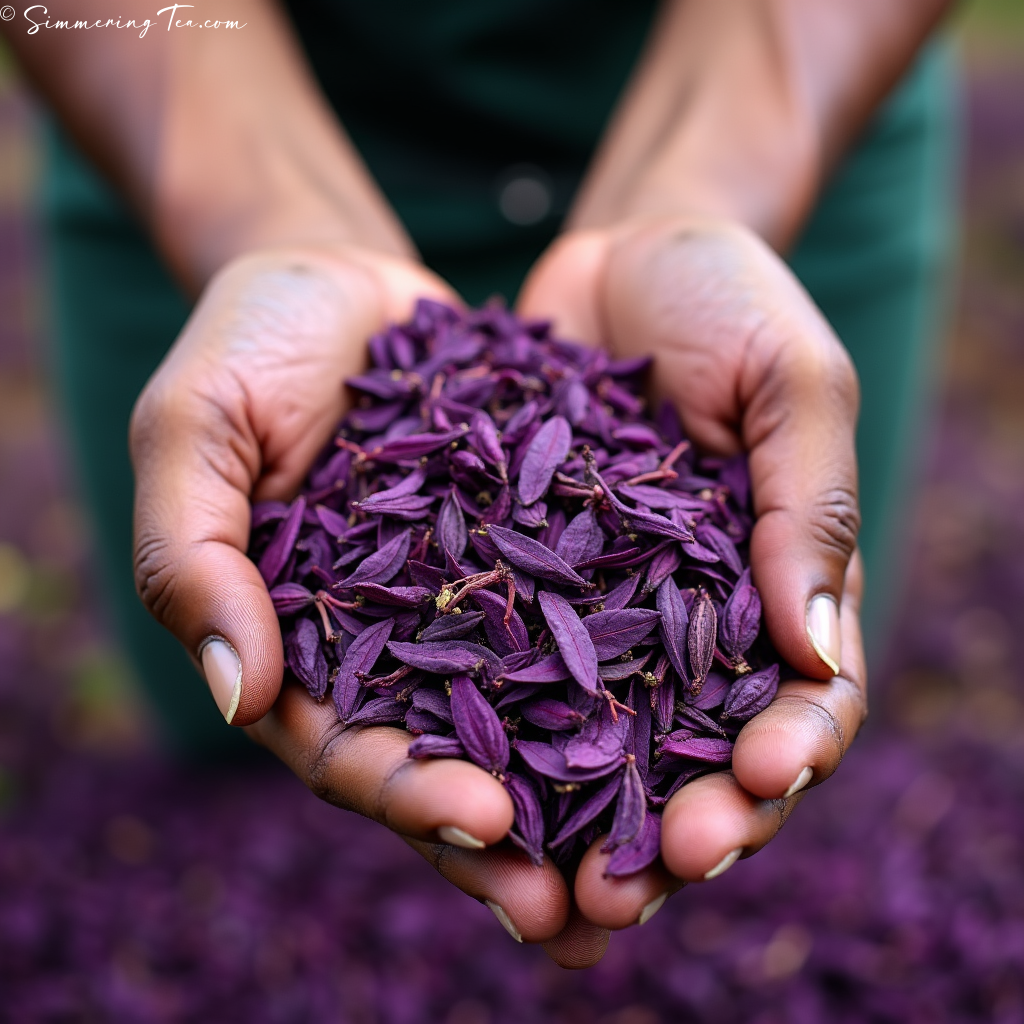
Kenya, one of the world’s largest tea producers, has recently introduced purple tea—a unique variety high in anthocyanins and antioxidants. This innovation represents how traditional tea-growing regions continue to evolve and experiment.
Europe: Afternoon Tea and Daily Rituals
Britain: From Afternoon Tea to Builder’s Tea
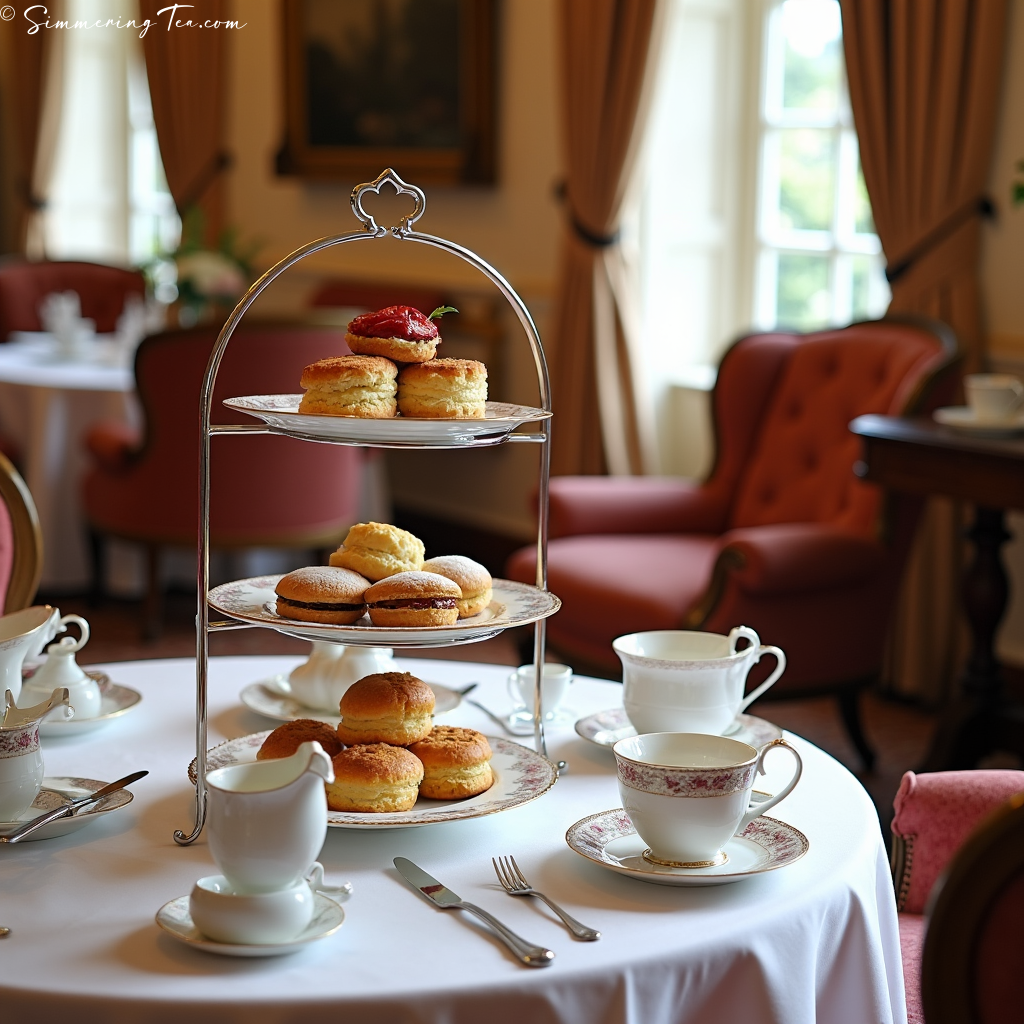

British tea culture spans the social spectrum. At one end, there’s the elegant afternoon tea—a ritual of finger sandwiches, scones with clotted cream and jam, and delicate pastries served on tiered stands with fine china. At the other end is “builder’s tea”—strong, milky, and working-class—proving that tea transcends all social boundaries in Britain. Both represent the deep integration of tea into British daily life.
The Americas: New World Tea Traditions
Argentina: Yerba Mate Rituals

While not technically from the Camellia sinensis plant, yerba mate occupies the same cultural space as tea in Argentina and throughout South America. This caffeinated infusion is shared communally using a mate gourd and bombilla (metal straw), creating bonds through the ritual of passing the mate from person to person.
United States: Sweet Tea and Beyond

In the American South, sweet tea is a cultural institution and a point of regional pride. This iced tea, sweetened while still hot to ensure the sugar dissolves fully, is served by the pitcher at every meal and is as essential to Southern hospitality as good manners.
Canada: Innovative Tea Blending
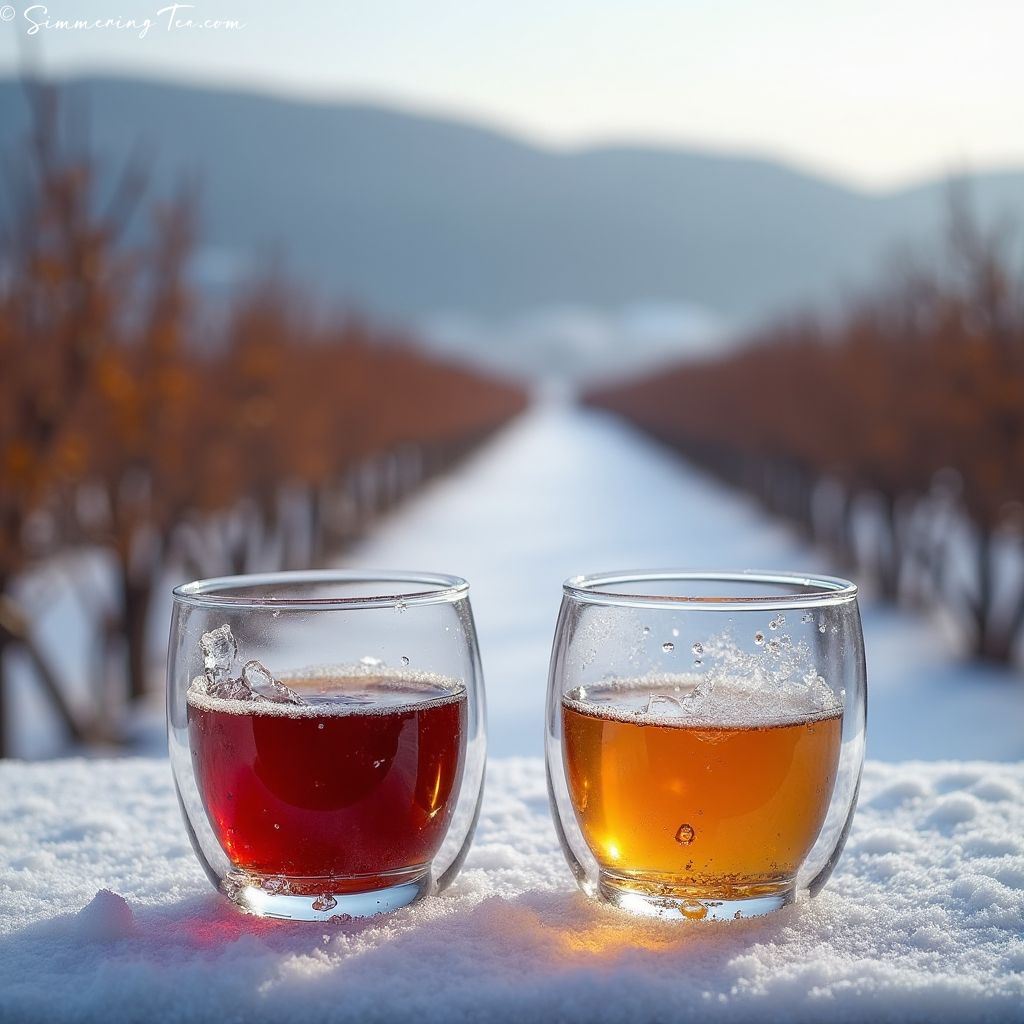
Canada has embraced innovative tea blending, including unique creations that incorporate ice wine—one of Canada’s premium specialty products. These creative blends represent how New World tea cultures continue to innovate and create new traditions.
The Universal Language of Tea
From the ceremonial to the casual, from ornate samovars to simple clay cups, tea creates moments of connection across every culture it touches. It’s served to welcome strangers, seal business deals, comfort the grieving, and celebrate joyous occasions. Each tradition reflects the values, climate, and social structures of its culture, yet all share common themes of hospitality, community, and mindfulness.
Whether you’re drawn to the precise ritual of a Japanese tea ceremony, the communal warmth of Moroccan mint tea, or the comforting familiarity of British afternoon tea, you’re participating in a practice that spans continents and millennia. Tea is truly humanity’s most universal ritual—a simple act that brings us together across all our differences.
So the next time you brew a cup, take a moment to appreciate not just the flavor in your cup, but the rich tapestry of human culture and tradition that surrounds this remarkable beverage.
Which tea tradition speaks to you? Have you experienced any of these tea cultures firsthand? Share your tea stories in the comments below!


